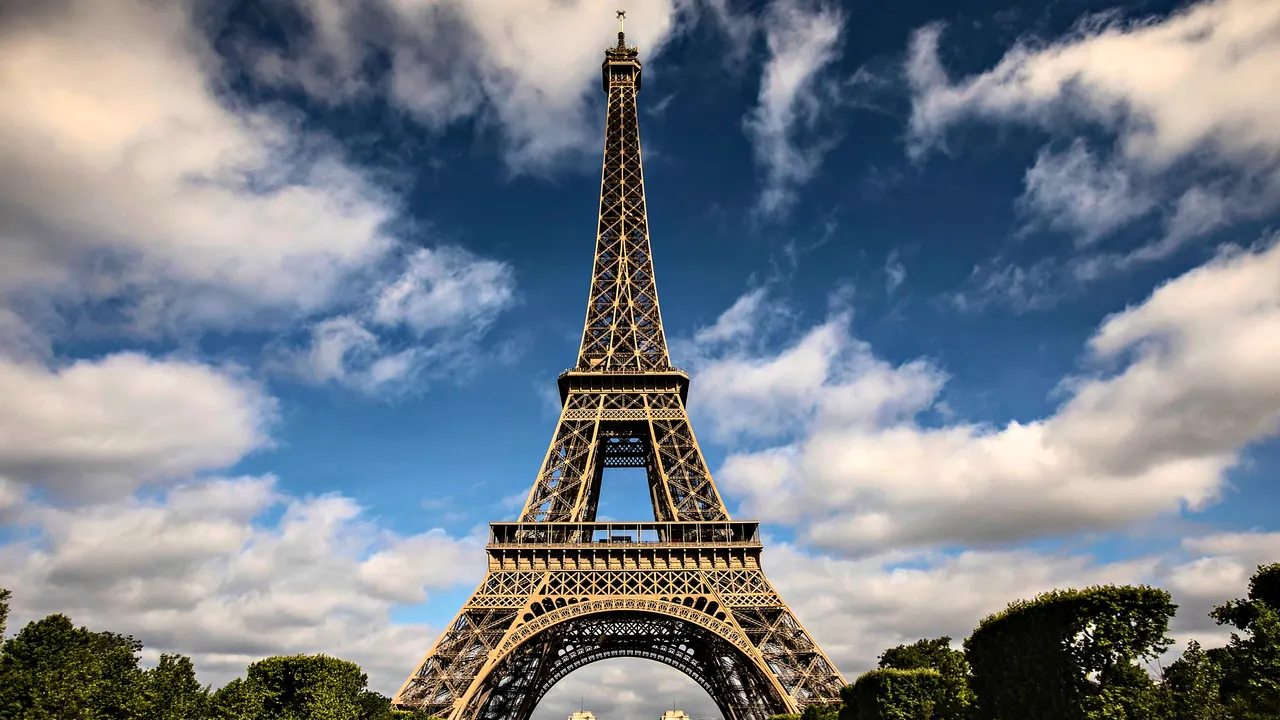
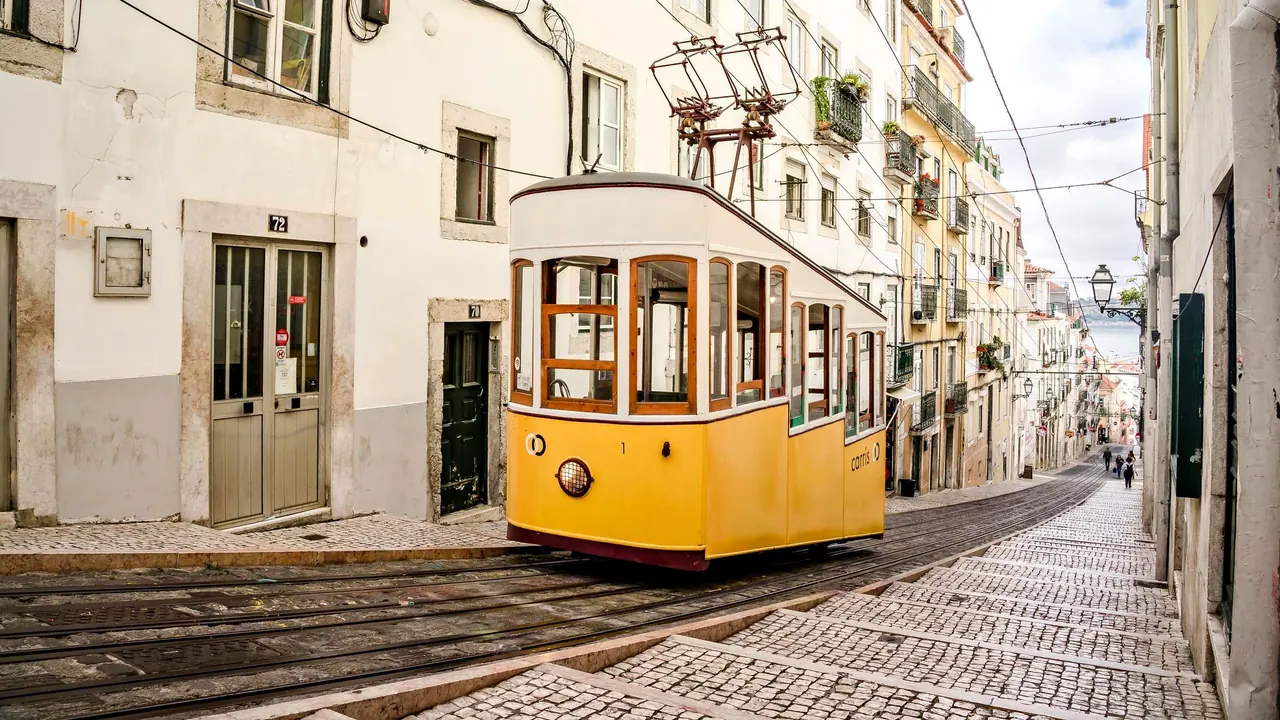
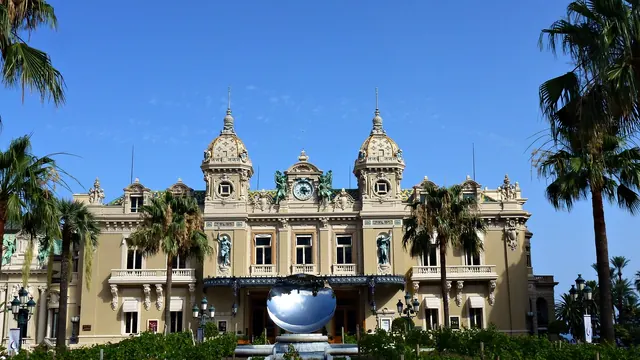
Photos: France by Stephen Leonardi, Pexels License; Portugal by Leonhard Niederwimmer, Pexels License.
France or Portugal?
Our verdict in twelve categories, each scored against the same fixed benchmark cities, and the climate month by month, so you can choose for your trip.
Choose France for
- shopping
- live music and the arts
- food and drink
France is the choice when you want depth more than anything else. Its regional cooking runs from Lyon to the Basque country, its art and history run from the Louvre to the Loire châteaux and Roman Provence, and it adds opera, theatre and the Alps. It suits travellers who want to move between several rich regions by fast train, and families who want big attractions as well as long sandy beaches, as long as they accept that Paris and the Riviera are expensive.
Choose Portugal for
- prices
For a sunnier, gentler and cheaper trip, Portugal makes more sense. Its beaches are as good as France's, with the cliff coves of the western Algarve and the quiet Ria Formosa islands. Distances are short, so Lisbon, Porto and the coast fit easily into one trip. It rewards travellers who want grilled fish, port and fado without high costs, and those looking for mild winter sun on Madeira.
Scoreboard
Twelve categories on one fixed scale from 0 to 100. The shaded stretch is the gap between the two.
Your match
Pick a travel style or drag the sliders, and both match scores follow your weighting.
Wins on shopping and live music and the arts with your weighting.
Wins on prices with your weighting.
What matters to you?
Category by category
What the scores mean for a trip.
Beaches & swimming
The two are equally good for a beach trip, but the beaches are different. France's best swimming is on the Mediterranean: the turquoise bays of Corsica around Bonifacio and Porto-Vecchio, the long flat sand of the Languedoc, and the Côte d'Azur, where the water is warm but much of the shore is pebble and crowded in summer.
Portugal's beaches face the Atlantic, so the water is a few degrees cooler. They are concentrated in the Algarve, with ochre cliffs and coves reached down steps west of Albufeira, and the empty barrier islands of the Ria Formosa reached by little ferries. Both countries also have a wild Atlantic coast for surfing, in the Landes and on the Alentejo coast.
Where in France: Corsica, Côte d'Azur, Languedoc coast, Basque coast
Where in Portugal: Algarve, Ria Formosa islands, Alentejo coast, Porto Santo
Food & drink
France is the stronger food destination by a wide margin, because every region has its own kitchen: the bouchons of Lyon, the cooking of Burgundy and Bordeaux built around their wine, the pintxos of the Basque country, and the crêpes and oysters of Brittany. Covered markets, good bakeries and cellar visits in Champagne or the Loire are part of almost any itinerary.
Portugal eats simply and well, mostly from the sea: grilled sardines, salt cod and clams, with port from the Douro and rich reds from the Alentejo. It is satisfying but narrower, and outside Lisbon and Porto there is little beyond the national cooking.
Where in France: Paris, Lyon, Burgundy, Basque Country
Where in Portugal: Lisbon, Porto, Douro Valley, Alentejo
Culture & sights
France has more world-class sights than almost anywhere: the Louvre and Sainte-Chapelle in Paris, the Gothic cathedrals of Chartres and Reims, the Roman monuments of Nîmes and Orange, Mont-Saint-Michel, and the cave paintings of the Dordogne. A whole trip can follow one theme, such as art, architecture or history, without running out.
Portugal's heritage is fine and close together: the Jerónimos Monastery and Alfama in Lisbon, the palaces of Sintra, Porto's tiled churches, Tomar and walled Évora. It will fill two weeks, but few of its sights are as famous as France's best.
Where in France: Paris, Loire Valley, Provence, Normandy
Nightlife
The two are close, and in both the big night out happens in one or two cities. Paris has the most depth, with bars and clubs around Oberkampf, Pigalle and the eastern districts, and Lyon, Bordeaux and Montpellier give good nights out in student-city style.
Portugal's nightlife happens more on the street, with crowds drinking outdoors in Bairro Alto and on the steps of Cais do Sodré, and clubs by the Tagus. In summer, Albufeira and Lagos give the Algarve a loud resort scene, which is cheaper than the Riviera's glamorous clubs.
Where in France: Paris, Lyon, Bordeaux, Montpellier
Nature & outdoors
France has the wider range of landscapes on its mainland. You can hike and climb under Mont Blanc at Chamonix, ski in some of the world's largest ski areas, walk the quieter Pyrenees, kayak the Verdon gorge and walk the cliffs of the Calanques. Corsica adds a tough mountain trail.
Portugal's most dramatic scenery is on its islands: the levada paths of Madeira and the crater lakes and whale watching of the Azores, both a flight away. On the mainland it has Peneda-Gerês, the cliffs of the Rota Vicentina and serious surfing at Nazaré and Ericeira, but no high mountains or skiing to match the Alps.
Where in France: French Alps, Pyrenees, Corsica, Provence
Where in Portugal: Madeira, Azores, Peneda-Gerês National Park, Rota Vicentina
Day trips
From a French base you have more choice. Paris alone reaches Versailles, Giverny, Chartres and the champagne houses of Reims. Avignon reaches the Pont du Gard and the Luberon, and Nice has Èze, Menton and Monaco along the coast.
Portugal works well from two bases: Lisbon for Sintra, Cascais and Évora, and Porto for Guimarães, Braga, Aveiro and the Douro railway. The Algarve has fewer outings, mainly Tavira, Silves and Lagos.
Good for families
France has many more large attractions for children: Disneyland Paris and Parc Astérix, the historical shows of Puy du Fou, the Futuroscope and Beauval zoo. Its long summer beaches in the Vendée and Languedoc have campsites with pools and children's clubs behind them.
Portugal is relaxed and safe with children, and the eastern Algarve has gently shelving, warm water, but the list beyond that is short: Lisbon's Oceanário and Portugal dos Pequenitos in Coimbra. The cobbled, steep old towns are hard work with a pushchair.
Where in France: Paris, Vendée, Loire Valley, Languedoc
Getting around
France is the easier country to cross without a car. High-speed lines run from Paris to Lyon, Bordeaux, Strasbourg and Marseille, and most cities have trams or a metro, though rural Provence, the Dordogne and Corsica still need a car on tolled roads.
Portugal has one good main line, Lisbon to Porto via Coimbra, and cities you see on foot over steep, slippery stone. The Algarve coves, the Alentejo and the Douro estates are much easier by car, and Madeira and the Azores mean a flight and then a hire car on winding island roads.
Where in France: Paris, Lyon, Strasbourg, Bordeaux
Shopping & style
For a real shopping trip, France is in a different league. Paris has the couture houses of Avenue Montaigne, the department stores on Boulevard Haussmann, the boutiques of the Marais and the vast flea market at Saint-Ouen, and Provence adds market fabrics and the antiques dealers of L'Isle-sur-la-Sorgue.
Portugal is a place for gifts rather than fashion: hand-painted tiles, tinned fish, cork, Caldas da Rainha ceramics and bottles from the port lodges.
Where in France: Paris, Provence, Lyon, Brittany
Where in Portugal: Lisbon, Porto, Caldas da Rainha, Barcelos
Affordability
Portugal is clearly the cheaper country. Porto, Coimbra, the Alentejo and the Minho have modest room prices, and set lunches, coffee, wine and trains cost little everywhere. Lisbon and the Algarve in high summer are the main exceptions.
France is expensive where most visitors go first: Paris, the Riviera and the Alpine resorts. A gîte in the Dordogne or a campsite in Brittany brings the cost down, but long train journeys and motorway tolls add up.
Live music & performing arts
France offers far more to see on stage. Paris has two opera houses, the Philharmonie, the Comédie-Française and its jazz cellars. Lyon, Bordeaux and Toulouse have full opera seasons, and in summer there are the Avignon theatre festival, opera at Aix and Orange, and the Fête de la Musique.
Portugal's great performance is fado, sung in small rooms in Alfama and Mouraria and by cloaked students in Coimbra. Beyond that there is the São Carlos opera house, the Gulbenkian concerts and Casa da Música in Porto, and little outside those three cities.
Where in France: Paris, Avignon, Aix-en-Provence, Lyon
Wellness & relaxation
Both countries have an old tradition of thermal spas that are often more medical than pampering, but France has more of them and they are grander. There are belle-époque Vichy and Évian, mountain hot springs at Cauterets and Luchon in the Pyrenees, and seawater thalassotherapy at Quiberon and Biarritz.
Portugal's termas, such as São Pedro do Sul and Luso, are quiet and old-fashioned. Its standout is the warm, iron-red water at Furnas in the Azores, though that is a separate trip, while on the mainland rest usually means a slow country stay in the Alentejo.
Where in France: Auvergne, French Alps, Pyrenees, Brittany
Where in Portugal: Azores, São Pedro do Sul, Alentejo, Monchique
When should you go?
Pick your month, and for a country the place in it. The climate figures are measured averages, not a forecast.
Where in France
Where in Portugal
Paris (France) in July
Lisbon (Portugal) in July
Daytime high, °C
Rainfall in the month, mm
Temperature and rainfall are climate normals, averaged over the years shown. Paris (France): 1991-2020 (sunshine 1961-1990) normals, Paris-Montsouris (4.6 km from centre). Lisbon (Portugal): 1991-2020 normals, Lisboa / Geof (1.1 km from centre).
In France the beach season belongs to the south. Nice is warm enough to swim from June to September, with the sea reaching 25°C in August and very little summer rain, while the sea in Brittany stays cool all year. Paris, Lyon and Bordeaux are best for walking from May to September. From November to February Paris and Lyon are grey and cold, with daytime highs around 8°C, and Nice turns wet in October and November.
Portugal is milder at both ends of the year. The Algarve is the sunniest place in either country and almost dry from June to August, though its Atlantic water stays cooler than the Riviera's, around 20°C in high summer. Lisbon is good for walking in spring and autumn and rarely gets cold, but Porto and the north are wet from October to March. Madeira, with highs around 20°C even in January, gives winter sun that France cannot match.
Which traveller are you?
For a culture and arts trip, France suits the traveller who wants to follow one passion, whether painting, cathedrals or opera, from region to region by train. Portugal fits a lighter trip, with its best sights close together but rarely world famous.
On a family trip with children, France suits parents planning a varied summer of theme parks, castles and mountain lakes. Portugal suits a simple beach week, with calm, warm water off the eastern Algarve but less to fill the other days.
More comparisons
Each shares a side with France or Portugal.
Where else could you go?
Set France or Portugal against any other country.