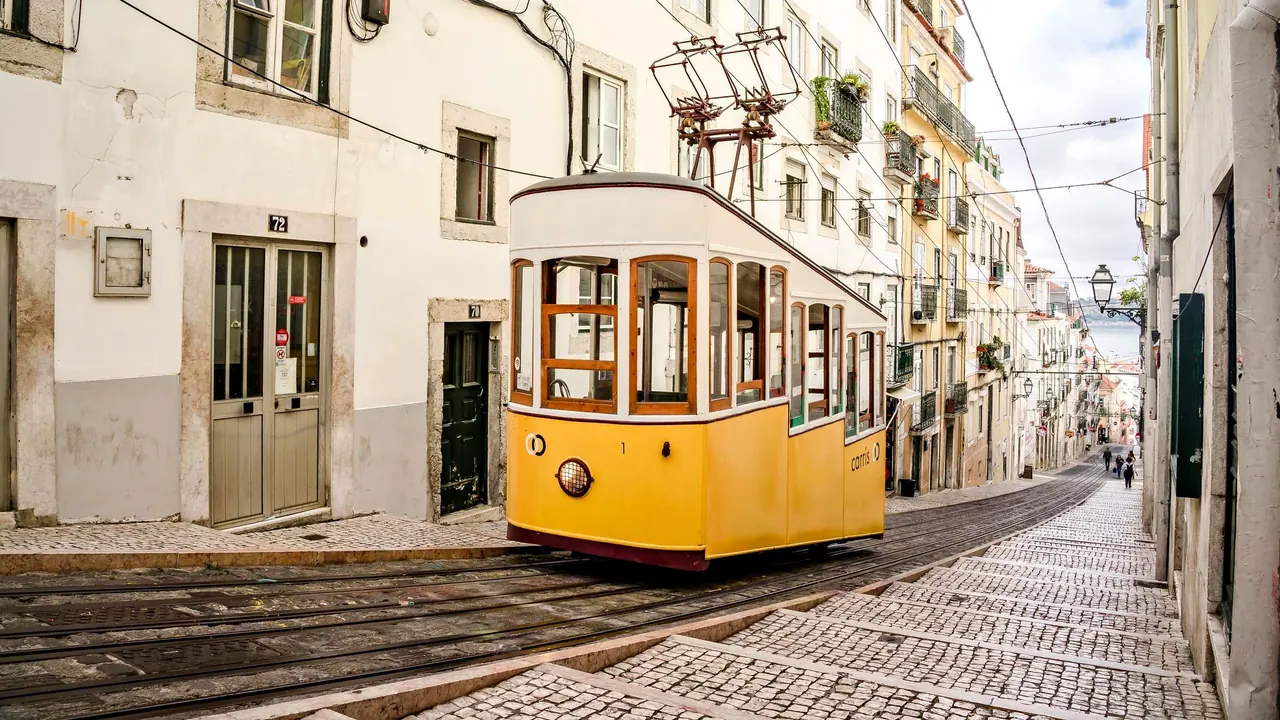
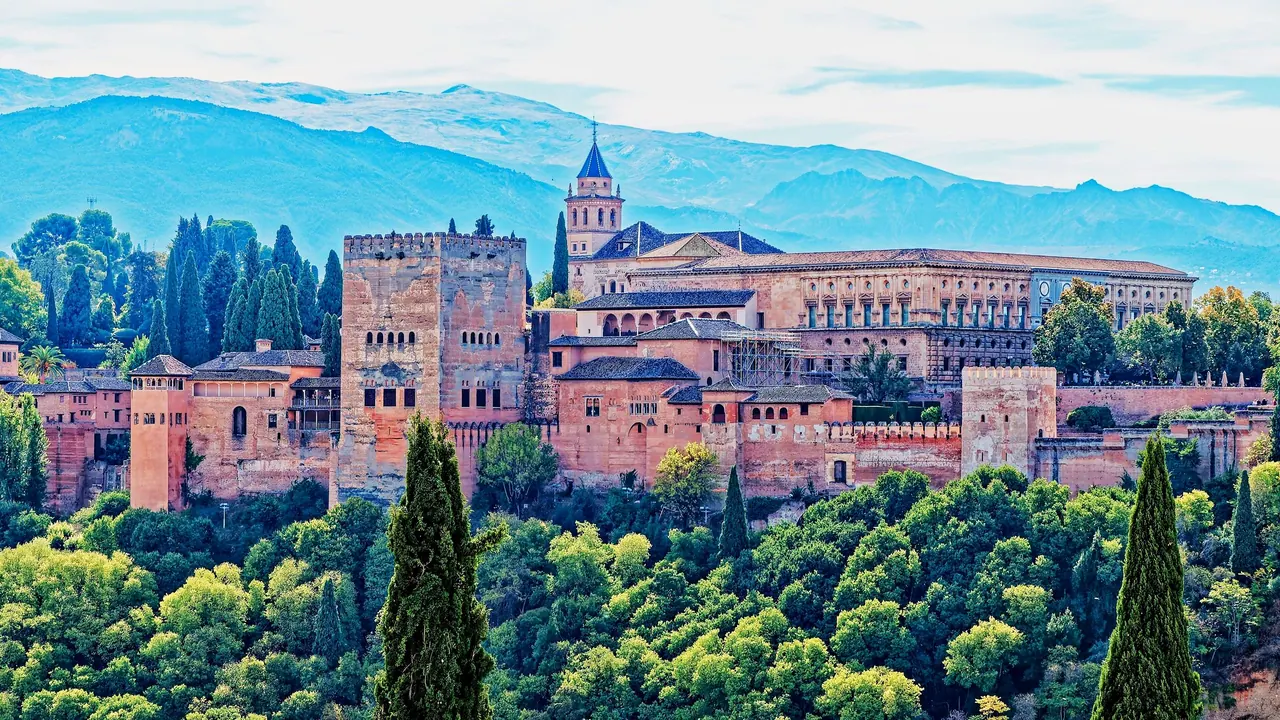
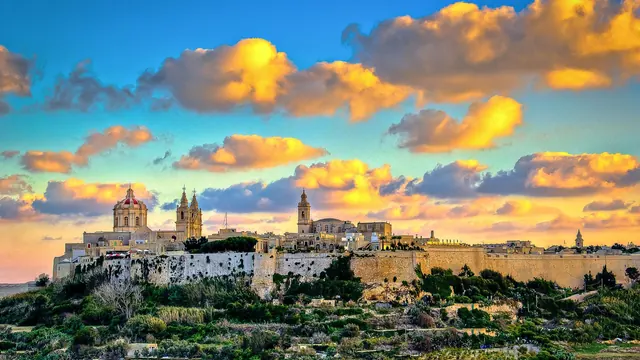
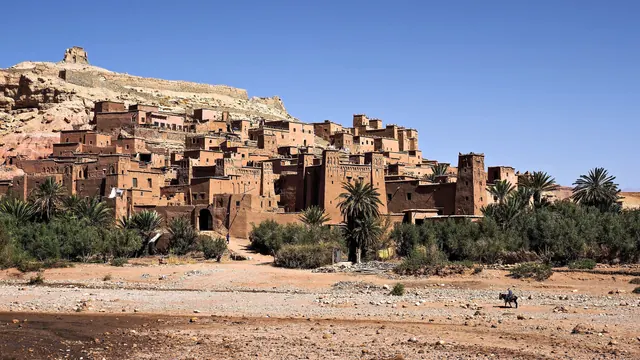
Photos: Portugal by Leonhard Niederwimmer, Pexels License; Spain by Holger Uwe Schmitt, CC BY-SA 4.0, cropped.
Portugal or Spain?
Our verdict in twelve categories, each scored against the same fixed benchmark cities, and the climate month by month, so you can choose for your trip.
Choose Portugal for
- prices
Portugal suits a slower, more affordable trip in a country you can cross by train in an afternoon. Lisbon and Porto between them carry the food, the fado and most of the sights, the Algarve gives a classic summer of cliffs, coves and pools, and Madeira and the Azores add green island walking that feels a long way from the mainland. Go there if you want good food and wine without fuss, rooms that cost less once you leave Lisbon and the summer coast, and a pace that winds down after dinner.
Choose Spain for
- nightlife
- live music and the arts
- shopping
Spain is the bigger and richer choice on almost every front. It has warmer Mediterranean water, a deeper food culture from the Basque Country to Andalusia, world-class museums and monuments, flamenco, and nights that run until morning. High-speed trains make it easy to combine two or three cities, which makes it the stronger pick for a first big trip, a group that wants to go out late, or anyone who wants a lot of variety in one journey.
Scoreboard
Twelve categories on one fixed scale from 0 to 100. The shaded stretch is the gap between the two.
Your match
Pick a travel style or drag the sliders, and both match scores follow your weighting.
Wins on prices with your weighting.
Wins on nightlife and live music and the arts with your weighting.
What matters to you?
Category by category
What the scores mean for a trip.
Beaches & swimming
Spain has the stronger beach offer. The Balearics give turquoise, pine-backed coves on Menorca and Mallorca and near-tropical white sand on Formentera, while the Costa Brava, the Valencian coast and the Costa Blanca add rocky inlets and long, easy beaches. The Mediterranean is noticeably warmer and the season runs longer, and the Canaries allow swimming all year. The price is crowding and heavy building on the famous costas in high summer.
Portugal's beach life rests mainly on the Algarve, with ochre cliffs, sea stacks and grottoes between Lagos and Albufeira, and quiet sand on the Ria Formosa islands reached by small ferries. The Atlantic is cooler, and north of Lisbon it suits surfing and walking more than swimming. The dune-backed beaches of the Alentejo coast are emptier than almost anything on Spain's Mediterranean shore.
Where in Portugal: Algarve, Ria Formosa islands, Alentejo coast, Porto Santo
Where in Spain: Balearic Islands, Costa Brava, Costa de la Luz, Canary Islands
Food & drink
Both countries eat well, but Spain goes further and has more variety. The Basque Country has the deepest scene, with pintxo bars and tasting-menu kitchens. Andalusia adds tapas eaten standing at the bar, Valencia has paella and Galicia its shellfish, and Rioja and Ribera del Duero have wine cellars to visit. You can plan a whole trip around eating, region by region.
Portuguese cooking is simpler and centred on the sea: grilled sardines, salt cod, clams and cataplana in Olhão. Pastry and coffee are excellent everywhere, and Porto's food is heartier. Its real strength is wine, with port and Douro reds, Alentejo reds and vinho verde. Outside Lisbon and Porto there is little foreign food.
Where in Portugal: Lisbon, Porto, Douro Valley, Alentejo
Where in Spain: Basque Country, Barcelona, Madrid, Andalusia
Culture & sights
Spain has more sights of world rank. The Alhambra, the Mosque-Cathedral of Córdoba, the Prado and the Sagrada Família are reason enough to travel, and Castile and León adds Salamanca, Segovia's aqueduct, walled Ávila and great Gothic cathedrals. You could follow Roman, Moorish, Gothic or modernist Spain for a fortnight.
Portugal's heritage is smaller in scale but closer together. You get the Manueline Jerónimos Monastery and Belém Tower, Sintra's palaces in wooded hills, Porto's tiled UNESCO centre, Coimbra's baroque library and Roman Évora. It is enough for two full weeks, but fewer sights match the best in Spain.
Where in Portugal: Lisbon, Porto, Sintra, Évora
Where in Spain: Andalusia, Madrid, Barcelona, Castile and Leon
Nightlife
The gap here is wide. In Spain, going out late is a national habit: dinner after ten, Madrid's Malasaña and La Latina busy until morning, Barcelona's beach clubs and electronic music, and Ibiza as one of the world's great club islands. Even small towns stay out on the plaza long after dark.
Portugal has two real centres for going out. In Lisbon, crowds drink in the streets of Bairro Alto and the bars of Cais do Sodré, and Porto has the bar streets behind the Clérigos tower. Albufeira and Lagos are busy in summer, but most of the country goes to bed after a long dinner.
Nature & outdoors
Both countries are excellent outdoors, but the scenery differs. Spain is the more mountainous, with Ordesa's canyons and trails above 3,000m in the Pyrenees, the Picos de Europa above the green northern coast, and the Sierra Nevada, which offers skiing in winter. The volcanic Canaries are good for winter walking.
Portugal's most dramatic nature is out in the Atlantic. Madeira has its levada paths and ridge hikes, and the Azores have crater lakes and whale watching. On the mainland there are the granite hills of Peneda-Gerês, the cliff path of the Rota Vicentina and serious surfing at Ericeira and Nazaré.
Where in Portugal: Madeira, Azores, Peneda-Gerês National Park, Rota Vicentina
Where in Spain: Pyrenees, Picos de Europa, Canary Islands, Sierra Nevada
Day trips
A day out in Portugal usually starts from Lisbon or Porto. From Lisbon, Sintra's palaces and the seaside at Cascais are each under an hour by train, walled Évora is about an hour and a half east, and a long day by car takes in Óbidos, Alcobaça, Batalha and Tomar. From Porto, Guimarães, Braga, Aveiro and Coimbra are all about an hour or less away, and the Douro line climbs to wine estates and river villages. The Algarve offers less, mainly Tavira, Silves and old Lagos between beach days, and the Alentejo hill towns of Monsaraz and Marvão need a car.
Spain has more bases, a longer list from each, and faster trains between them. High-speed trains reach Toledo and Segovia from Madrid in about half an hour, and Ávila, El Escorial, Salamanca and Cuenca are also easy. From Seville, Córdoba is under an hour away, and Jerez, Cádiz, Carmona and cliff-top Ronda all make easy day trips, while Barcelona reaches Girona, Montserrat, Roman Tarragona, the Dalí museum at Figueres and Sitges. Add Granada for the Alpujarras and Bilbao for San Sebastián and the Rioja wine towns, and you could stay in three cities without ever repeating a day out.
Good for families
For families, Portugal mostly means one coast, the eastern Algarve, where the beaches around Tavira and Monte Gordo shelve gently into warm, calm water and the resorts are built around pools. Lisbon's Oceanário and the flat riverside of Parque das Nações make an easy city day with a pushchair, and Coimbra has the miniature buildings of Portugal dos Pequenitos. Elsewhere, cobbled hills and the cold northern Atlantic make things harder.
Spain gives families far more choice of where to go. There are calm, shallow resort beaches on the Costa Dorada, the Costa Blanca and the Balearics, the PortAventura theme park near Salou, and the aquarium and science museum at Valencia's City of Arts and Sciences. The Canaries add water parks and mild winters. The catch is the inland summer heat in Andalusia and Madrid, which is hard on small children.
Where in Portugal: Algarve, Lisbon, Coimbra
Where in Spain: Costa Dorada, Valencia, Canary Islands, Balearic Islands
Getting around
Spain is much easier without a car. Its high-speed network links Madrid with Barcelona, Seville, Córdoba, Málaga, Valencia and the north, so you can tour several cities by train. You only need a car for the white villages, the Picos de Europa and rural Galicia.
Portugal has one good fast line, from Lisbon through Coimbra to Porto, and a slow railway along the Algarve. The Alentejo, the Douro estates, the Algarve coves and the islands all call for a hire car. Distances are short and the motorways are good.
Shopping & style
Spain is the better place to shop for clothes. Madrid's Salamanca district and Barcelona's Passeig de Gràcia have home-grown fashion and leather, the Rastro flea market fills La Latina on Sundays, and there are crafts such as Toledo metalwork, Andalusian ceramics and espadrilles.
Portugal is better for gifts than for fashion. Look for hand-painted tiles, tinned fish in handsome packaging, soaps and linen in Lisbon's Chiado, port bottled at the Gaia lodges, Caldas da Rainha ceramics and the Barcelos cockerel at its weekly market.
Where in Portugal: Lisbon, Porto, Caldas da Rainha, Barcelos
Affordability
Portugal is the cheaper country overall, though not everywhere. Lisbon and the Algarve in July and August cost what a popular Southern European destination usually does. Porto, Coimbra, the Alentejo and the Minho are clearly cheaper, and meals, wine and trains stay inexpensive throughout.
Spain can be cheap if you stay inland in Andalusia, Extremadura, Castile or Galicia, especially in Granada, where a tapa often comes free with each drink. Barcelona, San Sebastián, Marbella and Ibiza push costs up, and so do coastal rooms in high summer.
Where in Portugal: Porto, Alentejo, Coimbra, Minho
Where in Spain: Andalusia, Galicia, Castile and Leon, Extremadura
Live music & performing arts
Spain offers much more live performance. Flamenco ranges from neighbourhood peñas in Seville's Triana and in Jerez to the caves of Sacromonte and Madrid's tablaos. For formal performance there are the Teatro Real and Gran Vía musicals in Madrid, and the Liceu and Palau de la Música Catalana in Barcelona. In summer, plays are staged in Mérida's Roman theatre.
Portugal's equivalent is fado, sung in small, hushed rooms in Alfama and Mouraria and by cloaked students in Coimbra. Add the São Carlos opera house, the Gulbenkian concerts and Porto's Casa da Música, and the formal offer is complete. Outside those cities there is little.
Where in Portugal: Lisbon, Porto, Coimbra
Where in Spain: Seville, Madrid, Barcelona, Jerez de la Frontera
Wellness & relaxation
The two countries are level here, and in both a spa is something you add to a trip rather than the reason for it. Portugal's best bathing is volcanic, in the warm iron-red pools of Furnas in the Azores. The mainland has quiet, old-fashioned spa towns such as São Pedro do Sul and Luso, and the slow countryside of the Alentejo.
Spain's bathing is more often urban or outdoors by a river. You can bathe in Ourense's open-air hot springs along the Miño, or in the Arab-style baths of Granada, Córdoba and Seville. Large resort spas on Mallorca and the Canaries suit a more polished stay.
Where in Portugal: Azores, São Pedro do Sul, Alentejo, Monchique
Where in Spain: Ourense, Granada, Canary Islands, Mallorca
When should you go?
Pick your month, and for a country the place in it. The climate figures are measured averages, not a forecast.
Where in Portugal
Where in Spain
Lisbon (Portugal) in July
Barcelona (Spain) in July
Daytime high, °C
Rainfall in the month, mm
Temperature and rainfall are climate normals, averaged over the years shown. Lisbon (Portugal): 1991-2020 normals, Lisboa / Geof (1.1 km from centre). Barcelona (Spain): 1991-2020 normals, Barcelona / Aeropuerto (14.4 km from centre).
Both countries have dry summers and wet winters, but the details differ by region. In Portugal the Algarve is the beach region from June to September, with long dry, sunny days, though the sea only reaches about 20°C. Lisbon is pleasant for walking in spring and autumn, while Porto and the north turn wet from October, with around 181mm of rain in November. Madeira stays mild all year and suits walking in any month, though its winters bring rain too.
Spain's Mediterranean coast is warmer for swimming, with Barcelona's sea at about 25°C in August and warm enough from June into October. Inland, the south becomes too hot to walk the streets in high summer: Seville reaches 36°C in July and August, so Andalusia and Madrid are best in spring and autumn, and Madrid is chilly in midwinter. For winter sun the Canaries are the answer, with Tenerife at about 22°C in January and almost no summer rain. Bilbao and the green north stay mild but wet for much of the year.
Which traveller are you?
On a food and nightlife trip, Spain is the clear choice. It has pintxo bars in San Sebastian, tapas crawls in Madrid and Seville and sherry from Jerez, followed by bars at midnight and clubs that only fill after two. Portugal's nights end earlier outside Lisbon and Porto.
More comparisons
Each shares a side with Portugal or Spain.

Where else could you go?
Set Portugal or Spain against any other country.