Spain
Balearic Islands
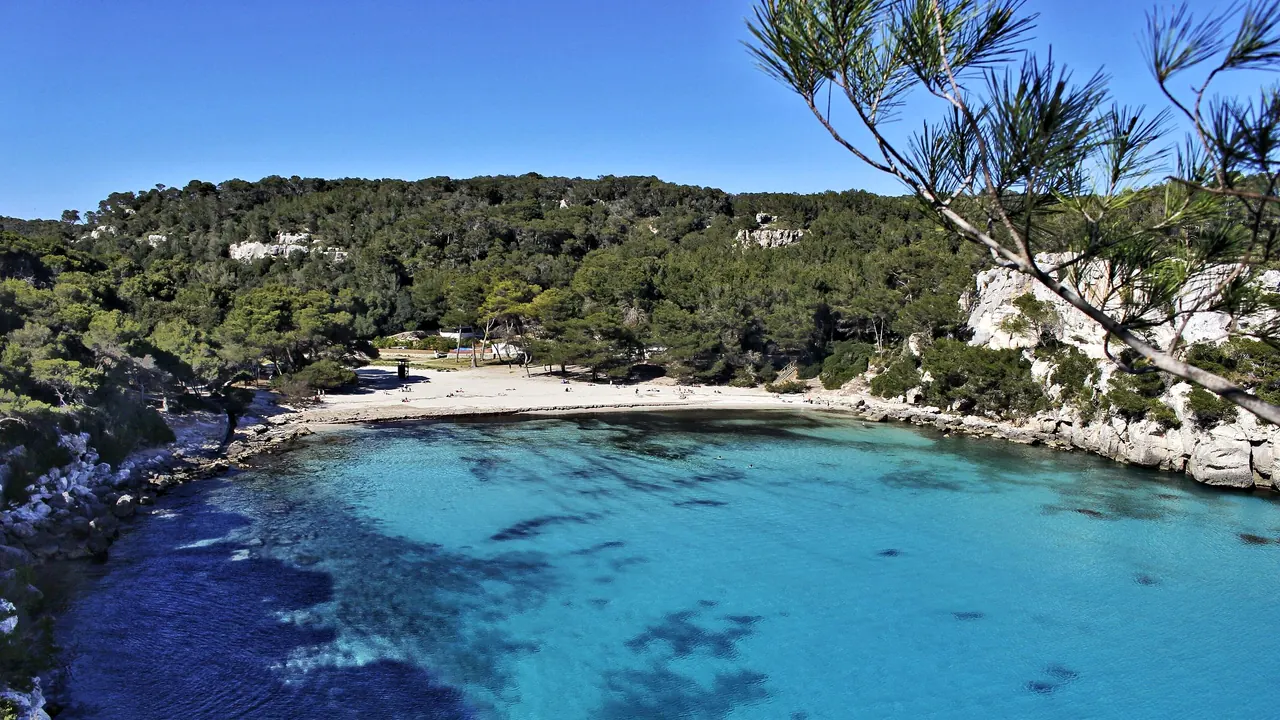
The cove of Cala Macarella on Menorca
- Nightlife95
- Beaches90
- Nature & outdoors80
Photo: Travelinho, CC BY-SA 3.0, cropped
Match
63
Every category weighted equally
- Beach & sun66
- Culture & arts57
- Food & nightlife61
- Family trip63
- Outdoors64
- Relax & unwind63
- Shopping & style60
- On a budget60
Balearic Islands in twelve categories
Our verdict on each, scored 0 to 100 against the same fixed benchmark cities, so a score means the same thing on every page.
Beaches & swimming. Scores 90 out of 100.
Food & drink. Scores 62 out of 100.
Culture & sights. Scores 60 out of 100.
Nightlife. Scores 95 out of 100.
Nature & outdoors. Scores 80 out of 100.
Day trips. Scores 58 out of 100.
Good for families. Scores 76 out of 100.
Getting around. Scores 50 out of 100.
Shopping & style. Scores 55 out of 100.
Affordability. Scores 36 out of 100.
Live music & performing arts. Scores 35 out of 100.
Wellness & relaxation. Scores 55 out of 100.
Balearic Islands category by category
Beaches & swimming
90The islands are built around the sea, and the range is unusually wide. Menorca's south coast has small pine-backed coves of white sand, such as Macarella and Turqueta, with water so clear the boats seem to float. Formentera's Ses Illetes is a long, narrow spit of pale sand between two shallow turquoise seas. Mallorca adds the long dune beach of Es Trenc, the family bays of Alcúdia and Pollença in the north, and rocky calas along the east coast. Ibiza has everything from busy party strands to quiet coves in the north.
The sea is warm enough to swim from June to October, reaching about 26°C in August, and it is clear almost everywhere. The best coves fill early in high summer, and many are reached on foot or by boat rather than by car. Spring and autumn are calmer and the water is still pleasant in September.
Food & drink
62Island cooking is rustic and rooted in pork, vegetables and fish: sobrasada sausage spread on bread, tumbet layered with aubergine and potato, arròs brut, and the flaky spiral ensaïmada eaten with coffee at breakfast. Menorca brings its lobster stew, the cheese of Mahón and a gin tradition left by the British. Mallorca grows its own wine around Binissalem and in the Pla, and its olive oil and almonds turn up everywhere.
Palma is where eating is best, with the Mercat de l'Olivar, tapas bars in the old town and Santa Catalina, and a fine-dining tier of real ambition. Village restaurants inland and harbour fish places reward the effort. The resort strips, by contrast, are full of indifferent international menus, so it pays to know where to look.
Culture & sights
60Palma holds most of what there is: the Gothic cathedral of La Seu rising from the sea wall, with Gaudí's interior work, the Almudaina palace beside it, the round Bellver Castle above the bay, and an old town of stone courtyards. The Miró foundation, set in the painter's studios, and the modern art museum in the old bastions add depth.
Elsewhere, Ibiza's walled Dalt Vila is a UNESCO-listed hilltop citadel, and Menorca is scattered with prehistoric talayots, taulas and the boat-shaped Naveta des Tudons, a landscape of Bronze Age stones found nowhere else. Valldemossa's monastery recalls Chopin's winter there. It adds up to a good spread for a beach region, but a few days covers the essentials.
Nightlife
95Ibiza is one of the defining places in the world for dance music. From late spring to early October its superclubs host the most famous DJs, with opening and closing parties that frame the season, and nights that run until well after sunrise. Playa d'en Bossa and the area around Sant Antoni are the centres, with the sunset bars of Sant Antoni's western shore a ritual of their own, and Ibiza Town's port and old quarter for bars before the clubs.
Mallorca adds a different range: Palma's Santa Catalina and La Lonja for cocktails and late bars, and the loud resort strips of Magaluf and the Playa de Palma for package crowds. Menorca and Formentera are quiet by comparison. Outside the season the clubs close and Ibiza goes almost silent.
Nature & outdoors
80Mallorca's Serra de Tramuntana is the centrepiece: a UNESCO-listed limestone range rising above 1,400m straight from the sea, with terraced olive groves, the dry-stone route of the GR221 between villages and the gorge of the Torrent de Pareis. Its winding roads, up to the Formentor lighthouse and the Sa Calobra hairpins, draw road cyclists from all over Europe in spring and autumn.
Menorca is a biosphere reserve ringed by the Camí de Cavalls, an old coastal bridle path around the whole island. Clear water over seagrass meadows makes for good snorkelling and diving, Cabrera's protected archipelago is reached by boat, and sailing and kayaking are excellent along every coast. High summer is hot for walking; spring and autumn are the seasons for the hills.
Day trips
58Mallorca gives the longest list of outings, and Palma makes a good base for them. The wooden train climbs through the mountains to Sóller, a town of orange groves and stone mansions, with a tram on to its port. Valldemossa and Deià are hill villages of honey-coloured stone, while the north has the medieval walls of Alcúdia and Pollença with its long flight of Calvary steps. Artà in the east is crowned by a fortified sanctuary, and the wine villages of the central plain around Binissalem suit a slower day with tastings.
From Ibiza, Formentera is a short ferry ride, and its small capital and quiet lanes make an easy day out. On Menorca, the two capitals are an hour apart across the island: Mahón on its deep natural harbour, Ciutadella with its old palaces and cathedral. Crossings between the larger islands are longer, so most visitors keep their outings to the island they stay on.
Good for families
76Mallorca is one of Europe's classic family destinations. The long, shallow sandy bays of Alcúdia, Muro and Pollença in the north are ideal for small children, and resort hotels there are built around kids' clubs and pools. Palma has a large aquarium, there are several water parks on the island, and the Caves of Drach near Porto Cristo, with their underground lake, are a favourite outing.
Menorca suits families who want a quieter stay, with calm coves and small towns. Spanish culture welcomes children at the table late into the evening. Families do best to avoid the party areas of Ibiza and Magaluf, and to plan beach days around the midday heat of July and August.
Getting around
50Palma's old town is compact and walkable, with city buses to the beaches along the bay. Beyond it, Mallorca has island-wide buses, a train to Inca and Manacor and the historic line to Sóller, but most visitors hire a car to reach coves, mountain villages and fincas. Roads are good, though the mountain routes are slow and narrow, and in July and August parking at popular beaches is difficult.
Ibiza, Menorca and Formentera are small enough to cross in under an hour by car, with buses that run mainly in summer; scooters and bikes are popular on Formentera. Moving between islands means a ferry or a short flight, so most people stay on one.
Shopping & style
55Palma is the shopping centre of the islands, with international fashion along the Passeig des Born and Avinguda Jaume III and smaller boutiques in the old town's lanes. Local crafts are the real interest: Mallorcan leather and shoes from the Inca area, Menorca's flat leather avarca sandals, Manacor's pearls, and the striped cloth of the robes de llengües.
Ibiza has its own style, with the white cotton Adlib fashion, boutiques in Ibiza Town and the hippy markets of Es Canar and Las Dalias, which sell clothes, jewellery and crafts. Village weekly markets across Mallorca are good for ceramics, baskets and local produce. Beyond that, resort shops lean towards souvenirs.
Affordability
36In the summer season the islands are expensive by Spanish standards. Ibiza and Formentera are among the costliest places in the Mediterranean for rooms, beach clubs and nights out, and Menorca's small hotels and villas are not cheap either. Mallorca gives the most room to choose: package resorts and apartments in the big bays are reasonably priced, and village restaurants inland serve fair set lunches. Car hire and ferries add up. Spring and autumn bring prices down noticeably while the weather stays good.
Live music & performing arts
35Palma's Teatre Principal stages opera and theatre, and the Balearic Symphony Orchestra performs through the winter season. Summer is the time for classical music in beautiful settings: the long-running festivals in Pollença's cloister, in Deià and in Valldemossa, where Chopin's music is played in the town where he wintered. Open-air concerts at castles and cloisters fill the calendar in July and August. Beyond Palma, live performance is occasional, and a visitor who cares mainly about the stage will find a modest offer.
Wellness & relaxation
55There is no thermal or bathing tradition here beyond a small spring spa in central Mallorca, so wellness comes from places to stay and the pace of life. Mallorca's agroturismos, stone farmhouses among almond and olive trees, and the luxury hotels of the Tramuntana villages offer spas and deep quiet. Northern Ibiza, far from the club towns, has a long-standing culture of yoga retreats, meditation and holistic therapies.
Menorca and Formentera are slow by nature, with siesta hours and little traffic. To unwind, pick an inland finca or a northern village and go in May, June or September, when the islands are warm but calmer.
Where to stay in Balearic Islands
Mallorca makes the natural first visit, and it offers the widest choice of bases. Palma suits travellers who want food, culture and late evenings, with a walkable old town, buses to the bay beaches and the train to Sóller for day trips. Families do best in the north around Alcúdia and Pollença, where the bays are long, shallow and sandy and resort pools fill the gaps between beach days. For walking, cycling or a quiet stay, a stone village in the Tramuntana such as Sóller or Deià, or an inland finca, works well, though you will need a car.
Ibiza divides sharply. Playa d'en Bossa and Sant Antoni are the bases for the clubs in season, and Ibiza Town keeps the old quarter and port bars close by. The north is calmer, with quiet coves and yoga retreats. Formentera, a short ferry ride away, suits slow beach days by bike or scooter. Menorca rewards a second visit or families who want calm: Ciutadella sits near the south-coast coves and has the older streets, while Mahón looks over its deep harbour.
Moving between the larger islands means a ferry or a flight, so most visitors keep to one island. Pairing Ibiza with Formentera is the easy exception.
When should you go?
Pick a month to see what it is like. The climate figures are measured averages, not a forecast.
Balearic Islands in July
Daytime high, °C
Rainfall in the month, mm
The whole year
Shaded against this destination’s own year: the deepest cell is its best month for that figure and the palest its weakest.
Temperature and rainfall are climate normals, averaged over the years shown. Balearic Islands: 1991-2020 normals, Palma De Mallorca / Son San Juan (0.3 km from centre).
Before you go
| Measure | Balearic Islands |
|---|---|
| Official language | Spanish |
| Currency | Euro (EUR) |
| Sockets | CF230 V, 50 Hz |
| Driving side | Right |
| Time zone | UTC+1, UTC+2 in summer |
| Emergency number | 112 |
| Main airport | Palma de Mallorca Airport (PMI)201 non-stop destinations |
| Public holidays this year | 13 days |
By the numbers
| Measure | Balearic Islands |
|---|---|
| Population | 1,221,403 |
| People per km² | 245 |
| Swim season, months above 21 °C | 5 months |
Compare Balearic Islands with
Every comparison with a written verdict behind it.