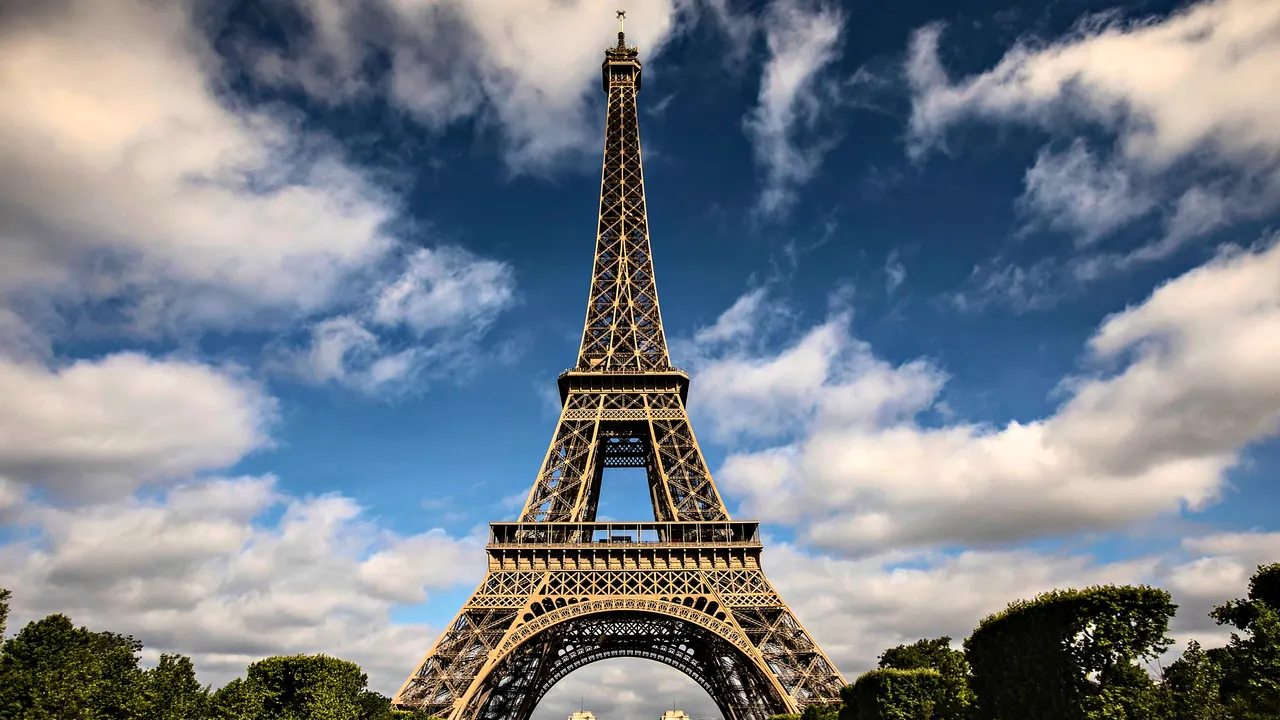
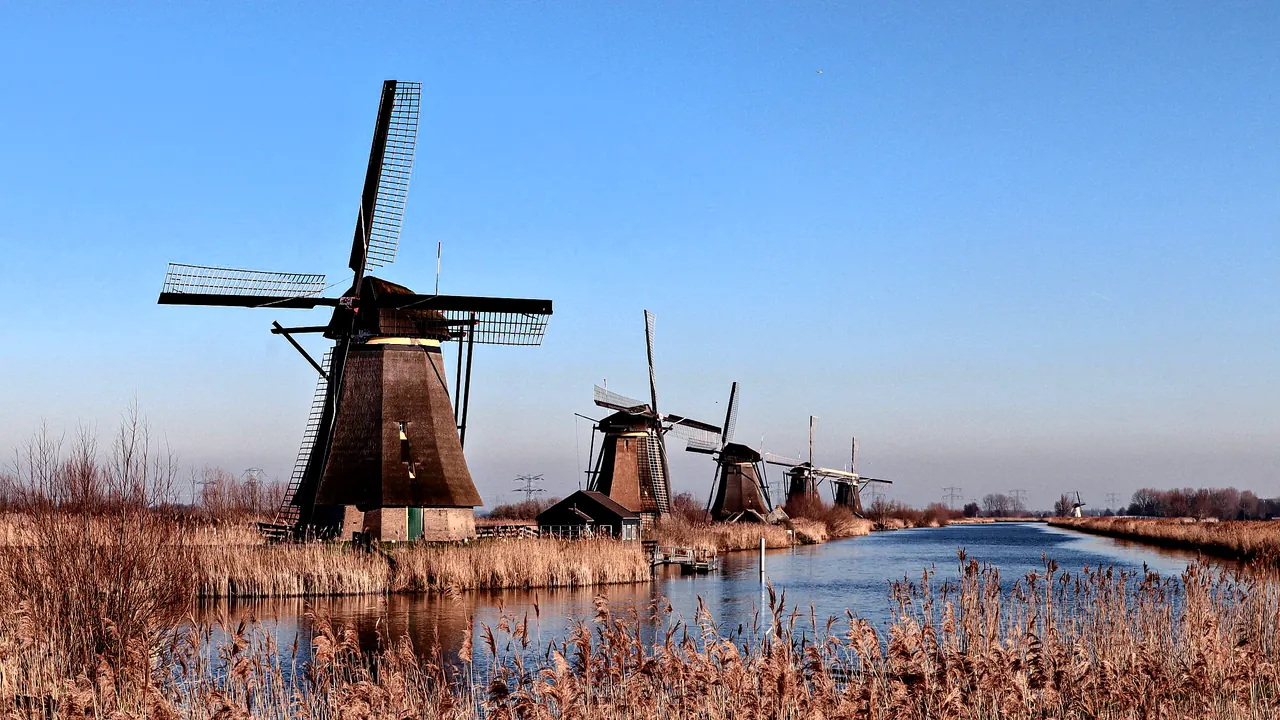
Photos: France by Stephen Leonardi, Pexels License; Netherlands by Quinten Sluis, Pexels License.
France or Netherlands?
Our verdict in twelve categories, each scored against the same fixed benchmark cities, and the climate month by month, so you can choose for your trip.
Choose France for
- beaches
- food and drink
- nature and the outdoors
France suits a longer, broader trip where the setting changes as you go: a warm Mediterranean beach in Corsica or on the Riviera, serious regional cooking and wine, Alpine or Pyrenean walking, and heritage from Roman Provence to the Loire châteaux. The cost is distance and planning. Its best places are spread out, and the countryside is far easier with a car.
Choose Netherlands for
- getting around
The Netherlands is the better pick for a compact trip built around paintings, canals and the bicycle. Amsterdam, Haarlem, Leiden, Delft and The Hague sit so close together that one base and a train card cover a week, and the Rijksmuseum, Mauritshuis and Kröller-Müller make a superb art trail. Don't come for swimming or food. Come for Golden Age towns and travel that takes no effort.
Scoreboard
Twelve categories on one fixed scale from 0 to 100. The shaded stretch is the gap between the two.
Your match
Pick a travel style or drag the sliders, and both match scores follow your weighting.
Wins on beaches and food and drink with your weighting.
Wins on getting around with your weighting.
What matters to you?
Category by category
What the scores mean for a trip.
Beaches & swimming
For a swimming vacation there is no contest. France has the Mediterranean: the pale-sand bays of Corsica around Porto-Vecchio and Bonifacio, the warm but often pebbly Côte d'Azur, and the long flat sand of the Languedoc. The Atlantic adds big surf beaches and dunes on the Basque coast and in the Landes.
The Netherlands has one continuous sandy shore backed by dunes, wide and clean, but the North Sea stays cool and windy and the season is short. Zeeland and the Wadden Islands are lovely for walks and sea air, and Scheveningen and Zandvoort are a tram or train ride from the cities, but swims there are brief.
Where in France: Corsica, Côte d'Azur, Languedoc coast, Basque coast
Where in Netherlands: Zeeland coast, Wadden Islands, Scheveningen, Zandvoort
Food & drink
France is a country people travel to just to eat, and the quality doesn't depend on one city. Lyon's bouchons, the wine cooking of Burgundy and Bordeaux, Basque pintxos and Breton oysters each make a trip of their own, and every town has its covered market and a good bakery.
Dutch food is plainer: herring from a street stand, aged Gouda, bitterballen in a brown café, and the Indonesian rijsttafel as the most distinctive meal out. Amsterdam and Rotterdam's Markthal give range, and Maastricht has a richer table, but outside the cities food is rarely the point.
Where in France: Paris, Lyon, Burgundy, Basque Country
Where in Netherlands: Amsterdam, Rotterdam, Maastricht, Utrecht
Culture & sights
Both are excellent for art, but France has far more breadth. Paris alone, with the Louvre, the Orsay and the Sainte-Chapelle, would fill a trip, and then come the Loire châteaux, the Gothic cathedrals of Chartres and Reims, Roman Provence, and Mont-Saint-Michel and the D-Day beaches in Normandy.
The Netherlands is narrower but deep where it counts: Rembrandt in the Rijksmuseum, Vermeer in the Mauritshuis, and Van Gogh in Amsterdam and at the Kröller-Müller in the Hoge Veluwe. Its heritage lies in Golden Age towns such as Delft, Haarlem and Leiden, close enough together to see several in a few days, though there is nothing ancient.
Where in France: Paris, Loire Valley, Provence, Normandy
Where in Netherlands: Amsterdam, The Hague, Delft, Hoge Veluwe
Nightlife
After dark the two are evenly matched, and both centre on the capital. Paris has more of everything, from Oberkampf and Pigalle to the canal and the late clubs of the east. Lyon, Bordeaux and Montpellier give student-city nights, and the Riviera adds pricey summer clubs.
The Dutch night is more compact and sometimes runs later: brown cafés and all-night electronic clubs in Amsterdam, clubs in old port buildings in Rotterdam, and bars with no fixed closing time in Groningen. In both countries small towns go quiet early, with a long terrace dinner in France and a café drink in the Netherlands.
Where in France: Paris, Lyon, Bordeaux, Montpellier
Where in Netherlands: Amsterdam, Rotterdam, Groningen, Utrecht
Nature & outdoors
France has real mountains, and the Netherlands has none. Mont Blanc above Chamonix, the wilder Pyrenees around Gavarnie, Corsica's tough long-distance trail, the Verdon gorge and the Calanques near Marseille offer hiking, climbing, skiing and canyoning on a scale a flat country cannot match.
The Dutch outdoors is gentle and open: cycling along dikes past windmills, the bulb fields between Haarlem and Leiden in spring, deer and wild boar in the Hoge Veluwe, and guided mudflat walks across the Wadden Sea with seals on the sandbanks.
Where in France: French Alps, Pyrenees, Corsica, Provence
Where in Netherlands: Wadden Sea, Hoge Veluwe National Park, Friesland lakes, Zuid-Kennemerland dunes
Day trips
Both countries reward staying in one base and taking days out, and France offers the grander outings. From Paris you can reach Versailles, Fontainebleau, Giverny and the champagne houses of Reims. Avignon reaches the Pont du Gard and the Luberon villages, and from Nice you can take in Èze, Antibes and Monaco along the coast.
Dutch outings are smaller but closer together. From Amsterdam, Haarlem, Leiden and Delft are all within an hour, as are the cheese towns of Alkmaar and Gouda and the windmills of the Zaanse Schans. Maastricht makes a separate southern base for Limburg, Liège and Aachen.
Where in France: Paris, Provence, Côte d'Azur, Alsace
Where in Netherlands: Amsterdam, Utrecht, Rotterdam, Maastricht
Good for families
France has the edge for a family summer. Disneyland Paris, Parc Astérix, Puy du Fou in the Vendée and the Futuroscope are big days out, and castles and cave paintings make history easy to bring to life. The real strength is a long seaside stay, with gentle sand in the Vendée and the Landes, warm Mediterranean water on the Languedoc coast, and campsites with pools and children's clubs behind them, though roads and resorts are crowded in July and August.
The Netherlands is easier from day to day, with safe streets, short train rides and families cycling everywhere. Efteling in North Brabant, Madurodam in The Hague, NEMO in Amsterdam and Burgers' Zoo near Arnhem fill the days, but the North Sea is chilly for children and rainy days call for indoor plans.
Where in France: Paris, Vendée, Loire Valley, Languedoc
Where in Netherlands: North Brabant, Amsterdam, The Hague, Arnhem
Getting around
Here the Netherlands is the easier country. The Randstad works almost as one city, with frequent intercity trains linking Amsterdam, Rotterdam, The Hague and Utrecht, and one card covers every train, tram and bus. The flat, compact centres are made for walking or cycling, and you never need a car.
France's high-speed lines make travel between cities quick, with Lyon and Bordeaux about two hours from Paris. Crossing the country without going through Paris often means changing trains, though, and the hill villages, wine estates and most of Corsica need a car, with tolls and heavy summer traffic on the roads south.
Where in France: Paris, Lyon, Strasbourg, Bordeaux
Where in Netherlands: Randstad, Amsterdam, Utrecht, Rotterdam
Shopping & style
France gives you much more to shop for. Paris has the couture houses of Avenue Montaigne, the department stores on Boulevard Haussmann and the vast flea market at Saint-Ouen. The regions add Provençal markets, the antiques dealers of L'Isle-sur-la-Sorgue, Laguiole knives, and wine and cheese bought from the producer.
Dutch shopping is tidy and design-led: small boutiques in Amsterdam's Nine Streets, De Bijenkorf on Dam Square, Maastricht's elegant high street, and Delft blue, market cheese and tulip bulbs to take home. It is pleasant, but rarely a reason for the trip.
Where in France: Paris, Provence, Lyon, Brittany
Where in Netherlands: Amsterdam, Maastricht, Utrecht, Rotterdam
Affordability
Neither country is cheap, but France leaves more room to save. Paris, the Riviera and the ski resorts are costly, yet the Languedoc, the gîtes of the Dordogne, Brittany and the Auvergne are much easier on the budget, and set lunches and market food are good value everywhere.
In the Netherlands, eating out, drinks and museum entry are high across the whole country. Sleeping in Haarlem, Utrecht or Rotterdam rather than Amsterdam helps, and Groningen is the cheapest large city, though it is far from the main sights. Short distances keep Dutch train costs down, while French tolls and long rail journeys add up.
Where in France: Languedoc, Dordogne, Brittany, Auvergne
Where in Netherlands: Groningen, Rotterdam, Utrecht, Haarlem
Live music & performing arts
France has the bigger stage. Paris alone has two opera houses, the Philharmonie and the Comédie-Française, and Lyon, Bordeaux and Toulouse run full opera and ballet seasons. In summer there is theatre at the Avignon festival, opera in Aix-en-Provence and open-air opera in the Roman theatre at Orange.
The Netherlands is smaller but strong in music and dance. It has the Concertgebouw and its orchestra, Nederlands Dans Theater in The Hague, the North Sea Jazz Festival in Rotterdam and Utrecht's early music festival. Most theatre is in Dutch, so visitors do better with concerts and dance.
Where in France: Paris, Avignon, Aix-en-Provence, Lyon
Where in Netherlands: Amsterdam, The Hague, Rotterdam, Utrecht
Wellness & relaxation
France has the deeper tradition of taking the waters. There are belle-époque spa towns at Vichy, Évian and Aix-les-Bains, Pyrenean hot springs at Cauterets and Luchon, and seawater thalassotherapy at Quiberon and Biarritz, though much of it is medical.
The Dutch version is the modern sauna complex on the edge of town, a whole day of saunas, steam rooms and outdoor pools, with nudity the norm. Valkenburg adds a thermal spa. For pure quiet, the largely car-free Wadden islands do what a Provençal farmhouse does in France.
Where in France: Auvergne, French Alps, Pyrenees, Brittany
Where in Netherlands: Valkenburg, Wadden Islands, Zeeland, Friesland
When should you go?
Pick your month, and for a country the place in it. The climate figures are measured averages, not a forecast.
Where in France
Paris (France) in July
Amsterdam (Netherlands) in July
Daytime high, °C
Rainfall in the month, mm
Where the figures come from
Amsterdam (Netherlands) has no rain gauge within 25 km of the centre, so its rainfall comes from a gridded climate dataset read at the destination rather than from a gauge further away.
Amsterdam (Netherlands)'s sunshine is measured 35 km from the centre, at De Bilt.
Temperature and rainfall are climate normals, averaged over the years shown. Paris (France): 1991-2020 (sunshine 1961-1990) normals, Paris-Montsouris (4.6 km from centre). Amsterdam (Netherlands): 1991-2020 normals, Amsterdam Airport Schiphol (12 km from centre).
France has several climates. On the Côte d'Azur, Nice reaches 28°C in July and August and the sea warms to 25°C in August, so the Mediterranean is good for swimming from June into early October, before the rain sets in from September and peaks at about 138mm in November. Paris, Lyon and Bordeaux are best for walking the streets in May, June and September, as Lyon can feel hot in high summer. Chamonix suits mountain walking in summer, and Brittany stays mild and fresh, with a sea that remains cool even in August.
The Netherlands is cooler and greyer through the year. Amsterdam barely passes 22°C even in July, the sea there peaks at 19°C in August, and rain is heaviest from late summer through December. April and May are the driest and among the brightest months, which suits cycling and city walks. In winter both Paris and Amsterdam are cold and dull, while Nice keeps far more sunshine.
Which traveller are you?
On a beach and sun trip, France is the clear choice. The Mediterranean is swimmable from June to early October, Corsica has pale sand on turquoise water and the Languedoc has long flat beaches. The Dutch North Sea is better for bracing walks than for swimming.
More comparisons
Each shares a side with France or Netherlands.
 Belgium vs France
 Belgium vs Netherlands
 Denmark vs Netherlands
 England vs France
 France vs Germany
 France vs Greece
 France vs Italy
 France vs Morocco
 France vs Portugal
 France vs Spain
 France vs Switzerland
 Monaco vs France
 Netherlands vs Finland
- Netherlands vs Germany
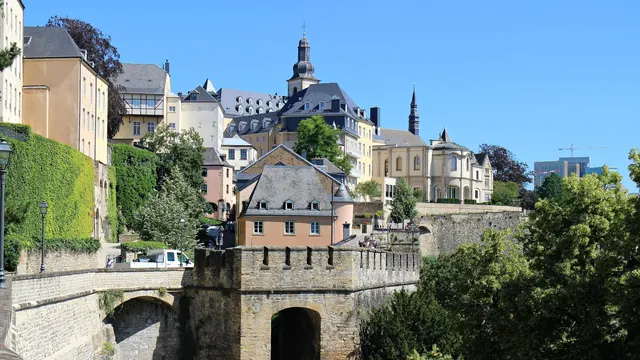 Netherlands vs Luxembourg
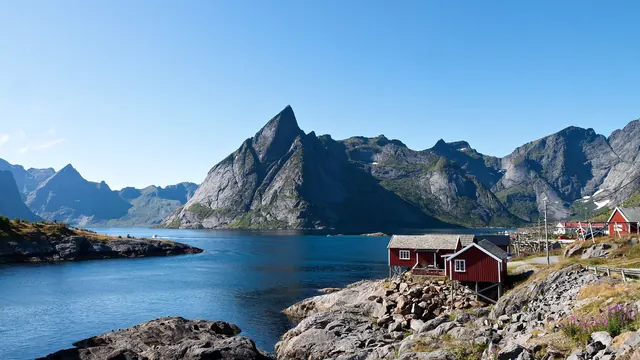 Netherlands vs Norway
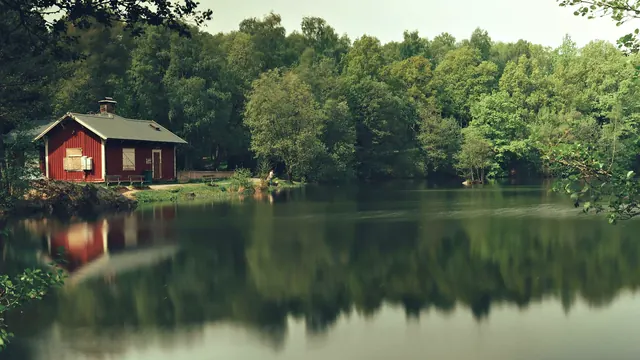 Netherlands vs Sweden
Where else could you go?
Set France or Netherlands against any other country.