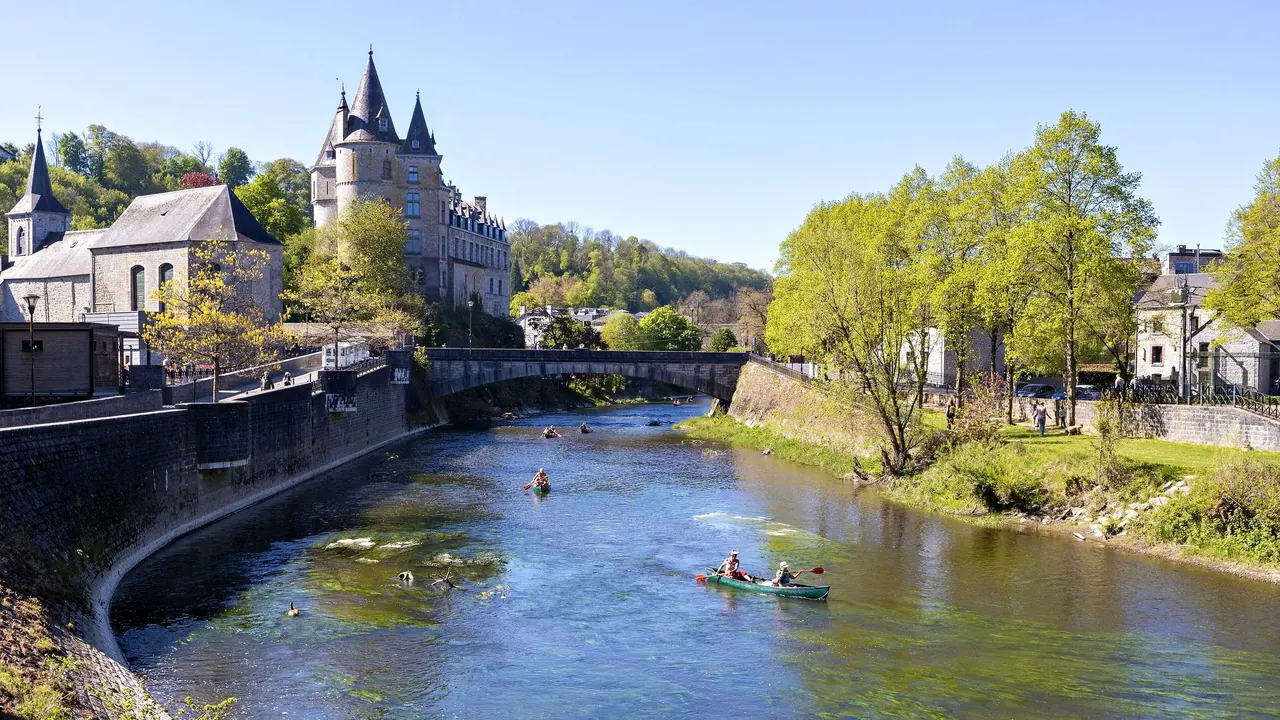
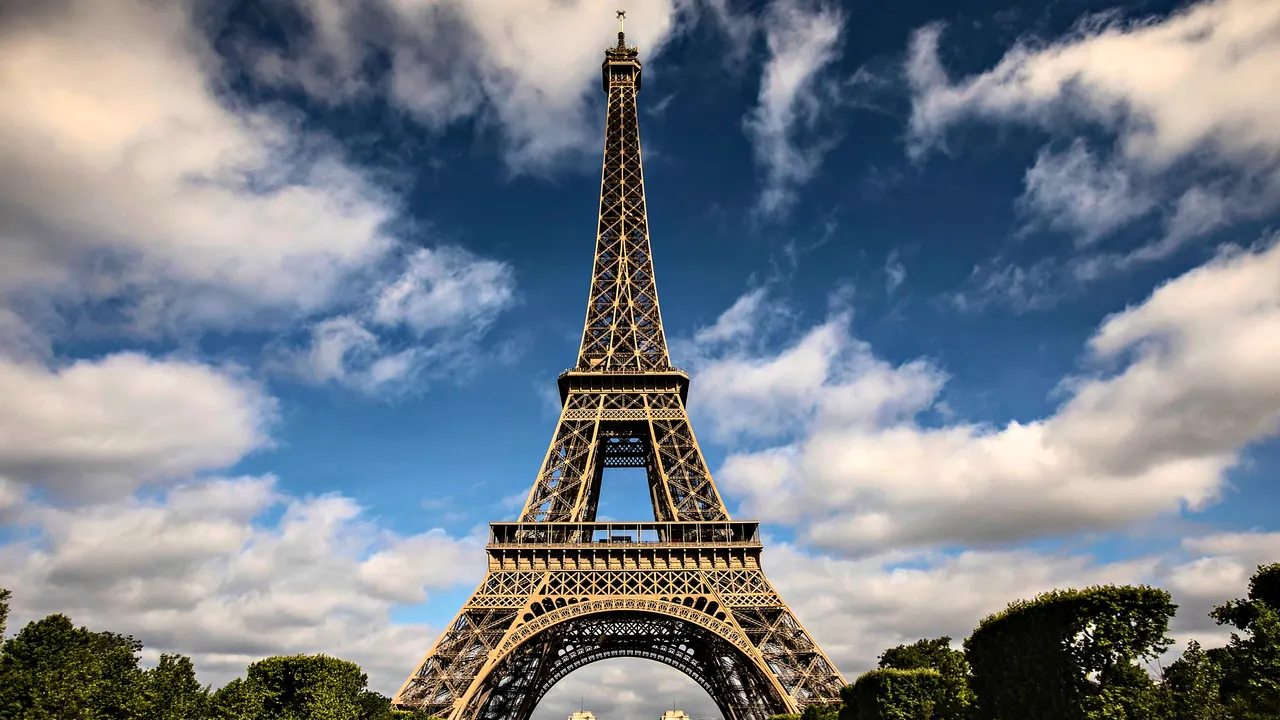
Photos: Belgium by JackyM59, CC BY-SA 4.0, cropped; France by Stephen Leonardi, Pexels License.
Belgium or France?
Our verdict in twelve categories, each scored against the same fixed benchmark cities, and the climate month by month, so you can choose for your trip.
Choose Belgium for
Belgium does not lead in any category we score.
Belgium suits a compact trip built on historic cities, art and beer. Brussels, Bruges, Ghent and Antwerp sit so close together that a week by train takes in Flemish painting, Gothic belfries and the First World War memorials around Ypres without long transfers, and the beer cafés give every evening a focus. It works best for a long weekend or a focused week where seeing a lot with little travel matters more than sun.
Choose France for
- beaches
- nature and the outdoors
- wellness
France is the stronger choice for almost any longer or more varied vacation. On top of Paris, it adds what Belgium lacks: warm Mediterranean beaches, the Alps and Pyrenees, regional cooking with wine, and summer festivals of real stature. It takes more planning and more travel between regions, and it repays both.
Scoreboard
Twelve categories on one fixed scale from 0 to 100. The shaded stretch is the gap between the two.
Your match
Pick a travel style or drag the sliders, and both match scores follow your weighting.
Has no clear advantage with the weighting you have chosen.
Wins on beaches and nature and the outdoors with your weighting.
What matters to you?
Category by category
What the scores mean for a trip.
Beaches & swimming
Belgium has a single run of North Sea sand from Knokke-Heist to De Panne, linked by the coast tram, with beach cabins, the belle époque villas of De Haan and wild dunes at De Panne. The water rarely gets above 18°C and the tide goes far out, so this is a seaside outing rather than a swimming trip.
France has the warm Mediterranean: pale sand and turquoise water around Porto-Vecchio and Bonifacio on Corsica, the long sandy Languedoc shore, and the Côte d'Azur, which is partly pebble and crowded in high summer. The Basque coast and the Landes add Atlantic surf and huge dunes, a kind of beach Belgium doesn't have at all.
Where in Belgium: De Haan, Knokke-Heist, De Panne, Ostend
Where in France: Corsica, Côte d'Azur, Languedoc coast, Basque coast
Food & drink
Belgian cooking is rich and reliable, and its beer culture is something France does not match: Trappist ales, the lambics and gueuzes of the Senne valley, and cafés with lists running to hundreds of bottles. Add mussels and frites, Flemish beef stew, Ghent's waterzooi and the chocolatiers of Brussels and Bruges, and a short trip eats very well.
France goes deeper and wider. Each region cooks differently, from Lyon's bouchons to Basque pintxos, Alsatian winstubs and Breton oysters, and wine runs through the whole trip, with cellars to visit in Burgundy, Champagne and the Loire. The weekly market and the corner bakery mean you eat well even without planning.
Culture & sights
Belgium keeps its heritage close together: the Grand-Place and Horta's Art Nouveau houses in Brussels, the canals and Flemish masters of Bruges, the Ghent Altarpiece, Rubens in Antwerp and the war cemeteries of Flanders Fields, all within a short train ride of each other.
France has more of everything, spread over a much bigger map. Paris alone holds the Louvre, the Orsay and the Sainte-Chapelle. Beyond it lie the Loire châteaux, the Roman arenas and Pont du Gard in Provence, and Mont-Saint-Michel, the Bayeux Tapestry and the D-Day beaches in Normandy. You could spend several trips on it.
Where in Belgium: Bruges, Ghent, Brussels, Antwerp
Where in France: Paris, Loire Valley, Provence, Normandy
Nightlife
Belgian evenings revolve around the wood-panelled beer café. Brussels adds bars around Saint-Géry and late weekend clubs, Antwerp has its electronic scene, and term time fills Ghent's Overpoort and Leuven's Oude Markt with students. Bruges goes quiet after dinner.
France has the bigger night out, largely because of Paris, where Oberkampf, Pigalle and the canal offer far more late bars and clubs than any Belgian city. Lyon, Bordeaux and Montpellier have student-city nights, and the Riviera has glamorous summer clubs, though French villages are as quiet by midnight as Bruges.
Where in Belgium: Brussels, Antwerp, Ghent, Leuven
Where in France: Paris, Lyon, Bordeaux, Montpellier
Nature & outdoors
Belgium's outdoors is gentle and lies mostly in the south: the forested Ardennes valleys of the Semois, Ourthe and Lesse for kayaking and waymarked walks, the boardwalks across the Hautes Fagnes bog, and the birdlife of the Zwin salt marsh on the coast.
France has real mountains and much wilder country: Mont Blanc above Chamonix, the cirque of Gavarnie in the Pyrenees, the Verdon gorge and the Calanques in Provence, and Corsica's mountain trails. It suits a trip built around hiking, climbing, skiing or long cycling climbs such as Mont Ventoux, which Belgium can't offer.
Where in Belgium: Ardennes, Hautes Fagnes, Semois valley, Zwin
Where in France: French Alps, Pyrenees, Corsica, Provence
Day trips
Both countries are excellent for days out, but they work differently. In Belgium almost any city is a day trip from any other: Ghent and Antwerp are under an hour from Brussels, Namur and Dinant sit on the Meuse, and Lille, Maastricht and Aachen are just over the border.
France works region by region. From Paris you can reach Versailles, Giverny and Reims, from Avignon the Pont du Gard and the Luberon villages, and from Nice Èze, Menton and Monaco. Each base opens up a different landscape, but moving between bases is a journey rather than a hop.
Good for families
Belgium is easy with children because nothing is far away. The Atomium and the dinosaur hall in Brussels, Pairi Daiza, Antwerp Zoo, and the shallow beaches and Plopsaland at De Panne will fill a week comfortably. The frequent grey weather is the main drawback.
France has more of the big attractions: Disneyland Paris, Parc Astérix, Puy du Fou in the Vendée and the Futuroscope. It also has the classic warm summer by the sea, in the Vendée or the Languedoc, with campsites, pools and children's clubs. The cost is crowded roads and resorts in July and August.
Where in Belgium: Brussels, Belgian coast, Antwerp, Ardennes
Where in France: Paris, Vendée, Loire Valley, Languedoc
Getting around
Belgium is small enough that the train does nearly all the work. Frequent services link Brussels, Ghent, Bruges, Antwerp, Leuven and Liège, the old centres are best seen on foot, Brussels has a metro, and trams cross Antwerp and Ghent and run the whole length of the coast. A car is only really useful in the thinly served Ardennes, and the congested motorways around Brussels and Antwerp are a good reason to leave it behind in the north.
France is just as easy by rail if the trip follows the high-speed lines that fan out from Paris, reaching Lyon, Bordeaux and Strasbourg in about two hours and Marseille in about three. Most cities at the end of those lines have their own trams or metro. The countryside is different: Provençal hill villages, Dordogne farmhouses, wine estates and most of Corsica really need a car, and the roads south are heavy with traffic on summer weekends.
Where in Belgium: Brussels, Ghent, Antwerp, Bruges
Where in France: Paris, Lyon, Strasbourg, Bordeaux
Shopping & style
Belgium has good shopping in Antwerp's fashion boutiques around the Kammenstraat and its diamond quarter, and in Brussels at the Galeries Royales Saint-Hubert and the Jeu de Balle flea market in the Marolles. Chocolate, Bruges lace, comic albums and Trappist beer are the things to take home.
France offers more at both ends of the market. Paris has the couture houses of Avenue Montaigne, the department stores on Boulevard Haussmann and the huge Saint-Ouen flea market. Then come the Provençal markets of Aix and the Luberon, the antiques dealers of L'Isle-sur-la-Sorgue, and wine and cheese bought straight from the producer.
Affordability
Neither country is cheap, and the costly spots are similar: Bruges in summer and sit-down dinners in Belgium, Paris and the Riviera in France. In Belgium you save through cheap trains, inexpensive beer and weekend hotel rooms in Brussels, and Liège and Namur cost less again.
In France the savings are in the countryside: gîtes in the Dordogne, campsites and moderate hotels in the Languedoc, Brittany and the Auvergne, and set lunch menus everywhere. Long train journeys and motorway tolls add up on a trip that covers a lot of ground.
Live music & performing arts
Belgium has a strong stage life spread across its cities: La Monnaie, Bozar and Flagey in Brussels, Opera Ballet Flanders in Antwerp and Ghent, and the finals of the Queen Elisabeth Competition each spring. In summer there are Rock Werchter and the ten days of the Ghent Festivities.
France has more depth and bigger set pieces. Paris has two opera houses, the Philharmonie and the Comédie-Française. In summer, the Avignon theatre festival, the opera festival at Aix-en-Provence and open-air opera in the Roman theatre at Orange are worth planning a whole trip around.
Where in Belgium: Brussels, Antwerp, Ghent, Bruges
Where in France: Paris, Avignon, Aix-en-Provence, Lyon
Wellness & relaxation
Belgium gave the world the word spa, and the thermal baths above the town of Spa and the warm springs at Chaudfontaine are worth a day, as are the large sauna complexes of Flanders. Beyond those, relaxing mostly means a slow evening in Bruges once the day visitors have gone.
France has a whole thermal tradition to choose from: Vichy in the Auvergne, Évian and Aix-les-Bains in the Alps, the mountain spa towns of the Pyrenees, and thalassotherapy on the Breton coast at Quiberon and Saint-Malo. A slow week in a Provençal farmhouse is another kind of rest that Belgium offers less of.
Where in Belgium: Spa, Chaudfontaine, Ardennes, Bruges
Where in France: Auvergne, French Alps, Pyrenees, Brittany
When should you go?
Pick your month, and for a country the place in it. The climate figures are measured averages, not a forecast.
Where in France
Brussels (Belgium) in July
Paris (France) in July
Daytime high, °C
Rainfall in the month, mm
Temperature and rainfall are climate normals, averaged over the years shown. Brussels (Belgium): 1991-2020 normals, Uccle (5.2 km from centre). Paris (France): 1991-2020 (sunshine 1961-1990) normals, Paris-Montsouris (4.6 km from centre).
Belgium is best from May to September. Even at its peak Brussels is mild rather than warm, about 23°C in July and August, which suits long days of walking between cities but rarely tempts anyone into the North Sea. Rain falls all year, with the wettest spells in late summer and December. Winter is dark and grey, fine for museums and beer cafés but not for the coast.
France offers a longer season. Around Nice the Riviera is warm enough to swim from June to September, with the sea reaching 25°C in August and almost no summer rain, and then it turns wet in October and November. Paris, Lyon and Bordeaux are best for walking in May, June and September, because Lyon and Bordeaux climb to about 28°C in high summer. Brittany stays cooler all year and its sea never gets above 18°C. Chamonix is wet in every month, so June to September, the warmest stretch, is the time for mountain walking.
Which traveller are you?
On a beach and sun trip, France is the clear choice. Corsica's sandy bays, the Languedoc shore and the Côte d'Azur have warm water all summer, while Belgium's North Sea coast is grey, tidal and too cool for more than a quick swim.
For an outdoors trip, go to France. The Alps around Mont Blanc, the Pyrenees, the Verdon gorge and Corsica's trails offer real hiking, climbing and skiing. Belgium's Ardennes give gentle river kayaking and woodland walks rather than adventure.
More comparisons
Each shares a side with Belgium or France.
Where else could you go?
Set Belgium or France against any other country.