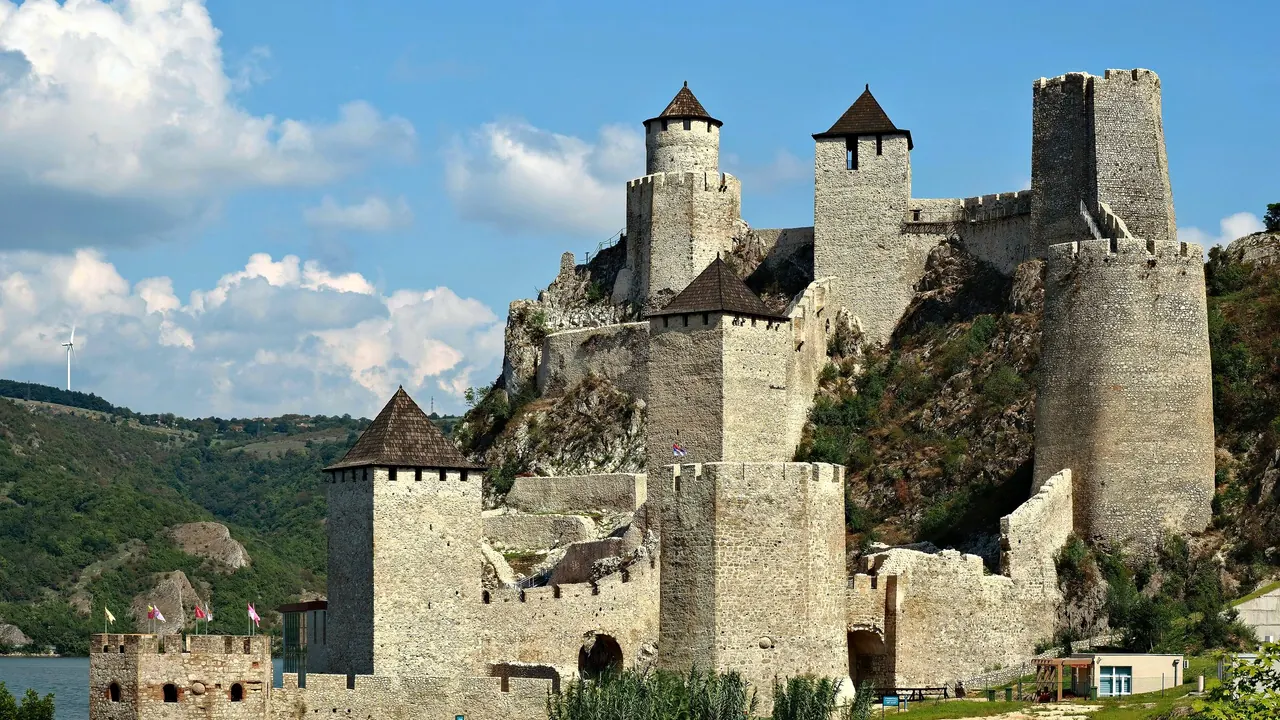
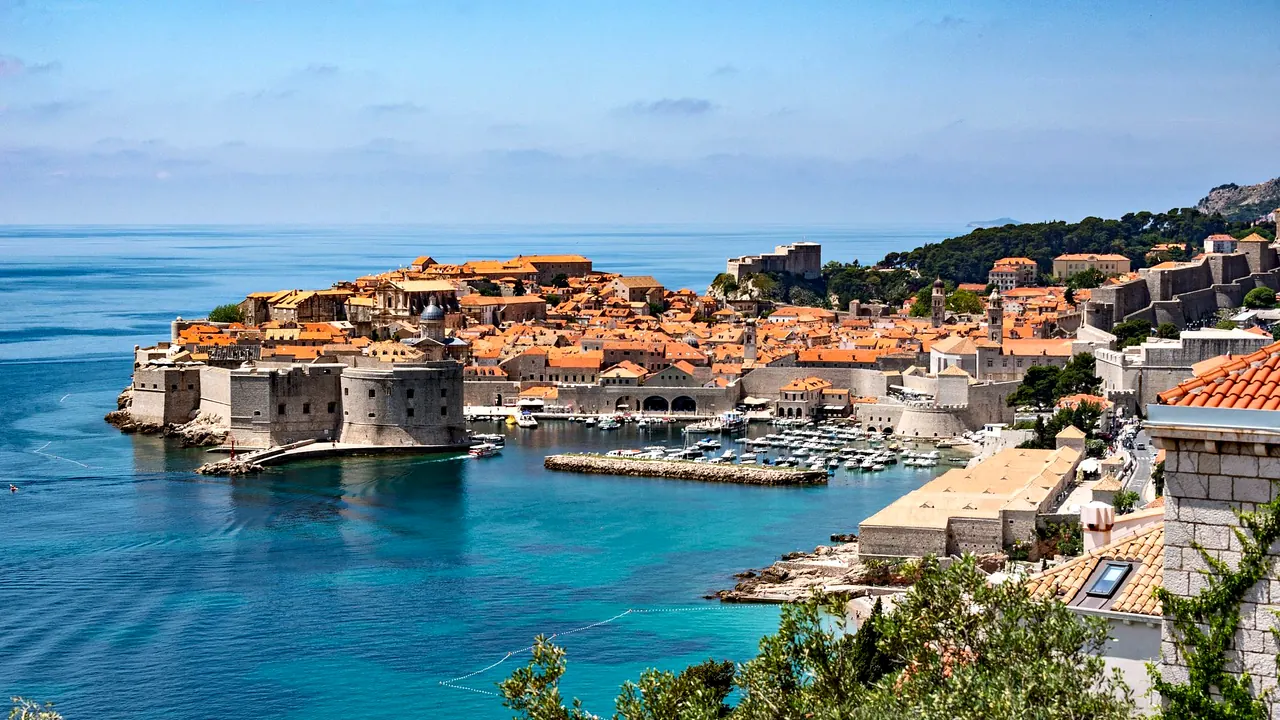
Photos: Serbia by Petar Milošević, CC BY-SA 4.0, cropped; Croatia by Diego F. Parra, Pexels License.
Serbia or Croatia?
Our verdict in twelve categories, each scored against the same fixed benchmark cities, and the climate month by month, so you can choose for your trip.
Choose Serbia for
- prices
- nightlife
- live music and the arts
Serbia suits a traveller who wants a cheap, unhurried trip with a late-night city at its heart. Belgrade is the place for nights out in any season, and long kafana meals with grills and rakija become part of the day rather than a break from it. Away from the capital the trip turns slow and rural: frescoed monasteries in the south-west, the Roman palace at Gamzigrad, forest walks in Tara and quiet stays in spa towns such as Vrnjačka Banja. Your money goes a long way almost everywhere. There is no sea, though, and the scattered sights are easier with a car and some patience.
Choose Croatia for
- beaches
- families
- day trips
For a summer vacation built around the Adriatic, Croatia is the clear pick. It has clear water, islands linked by ferry and walled stone towns such as Dubrovnik and Split. Families, sailors and anyone who wants a beach every day will find far more here, and the boat trips and coastal towns make it easy to fill a week or two. Expect to pay more for it, especially in high summer.
Scoreboard
Twelve categories on one fixed scale from 0 to 100. The shaded stretch is the gap between the two.
Your match
Pick a travel style or drag the sliders, and both match scores follow your weighting.
Wins on prices and nightlife with your weighting.
Wins on beaches and families with your weighting.
What matters to you?
Category by category
What the scores mean for a trip.
Beaches & swimming
This is the widest gap between the two. Croatia's whole coast is built for swimming. The Adriatic is clear and warm from June, and the choice runs from the coves of Hvar and Vis to Lopud's sandy Šunj bay and the pine-shaded rocks of Istria. Most of it is pebble or flat rock, so pack water shoes.
Serbia has no sea at all. Ada Ciganlija in Belgrade and Srebrno jezero near the Danube are good for a swim on a hot July day, but they are places to cool off, not to plan a beach vacation around.
Where in Serbia: Belgrade (Ada Ciganlija), Srebrno jezero
Where in Croatia: Central Dalmatian islands, Makarska Riviera, Elaphiti Islands, Istria
Food & drink
The two eat about equally well, but very differently. Serbia cooks over the grill: ćevapi, pljeskavica, kajmak and ajvar in long-running kafanas, with plum rakija at every meal and wine from the Fruška Gora hills. Meals are generous, but the menu can feel samey after a week, and vegetarians struggle outside Belgrade.
Croatian food changes from region to region. Istria has truffles, olive oil and Malvazija wine, the Dalmatian konobas serve grilled fish and peka, and Ston adds oysters. The weak spot is the tourist menus in the busiest old towns.
Where in Serbia: Belgrade, Novi Sad and Fruška Gora, Niš, Sremski Karlovci
Where in Croatia: Istria, Pelješac and Ston, Zagreb, Central Dalmatian islands
Culture & sights
Croatia comes out ahead because its heritage is easy to reach. Dubrovnik's walls, Diocletian's palace in Split, Trogir, Šibenik and the amphitheatre at Pula lie in a chain along the coast, and you can see most of it on foot from a few bases.
Serbia's best sights are in the countryside. The frescoes at Studenica and Sopoćani, the imperial palace at Felix Romuliana and Lepenski Vir in the Iron Gates are rewarding but far apart, and you need a car to reach them. Belgrade's Kalemegdan and museums fill two or three days.
Where in Serbia: Belgrade, Studenica and Raška monasteries, Novi Sad and Petrovaradin, Subotica
Where in Croatia: Dubrovnik, Split, Istria, Šibenik and Trogir
Nightlife
Belgrade gives Serbia the edge, mainly because it goes out all year round. In summer the splavovi moored on the Sava and Danube play until dawn, and in winter the crowds move into the bars of Dorćol and Savamala. Novi Sad adds a student bar scene.
Croatia's nights out depend on the season. Zrće on Pag and Hvar town are lively in July and August, and Split's palace lanes fill up, but most of the coast goes quiet once summer ends. Zagreb's Tkalčićeva is the year-round option.
Where in Serbia: Belgrade, Novi Sad, Niš
Nature & outdoors
Croatia has the more striking landscapes, and most of its scenery is on or near the water. You can sail among more than a thousand islands, kayak off Dubrovnik and walk the boardwalks over Plitvice's terraced lakes. The Velebit range and Biokovo rise straight from the coast for climbing and hiking.
Serbia's outdoors is quieter. It is wooded, rolling country rather than high peaks: forest trails in Tara, griffon vultures over the Uvac meanders and the Danube cliffs of the Iron Gates. It also has the winter skiing at Kopaonik and Zlatibor.
Where in Serbia: Tara National Park and the Drina, Uvac canyon, Đerdap National Park (Iron Gates), Kopaonik and Zlatibor
Where in Croatia: Plitvice Lakes, Kornati and the Dalmatian islands, Velebit and Paklenica, Krka
Day trips
Croatia gives you more to do from wherever you stay, much of it by boat. Split has ferries to Hvar and Brač, Dubrovnik is close to Korčula, Ston and the Elaphiti Islands, and Istria's hill towns such as Motovun lie close together among the vineyards.
Serbia's day trips start from Belgrade and Novi Sad, which are linked by a fast train. From there you can reach Petrovaradin, the Smederevo fortress, the mosaics at Oplenac, the Fruška Gora monasteries and Subotica's Art Nouveau streets. These are good outings, but there are fewer of them and they are more spread out.
Where in Serbia: Novi Sad, Sremski Karlovci and Fruška Gora, Subotica and Palić, Smederevo and Golubac
Good for families
Croatia is clearly easier with children. The tideless sea, the gently shelving beaches at Makarska, and the campsites and resorts in Istria and Kvarner with pools and play areas make for a relaxed beach vacation. Plitvice and the island boat trips break up the days.
Serbia welcomes children warmly in kafanas and on the street late into the evening, but has little built for them. Zlatibor's gondola and adventure park and the Belgrade zoo help, while long drives and uneven old pavements make the rest of the country harder going with small children.
Where in Serbia: Zlatibor, Belgrade, Kopaonik
Where in Croatia: Istria, Kvarner, Makarska Riviera, Plitvice Lakes
Getting around
Croatia is somewhat easier to travel through. The old towns are compact and largely car-free, and a motorway, frequent coaches and ferries link them, with Split as a convenient hub. Many visitors fly into one end of the coast and out of the other.
In Serbia, the fast rail line between Belgrade, Novi Sad and Subotica works well. Away from that line you rely on intercity buses or a car on slow, winding roads to the monasteries, Tara and the Iron Gates.
Where in Serbia: Belgrade, Novi Sad, Subotica
Shopping & style
Neither is a shopping destination, and in both the best buys are food and crafts rather than fashion. In Serbia, the markets at Kalenić and Zeleni venac sell kajmak, honey and rakija, and Pirot kilims and Zlakusa pottery are the crafts to look for.
Croatia has more to take home: Istrian olive oil and truffles, Pag lace and cheese, and Hvar lavender. Split's Pazar market and Zagreb's Dolac and its design boutiques give a little more choice.
Where in Serbia: Belgrade, Pirot
Affordability
Serbia is clearly the cheaper of the two. Even in Belgrade, kafana meals, local beer and taxis are good value, and Niš, Novi Sad, the spa towns and Zlatibor are cheaper still. Only Kopaonik in the ski season charges something close to other European resorts.
Croatia costs about the same as southern Europe, and the Dalmatian coast in July and August is the most expensive part. Dubrovnik and Hvar town cost the most. To save money, go in June or September, or stay in Zagreb, Zadar or Istria's inland farm stays.
Where in Serbia: Niš, Novi Sad, Vrnjačka Banja, Zlatibor
Live music & performing arts
The two are broadly level, but the season differs. Serbia's stage is in Belgrade all year, with the National Theatre, the Philharmonic and the BITEF festival in autumn. Its most memorable music is informal: tamburica in the kafanas and the brass bands of the Guča trumpet festival.
Croatia's best performances are in summer, in remarkable settings: the Dubrovnik Summer Festival, opera in Diocletian's palace and concerts in Pula's amphitheatre. Dalmatia also has klapa singing.
Where in Serbia: Belgrade, Guča, Novi Sad
Wellness & relaxation
Rest in Serbia means mineral springs, and in Croatia mostly the sea. Serbia has dozens of banje: Vrnjačka Banja with its long park and old villas, quieter Sokobanja with its Ottoman hammam, and Banja Koviljača near the Drina. Many of them lean towards medical treatment rather than leisurely bathing.
Croatia's thermal towns in Zagorje are practical places with mineral pools. Its calmer side is on the coast: the Habsburg-era promenade at Opatija, and Lošinj, Vis or Mljet outside high summer, when the busiest stretches of coast are anything but restful.
Where in Serbia: Vrnjačka Banja, Sokobanja, Banja Koviljača, Zlatibor
Where in Croatia: Opatija, Lošinj, Zagorje, Vis
When should you go?
Pick your month, and for a country the place in it. The climate figures are measured averages, not a forecast.
Where in Croatia
Belgrade (Serbia) in July
Split (Croatia) in July
Daytime high, °C
Rainfall in the month, mm
Temperature and rainfall are climate normals, averaged over the years shown. Belgrade (Serbia): 1991-2020 normals, Beograd (2.1 km from centre). Split (Croatia): 1991-2020 (sunshine 1971-2000, rainfall 1981-2010) normals, Split / Marjan (0.9 km from centre).
Serbia is inland, so the season is about walking and city life rather than the sea. Belgrade is pleasant from late April to early October, with May and September the most comfortable for sightseeing. July and August reach about 30°C, which is fine for Ada Ciganlija and the river clubs but tiring on hot streets, and June is the wettest month at around 95mm. Winters are cold and grey, which leaves the ski slopes at Kopaonik and Zlatibor as the main reason to go then.
Croatia's coast has the longer warm season. In Split the sea is warm enough to swim from June to September, peaking at about 25°C in August. July and August bring 31°C days and the most sunshine. Istria is a few degrees cooler and suits families who find the far south too hot. Autumn rain comes in on the coast from October, with Split near 100mm in November. Zagreb has much the same continental climate as Belgrade, so the two capitals are at their best in the same months.
Which traveller are you?
On a trip on a tight budget, Serbia stretches the money much further. Kafana lunches, street grills, taxis and rooms in Novi Sad, Niš or the spa towns all cost little. Croatia's coast is priced like southern Europe in summer.
On a family trip with children, Croatia is the easier choice. The sea is calm and has no tides, Istria and Kvarner have resorts set up for children, and the beaches at Makarska shelve gently. In Serbia there is little built for children outside Zlatibor, and the drives are long.
More comparisons
Each shares a side with Serbia or Croatia.
 Albania vs Croatia
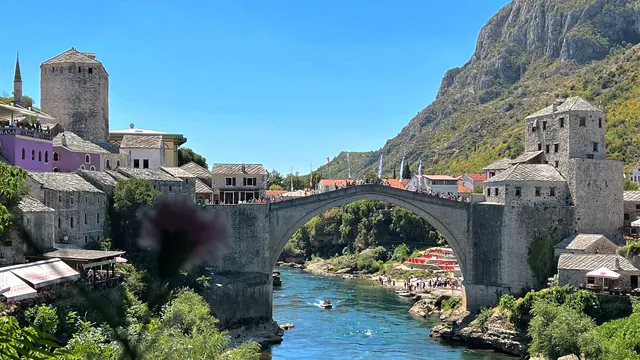 Bosnia and Herzegovina vs Croatia
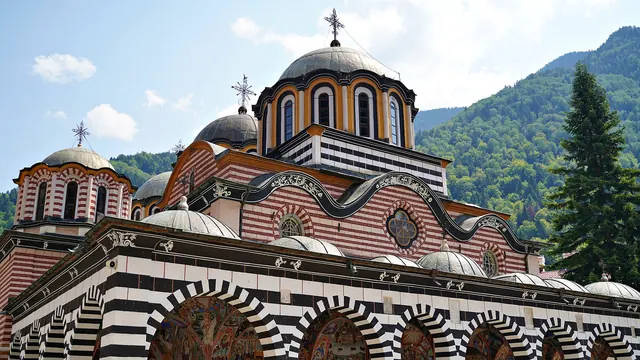 Bulgaria vs Croatia
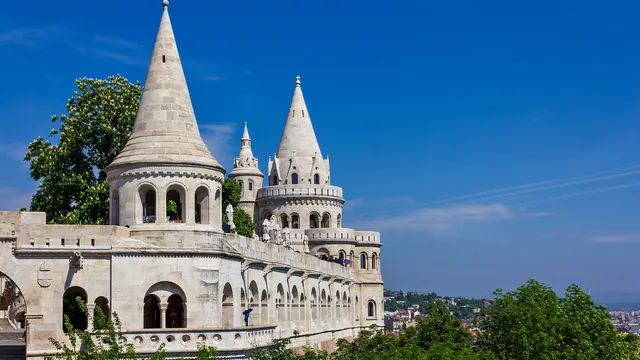 Croatia vs Budapest
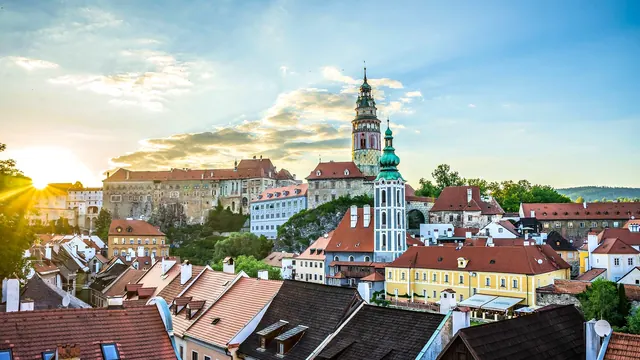 Croatia vs Czechia
 Croatia vs Greece
 Croatia vs Hungary
 Croatia vs Italy
 Croatia vs Portugal
 Croatia vs Prague
 Croatia vs Slovakia
 Croatia vs Slovenia
 Croatia vs Türkiye
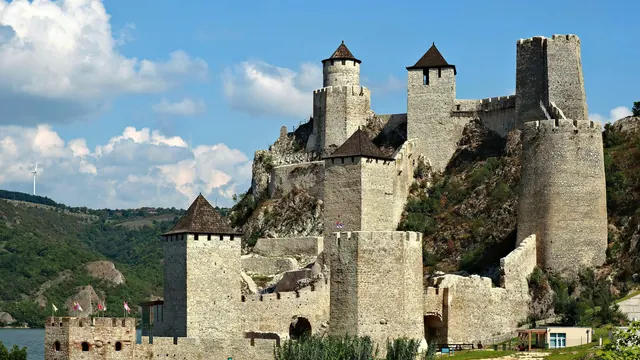 Kosovo vs Serbia
 Malta vs Croatia
 Montenegro vs Croatia
- Serbia vs Bosnia and Herzegovina
- Serbia vs Hungary
- Serbia vs Montenegro
Where else could you go?
Set Serbia or Croatia against any other country.