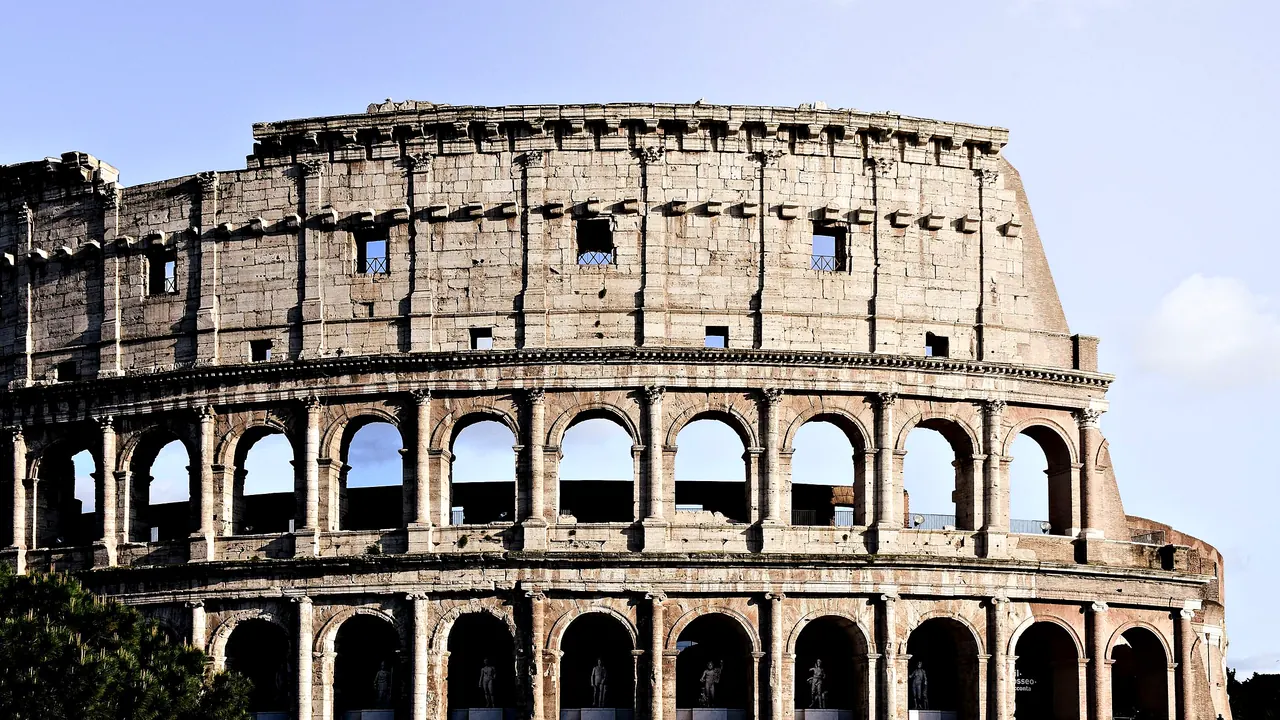
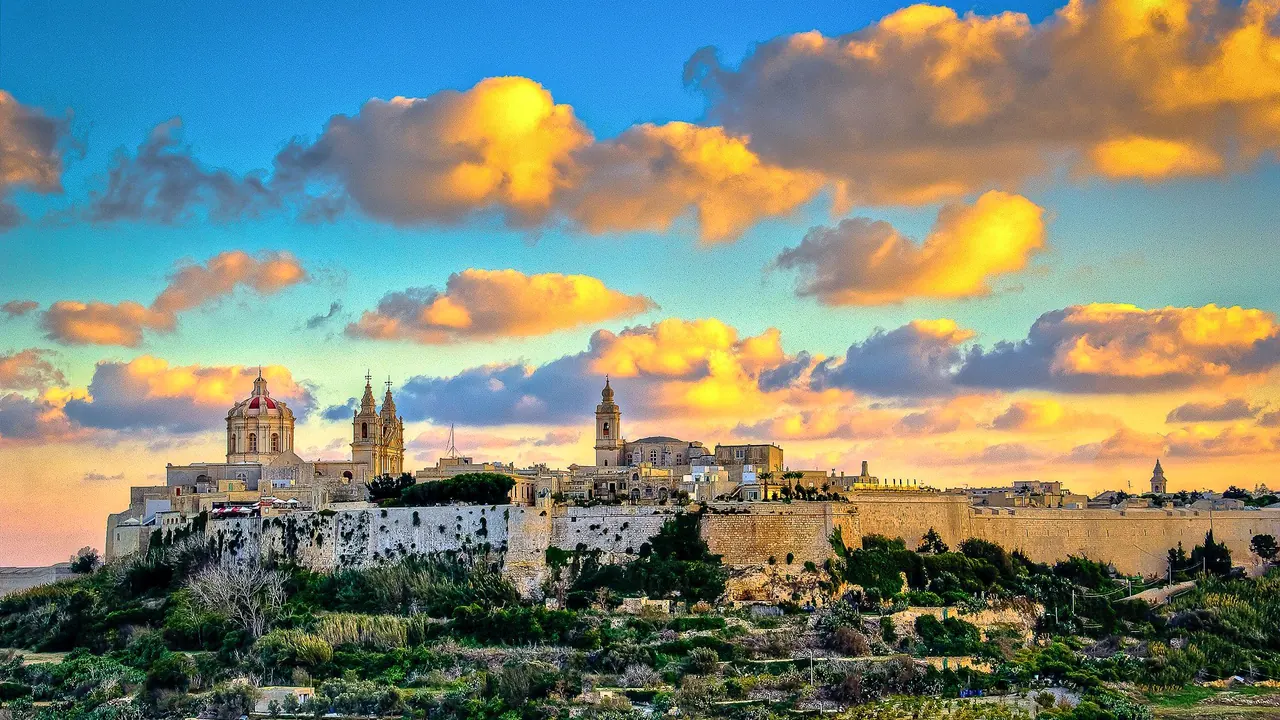
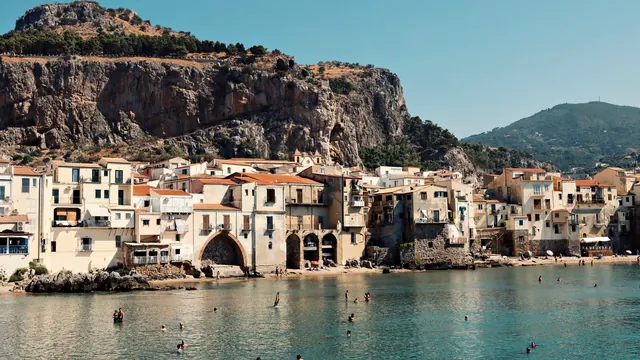
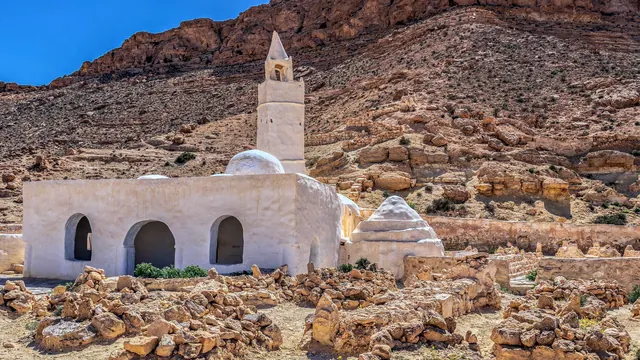
Photos: Italy by AXP Photography, Pexels License; Malta by Nsm Photography, CC BY 3.0, cropped.
Italy or Malta?
Our verdict in twelve categories, each scored against the same fixed benchmark cities, and the climate month by month, so you can choose for your trip.
Choose Italy for
- wellness
- day trips
- shopping
Italy is the choice for a trip with range: Renaissance Florence, ancient Rome, a week of slow eating in Emilia-Romagna, a spell in the Dolomites or on Ischia's thermal terraces, all joined by fast trains. It suits travellers who want great art, serious food and mountains or lakes, and who are happy to move between places to get them.
Choose Malta for
- prices
Malta works the other way round. It is a compact pair of islands where you unpack once, speak English everywhere and reach Valletta's bastions, the prehistoric temples and a different swimming spot each day in short hops. Pick it for a sunny, contained week of history, rock swimming and diving, especially outside high summer, rather than for the breadth of a long tour.
Scoreboard
Twelve categories on one fixed scale from 0 to 100. The shaded stretch is the gap between the two.
Your match
Pick a travel style or drag the sliders, and both match scores follow your weighting.
Wins on wellness and day trips with your weighting.
Wins on prices with your weighting.
What matters to you?
Category by category
What the scores mean for a trip.
Beaches & swimming
Italy has more and better beaches: the white sand and turquoise coves of Sardinia, Sicily's San Vito Lo Capo and its small islands, Salento's sandy Ionian bays and the clear water off Tropea. The catch is that much of the mainland shore is lined with paid lidos, and the Amalfi and Cinque Terre beaches are small and pebbly.
Malta's sea is just as clear and warm, but sand is scarce, limited to bays such as Mellieha, Golden Bay and Gozo's Ramla. Most swimming there is off limestone shelves and ladders in Sliema or in inlets like St Peter's Pool. The upside is that a different bay is never far away.
Where in Italy: Sardinia, Sicily, Salento, Tropea coast
Where in Malta: Gozo, Mellieha and the northwest bays, Comino, Sliema and St Julian's
Food & drink
This is one of the widest gaps between the two. Italy is a country of regional cuisines, with egg pasta and Parmigiano in Emilia-Romagna, pizza in Naples, carbonara in Rome and Palermo's street markets, and even ordinary trattoria meals are well made.
Malta's food is enjoyable but narrower: pastizzi, ftira, rabbit stew and fish by the harbour at Marsaxlokk, plus Gozo's sheep's-milk cheeses. The resort strips lean on ordinary pasta and pizza, so you have to choose where you eat with care.
Where in Italy: Emilia-Romagna, Naples, Rome, Sicily
Where in Malta: Valletta, Marsaxlokk, Gozo
Culture & sights
Italy has more heritage than almost anywhere: the Colosseum and Vatican in Rome, the Uffizi in Florence, Venice's St Mark's, Pompeii, and Sicily's Greek temples and Arab-Norman churches. You could plan many trips around it.
Malta holds a remarkable amount for its size. Its megalithic temples are older than the pyramids, and the Hypogeum is extraordinary. Valletta, the Knights' Baroque city with Caravaggios in St John's Co-Cathedral, sits beside the Three Cities and Mdina. It all fits into one week, where Italy would take a lifetime.
Where in Italy: Rome, Florence, Venice, Sicily
Where in Malta: Valletta, Mdina and Rabat, The Three Cities, Gozo
Nightlife
The two are close, and Italy edges ahead mostly on depth: Milan's Navigli and Brera, Rome's Trastevere and Pigneto, and in summer the big open-air clubs of Rimini and Riccione or the beach clubs of the Costa Smeralda. Most Italian evenings are about aperitivo, dinner and a piazza stroll.
Malta's nightlife is concentrated in Paceville, loud and late, full of students and young Europeans. Valletta's Strait Street wine bars offer a calmer alternative.
Where in Italy: Milan, Rome, Adriatic Riviera, Costa Smeralda
Where in Malta: St Julian's, Valletta
Nature & outdoors
Italy's landscapes are far more varied: the limestone towers and hut-to-hut trails of the Dolomites, Mont Blanc and Gran Paradiso, the lakes of Como and Garda, the Path of the Gods above Amalfi and the volcanoes of Etna and the Aeolian islands.
Malta has no mountains or forests, and its outdoors is mostly at sea level. Diving, kayaking off Comino and walking the Dingli Cliffs or Gozo's salt pans are the highlights, and spring is the time to come before the land dries out.
Where in Italy: Dolomites, Aosta Valley, Italian Lakes, Amalfi Coast
Where in Malta: Gozo, Comino, Dingli Cliffs, Northwest Malta
Day trips
Almost any Italian base comes with a ring of excursions. Florence reaches Siena, Pisa and Chianti, Naples reaches Pompeii, Capri and Amalfi, and Bologna is within about an hour of Parma, Ferrara and Ravenna by train.
In Malta the outings are short hops, and most are the sights you would see anyway. Gozo, a ferry ride away, is the one that feels like a real day out, alongside Mdina and Marsaxlokk on a Sunday. The catamaran to Sicily makes for a long, tiring day.
Where in Italy: Florence, Naples, Bologna, Venice
Where in Malta: Gozo, Mdina and Rabat, Three Cities, Marsaxlokk
Good for families
Both welcome children warmly, and Italy offers more to build a family trip around. The Adriatic Riviera's shallow sandy water and Mirabilandia, Gardaland on Lake Garda, Genoa's large aquarium and easy Dolomite cable cars all work well, though the art cities wear young children out.
Malta's advantages are English everywhere and short journeys. Mellieha Bay, the Popeye village, the Qawra aquarium and Valletta's forts and cannon salutes fill a week. Narrow roads make pushchairs awkward, and midsummer heat is hard on little ones.
Where in Italy: Adriatic Riviera, Lake Garda, Dolomites, Genoa
Where in Malta: Mellieha, Qawra, Valletta and the Three Cities
Getting around
Italy is easier along its main route, where high-speed trains link Milan, Venice, Florence, Rome and Naples and the historic centres are best explored on foot. Hill towns, Puglia and the islands, however, really need a car.
Malta has no railway. Its buses are slow and crowded and traffic is heavy, so short distances take longer than you expect. The harbour ferries from Valletta to Sliema and the Three Cities are the pleasant exception, and ride-hailing fills the gaps.
Where in Italy: Milan, Florence, Rome, Venice
Where in Malta: Valletta, Sliema, Gozo
Shopping & style
Italy is one of the homes of fashion: Milan's Quadrilatero and Galleria, Rome's Via Condotti, Florence's leather and Ponte Vecchio gold, plus Murano glass and Vietri ceramics.
Malta has chain stores on Republic Street and in Sliema's malls, with little luxury or independent design. Its silver filigree, Ta' Qali glass and Gozo lace make good souvenirs but not a reason for the trip.
Where in Italy: Milan, Florence, Rome, Venice
Where in Malta: Valletta, Sliema, Ta' Qali, Gozo
Affordability
Malta is a little cheaper overall. Buses and bakery snacks cost very little, Bugibba, Qawra and Gozo farmhouses keep rooms reasonable, and winter prices drop considerably.
Italy varies more by place. Venice, Capri, Lake Como and central Florence are expensive in summer, while Sicily, Calabria and small Umbrian towns cost noticeably less. Espresso at the counter and simple trattoria meals are fair value everywhere.
Where in Italy: Sicily, Puglia, Calabria, Umbria
Where in Malta: Bugibba and Qawra, Gozo, Sliema
Live music & performing arts
Opera is Italy's great strength, with La Scala in Milan, San Carlo in Naples, La Fenice in Venice, and summer performances in Verona's Roman Arena and at the Baths of Caracalla. Umbria Jazz adds a July highlight.
Malta's scene is small but has real character: the gilded 1730s Manoel Theatre in Valletta, the rival Aurora and Astra opera houses on Gozo, and brass bands at village festas. Outside festival time, there is little on most nights.
Where in Italy: Milan, Verona, Naples, Venice
Where in Malta: Valletta, Victoria (Gozo)
Wellness & relaxation
Italy has a thermal tradition stretching back to the Romans: Ischia's terraced pools above the sea, the Euganean Hills' mud cures, Saturnia's cascades and the baths at Merano and Bormio.
Malta has no bathing tradition, and its main island is busy and noisy. Rest there means a resort hotel spa or, better, a stone farmhouse with a pool on Gozo.
Where in Italy: Ischia, Euganean Hills, Tuscany, Merano
Where in Malta: Gozo
When should you go?
Pick your month, and for a country the place in it. The climate figures are measured averages, not a forecast.
Where in Italy
Rome (Italy) in July
Valletta (Malta) in July
Daytime high, °C
Rainfall in the month, mm
Where the figures come from
Rome (Italy)'s sunshine is measured 31 km from the centre, at Vigna Di Valle.
Temperature and rainfall are climate normals, averaged over the years shown. Rome (Italy): 1991-2020 normals, Roma / Ciampino (15.1 km from centre). Valletta (Malta): 1991-2020 normals, Luqa (5.9 km from centre).
Malta is the milder of the two in winter: Valletta still reaches about 16°C in January, when Venice sits near 7°C and the north of Italy is better suited to museums than to strolling. Malta's summer is almost completely dry, with July bringing no rain at all, and the sea there and around Sicily warms to about 27°C in August, so both are good for swimming from June to October. The heat in July and August is strong in both places, and Florence, at around 33°C, is tiring for walking between sights.
For Italy, spring and autumn are the best months for cities, with May and September comfortable in Rome, Florence and Naples, though from October the rain arrives heavily in Naples and Rome. The south suits swimming in high summer and the Dolomites suit walking then. Malta is good for walking in spring, before the countryside dries out, and its wetter months run from November to February.
Which traveller are you?
On a trip on a tight budget, Malta has a slight edge because it is small: one base, no long train journeys and cheap bakery food. Italy can be done cheaply too, if you stay in the south and inland.
For divers, Malta is the clear pick. Italy has clear water off Sardinia and the Sicilian islands, but its outdoors centres on mountains and lakes. In Malta, diving is the main draw: wrecks sunk on purpose, caves and arches, all a short hop apart.
More comparisons
Each shares a side with Italy or Malta.
Where else could you go?
Set Italy or Malta against any other country.