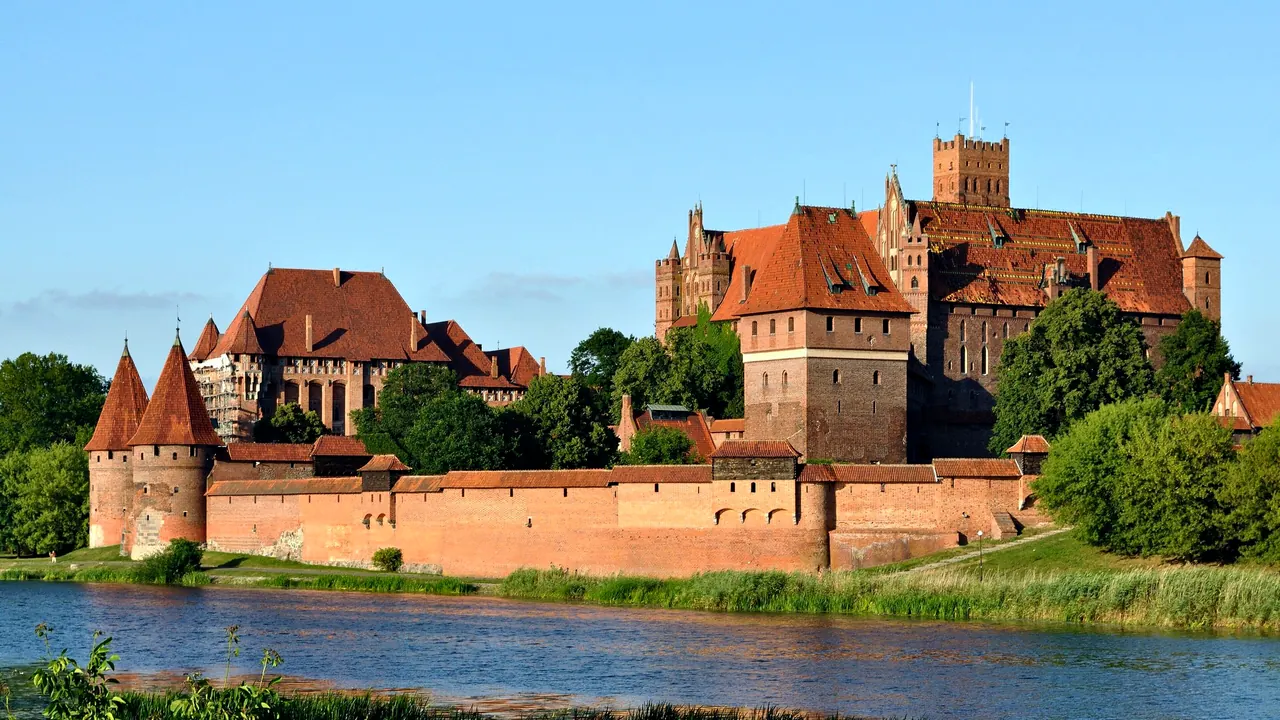
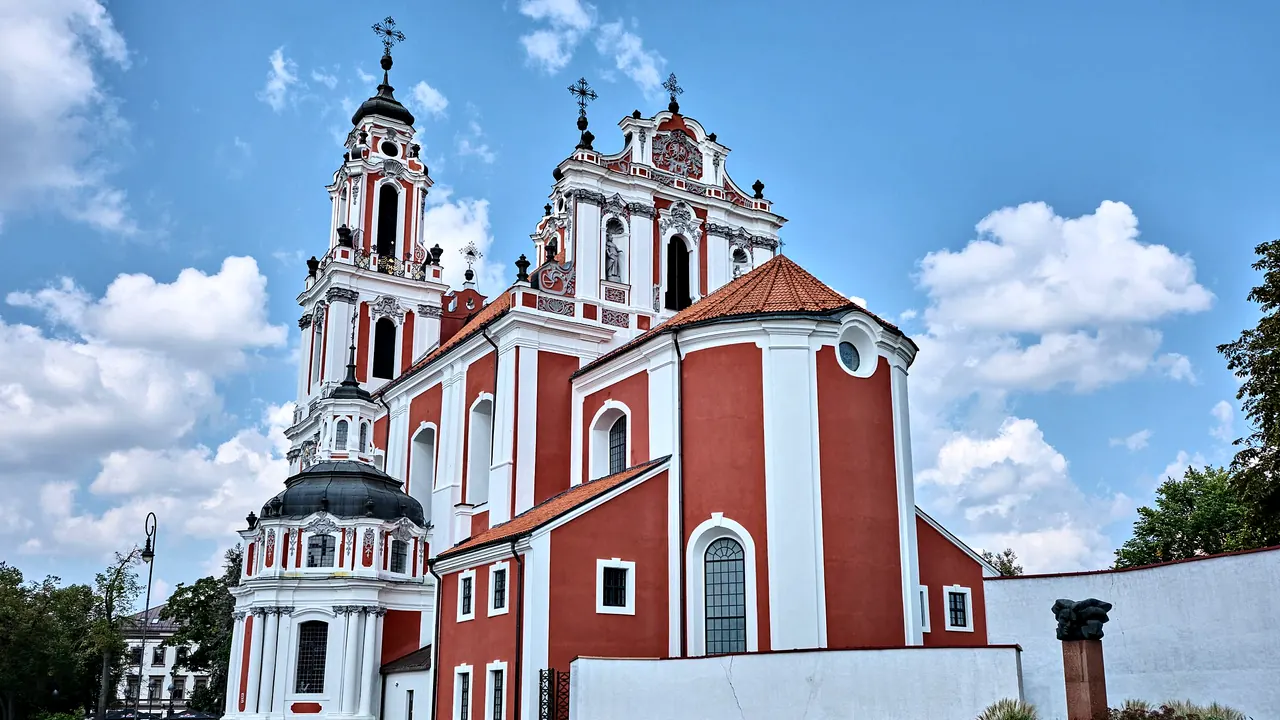
Photos: Poland by DerHexer, derivative work by Carschten, CC BY-SA 3.0, cropped; Lithuania by Nick, Pexels License.
Poland or Lithuania?
Our verdict in twelve categories, each scored against the same fixed benchmark cities, and the climate month by month, so you can choose for your trip.
Choose Poland for
- nightlife
- day trips
- nature and the outdoors
Poland suits a traveller who wants more of everything in one trip. Krakow, Warsaw, Gdansk and Wroclaw each make a strong base for history, music and late nights, the Tatras add real mountain walking, and fast trains link the big cities. It is also the cheaper of the two, so a longer trip with several cities is easy to manage. The price is distance: north to south is a long day's travel, so most visitors pick two or three bases rather than trying to see it all.
Choose Lithuania for
- beaches
- wellness
Lithuania is the better choice for a smaller, slower trip. Vilnius's baroque Old Town, a day in Kaunas and the island castle at Trakai fit comfortably into a week, and the Curonian Spit gives the Baltic its wildest dunes and its quietest sand. It also suits travellers who would rather soak in a spa town or sweat in a lakeside sauna than spend evenings in bars, with far less ground to cover between the highlights.
Scoreboard
Twelve categories on one fixed scale from 0 to 100. The shaded stretch is the gap between the two.
Your match
Pick a travel style or drag the sliders, and both match scores follow your weighting.
Wins on nightlife and day trips with your weighting.
Wins on beaches and wellness with your weighting.
What matters to you?
Category by category
What the scores mean for a trip.
Beaches & swimming
Both coasts face the same cool Baltic, with pale sand, pine woods and dunes, and neither suits a trip built around warm water. Lithuania comes out slightly ahead because almost all of its short coast is beach. The Curonian Spit around Nida gives kilometres of empty sand, and the sheltered lagoon warms up sooner for small children.
Poland's coast is much longer and more varied, from the Hel Peninsula's sea-and-bay spit to the empty beaches by Leba's moving dunes and the pier at Sopot. Its Masurian Lakes give warmer inland swimming. Lithuania's beaches are three to four hours from Vilnius, so they need their own stage of the trip.
Where in Poland: Hel Peninsula, Leba and the Slowinski coast, Sopot, Masurian Lakes
Where in Lithuania: Curonian Spit, Palanga, Klaipėda
Food & drink
Poland eats better and more widely. Pierogi, sour rye zurek and mountain cheese are served everywhere from milk bars to modern tasting menus in Warsaw, and Krakow's Kazimierz keeps late food stands going after the bars. A tasting culture around flavoured vodka gives meals a distinct ending.
Lithuania shares the same northern ingredients of rye, beetroot, potatoes and mushrooms, but the choice is narrower and mostly in Vilnius. Its specialities are distinctive: cepelinai dumplings, pink cold beetroot soup, Karaim kibinai in Trakai and smoked lagoon fish on the Curonian Spit.
Culture & sights
Poland has more to see. Krakow packs the Market Square, Wawel and Kazimierz into one walk, and Warsaw's Rising Museum and POLIN tell the twentieth century with real force. Gdansk, Wroclaw and the Gothic brick town of Torun mean there are enough strong cities for a second or third trip.
Lithuania's heritage is concentrated in Vilnius, whose large baroque Old Town of churches, courtyards and university quadrangles is a delight to wander. Kaunas adds interwar modernism, and Trakai and the Hill of Crosses round it out. That is enough for a rewarding week, not for a month.
Where in Poland: Krakow, Warsaw, Gdansk, Wroclaw
Where in Lithuania: Vilnius, Kaunas, Trakai, Hill of Crosses
Nightlife
Poland gives a longer trip more nights out, because the choice isn't tied to one city. Wroclaw's market square and side streets stay busy until late, Lodz has a run of bars in its old factory courtyards, and Gdansk and Sopot fill up through the summer. A route through two or three cities can keep its evenings going all week. The one thing to plan around is Krakow's Old Town at weekends, when stag groups arrive. Go on a weekday, or spend the Saturday in Wroclaw instead, to avoid them.
Lithuania has less going on, and its nightlife suits a weekend better than a week. Kaunas has a livelier student crowd than its size suggests, centred on Laisvės alėja, and the capital's electronic nights in former industrial spaces run until morning. The season matters more here than in Poland. Palanga becomes the country's party resort in July and August but goes quiet for the rest of the year, and outside the two big cities most towns go to bed early.
Nature & outdoors
Poland has more variety, above all because it has mountains. The Tatras above Zakopane offer glacial lakes such as Morskie Oko and exposed ridges, the Bieszczady have wide meadow ridges, and Bialowieza's primeval forest shelters wild bison.
Lithuania is flat throughout, but its best landscape is striking: the Curonian Spit's dunes rise to 50m between sea and lagoon, with cycle paths along their length. For water, Lithuania's Aukštaitija lakes offer quiet canoeing, and Poland's Masurian Lakes form a larger chain for sailing.
Where in Poland: Tatra Mountains, Masurian Lakes, Bialowieza Forest, Bieszczady
Where in Lithuania: Curonian Spit, Aukštaitija National Park, Dzūkija National Park, Nemunas Delta
Day trips
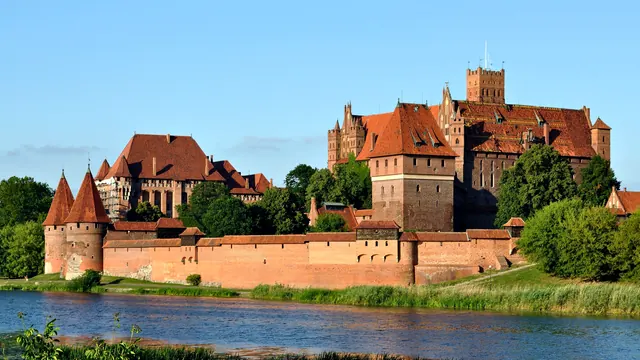
Poland's bases have far more within reach. From Krakow alone come Auschwitz-Birkenau, the Wieliczka salt mine and Zakopane. Gdansk has Malbork's vast brick castle under an hour away, and Wroclaw has the timber Peace Churches nearby.
Lithuania's outings are short and pleasant: Trakai's island castle half an hour from Vilnius, the Kernavė hillforts and Kaunas by train. From Klaipėda, the spit villages of Nida and Juodkrantė are a ferry and bus ride away. Two or three days covers each base, where Krakow alone can fill a week.
Good for families
Poland has the bigger attractions for children: a large theme park at Zator near Krakow, Warsaw's hands-on Copernicus Science Centre and Wroclaw's zoo, as well as the bronze dwarfs to hunt in its old town. Lower costs also help on longer family trips.
Lithuania is just as safe but quieter. Its strengths are summer ones: shallow lagoon water on the spit, Palanga's promenade and the seals and dolphins at Klaipėda's Sea Museum. Druskininkai's water park and indoor snow arena are the main options when the weather turns.
Where in Poland: Krakow, Warsaw, Wroclaw, Baltic coast
Where in Lithuania: Palanga, Curonian Spit, Druskininkai, Klaipėda
Getting around
Poland's fast intercity trains and dense city trams, plus a metro in Warsaw, make a two- or three-city route simple. The catch is scale: Gdansk to Krakow is about five hours, so the journey is worth breaking.
Lithuania is small, and its Old Towns are walkable, but the network is thinner. The coast takes most of a morning from Vilnius, and the spit needs a ferry and a local bus or a bicycle. In both countries the lakes and national parks are much easier with a hire car.
Shopping & style
Amber is the classic purchase in both. Poland offers more beyond it: silver-set amber on Gdansk's Mariacka Street, blue-patterned Boleslawiec stoneware and highland crafts around Zakopane, with Warsaw adding malls and some luxury labels.
Lithuania's range is narrower, with almost no luxury shopping, but its linen is a distinctive buy. Vilnius's Pilies Street and the Užupis studios are the best places to browse, and the centuries-old Kaziukas crafts fair fills the Old Town each March.
Affordability
Poland is the cheaper country. Milk bars, cheap beer and trains, and city hotels well below Western European prices go a long way, especially in Krakow, Wroclaw, Torun and Lublin. Warsaw is the expensive exception.
Lithuania is moderately priced rather than cheap, though Kaunas is a little easier on the wallet than Vilnius. Druskininkai outside summer, with treatments often included in a stay, is its best deal. On both coasts, rooms are expensive in high summer.
Live music & performing arts
Poland has more music and on a bigger scale. Warsaw's Grand Theatre is one of Europe's largest opera houses, there are summer Chopin recitals in Lazienki Park, and Katowice and Wroclaw both have modern concert halls with strong orchestras. Krakow's jazz cellars make an easy late night.
Lithuania covers the essentials well in Vilnius, with the National Opera and Ballet and the Philharmonic. Its summer concerts in Kaunas's Pažaislis monastery and the vast Song and Dance Celebration, held every few years, are memorable. In both countries most theatre is in the local language.
Wellness & relaxation
The two are broadly level, but the experience differs. Poland's uzdrowiska, such as Krynica-Zdroj and Ciechocinek with its salt-mist graduation towers, often feel like sanatoria. Its best bathing is in the outdoor hot-spring pools of Podhale, looking up at the Tatras in snow.
Lithuania makes rest more of a destination in itself. Druskininkai is a whole pine-forest town of mud baths and saunas, and Birštonas is calmer still. The pirtis rituals by Aukštaitija's lakes, with birch switches and cold plunges, are something Poland does not offer.
Where in Poland: Podhale and Zakopane, Krynica-Zdroj, Ciechocinek, Kolobrzeg
Where in Lithuania: Druskininkai, Birštonas, Aukštaitija
When should you go?
Pick your month, and for a country the place in it. The climate figures are measured averages, not a forecast.
Where in Poland
Warsaw (Poland) in July
Vilnius (Lithuania) in July
Daytime high, °C
Rainfall in the month, mm
Temperature and rainfall are climate normals, averaged over the years shown. Warsaw (Poland): 1991-2020 normals, Warszawa-Okecie (7.7 km from centre). Vilnius (Lithuania): 1991-2020 normals, Vilnius (13 km from centre).
Both countries are summer destinations with long, dark winters, and they follow almost the same calendar. From May to September the cities are pleasant for walking, with Krakow and Warsaw reaching about 25°C in July and Vilnius only a degree or so cooler. The Baltic only becomes swimmable in July and August, when the sea off Gdansk reaches about 19°C, and Lithuania's coast follows the same short season. Summer is also the wettest time of year in both. Zakopane is the extreme, with around 176mm of rain in July, so expect afternoon storms on Tatra hikes.
Winter is harder in Lithuania, where Vilnius stays around -1°C in January with very little sun, while Poland's cities are slightly milder. Poland has a winter use that Lithuania lacks: Zakopane and the Tatras for skiing and the hot-spring pools of Podhale. Late spring and September are the best months for city sightseeing in both countries.
Which traveller are you?
On an outdoors trip, Poland has the mountains Lithuania lacks. The Tatras offer alpine lakes and ridge walks, and the Bieszczady have long empty hills. Bialowieza adds wild bison, and Lithuania offers flat forest, lakes and the Curonian dunes instead.
For a relaxing and wellness trip, Lithuania has the edge in atmosphere. Druskininkai is a whole town built around mineral baths, and the lakeside pirtis rituals of Aukštaitija are memorable. Poland's spa towns often feel like sanatoria, though its Tatra hot springs are excellent in winter.
More comparisons
Each shares a side with Poland or Lithuania.
Where else could you go?
Set Poland or Lithuania against any other country.