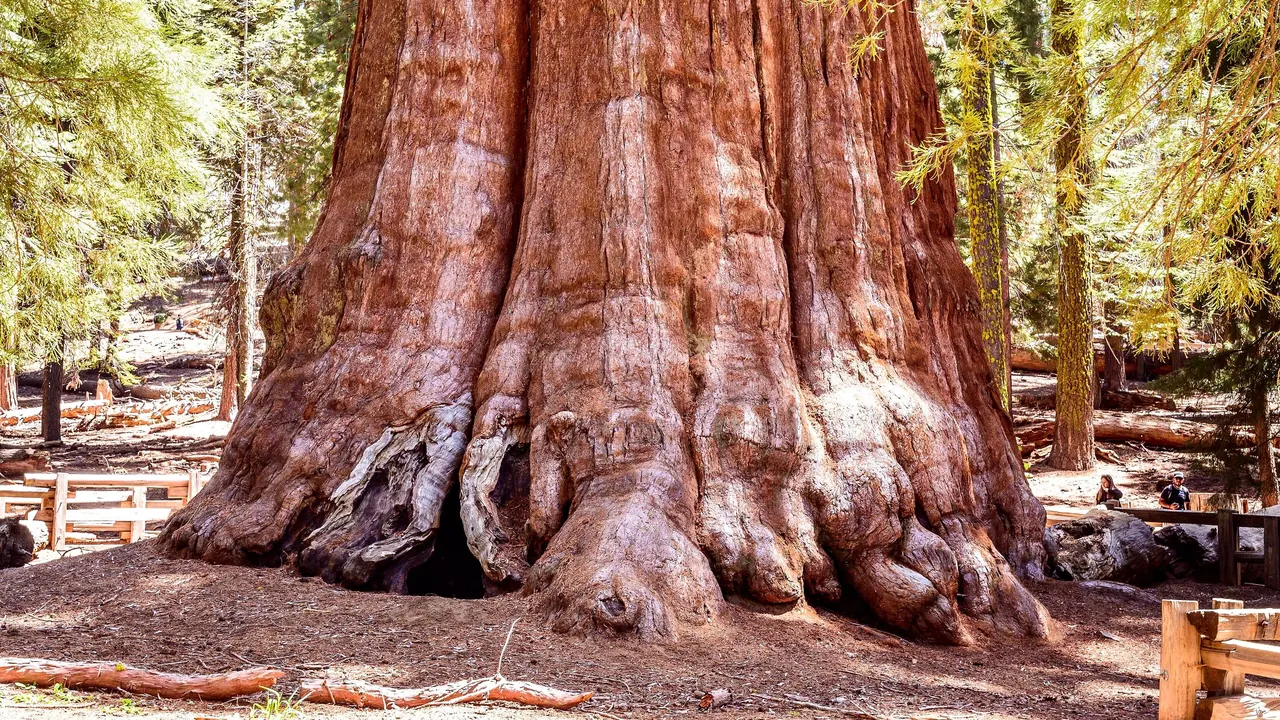
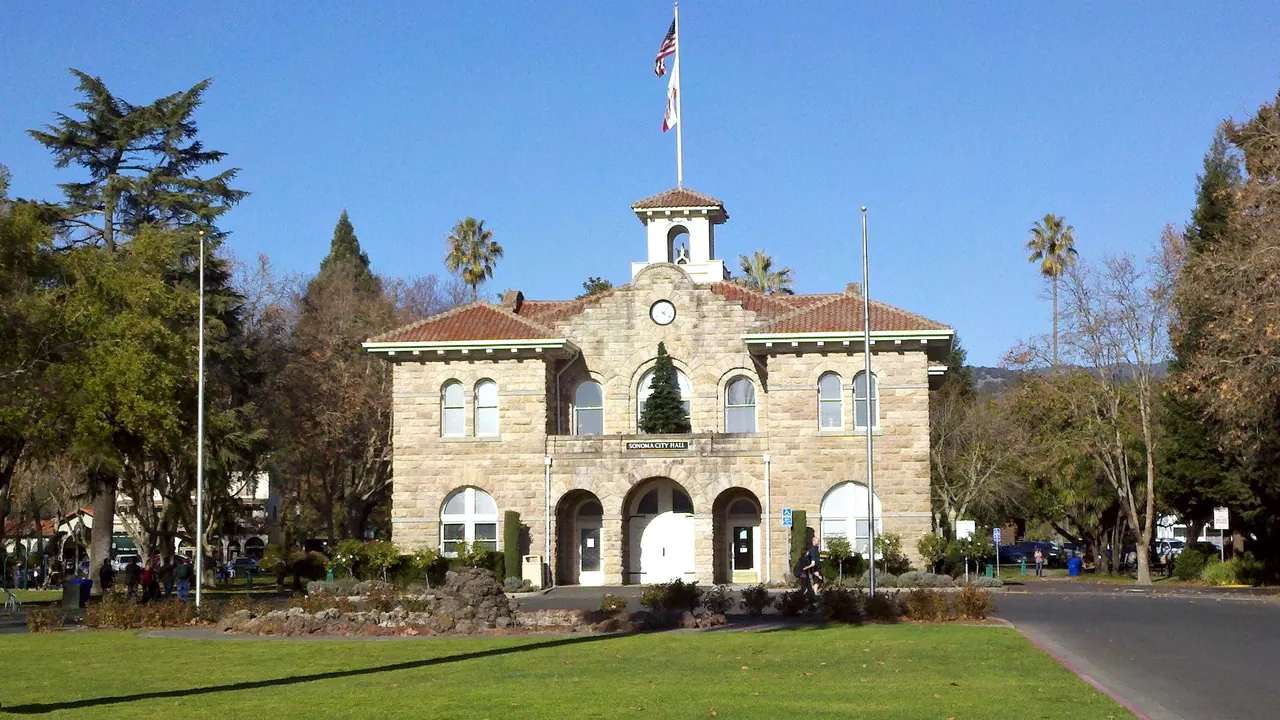
Photos: Sequoia by Domenico Convertini from Zurich, Schweiz, CC BY-SA 2.0, cropped; Sonoma by Cullen328, CC BY-SA 3.0, cropped.
Sequoia or Sonoma?
Our verdict in twelve categories, each scored against the same fixed benchmark cities, and the climate month by month, so you can choose for your trip.
Choose Sequoia for
- prices
- nature and the outdoors
- families
Sequoia is for travellers who want the land itself to be the trip. Giant sequoias thousands of years old, the granite High Sierra and the depths of Kings Canyon give days of walking that no vineyard valley can match. Pitching a tent in a pine campground, or sleeping down in Visalia, keeps costs low, though the park lodges and cabins are not cheap. You give up good food, culture and almost any evening life, and you spend long hours on winding mountain roads.
Choose Sonoma for
- day trips
- food and drink
- shopping
Couples after comfort will be happier in Sonoma. Its days run on long lunches, tasting rooms round a historic plaza, a hot-spring spa and gentle trails through the vines, with San Francisco and Napa close enough for a day out. It costs a good deal more and the scenery is pastoral rather than grand, but the pace is easy and the table is far better.
Scoreboard
Twelve categories on one fixed scale from 0 to 100. The shaded stretch is the gap between the two.
Your match
Pick a travel style or drag the sliders, and both match scores follow your weighting.
Wins on prices and nature and the outdoors with your weighting.
Wins on day trips and food and drink with your weighting.
What matters to you?
Category by category
What the scores mean for a trip.
Beaches & swimming
Neither is a swimming destination, and both send you inland to fresh water. In Sequoia that means granite pools on the Kaweah in late summer or the sandy edge of Hume Lake, with dangerous rivers in spring. Sonoma offers hotel pools and the gravel beaches of the Russian River, plus a cold, rough coast at Bodega Bay that is for walking rather than bathing.
Food & drink
Sonoma is the place to eat well. The plaza's tasting rooms, old-vine Zinfandel, Carneros Pinot Noir and seasonal cooking built on local cheese, olive oil and oysters make long lunches the centre of the day, even if the choice of restaurants is small.
In Sequoia, eating is fuel: lodge dining rooms, village delis, camp stoves and burgers or Mexican plates in Three Rivers. The valley towns do add summer fruit stands and Fresno's Armenian and Hmong cooking, but nobody plans a trip around them.
Culture & sights
Sonoma has the more substantial history, though neither is a cultural trip. Its plaza, where the Bear Flag Revolt took place, the Franciscan mission, the adobe barracks and Vallejo's house fill a satisfying half day.
Sequoia's human story is told in small places: the Giant Forest Museum, the Western Mono rock paintings at Hospital Rock and Tharp's Log. Crystal Cave is the closest thing to a classic sight, and it is natural rather than built.
Nightlife
Both go quiet early, so neither suits a night out. Sonoma at least has wine bars, a brewpub and saloons round the plaza for a drink after dinner, while Sequoia's evenings are ranger talks, campfires and very dark skies, with a beer in Three Rivers about the limit.
Nature & outdoors
Sequoia is in another league. Walking among the largest trees on earth, climbing Moro Rock over the Great Western Divide and descending into Kings Canyon at Cedar Grove are experiences of real scale, with black bears, spring wildflowers and multi-day routes toward Mount Whitney.
Sonoma's landscape is gentler and more lived-in: vineyards between two ranges, oak slopes, redwood groves at Sugarloaf Ridge and quiet roads for cycling. Its strength is variety within an hour, from the Sonoma Coast headlands to Point Reyes, rather than wilderness.
Day trips
Sonoma is the far better base for outings. San Francisco is about an hour away, Napa's wine towns are just over the hills, and Healdsburg, Petaluma and Sausalito add plazas, Victorian streets and bay views, even if many outings turn into another wine valley.
From Sequoia, most days out are into the parks themselves. Visalia's old downtown, Fresno's Forestiere Underground Gardens and Allensworth's history are worth a curious afternoon, but they sit in flat farmland.
Good for families
Families who like the outdoors will do better in Sequoia. The Big Trees Trail, driving through the Tunnel Log, Junior Ranger booklets and paddling at Hume Lake give children things they remember, though carsickness on the switchbacks and spring rivers need care.
Sonoma is calm and safe but built around wine tasting. The plaza playground, a miniature railway and an African wildlife park near Santa Rosa fill a day or two, and many families prefer to visit from San Francisco.
Getting around
Both need a car, but for different reasons. In Sequoia it is the distances and hairpins of the Generals Highway, seasonal road closures and winter chains, eased a little by summer shuttles round the Giant Forest. In Sonoma the plaza is walkable and some tasting rooms lie a few blocks apart, but wineries are spread out and the question is who drives after the wine, which is why drivers, tours and cycling are common there.
Shopping & style
Sonoma offers a pleasant browse, with boutiques, galleries, kitchen shops and wine bought straight from the cellar door round its plaza arcades, plus a summer farmers' market. Sequoia has little beyond lodge gift stores, visitor-centre bookshops and valley fruit stands.
Affordability
Sequoia is much kinder to the budget, provided you camp or stay down in Visalia. The pine campgrounds cost little and the trails are free once you are in, though park lodges and Three Rivers motels are pricey in summer.
Sonoma is an expensive stay at almost every turn. Rooms are priced for wine-country weekends, restaurants aim at well-off visitors and tasting fees add up. Staying in Santa Rosa or Petaluma and picnicking among the vines softens it.
Live music & performing arts
Sonoma has more to attend, mostly in summer: outdoor shows among the ruins at Jack London State Historic Park, winery concerts, the old plaza theatre and the Green Music Center's concert hall half an hour away. In Sequoia, ranger campfire programmes are the nearest thing, with Visalia's Fox Theatre and Fresno's orchestra a long drive down after dark.
Wellness & relaxation
Sonoma is the place for a spa break. Boyes Hot Springs has fed a historic resort spa for well over a century, day passes are available, inn spas fill the valley and Calistoga's mud baths are an hour away, though nearly all of it comes at resort prices.
Sequoia offers stillness rather than treatments: a creekside cottage in Three Rivers, silent groves at dawn and starry nights. It suits someone who unwinds by walking slowly, not someone who wants a massage table.
When should you go?
Pick your month. The climate figures are measured averages, not a forecast.
Sequoia in July
Sonoma in July
Daytime high, °C
Rainfall in the month, mm
Where the figures come from
Sequoia has no weather station within reach, so its figures come from a gridded climate model rather than a measured record, and read a broad area rather than one spot.
Sonoma has no rain gauge within 25 km of the centre, so its rainfall comes from a gridded climate dataset read at the destination rather than from a gauge further away.
Sonoma's sunshine is measured 87 km from the centre, at Sacramento Executive Airport.
Temperature and rainfall are climate normals, averaged over the years shown. Sequoia: 2001-2020 normals, NASA POWER reanalysis grid, no weather station within 90 km. Sonoma: 1991-2020 (sunshine 1981-2010) normals, Napa / Middleton (17.8 km from centre).
Around Sequoia's foothill gateway, summer is hot and almost rainless: from June to September days reach about 30°C, ideal for river pools and early starts, while the high country opens up only once the snow has gone. From November to March it turns cold and wet, with highs near 8°C, and the high country is snowbound, so winter is for snowshoeing in the groves rather than long hikes. Late spring and September are the gentlest months for walking.
Sonoma is milder all year. Summer days hold around 26°C with long sunshine and no rain, though the valley floor bakes in the afternoon. Winter stays mild for walking, but it is much wetter, with close to 169mm in December, so spring wildflowers and the autumn harvest are the sweet spots. The nearby Pacific never gets above about 14°C, so it is for looking at, not swimming.
Which traveller are you?
On an outdoors trip, Sequoia wins clearly. The Giant Forest, Moro Rock, Kings Canyon and the high trails from Mineral King give days of serious hiking, while Sonoma's vineyard trails and Sugarloaf Ridge make pleasant half days rather than a reason to travel.
For a relaxing and wellness trip, Sonoma is the better choice. Boyes Hot Springs feeds a historic spa, the inns offer massages and the plaza sets an unhurried rhythm. Sequoia's quiet is real, but it has no spa culture to speak of.
On a trip with a tight budget, Sequoia goes further. Campgrounds among the pines are among California's cheapest beds, and the trails cost nothing beyond park entry. Sonoma's rooms, restaurants and tasting fees are aimed at well-off wine-country weekenders.
Before you go
| Measure | Sequoia | Sonoma |
|---|---|---|
| Currency | US Dollar (USD) | US Dollar (USD) |
| Sockets | AB120 V, 60 Hz | AB120 V, 60 Hz |
| Driving side | Right | Right |
| Time zone | UTC-8, UTC-7 in summer | UTC-8, UTC-7 in summer |
| Emergency number | 911 | 911 |
| Elevation | - | 26 m |
| Main airport | Fresno Yosemite International Airport (FAT)15 non-stop destinations | Charles M. Schulz Sonoma County Airport (STS)39 km from centre14 non-stop destinations |
| Public holidays this year | 13 days | 13 days |
By the numbers
| Measure | Sequoia | Sonoma |
|---|---|---|
| Population | - | 10,739 |
| People per km² | - | 1,513 |
| Museums within 10 km | - | 7 |
| UNESCO World Heritage sites within 50 km | - | 0 |
| Swim season, months above 21 °C | - | None |
Where else could you go?
Every comparison below shares a destination with this one, so you can follow Sequoia or Sonoma somewhere new.
- Napavs Sonoma
- Napa Valleyvs Sonoma
- Kings Canyonvs Sequoia
- San Franciscovs Sonoma
- San Josevs Sonoma
- Yosemitevs Sequoia