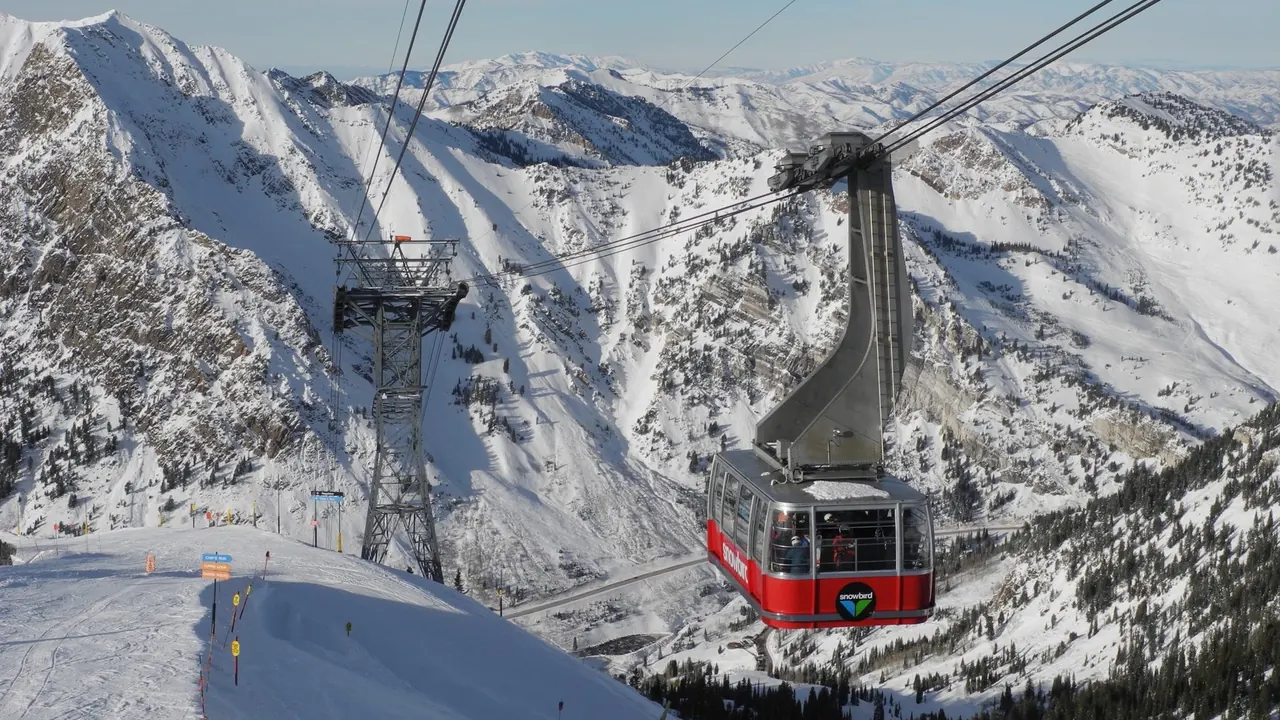
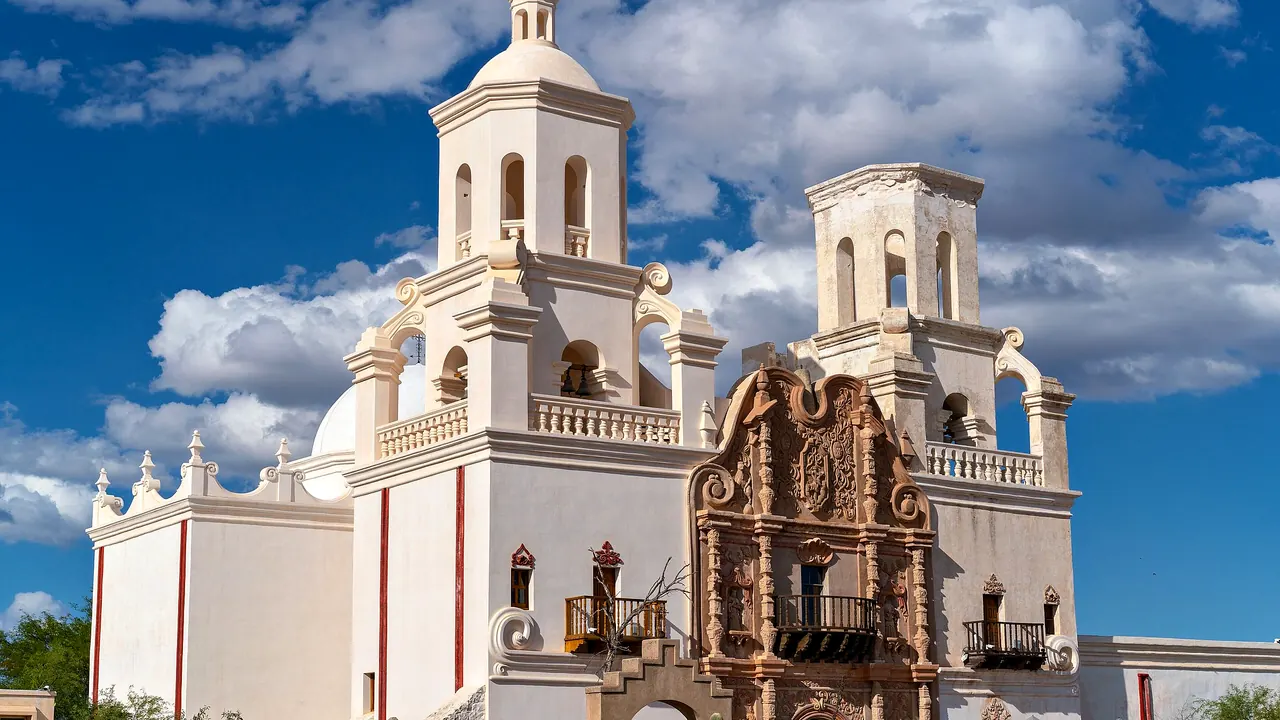
Photos: Snowbird by VeggieGarden, CC BY-SA 4.0, cropped; Tucson by Steve and Kimberly Rader, CC BY-SA 4.0, cropped.
Snowbird or Tucson?
Our verdict in twelve categories, each scored against the same fixed benchmark cities, and the climate month by month, so you can choose for your trip.
Choose Snowbird for
- getting around
- nature and the outdoors
Snowbird is for travellers whose whole trip is the mountain. The tram to Hidden Peak, the deep dry snow, the steep chutes and bowls and a season that often runs into late spring make it a serious skier's base, and in summer the same slopes lead into wilderness trails. Food, sights, shops and evenings out all mean the drive down to Salt Lake City, and the stay is expensive, so it pays off when skiing or hiking fills every day.
Choose Tucson for
- food and drink
- culture and sights
- prices
Tucson suits a broader, warmer and cheaper trip, best taken between autumn and spring. The desert, Saguaro National Park and Mount Lemmon give plenty of days outdoors, and the city adds Sonoran Mexican cooking, the mission at San Xavier, a relaxed bar scene, regional crafts and a long tradition of resort spas. That mix works for couples, families and anyone who wants variety rather than one pursuit.
Scoreboard
Twelve categories on one fixed scale from 0 to 100. The shaded stretch is the gap between the two.
Your match
Pick a travel style or drag the sliders, and both match scores follow your weighting.
Wins on getting around and nature and the outdoors with your weighting.
Wins on food and drink and culture and sights with your weighting.
What matters to you?
Category by category
What the scores mean for a trip.
Beaches & swimming
Neither place is a beach destination, but the swimming differs. At Snowbird, swimming means the resort's heated pools, or cold reservoir water about an hour away in the Heber Valley in summer, and the Great Salt Lake is for looking at, not for swimming in.
In Tucson, the hotel pool is a bigger part of the day, because it is how most visitors get through the long hot season. The real sea is a four-hour drive away in Mexico, and the pools in Sabino Canyon appear only after rain.
Food & drink
Snowbird's eating is resort eating: lodge restaurants, slopeside cafeterias, the dining room at the top of the tram and après-ski burgers. It is competent but has no local character, and most guests drive down to Salt Lake City for variety once or twice a week.
Tucson has a cuisine of its own. Mesquite-grilled carne asada, paper-thin flour tortillas and Sonoran hot dogs from south-side carts, plus desert ingredients such as tepary beans and prickly pear, make eating one of the reasons to go. Fine dining is thin, but regional Mexican cooking is done properly here.
Culture & sights
Snowbird has essentially nothing to see beyond its 1971 avalanche-proof concrete lodges, and the canyon's mining past has left little behind. Any museum visit means Salt Lake City.
Tucson gives two or three good days. Mission San Xavier del Bac, with its gilded painted interior, is the highlight, and the adobe streets of Barrio Viejo, the Arizona State Museum's Native American collections and the aircraft at Pima Air & Space fill out the rest.
Nightlife
Snowbird's evening ends with après-ski. A couple of lodge bars and a sunny deck fill up at the end of the day, and by mid-evening the base is asleep before the first tram.
Tucson has a modest but genuine night out, split between student dive bars and patios on Fourth Avenue and cocktail bars and rooftops on Congress Street, within walking distance of each other. It is liveliest at weekends during term and quieter in summer.
Nature & outdoors
Both are superb for the outdoors, but Snowbird is the more remarkable. Its snow, often more than 12m in a season, its steep terrain from Hidden Peak through Mineral Basin to Alta and its long ski season are among the best in North America, and summer opens trails into the Lone Peak and Twin Peaks wilderness.
Tucson's strength is the desert: saguaro forests in the national park, canyon trails in Sabino and Catalina, and the drive up Mount Lemmon from cactus to pine. Birding and road cycling are excellent, but the summer heat confines outings to dawn or the mountain.
Day trips
Tucson has the more rewarding outings. Bisbee's steep copper-mining streets, Wild West Tombstone, the artists' village of Tubac with the Tumacácori ruins nearby, the Sonoita wineries and Biosphere 2 make a varied list, though none is of the first rank.
From Snowbird, Salt Lake City's Temple Square and Park City's Victorian Main Street are the two obvious trips. After those, Midway, Sundance and Ogden's 25th Street are pleasant but minor.
Good for families
Tucson has more to fill a family week, at least from October to April. The Arizona-Sonora Desert Museum, the zoo, the children's and science museums and the giant aircraft keep children busy, although everything needs a car and summer heat is hard on little ones.
Snowbird suits families who ski, especially teenagers and confident young skiers, and its car-free base is easy to manage. Summer adds a mountain coaster and an alpine slide, but toddlers get little from the steep mountain, and the altitude can tire them.
Getting around
Snowbird is the easier of the two once you are there. Lodges, tram and lifts sit a short walk apart along a car-free base, and many rooms open straight onto the slopes. Leaving is harder. The only way in or out is one winding canyon road, which clogs on powder mornings and can close for hours for avalanche control. Ski buses come up from the valley in winter, but dinners in the city and day trips still need a car or a shuttle.
In Tucson you need a car from the first day. The Sun Link streetcar connects downtown, Fourth Avenue and the university, and buses are slow, while Saguaro National Park, the Desert Museum, San Xavier and Mount Lemmon all lie on the edges of the city or beyond them. Traffic is light and parking is easy, so the driving is simple, but you cannot avoid it.
Shopping & style
Snowbird's few base stores sell ski gear, goggles and branded clothing, and anything more means Park City or Salt Lake City.
Tucson is a far better place to shop for things that belong to the region: Native American jewellery, Tohono O'odham baskets, pottery and Mexican folk art in the old town galleries and in Tubac. The winter gem and mineral show draws collectors from around the world, though there are no luxury streets.
Affordability
Snowbird is one of the dearer ways to spend a week in the American West. Lift tickets, slopeside rooms and captive-audience meals all add up, and the main saving, sleeping in Salt Lake City, gives up the slopeside experience.
Tucson costs noticeably less. Hotels and cheap Mexican food keep daily costs down, though a hire car is a fixed extra. In both places summer is the cheaper season, which in Tucson means desert heat and at Snowbird means hiking instead of skiing.
Live music & performing arts
At Snowbird, live performance amounts to summer concerts on the plaza, the long-running Oktoberfest oompah bands and the odd après-ski band.
Tucson has a real if small season from autumn to spring. The symphony, Arizona Opera and the Arizona Theatre Company perform here, the restored Fox Theatre hosts concerts, and mariachi is part of the city's identity, with its annual conference as a highlight.
Wellness & relaxation
Snowbird's relaxation centres on its rooftop spa, with a pool and hot tubs facing the canyon walls, best after a hard ski day. The Homestead crater in Midway, an hour away, adds a soak in warm mineral water.
Tucson is built for this kind of trip. It is one of the birthplaces of the American destination spa, with long-established wellness resorts in the Catalina foothills and towards Oracle offering desert walks, massage and meditation. Clear winter light and quiet evenings make it a natural choice for a restful sunny break.
When should you go?
Pick your month. The climate figures are measured averages, not a forecast.
Snowbird in July
Tucson in July
Daytime high, °C
Rainfall in the month, mm
Where the figures come from
Snowbird has no weather station within reach, so its figures come from a gridded climate model rather than a measured record, and read a broad area rather than the city itself.
Temperature and rainfall are climate normals, averaged over the years shown. Snowbird: 1991-2020 normals, TerraClimate 4 km grid at the town, no weather station within 90 km. Tucson: 1991-2020 normals, Tucson International Airport (10.1 km from centre).
The two places peak at opposite ends of the year. Snowbird is a winter destination: daytime highs hover around freezing from December to February, and the snow usually lasts from November well into spring. Summer is its other season, with July reaching about 22°C, which is pleasant for hiking and wildflowers in Albion Basin. Rain and snow fall fairly evenly through the year, with no truly dry month.
Tucson is at its best from October to April, when highs of about 19°C to 30°C make long days outside comfortable. From May the heat builds, June reaches about 39°C, and walking the streets or the trails is only realistic at dawn. July and August bring the monsoon and the wettest weather, about 56mm in July, mostly in short, dramatic storms. A winter sun trip points to Tucson, and a summer mountain escape points to Snowbird.
Which traveller are you?
For a food and nightlife trip, Tucson is the clear choice. Its Sonoran Mexican kitchens on South 12th Avenue and the bars of Fourth Avenue and Congress Street give real evenings out, while Snowbird offers resort dining and an après-ski drink before an early night.
On a tight budget, Tucson goes much further. Mid-range hotels are reasonable, taquerías and hot dog stands make eating cheap, and summer brings bargains. Snowbird's lift tickets, slopeside rooms and resort meals are costly, and saving money means staying down in Salt Lake City.
For skiers, Snowbird is the place to go. The aerial tram, the deep, dry Little Cottonwood snow, steep expert terrain linked to Alta and a long season are what it is famous for. Tucson's small ski area on Mount Lemmon is a novelty by comparison.
Before you go
| Measure | Snowbird | Tucson |
|---|---|---|
| Currency | US Dollar (USD) | US Dollar (USD) |
| Sockets | AB120 V, 60 Hz | AB120 V, 60 Hz |
| Driving side | Right | Right |
| Time zone | UTC-7, UTC-6 in summer | UTC-7 |
| Emergency number | 911 | 911 |
| Elevation | 2,479 m | 728 m |
| Main airport | Salt Lake City International Airport (SLC)36 km from centre108 non-stop destinations | Tucson International Airport (TUS)12 km from centre18 non-stop destinations |
| Public holidays this year | 12 days | 12 days |
By the numbers
| Measure | Snowbird | Tucson |
|---|---|---|
| City population | - | 542,629 |
| People per km² | - | 923 |
| Museums within 10 km | 0 | 10 |
| UNESCO World Heritage sites within 50 km | 0 | 0 |
Where else could you go?
Every comparison below shares a destination with this one, so you can follow Snowbird or Tucson somewhere new.