Spain
Fuerteventura
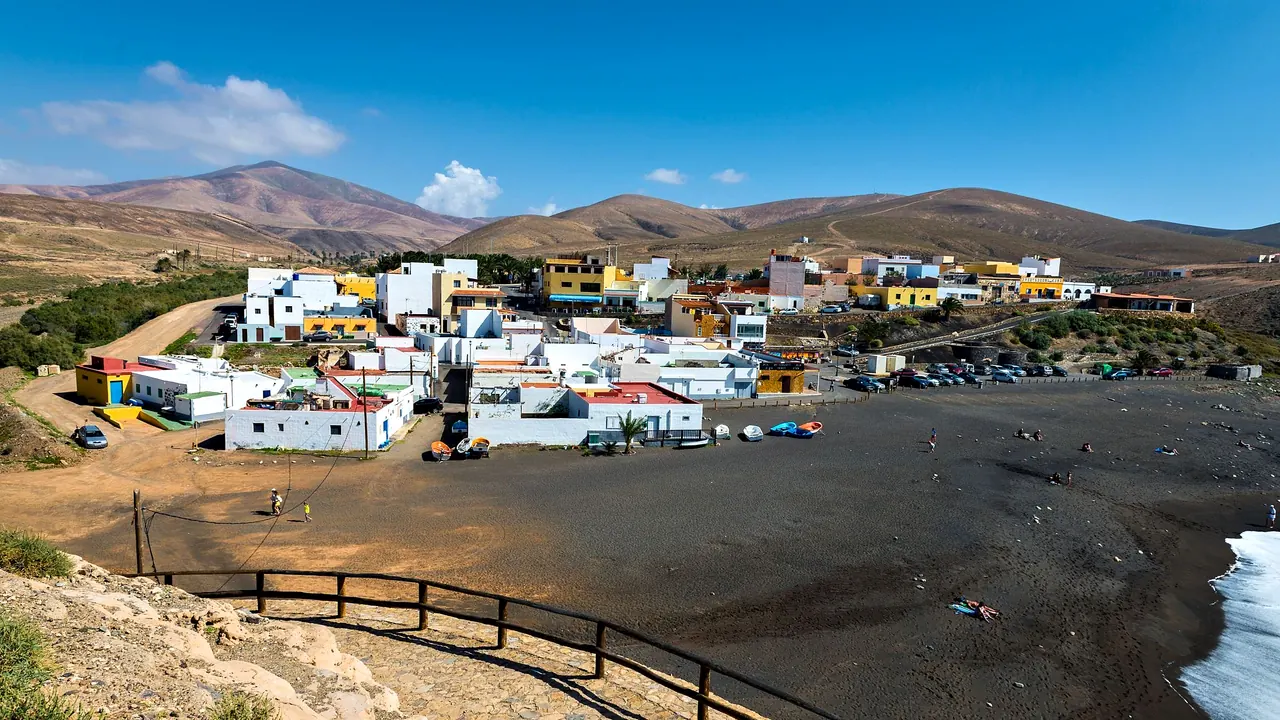
The fishing village of Ajuy and its black-sand beach
- Beaches84
- Nature & outdoors65
- Families64
Photo: Magic K, Pexels License
Match
43
Every category weighted equally
- Beach & sun51
- Culture & arts35
- Food & nightlife36
- Family trip52
- Outdoors50
- Relax & unwind48
- Shopping & style37
- On a budget45
Fuerteventura in twelve categories
Our verdict on each, scored 0 to 100 against the same fixed benchmark cities, so a score means the same thing on every page.
Beaches & swimming. Scores 84 out of 100.
Food & drink. Scores 38 out of 100.
Culture & sights. Scores 22 out of 100.
Nightlife. Scores 28 out of 100.
Nature & outdoors. Scores 65 out of 100.
Day trips. Scores 38 out of 100.
Good for families. Scores 64 out of 100.
Getting around. Scores 50 out of 100.
Shopping & style. Scores 18 out of 100.
Affordability. Scores 57 out of 100.
Live music & performing arts. Scores 10 out of 100.
Wellness & relaxation. Scores 44 out of 100.
Fuerteventura category by category
Beaches & swimming
84Beaches are the reason most people come. In the north, the dunes of Corralejo run straight into long white beaches with turquoise shallows. On the west coast, El Cotillo has small reef-sheltered lagoons. In the south, the Jandía peninsula has mile after mile of pale sand at Sotavento, Esquinzo and Morro Jable, where the tide fills a huge shallow lagoon. Across the mountains is Cofete, wild and empty, but its currents make swimming risky.
The sea is Atlantic, so it never gets truly warm. Expect about 19°C in late winter and 23°C by September and October, which means swimming all year rather than lingering in the water. Wind is the other constant. East and south-facing beaches give the calmest water. Stay in Corralejo for the dunes and in Jandía for the longest sands.
Food & drink
38Island cooking is simple and rural. Wrinkled potatoes come with red and green mojo sauces, goat stew, gofio and grilled fish. The real local speciality is queso majorero, a protected goat cheese, sometimes rubbed with paprika or gofio. The best meals are in the fishing villages, like El Cotillo, Ajuy, Morro Jable and the old harbour at Corralejo, where small places serve the day's catch by the water.
In the big resorts, most menus are international and made for package tourists. You won't find a fine-dining scene or a café culture worth planning around. Wine comes mostly from neighbouring islands.
Culture & sights
22Most of the heritage is small and rural. Betancuria is the old capital, founded by Norman conquerors in a sheltered valley. It has whitewashed streets and a fortified church. In La Oliva stands the Casa de los Coroneles, a colonial manor house. The island's landmarks are its traditional windmills, the sacred mountain of Tindaya and a few small museums on rural life, salt-making and the writer Unamuno's exile. An afternoon or two covers it all, and nobody comes for the sights.
Nightlife
28Going out mostly means Corralejo. Its main street and old harbour have pubs, cocktail bars and a few late music bars, and they fill up with surfers and visitors. Caleta de Fuste and Morro Jable have hotel bars and a handful of pubs. Elsewhere, evenings end with dinner. The island suits a sundowner after a day in the wind, not a night of clubbing.
Nature & outdoors
65The landscape is bare and desert-like. There are brown volcanic hills, black lava fields, wide plains and two great sand areas: the shifting dunes of the Corralejo natural park in the north and the Jandía peninsula in the south. There, the empty Cofete coast lies under steep mountains. You can walk up extinct craters like Calderón Hondo, along the cliffs at Ajuy, or across the small island of Lobos, a short boat ride from Corralejo.
The island really stands out on the water. The steady trade winds make Sotavento and Flag Beach serious windsurfing and kitesurfing spots, and the reef breaks around El Cotillo and Lajares draw surfers through the winter swells. There is little shade or greenery, and summer walking is hot work.
Day trips
38The best day out is Lanzarote. The ferry from Corralejo to Playa Blanca takes about half an hour, and from there you can reach Teguise, the volcanic wine country of La Geria and the island's architecture and art sites. On Fuerteventura itself, a drive links Betancuria, the windmill villages around Tefía and the fishing village of Ajuy. Gran Canaria is a longer ferry trip from Morro Jable. Beyond these, the island has more empty landscape than places to visit.
Good for families
64For families it is an easy, sunny beach island. The shallow lagoons at Sotavento, El Cotillo and the Corralejo shore are ideal for small children. Resort hotels in Caleta de Fuste, Corralejo and Costa Calma are built around pools and kids' clubs. A large zoo and botanical park near La Lajita has camel rides and animal shows, and there are water parks in Corralejo. A glass-bottom boat to Lobos is a popular outing.
The limits are the wind, strong currents on the west coast and at Cofete, and not much to do on a rainy or gusty day. Choose a sheltered east or south-facing beach and it is a relaxed place to manage.
Getting around
50Most visitors hire a car, and it is an easy island to drive. The roads are good and quiet, and it is about two hours from Corralejo in the north to Morro Jable in the south. Buses link the main towns and resorts, but they run too rarely to reach the beaches and villages comfortably. The resort towns are walkable, Corralejo most of all. Cofete and parts of the west coast are reached only on dirt tracks.
Shopping & style
18Shopping is modest. Corralejo has surf and beachwear shops, and the weekly craft market in Lajares is the most interesting market on the island. The most worthwhile things to take home are majorero goat cheese, aloe vera products and local pottery. Elsewhere there are resort souvenir shops and a mall near Puerto del Rosario.
Affordability
57Fuerteventura is good value by Western European standards. Apartments and mid-range resort hotels are reasonably priced. Fish and grilled meat in the village restaurants cost less than on the mainland coasts, and the Canaries' lower taxes keep drinks and fuel cheap. Costs rise in the winter high season and at the large all-inclusive resorts in the south, and most visitors will also need a hire car.
Live music & performing arts
10You won't find much to attend. Folk groups play the timple, the small Canarian guitar, at village fiestas. The auditorium in Puerto del Rosario puts on occasional concerts, and resort bars have cover bands. Anyone who wants an evening of music or theatre will go without.
Wellness & relaxation
44Fuerteventura has no bathing tradition of its own. Spa culture means the hotel spas and seawater pools at the larger resorts in Caleta de Fuste, Corralejo and Jandía. Its real strength is pace. Small villages, empty roads and long quiet days make it easy to slow down, and around Lajares and El Cotillo there are yoga and surf retreats aimed at people who come to unwind.
Where to stay in Fuerteventura
Corralejo, in the north, is the easiest base for a first visit. It is the one resort town that is pleasant to explore on foot, with the dunes and white beaches on its edge and most of the island's evening life along the main street and old harbour. Boats leave from its port for Lobos and the ferry crosses to Lanzarote. It suits couples, groups and families who want plenty within walking distance. To the west, the surf village of Lajares and the fishing village of El Cotillo are smaller and slower, with reef-sheltered lagoons, fish by the water and yoga and surf retreats for a quiet stay.
The Jandía peninsula in the south is the choice for long beach days. Costa Calma and the Sotavento shore have the widest sands and steady wind for kitesurfing, and Morro Jable adds a real town with a fishing harbour. Big resort hotels make it popular with families, though it is far from the rest of the island. Caleta de Fuste, on the east coast near the airport, is a compact family resort with pools and a calm bay, and Betancuria is a short drive inland.
The island takes about two hours to drive end to end, so one base and a hire car cover most trips. A second visit could easily be spent entirely in Jandía.
When should you go?
Pick a month to see what it is like. The climate figures are measured averages, not a forecast.
Fuerteventura in July
Daytime high, °C
Rainfall in the month, mm
The whole year
Shaded against this city’s own year: the deepest cell is its best month for that figure and the palest its weakest.
Where the figures come from
Fuerteventura's temperatures are measured 31 km from the centre, at Fuerteventura / Aeropuerto.
Fuerteventura has no rain gauge within 25 km of the centre, so its rainfall comes from a gridded climate dataset read at the destination rather than from a gauge further away.
Temperature and rainfall are climate normals, averaged over the years shown. Fuerteventura: 1991-2020 normals, Fuerteventura / Aeropuerto (31.1 km from centre).
Before you go
| Measure | Fuerteventura |
|---|---|
| Official language | Spanish |
| Currency | Euro (EUR) |
| Sockets | CF230 V, 50 Hz |
| Driving side | Right |
| Time zone | UTC, UTC+1 in summer |
| Emergency number | 112 |
| Main airport | Fuerteventura Airport (FUE)70 non-stop destinations |
| Public holidays this year | 12 days |
By the numbers
| Measure | Fuerteventura |
|---|---|
| Population | 127,043 |
| People per km² | 78 |
| Swim season, months above 21 °C | 5 months |
Compare Fuerteventura with
Every comparison with a written verdict behind it.