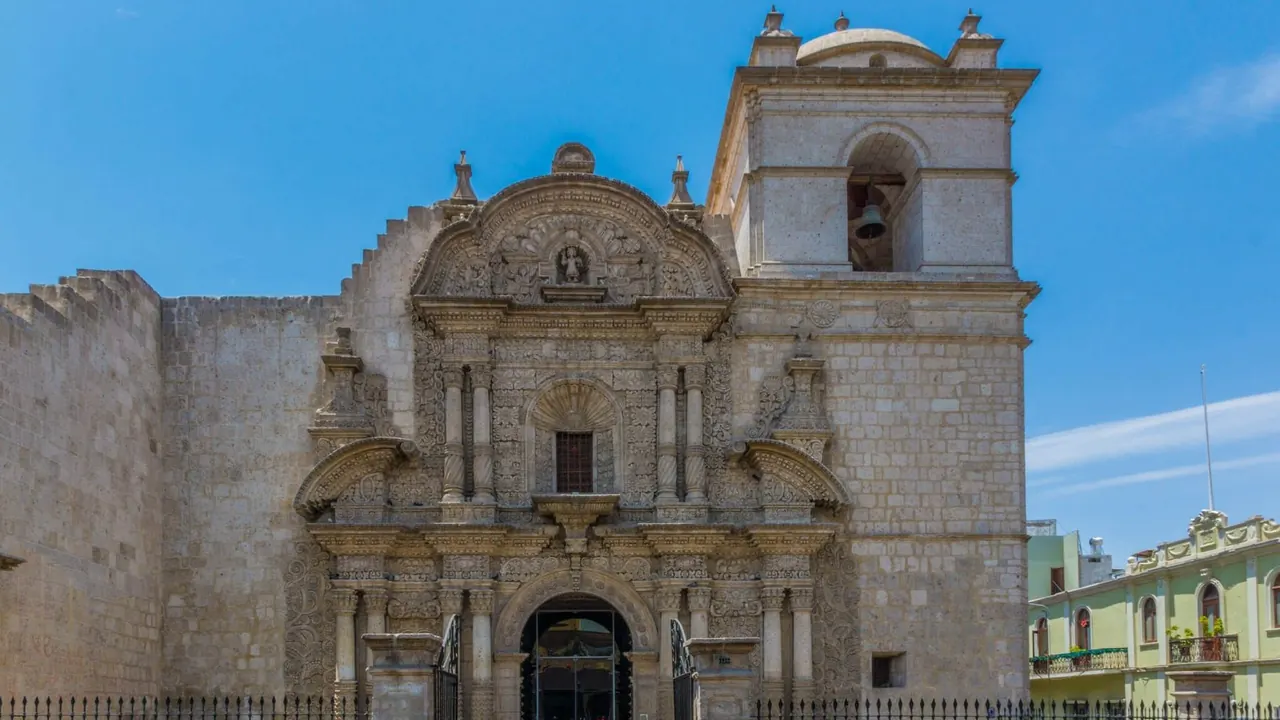
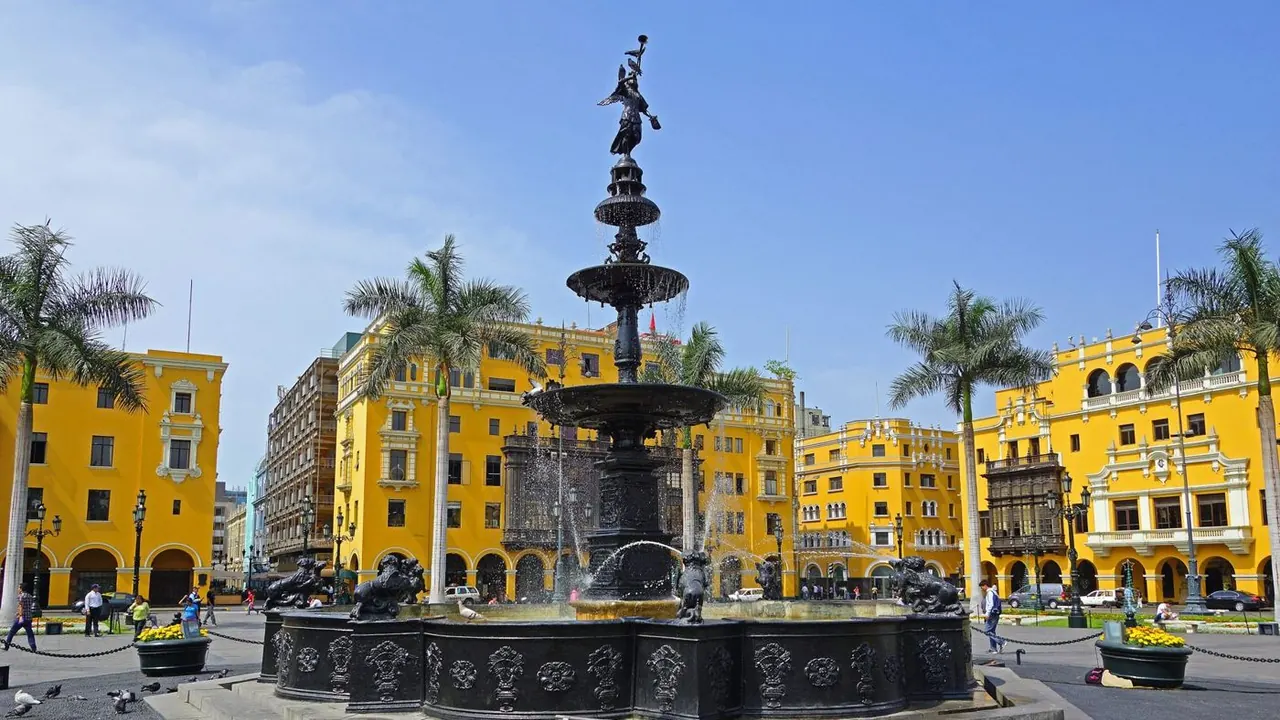
Photos: Arequipa by DocSlyper, CC BY-SA 2.0, cropped; Lima by James C., CC BY-SA 2.0, cropped.
Arequipa or Lima?
Our verdict in twelve categories, each scored against the same fixed benchmark cities, and the climate month by month, so you can choose for your trip.
Choose Arequipa for
- nature and the outdoors
- getting around
- prices
Arequipa suits the traveller who wants a calm, walkable colonial city with big landscapes on the doorstep. The white sillar centre takes two or three unhurried days, and then Colca Canyon, the condors and the volcano climbs take over. It is also cheaper and quieter than Lima, and its middling altitude makes it a sensible step on a route up towards Puno and Lake Titicaca.
Choose Lima for
- beaches
- nightlife
- live music and the arts
Lima is the better pick when eating and going out are the point of the trip. Cevicherías at lunch, Nikkei and chifa kitchens, celebrated tasting menus, and late nights in Barranco ending at a peña give it a city energy Arequipa doesn't try to match. It also has the sea, with surf below the cliffs and sandy beaches to the south in summer. In return you get heavy traffic and long cross-town rides.
Scoreboard
Twelve categories on one fixed scale from 0 to 100. The shaded stretch is the gap between the two.
Your match
Pick a travel style or drag the sliders, and both match scores follow your weighting.
Wins on nature and the outdoors and getting around with your weighting.
Wins on beaches and nightlife with your weighting.
What matters to you?
Category by category
What the scores mean for a trip.
Beaches & swimming
For Arequipa, the beach is not part of the trip. The sandy shore at Mollendo and Mejia is two hours away over the hills, and the water there stays cold and rough.
Lima at least lives on the coast. Below the cliffs, the Costa Verde is grey pebble and surf, better for watching surfers than for swimming. The sandy beaches at Punta Hermosa and San Bartolo are about an hour south and make a good summer day out when the sea is at its warmest.
Food & drink
Both cities eat seriously, but in different ways. Arequipa's strength is one deep regional tradition, best at lunch in the picanterías: rocoto relleno, shrimp chowder, Sunday adobo and chicha de guiñapo. It has little international cooking and few fine-dining tables.
Lima goes much wider. Coastal ceviche, Nikkei raw fish, Chinese-Peruvian chifa and criollo classics share the city with anticucho carts and tasting-menu restaurants known across the continent. A food-led trip has far more to explore here.
Culture & sights
The two are evenly matched, but the experience differs. Arequipa's appeal is one coherent centre carved from pale volcanic stone, with Santa Catalina's coloured lanes, the La Compañía portal and the Inca mummy Juanita all a short walk apart.
Lima's colonial core is grander, as befits a former viceregal capital, with its wooden balconies and the San Francisco catacombs. Its real strength, though, is pre-Columbian: the Larco and MALI collections and adobe huacas standing among the modern districts. Seeing it all means crossing the city.
Nightlife
Lima is the place for a proper night out. Barranco's mansion bars and clubs fill around midnight and dance to salsa and cumbia until dawn at weekends, and Miraflores adds a more polished second scene.
Arequipa's evenings gather around Calle San Francisco. Student crowds fill its pisco bars and a few clubs late in the week, but it is mostly quiet early, and early Colca departures keep many visitors in bed.
Nature & outdoors
Arequipa is far ahead here. Three volcanoes stand over the city, there are rafting and gentle walks in the terraced campiña, and Colca Canyon offers condors, multi-day treks and high-altitude reserves where vicuñas graze.
Lima's nature faces the sea. You can paraglide off the cliffs, surf all year or swim with sea lions at the Palomino Islands. Inland the hills are bare, apart from the brief green of the winter fog oases.
Day trips
Both cities have their best excursions just beyond day-trip range. In Arequipa that means Colca, and in Lima Caral, Paracas and Ica, all better done overnight. Closer in, they differ in kind. Arequipa's outings are rural and gentle: the Sabandía mill, country restaurants in Characato and the Yura springs. Lima's best is archaeological, the vast adobe sanctuary of Pachacamac, with old Callao and La Punta as a short extra.
Good for families
Lima has more to keep children busy. Parque de las Leyendas combines a zoo with ruins, the Circuito Mágico del Agua fountains light up in the evenings, the clifftop playgrounds are good for an afternoon, and older children can go to the southern beaches in summer. The catch is the traffic, so it pays to base yourself in Miraflores or Barranco.
Arequipa is easier to handle, with a flat, relaxed centre and welcoming plazas, but it has few attractions aimed at children beyond Santa Catalina and the mummy. Its big excursions climb high and start before dawn.
Getting around
In Arequipa almost everything is on foot. The plaza, Santa Catalina, the museums and most hotels sit within a few blocks of a flat grid, and taxis cover the rest cheaply.
Lima is much harder work. Miraflores and Barranco are walkable and joined by the clifftop path. Beyond them the city sprawls, and slow traffic can turn a short taxi ride into an hour. The Metropolitano busway is the reliable way to reach the historic centre.
Shopping & style
Alpaca is the main purchase in both cities. Arequipa is the home of the industry, and its mill outlets sell reliable baby alpaca and vicuña, but there is little else beyond craft shops in colonial courtyards.
Lima has more range. The Avenida Petit Thouars markets gather textiles, silver and retablos from every region, Barranco has Peruvian design shops, and the malls cover everyday brands.
Affordability
Arequipa is the cheaper stay. Colonial guesthouses, picantería meals and short taxi rides all cost little, and the only real expenses are Colca tours and guided climbs.
Lima can be just as cheap if you eat set lunches and street snacks. Its top end costs much more, though, and a trip planned around its famous tables and Miraflores cocktail bars quickly becomes expensive.
Live music & performing arts
Lima has much more to attend. The Barranco peñas, with música criolla and Afro-Peruvian cajón late into the night, draw the audience onto the dance floor. The Gran Teatro Nacional and the restored Teatro Municipal stage symphony, ballet and opera.
In Arequipa, the main option is a weekend peña with Andean folk over dinner, plus the street parades and concerts of the August founding anniversary.
Wellness & relaxation
Arequipa is the more restful of the two. Its dry, sunny days, long lunches and quiet cloisters slow you down, and there are volcanic hot springs at Yura and near Chivay in Colca.
Lima has no bathing tradition, and its traffic and grey winters keep a stay busy. Rest there means a hotel spa or an early walk along the clifftop parks.
When should you go?
Pick your month. The climate figures are measured averages, not a forecast.
Arequipa in July
Lima in July
Daytime high, °C
Rainfall in the month, mm
Where the figures come from
Arequipa's station stands 203 m above the city centre, so the centre is likely a little warmer than the figures say.
Temperature and rainfall are climate normals, averaged over the years shown. Arequipa: 1991-2020 normals, Arequipa (9.2 km from centre). Lima: 1991-2020 normals, Lima-Callao / Aerop. Internacional Jorgechavez (10.9 km from centre).
Arequipa barely changes through the year. Daytime highs sit around 22°C in every month, which is comfortable for walking the streets at any time. What little rain falls comes between January and March, peaking at about 36mm in February. From April to December it is almost completely dry, and those are the steadiest months for Colca and the volcanoes.
Lima has almost no rain at all, but its seasons are much clearer. From December to April it is warm and fairly sunny, with highs up to 27°C and the sea reaching about 22°C, which is the only time a beach day makes sense. From June to October the city sits under a grey ceiling at around 19°C with very little sunshine. That is fine for museums and eating, but dull for the coast.
Which traveller are you?
For an outdoors trip, Arequipa is the clear choice. Colca Canyon, condors at Cruz del Condor, vicuñas on the high puna and guided climbs of Misti or Chachani are all within reach, while Lima's outdoors mostly means the clifftop path and the surf.
On a food and nightlife trip, Lima wins. Its range runs from cevicherías and chifa to some of the most celebrated tasting menus in the Americas, and Barranco's bars and clubs run until dawn. Arequipa's picanterias are excellent, but its nights end early.
On a tight budget, Arequipa makes the money go further. Colonial guesthouses, picantería lunches and cheap taxis around a walkable centre keep daily costs low. Lima is good value too, but its long taxi rides and pricier Miraflores restaurants add up faster.
Before you go
| Measure | Arequipa | Lima |
|---|---|---|
| Official language | Spanish, Aymara, Quechua | Spanish, Aymara, Quechua |
| Currency | Sol (PEN) | Sol (PEN) |
| Sockets | ABC220 V, 60 Hz | ABC220 V, 60 Hz |
| Driving side | Right | Right |
| Time zone | UTC-5 | UTC-5 |
| Emergency number | 111 or 911 | 111 or 911 |
| Elevation | 2,335 m | 154 m |
| Main airport | Rodríguez Ballón International Airport (AQP)7 km from centre2 non-stop destinations | Jorge Chávez International Airport (LIM)9 km from centre61 non-stop destinations |
| Public holidays this year | 17 days | 16 days |
By the numbers
| Measure | Arequipa | Lima |
|---|---|---|
| City population | 1,008,290 | 9,943,800 |
| People per km² | 1,551 | 3,721 |
| Museums within 10 km | 3 | 47 |
| UNESCO World Heritage sites within 50 km | 1 | 2 |
| Swim season, months above 21 °C | - | 2 months |
Where else could you go?
Every comparison below shares a destination with this one, so you can follow Arequipa or Lima somewhere new.