Photos: Arequipa by DocSlyper, CC BY-SA 2.0, cropped; Sacred Valley by Jay Galvin, CC BY-SA 4.0, cropped.
Arequipa or Sacred Valley?
Our verdict in twelve categories, each scored against the same fixed benchmark cities, and the climate month by month, so you can choose for your trip.
Choose Arequipa for
- nightlife
- food and drink
- getting around
Arequipa suits a traveller who wants a city base: a walkable colonial centre built of white volcanic stone, some of Peru's best regional cooking, a modest night out and low daily costs. It is dry for most of the year and easier on children. Colca Canyon and the volcanoes make it a good base for one big outdoor excursion, but not for walking every day.
Choose Sacred Valley for
- day trips
- wellness
- culture and sights
Choose the Sacred Valley for the Inca heartland itself, meaning Ollantaytambo, Pisac, Moray and Machu Picchu, and for trekking. The classic routes start here, and Cusco is an hour away. Expect a rural region that you get around by driver and train, quiet evenings, and a budget that Machu Picchu takes a large share of.
Scoreboard
Twelve categories on one fixed scale from 0 to 100. The shaded stretch is the gap between the two.
Your match
Pick a travel style or drag the sliders, and both match scores follow your weighting.
Wins on nightlife and food and drink with your weighting.
Wins on day trips and wellness with your weighting.
What matters to you?
Category by category
What the scores mean for a trip.
Beaches & swimming
Neither is a place to swim. Arequipa at least has the Pacific about two hours away by road, at Mollendo and Mejia, with wide sandy beaches but cold, often rough water, so it is a long outing rather than part of a city stay. The Sacred Valley has no coast at all and only a cold, fast river, so in both places a heated pool at your hotel or lodge is the realistic way to swim.
Food & drink
Arequipa is one of Peru's great places to eat. Lunch in a picanteria, with rocoto relleno, shrimp chowder and chicha de guinapo, is a reason to come in itself. The San Camilo market and the coffee bars and modern Peruvian restaurants around the Plaza de Armas cover the rest of the day.
The Sacred Valley's cooking is closer to the farm: native potatoes, giant Urubamba corn, river trout and the bread ovens of Pisac. Its few ambitious tasting menus are near Moray and in the country lodges. Away from those, evenings in Ollantaytambo and Pisac come down to pizza and alpaca steak aimed at trekkers, so the everyday choice is much narrower.
Culture & sights
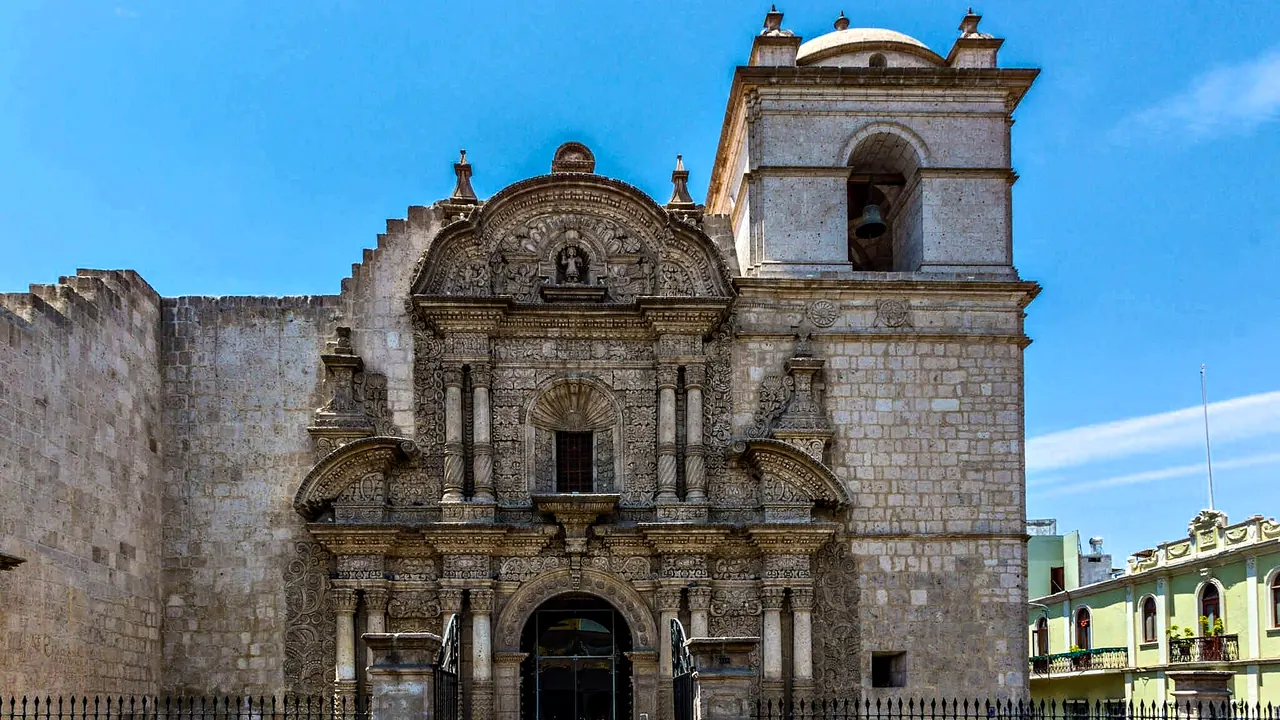
Arequipa is a complete colonial city in pale sillar stone. It has a UNESCO-listed centre, the carved portal of La Compania and Santa Catalina, a walled town of ochre and indigo lanes worth half a day. Add Juanita, the frozen Inca girl at the Museo Santuarios Andinos, and two or three days cover the city comfortably.
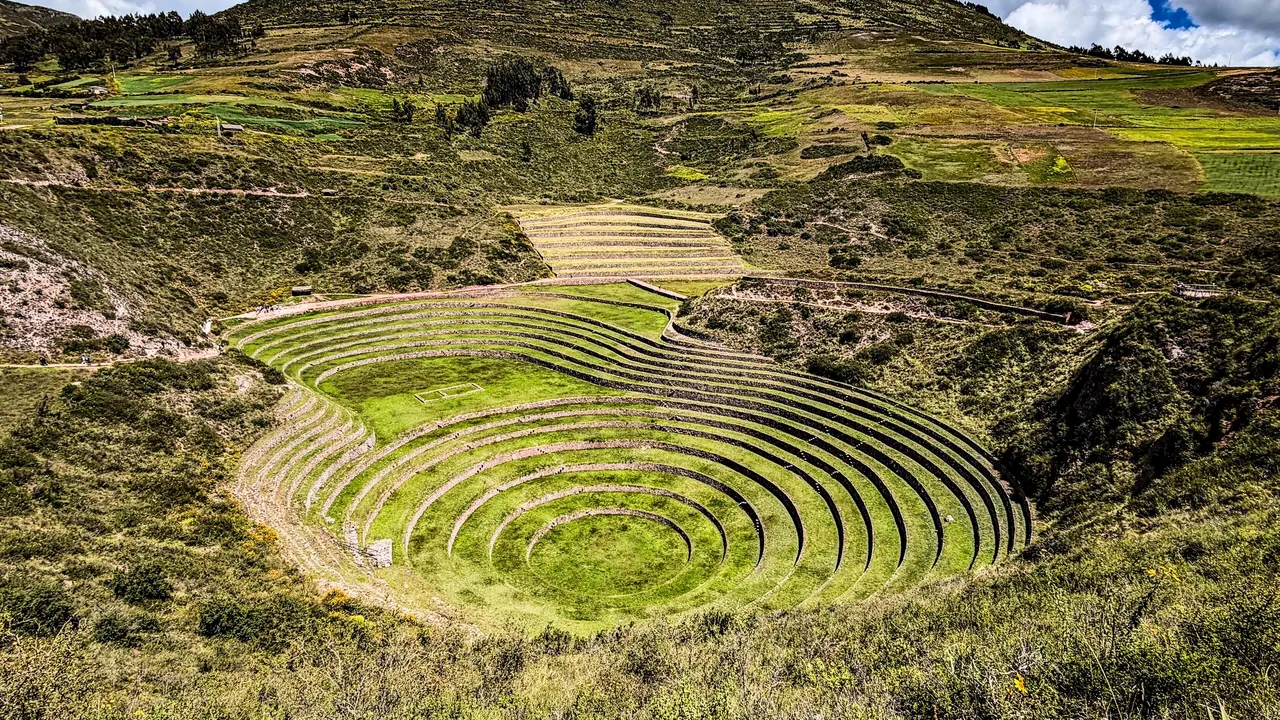
The Sacred Valley is the bigger draw, because the Inca sites work on a different scale. Ollantaytambo still lives on its Inca street plan, ruins run along the ridge above Pisac, Moray has its round terraces and Maras its salt pans, and Machu Picchu waits at the end of the line. The cost is effort: the sites are steep, high and spread out, and there are few museums to explain them.
Nightlife
Arequipa has a real, if modest, night out along Calle San Francisco, with pisco bars, craft beer pubs and a few clubs playing salsa and reggaeton that fill with students from Thursday to Saturday. In the Sacred Valley there is almost nothing after dinner: a pisco sour in a small bar in Ollantaytambo or Pisac, then bed before a pre-dawn train or trek. Anyone who wants an evening out while seeing the valley should stay in Cusco.
Nature & outdoors
Both are outstanding mountain country. Around Arequipa the landscape is volcanic and dry. You can make guided climbs of El Misti and Chachani, take easy walks in the green campina, and travel three to four hours to Colca Canyon, where condors ride the thermals and vicunas graze the high puna on the way.
The Sacred Valley puts more of this right where you are staying. The Inca Trail, Salkantay and Lares treks all start here. On a shorter stay you can raft the Urubamba, cycle down from Chinchero to Moray or climb the via ferrata above Ollantaytambo, all without the long drive that Colca needs.
Day trips
The day trips close to Arequipa are gentle countryside outings: the old mill at Sabandia, the Mansion del Fundador and Sunday lunches in Characato. The bigger names, Colca and Toro Muerto, really need an overnight stay.
The Sacred Valley has one of Peru's great day trips an hour away in Cusco, with Qorikancha, the San Blas quarter and Sacsayhuaman. A longer day beyond the city adds the water gardens at Tipon, the ruins of Pikillacta and the painted church at Andahuaylillas.
Good for families
Neither place is designed with children in mind, but Arequipa is the easier of the two. The centre is flat, the altitude is lower, and older children usually enjoy Santa Catalina's coloured lanes and the frozen Inca girl at the museum.
The Sacred Valley suits active older children who will raft, ride horses and try the ziplines. Steep unfenced terraces, long stairways and the very long Machu Picchu day are hard on small ones, and a lodge with a garden near Urubamba is the gentlest base.
Getting around
Arequipa is a city stay on foot. The plaza, Santa Catalina, the museums and most hotels are a few blocks apart on a flat grid, and cheap taxis or ride-hailing apps cover Yanahuara and the campina.
The Sacred Valley is a region you have to travel around. Its towns are easy to walk, but between them there are only the shared minivans on the valley road. Moray, Maras and Chinchero are easiest with a hired driver, and Machu Picchu has no road access at all, only the train from Ollantaytambo and a bus up to the gate, which you need to plan ahead.
Shopping & style
In both places you buy wool rather than fashion, but in different forms. Arequipa is the centre of Peru's alpaca industry, and its mill outlets sell finished baby alpaca and vicuna knitwear of reliable quality. Craft shops in colonial courtyards and the artisans at Fundo El Fierro add to the choice.
The Sacred Valley's best buys are handmade: plant-dyed weaving from the backstrap looms of the Chinchero cooperatives. Pisac's large market mixes ceramics and silver with many mass-produced souvenirs.
Affordability
Arequipa is the cheaper stay overall. Colonial guesthouses, picanteria lunches and taxis cost little, and only the Colca tours and volcano climbs add much to the bill. Everyday life in the Sacred Valley is just as modest, but the trains, ticket, bus and guide for Machu Picchu take a large share of most budgets. The other site tickets, the guided treks and the riverside lodges are also priced for foreigners.
Live music & performing arts
Arequipa at least has a stage. There is theatre and the regional symphony at the Teatro Municipal and the university cultural centres, and Andean bands and dancers play the penas at weekends. Each August the city's founding anniversary brings folk dance and concerts into the streets.
The Sacred Valley has no venues. Its live performance comes at the patron-saint fiestas, when masked dancers and brass bands fill the plazas for days, or at the music and dance shows some lodges put on for guests.
Wellness & relaxation
Arequipa's calm comes from the city itself: dry, sunny and slow, with long lunches and cloisters to sit in. For bathing you have to leave town, for the old thermal pools at Yura or the hot springs near Chivay in Colca, and in the city itself there are only hotel spas.
The Sacred Valley is better for a slow, restful stay. There are yoga and meditation retreats around Pisac, riverside lodges with gardens and spas between Urubamba and Yucay, and evenings that end early and quietly. The one drawback is the altitude, as the first nights in the valley often bring headaches and poor sleep.
When should you go?
Pick your month. The climate figures are measured averages, not a forecast.
Arequipa in July
Sacred Valley in July
Daytime high, °C
Rainfall in the month, mm
Where the figures come from
Arequipa's station stands 203 m above the city centre, so the centre is likely a little warmer than the figures say.
Sacred Valley has no weather station within reach, so its figures come from a gridded climate model rather than a measured record, and read a broad area rather than one spot.
Temperature and rainfall are climate normals, averaged over the years shown. Arequipa: 1991-2020 normals, Arequipa (9.2 km from centre). Sacred Valley: 1991-2020 normals, TerraClimate 4 km grid at the town, no weather station within 90 km.
Arequipa's weather barely changes through the year. Daytime highs stay around 21-22°C in every month, and the rain falls only from January to March. Even the wettest of those months brings only about 36mm. From April to December it is almost completely dry, so any month is good for walking the white streets, and the dry months suit Colca and the volcanoes.
The Sacred Valley is just as mild by day, but its rainy season is longer and much wetter. It runs from December to March and peaks at around 114mm in January, when the trails turn muddy. May to September is the dry season and the best time for treks and Machu Picchu, though the nights are cold. In October and November the rain starts to build again. Neither place is ever a beach destination, whatever the month.
Which traveller are you?
For a food and nightlife trip, choose Arequipa. Long picanteria lunches, Sunday adobo and the San Camilo market cover the eating, and Calle San Francisco has pisco bars and dancing at weekends. The valley towns go quiet soon after dinner.
On an outdoors trip, the Sacred Valley is the better choice. The Inca Trail, Salkantay and Lares treks all start there, and rafting, mountain biking and the via ferrata fill shorter stays. Arequipa's best walking is a long drive away at Colca.
On a tight budget, your money goes further in Arequipa. Guesthouses in colonial buildings, set lunches and cheap taxis keep daily costs low. The Sacred Valley is also cheap day to day, but the trains, tickets and guides for Machu Picchu take a large share of most budgets.
Before you go
| Measure | Arequipa | Sacred Valley |
|---|---|---|
| Official language | Spanish, Aymara, Quechua | Spanish, Aymara, Quechua |
| Currency | Sol (PEN) | Sol (PEN) |
| Sockets | ABC220 V, 60 Hz | ABC220 V, 60 Hz |
| Driving side | Right | Right |
| Time zone | UTC-5 | UTC-5 |
| Emergency number | 111 or 911 | 111 or 911 |
| Elevation | 2,335 m | - |
| Main airport | Rodríguez Ballón International Airport (AQP)7 km from centre2 non-stop destinations | Alejandro Velasco Astete International Airport (CUZ)6 non-stop destinations |
| Public holidays this year | 17 days | 17 days |
By the numbers
| Measure | Arequipa | Sacred Valley |
|---|---|---|
| Population | 1,008,290 | - |
| People per km² | 1,551 | - |
| Museums within 10 km | 3 | - |
| UNESCO World Heritage sites within 50 km | 1 | - |
Where else could you go?
Every comparison below shares a destination with this one, so you can follow Arequipa or Sacred Valley somewhere new.
- Cuscovs Sacred Valley
- Punovs Arequipa
- Cuscovs Arequipa
- La Pazvs Arequipa
- Sucrevs Arequipa
- Limavs Arequipa