Photos: Aswan by AXP Photography, Pexels License; Hurghada by Andrey Korchagin, CC BY-SA 2.0, cropped.
Aswan or Hurghada?
Our verdict in twelve categories, each scored against the same fixed benchmark cities, and the climate month by month, so you can choose for your trip.
Choose Aswan for
- culture and sights
- day trips
- getting around
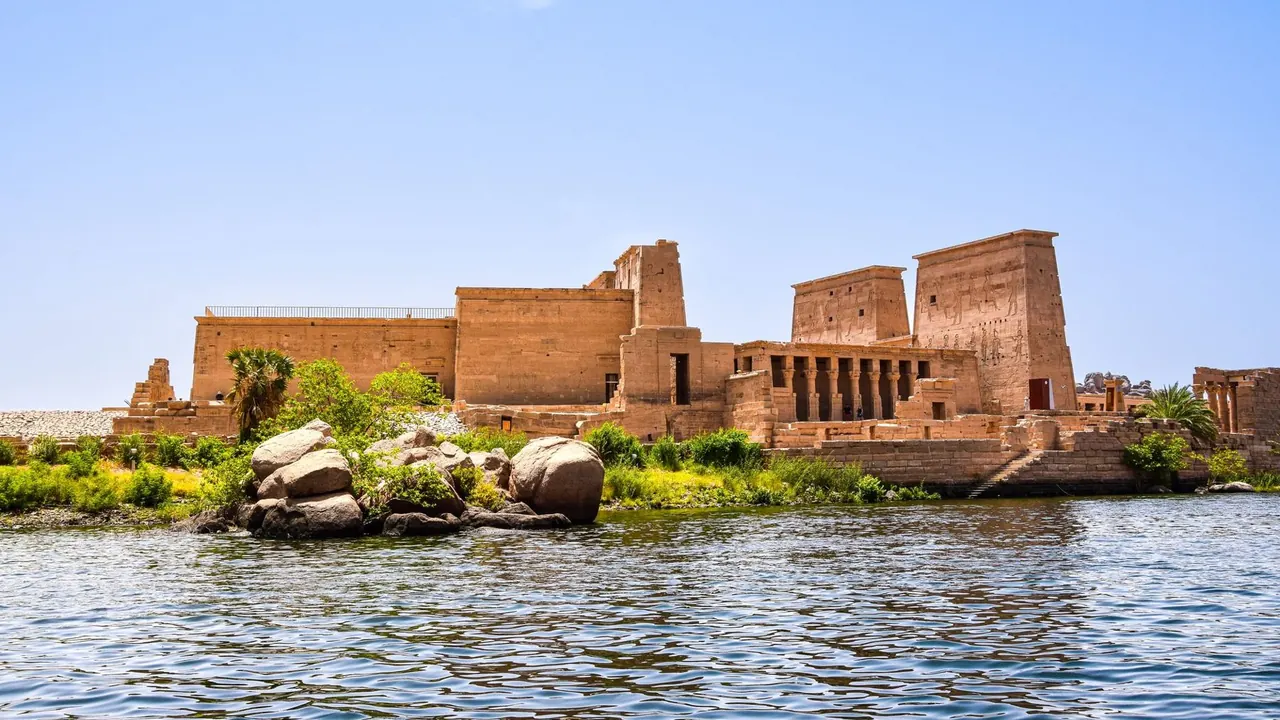
Aswan is the choice for travellers who come to Egypt for its history and for the Nile at its most beautiful. Philae, Elephantine and the Tombs of the Nobles are each a short boat ride away, Kom Ombo and Edfu make one long day north, and evenings are quiet by the river. It is also the cheaper of the two. In return there is no sea and almost no nightlife, and the summer heat rules it out for half the year.
Choose Hurghada for
- beaches
- nightlife
- families
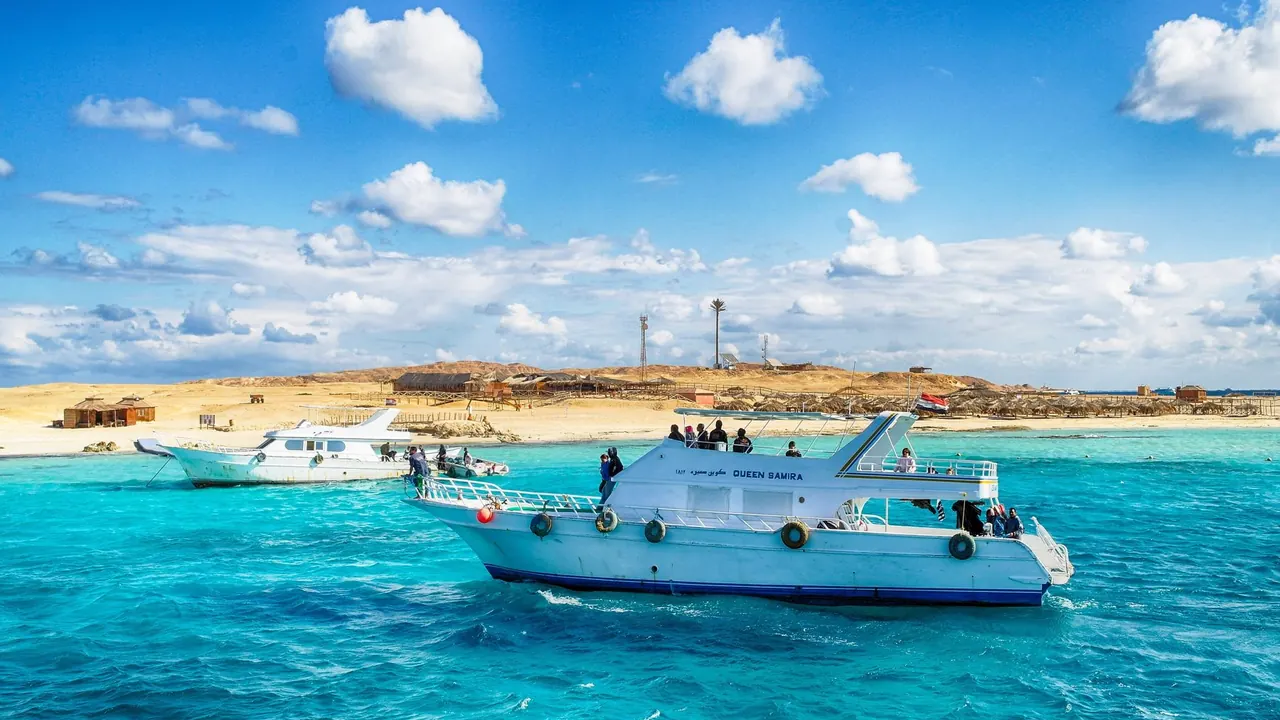
Hurghada suits anyone whose idea of Egypt is warm water, coral reefs and a sunbed. You can swim in the Red Sea in almost any month, the snorkelling and diving start just offshore, and resorts built around children make it the easier family choice. Its history amounts to one museum and a very long day to Luxor, and its nights are spent on a resort strip. For a beach week, though, it offers what Aswan cannot.
Scoreboard
Twelve categories on one fixed scale from 0 to 100. The shaded stretch is the gap between the two.
Your match
Pick a travel style or drag the sliders, and both match scores follow your weighting.
Wins on culture and sights and day trips with your weighting.
Wins on beaches and nightlife with your weighting.
What matters to you?
Category by category
What the scores mean for a trip.
Beaches & swimming
Here the two are as far apart as they can be. Aswan is a desert river town far from the sea. Swimming there means a hotel pool, or a cool dip from a sandbank below the west-bank dunes, keeping an eye on the current and the passing boats.
Hurghada is built for the beach, with a long Red Sea shore, clear warm water and swimming in almost any month. The catch is that the resorts own the sand, and reef flats in front of many hotels mean you swim from a jetty. The best beaches are on the Giftun islands and in the bays towards Makadi and Sahl Hasheesh.
Food & drink
Neither city is worth travelling to for its food, but the meals you get are different. Aswan's strength is Nubian home cooking: clay-pot stews, Nile fish and hibiscus drinks, eaten on a terrace over the river or at a family table in a west-bank village, plus the ful and taameya stalls along the souk.
Hurghada's eating revolves around the all-inclusive buffet. Outside the hotels, you can eat plain local dishes in El Dahar, or choose a fish from the ice by the harbour and have it grilled. The international menus at Sakkala and the marina are adequate but forgettable.
Culture & sights
In Aswan, ancient Egypt is close at hand. The Temple of Isis on Philae, the ruins of Yebu on Elephantine, the Nubian Museum, the Tombs of the Nobles and the Unfinished Obelisk make two or three full days of sightseeing, most of it reached by boat.
Hurghada grew from a fishing village into a resort, and its sights are the Hurghada Museum, the El Mina mosque and the Coptic cathedral in El Dahar. To see pharaonic Egypt you have to leave town and travel a long way inland.
Nightlife
Of the two, only Hurghada has a real night out. Sheraton Road in Sakkala and the marina have bars, shisha lounges and large beach clubs that stay open into the small hours, with themed parties in high season. It is a strip built for visitors, with little local character.
An evening in Aswan means a walk along the Corniche, tea and shisha by the river and a stroll through the souk, which is lit after dark. A drink on a hotel terrace at dusk is usually as far as it goes, and there are no clubs.
Nature & outdoors
Hurghada offers more to do outdoors, and most of it is underwater. Coral reefs begin just offshore, with turtles, dolphins and wrecks that divers know across the Red Sea, and the steady wind makes El Gouna and Soma Bay a kitesurfing coast. Inland, the bare Red Sea mountains are the setting for jeep trips, quad-bike rides and stargazing.
Aswan's landscape is gentler: black granite islands at the First Cataract, palms along the banks and golden dunes running down to the river. You enjoy it from a felucca or with binoculars on the herons and kingfishers, rather than through anything more energetic.
Day trips
Aswan has the better day out. Kom Ombo and Edfu, further north along the Nile, fit into one long day, with a stop at Daraw's camel market or Gebel el-Silsila on the way, and the Temple of Kalabsha is a short boat ride across Lake Nasser. Abu Simbel is the big draw, but it means a pre-dawn desert drive or a flight.
Near Hurghada there is little more than El Gouna's marina, the port of Safaga and the Roman quarries in the desert. Luxor is the great prize, but at four hours each way it works better as an overnight stay.
Good for families
Hurghada is far easier with children. Resorts come with water slides, kids' clubs and sheltered, shallow beaches. Glass-bottom boats and a semi-submarine show children the reef without getting wet, and the aquarium in town makes a change of scene.
Aswan has nothing designed for children. Even so, felucca rides, the boat to Philae, a camel up the dunes and the baby crocodiles in a Nubian village can fill a few days for school-age children. Most of the sights are ruins, though, and the summer heat is harsher than on the coast.
Getting around
Aswan is the easier town to get around. Its centre is a compact strip between the Corniche and the souk street, walkable in the cooler hours, and cheap public ferries cross to Elephantine and the west bank. For Philae and the tombs you hire a boat or taxi and agree the fare before you set off.
Hurghada stretches for kilometres along a single coast road, with few pavements and stressful crossings. You rely on shared minibuses, taxis or hotel shuttles, and many visitors simply travel on their excursion transfers.
Shopping & style
Neither town is a shopping destination, but Aswan's souk is the better place to browse. Locals shop there too, so the papyrus sits beside sacks of hibiscus, dates and henna, and the west-bank villages sell real Nubian baskets, beadwork and pottery.
Hurghada's bazaars in El Dahar and along Sheraton Road sell similar spices, papyrus and alabaster, and the sellers are pushier. Its malls are mainly useful for a supermarket run.
Affordability
Both are cheap by international standards, and Aswan is cheaper still. Local meals, the public ferry and Nubian guesthouses cost very little. The real expenses are site entry fees, chartered boats and the long trip to Abu Simbel.
Hurghada keeps costs down with all-inclusive packages and inexpensive diving and boat trips. Imported alcohol, marina restaurants and excursions booked through your hotel are what push the bill up.
Live music & performing arts
Aswan's music belongs to the people who play it. Nubian drums, the tambour lyre and call-and-response singing turn up at village evenings and wedding processions, folklore troupes bring the same songs into some hotels, and Philae has its sound-and-light show after dark.
Hurghada's performances are staged for its visitors: hotel animation, belly dancing and tanoura dancers spinning in coloured skirts at desert-camp dinners. Either makes a pleasant evening, but neither town has a theatre or a regular concert programme.
Wellness & relaxation
Both are restful, in different ways. In Aswan the calm comes from the river: slow afternoons on a felucca, tea while the dunes turn gold and quiet nights in a west-bank guesthouse. The villages also offer the old cure of being buried in hot sand.
Hurghada's rest is the resort kind, a sunbed and a pool, with a hotel spa that often has a Turkish-style hammam and inexpensive massages. In both, the hassle outside the hotel, on Aswan's Corniche or in Hurghada's town, can break the calm.
When should you go?
Pick your month. The climate figures are measured averages, not a forecast.
Aswan in July
Hurghada in July
Daytime high, °C
Rainfall in the month, mm
Temperature and rainfall are climate normals, averaged over the years shown. Aswan: 1991-2020 normals, Asswan (18 km from centre). Hurghada: 1991-2020 normals, Hurguada (15.2 km from centre).
Aswan is a winter destination. From November to February the days are dry and sunny, around 24°C in January, which is ideal weather for temples and felucca sails. By April it is already hot, and from May to September highs reach 42°C, too hot for sightseeing except at dawn. It almost never rains.
Hurghada is milder at both ends of the year. It is slightly cooler in winter, and summer peaks nearer 37°C, with the north wind taking the edge off. The sea is about 22°C in late winter, which is fresh but swimmable, and it warms to 29°C by August, so beach weather lasts from spring to late autumn. In winter Aswan is the more comfortable of the two. In high summer the coast is far easier to bear than the river town.
Which traveller are you?
On a culture and arts trip, Aswan is the clear choice. Philae, Elephantine, the Nubian Museum and the cliff tombs fill two or three days, and Kom Ombo and Edfu are a day's outing. Hurghada has one museum, and Luxor is four hours away.
For a beach and sun trip, Hurghada easily wins. It has a long Red Sea coast with clear, warm water most of the year, and the reefs and sandy Giftun islands are a short boat ride away. In Aswan, swimming means a hotel pool or a careful dip in the Nile.
On a family trip with children, Hurghada is much easier. The resorts have kids' clubs, splash pools and shallow beaches, and glass-bottom boats and dolphin trips fill the days. Aswan's feluccas and camel rides suit older children, but its sights are ruins and its heat is harsher.
Before you go
| Measure | Aswan | Hurghada |
|---|---|---|
| Official language | Arabic | Arabic |
| Currency | Egyptian Pound (EGP) | Egyptian Pound (EGP) |
| Sockets | CF220 V, 50 Hz | CF220 V, 50 Hz |
| Driving side | Right | Right |
| Time zone | UTC+2, UTC+3 in summer | UTC+2, UTC+3 in summer |
| Emergency number | Police 122, ambulance 123, fire 180 | Police 122, ambulance 123, fire 180 |
| Elevation | 99 m | 11 m |
| Main airport | Aswan International Airport (ASW)16 km from centre2 non-stop destinations | Hurghada International Airport (HRG)9 km from centre111 non-stop destinations |
| Public holidays this year | 15 days | 15 days |
By the numbers
| Measure | Aswan | Hurghada |
|---|---|---|
| City population | 401,890 | 214,247 |
| People per km² | 1,072 | - |
| Museums within 10 km | 3 | 1 |
| UNESCO World Heritage sites within 50 km | 1 | 0 |
| Swim season, months above 21 °C | - | 12 months |
Where else could you go?
Every comparison below shares a destination with this one, so you can follow Aswan or Hurghada somewhere new.