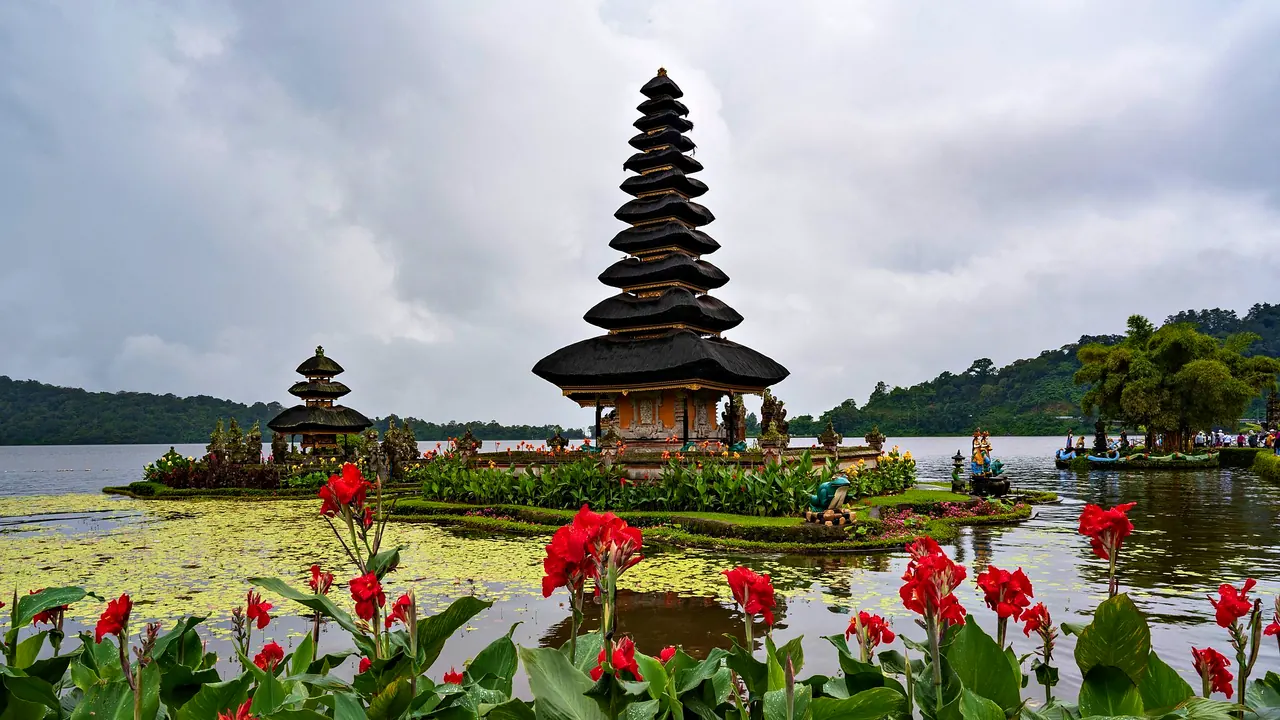
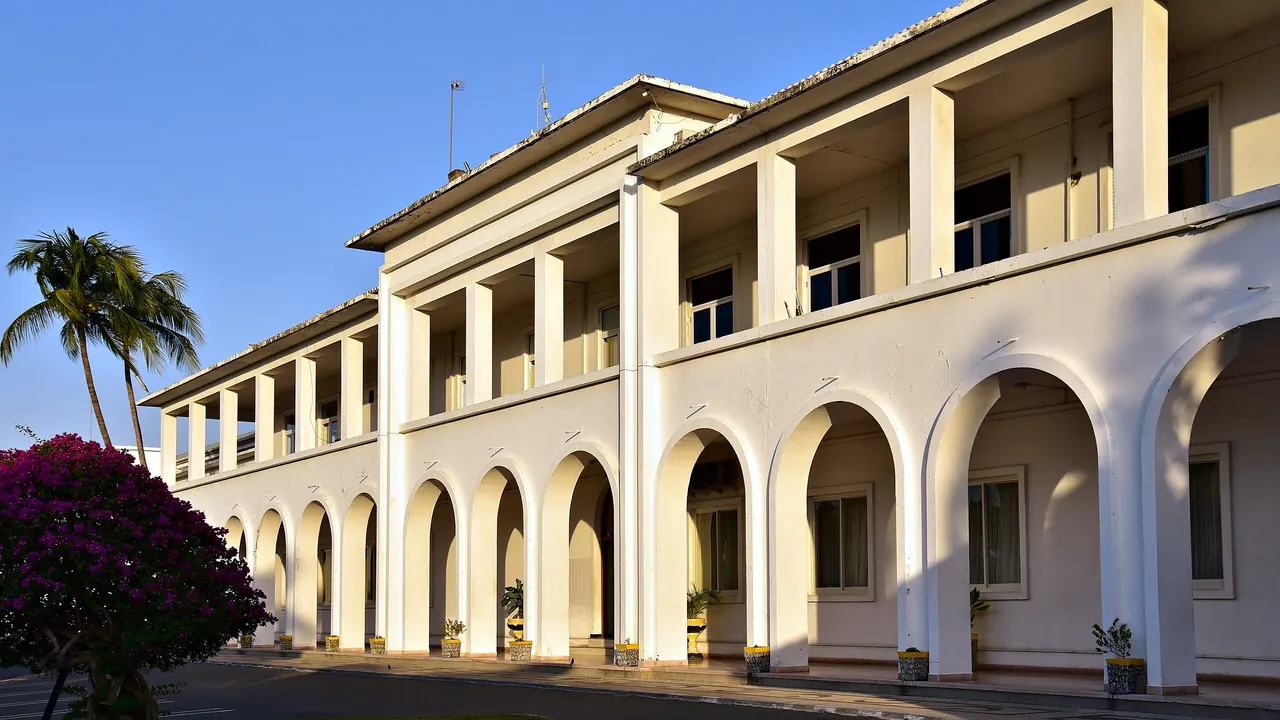
Photos: Bali by Evelin Magnus, Pexels License; Dili by Bahnfrend, CC BY-SA 4.0, cropped.
Bali or Dili?
Our verdict in twelve categories, each scored against the same fixed benchmark cities, and the climate month by month, so you can choose for your trip.
Choose Bali for
- wellness
- nightlife
- live music and the arts
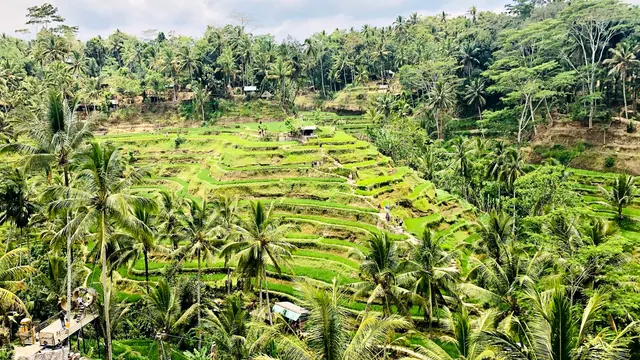
Bali suits almost any traveller who wants an easy tropical trip with plenty to do. It offers surf and lagoon beaches, temples and rice terraces inland, beach clubs at sunset and some of the best spa and yoga culture anywhere. It also handles families and modest budgets far better. The cost is traffic: you choose a base and accept long drives to everything else.
Choose Dili for
- getting around
Dili is for the curious traveller who wants a capital few people visit. You go for its recent history, its quiet coves under Cristo Rei and the reefs and passing whales of the Wetar Strait. Nights are quiet, food is simple and comfort costs more than you might expect. Come for the sea and the story of a young nation, not for a polished resort stay.
Scoreboard
Twelve categories on one fixed scale from 0 to 100. The shaded stretch is the gap between the two.
Your match
Pick a travel style or drag the sliders, and both match scores follow your weighting.
Wins on wellness and nightlife with your weighting.
Wins on getting around with your weighting.
What matters to you?
Category by category
What the scores mean for a trip.
Beaches & swimming
Both seas are warm all year, but Bali gives you far more choice of beach. You get surf and sunsets on the west-coast sands of Kuta and Canggu, calm reef-sheltered lagoons at Sanur and Nusa Dua, and pale coves under the Bukit cliffs. Loungers and beach facilities are easy to find.
Dili's beaches are calmer and much emptier. Areia Branca and the cove behind Cristo Rei have no lifeguards or resorts. Crocodiles mean swimmers follow local habits and stay away from river mouths. Its best water is on Atauro, a boat ride away.
Food & drink
Bali eats far better. Its Hindu kitchen has babi guling, bebek betutu and lawar from warungs and Denpasar's markets. On top of that come Canggu's coffee and brunch culture and Ubud's ambitious tasting menus.
Dili's strengths are few but real: excellent highland arabica, fish grilled on the beach road at dusk and Portuguese custard tarts left over from colonial rule. Most other meals are on short seafront menus aimed at aid workers.
Culture & sights
Bali's culture is living and everywhere. You see it in the sea temples at Tanah Lot and Uluwatu, Besakih on the slopes of Agung, the subak terraces of Jatiluwih and Ubud's palace and painting museums. Ceremonies happen around you without warning.
Dili offers something else: the recent history of the struggle against occupation. The Resistance Archive, the Chega! exhibition in the former Balide prison and Santa Cruz Cemetery are sobering and worth seeing, but they fill only a day or two.
Nightlife
Bali has a real night scene in its southwest corner. Pool-and-DJ beach clubs on the Uluwatu cliffs, cocktail lounges in Seminyak and late clubs on the Kuta strip each draw a different crowd.
In Dili, a night out means a sunset drink at Areia Branca or on a hotel terrace and the odd weekend party among expatriates. There is no club scene, and the city is quiet well before midnight.
Nature & outdoors
Bali has more to offer on land and at sea. You can climb Batur before dawn, walk the misty crater-lake highlands of Munduk, and cycle the terraces of Sidemen. In the water there are famous surf breaks on the Bukit, the Tulamben wreck and manta rays off Nusa Penida.
Dili's nature is almost all in the sea, but it is special. Shore dives start minutes from town, Atauro's reef walls are extraordinarily rich in fish, and whales pass through the strait late in the year. On land there is little organised: the hills around Dare and rough roads.
Day trips
Neither is a great base for day trips, but Bali has more choice. The old Bali Aga villages of Tenganan and Penglipuran, the slow valleys of Sidemen and an easy fast boat to Nusa Lembongan all make good outings, though traffic slows every one.
From Dili, Atauro Island is the one clear highlight. After that come the slow coast road to Liquica and the Dutch fort at Maubara, and the war memorial at Dare. Baucau needs an overnight stay.
Good for families
Bali suits families far better, as long as you choose Sanur or Nusa Dua. Both have calm water, flat beachfront paths and resort kids' clubs, and the island adds water parks, a safari park and Ubud's Monkey Forest. Traffic, rip currents on the surf beaches and stomach upsets are the drawbacks.
Dili has calm water for a paddle and people who are warm to children, and little more. There are no attractions for children, dengue is a real risk and serious medical cases are flown abroad.
Getting around
Dili is the easier of the two for day-to-day travel. Its centre is small and strung along the bay, and numbered microlets run along the main roads. Heat and broken pavements are the main nuisance, and anywhere beyond the city needs a 4x4.
Bali has no public transport a visitor can really use. The south between the airport, Seminyak, Canggu and Uluwatu is jammed for much of the day, so most people rely on drivers, ride-hailing apps or a scooter, which only experienced riders should take on.
Shopping & style
Bali has more to buy and more variety. Craft villages on the Ubud road specialise in silver at Celuk, woodcarving at Mas and stone at Batubulan, and designer boutiques in Seminyak and Canggu sell linen, ceramics and surfwear. Big luxury brands are scarce.
In Dili, the one thing really worth buying is tais, the handwoven Timorese cloth with district patterns, sold at its own market in the centre. Highland coffee makes a good gift, and there is little else.
Affordability
Bali gives far more for your money. Pool villas, warung meals, massages and drivers by the day are cheap, and prices drop again around Ubud and on the quiet coasts. Seminyak's beach clubs and the clifftop resorts are the exceptions.
Dili surprises people the other way. Because most goods are imported and hotels are priced for diplomats, a comfortable room and a Western-style meal cost about what they would in a mid-range European city. Only market food and microlets are truly cheap.
Live music & performing arts
In Bali, traditional performance is easy to see. Legong, Barong and shadow puppetry with gamelan play almost nightly in Ubud's palace courtyards, and the Kecak is chanted at sunset above Uluwatu. Denpasar holds its arts festival in the dry season.
In Dili, tebe-tebe dancing and drumming happen only at national celebrations and community events, and choirs sing at Sunday Mass. Seeing either depends on luck with your timing.
Wellness & relaxation
Rest is one of the main reasons people choose Bali. Ubud's valleys are full of yoga and meditation retreats and spas among the rice fields. You can bathe at the dragon-spout springs of Banjar or the pools beside Lake Batur, and Sidemen and Amed are calm. Just stay away from the noise of the southwest.
Dili has no spa culture beyond a few basic massage places and hotel spas. Its slow seafront mornings and sunsets over the bay are pleasant, but the dust and heat make it a place to travel through rather than to rest in.
When should you go?
Pick your month. The climate figures are measured averages, not a forecast.
Bali in July
Dili in July
Daytime high, °C
Rainfall in the month, mm
Where the figures come from
Dili has no weather station within reach, so its figures come from a gridded climate model rather than a measured record, and read a broad area rather than one spot.
Temperature and rainfall are climate normals, averaged over the years shown. Bali: 1991-2020 normals, Denpasar / Ngurah-Rai (3.5 km from centre). Dili: 2001-2020 normals, NASA POWER reanalysis grid, no weather station within 90 km.
Both places are hot all year, with a wet season around the turn of the year and a long dry spell in the middle. Around Bali's southern resort area, daytime highs barely move from about 30°C. The rains last from about November to March and are heaviest in January, at around 400mm. April to October is drier and sunnier, and August is the brightest month. The sea is warm enough for swimming all year, though it cools a little to about 26°C from July to September.
Dili's dry season is longer and drier, with almost no rain from June to October. The heat builds towards about 33°C in October, though, and by midday that makes walking the streets hard work. Through the dry months its sea stays a degree or two warmer than Bali's. December to February is wet in both places, but Dili gets a lot less rain, and even its wettest month falls well short of Bali's. Bali is easiest from May to September. Dili is most comfortable from May to August, before the heat at the end of the dry season.
Which traveller are you?
For a relaxing and wellness trip, Bali is the clear choice. Ubud's yoga studios and retreats, the cheap Balinese massages, the hot springs and the quiet clifftop resorts give it a real tradition of rest. Dili has only a few basic massage places.
For a food and nightlife trip, choose Bali. Babi guling at warungs, Canggu's café scene and tasting menus in Ubud lead into beach clubs and late bars in Seminyak and Kuta. In Dili the evening is usually grilled fish and an early night.
On a family trip with children, Bali works far better. Sanur and Nusa Dua have calm lagoons and kids' clubs, and the island adds water parks and animal parks. Dili has nothing for children, the heat never lets up and medical care is basic.
Before you go
| Measure | Bali | Dili |
|---|---|---|
| Official language | Indonesian | Portuguese, Tetum |
| Currency | Rupiah (IDR) | US Dollar (USD) |
| Sockets | CF50 Hz | CEFI220 V, 50 Hz |
| Driving side | Left | Left |
| Time zone | UTC+8 | UTC+9 |
| Emergency number | 112 | 112 |
| Elevation | - | 11 m |
| Main airport | Denpasar I Gusti Ngurah Rai International Airport (DPS)64 non-stop destinations | Presidente Nicolau Lobato International Airport (DIL)6 km from centre9 non-stop destinations |
By the numbers
| Measure | Bali | Dili |
|---|---|---|
| Population | 4,404,300 | 222,323 |
| People per km² | 782 | 1,245 |
| Museums within 10 km | - | 1 |
| UNESCO World Heritage sites within 50 km | - | 0 |
| Swim season, months above 21 °C | 12 months | 12 months |
Where else could you go?
Every comparison below shares a destination with this one, so you can follow Bali or Dili somewhere new.