Indonesia
Bali
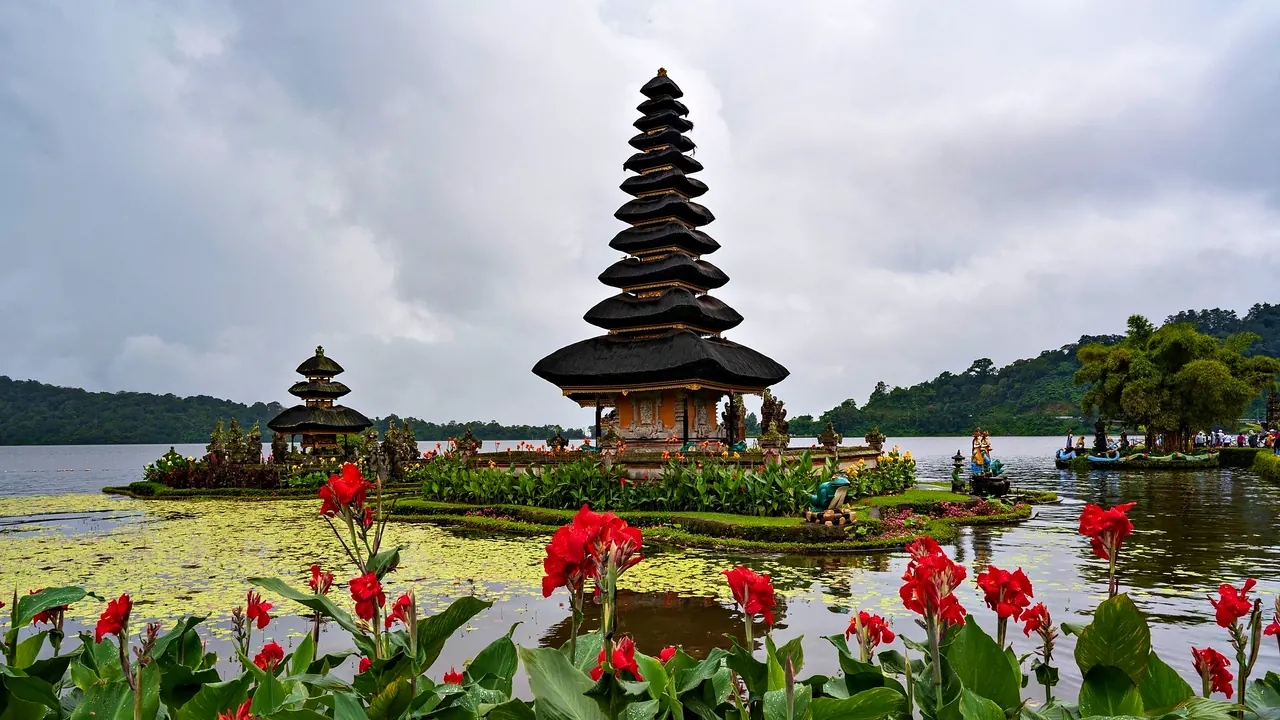
Pura Ulun Danu Beratan on Lake Bratan
- Wellness & relaxation96
- Nature & outdoors86
- Beaches82
Photo: Evelin Magnus, Pexels License
Match
69
Every category weighted equally
- Beach & sun73
- Culture & arts63
- Food & nightlife65
- Family trip68
- Outdoors71
- Relax & unwind74
- Shopping & style65
- On a budget70
Bali in twelve categories
Our verdict on each, scored 0 to 100 against the same fixed benchmark cities, so a score means the same thing on every page.
Beaches & swimming. Scores 82 out of 100.
Food & drink. Scores 74 out of 100.
Culture & sights. Scores 76 out of 100.
Nightlife. Scores 72 out of 100.
Nature & outdoors. Scores 86 out of 100.
Day trips. Scores 50 out of 100.
Good for families. Scores 68 out of 100.
Getting around. Scores 22 out of 100.
Shopping & style. Scores 62 out of 100.
Affordability. Scores 77 out of 100.
Live music & performing arts. Scores 60 out of 100.
Wellness & relaxation. Scores 96 out of 100.
Bali category by category
Beaches & swimming
82The sea around Bali is warm all year, usually around 27°C to 29°C, and beach life shapes most stays in the south. The coasts behave differently. The long west-facing sands of Kuta, Seminyak and Canggu are made for surfing and sunsets, but the waves and rip currents are strong, so swimming means staying between the flags. For calm water, Nusa Dua and Sanur on the east side of the south sit behind reefs, with gentle, shallow lagoons. The Bukit peninsula has the most beautiful spots: pale sand coves under limestone cliffs at Padang Padang, Bingin and Melasti, some reached by long flights of steps.
Further afield, Amed and the north coast around Lovina have dark volcanic sand and quiet water that suits snorkellers more than sunbathers. The dry season, roughly April to October, brings the clearest water. In the wet months, currents can wash debris onto the west-coast beaches. The small islands of Nusa Lembongan and Nusa Penida, a short boat ride away, add clear water and a few striking bays.
Food & drink
74Balinese cooking is very different from the rest of Indonesia because the island is Hindu and pork is central. Babi guling, a spit-roast suckling pig with crackling and spiced rice, is the dish to seek out. So are bebek betutu, duck slow-cooked in banana leaves, sate lilit wound on lemongrass sticks, and lawar, a ceremonial mix of minced meat, coconut and spices. You eat these best at simple warungs and in the morning markets of Denpasar and the towns inland. Nasi campur, rice with several small side dishes, is the everyday lunch everywhere.
On top of this sits a large international scene, built for a population of long-stay visitors. Canggu and Seminyak have brunch cafés, smoothie bowls, serious coffee roasters and plant-based kitchens. Ubud and Seminyak add ambitious tasting-menu restaurants that cook with Indonesian ingredients. Coffee from the Kintamani highlands and the island's own rice wine, arak, round things out. The weak spot is the large amount of forgettable tourist food along the busiest strips.
Culture & sights
76Bali's heritage is a living one. Every village has its temples, every house compound has its shrine, and offerings of flowers and rice line the pavements each morning. The great sea temples are the best-known sights: Tanah Lot on its rock in the surf and Uluwatu on a clifftop above the Indian Ocean. Inland, Pura Besakih climbs the slopes of Mount Agung as the island's mother temple, Ulun Danu Bratan stands on a crater lake, and pilgrims bathe in the springs of Tirta Empul. The UNESCO-listed subak rice terraces of Jatiluwih show the island's ancient water temple system.
Ubud is the best base for culture. Its royal palace and the painting collections of the Neka, ARMA and Puri Lukisan museums are all nearby, as are the carved cave of Goa Gajah and the Gunung Kawi rock shrines. Klungkung's Kerta Gosa pavilion has painted ceilings, and Taman Ayun has its tiered shrines. Ceremonies and processions can happen at any time, and they are often the most memorable things a visitor sees. The museums are modest, though, and reaching the major temples means long drives across the island.
Nightlife
72Going out in Bali happens in the southwest, and each area has its own character. The beach clubs of Seminyak, Canggu and the Uluwatu cliffs are the island's signature. People spend the afternoon by a pool and stay through sunset as the DJs take over. Canggu has the youngest crowd, with bar-hopping along the rice-field lanes and clubs that run past midnight on the busy nights. Seminyak has more polished cocktail bars and lounges. Kuta and Legian are the loud, cheap party strip, with clubs open until the early hours and a crowd of backpackers and first-timers.
Away from that corner, nights are quiet. Ubud winds down soon after dinner, and Sanur and Nusa Dua are resort-calm. During Nyepi, the Balinese day of silence each spring, the whole island shuts down, nightlife included.
Nature & outdoors
86Bali is a volcanic island, and its interior is far more dramatic than its southern resorts suggest. Mount Batur's crater rim is a pre-dawn climb that ends with sunrise above a caldera lake. Mount Agung, sacred and much harder, rises above the east. Between them lie the misty highlands of Munduk and Bedugul, with crater lakes, clove forests and waterfalls. The terraced valleys of Sidemen and the rice fields around Ubud are good for walking and cycling. Wildlife is mostly at sea, though West Bali National Park protects forest and mangroves in the far west.
The water is the island's other great draw. The reef breaks of the Bukit peninsula, including Uluwatu and Padang Padang, are among the best-known surf spots in the world, and beginners learn at Kuta and Canggu. Divers come for the shipwreck at Tulamben, the walls of Menjangan island and the manta rays off Nusa Penida, where ocean sunfish appear in the cooler months. The dry season, roughly April to October, is best for hiking, and the volcano climbs are at their best then.
Day trips
50Day trips are a modest part of a Bali stay. The island's great temples and Ubud's museums are the main sights, and once you have seen them there are few separate towns to visit. The most rewarding outings are to the old Bali Aga villages. Tenganan, near Candidasa, is a walled village that keeps its pre-Hindu customs and its double-ikat weaving. Penglipuran, in the hills near Bangli, has a single tidy street of matching family gateways. In the east, the rice valley of Sidemen and the fishing villages of Amed make a slow day away from the south.
Across the water, Nusa Lembongan is the easiest island outing, about half an hour by fast boat from Sanur, with seaweed-farming villages and a small harbour. The Gili Islands and Lombok are further out and are better treated as a separate stay than as a day out. Traffic in the south makes every trip longer than the map suggests, so most visitors manage one or two outings and spend the rest of the stay close to their base.
Good for families
68Bali works well for families who choose their base carefully. Sanur and Nusa Dua are the easy options. Both have calm reef-sheltered water, flat beachfront paths and resorts with kids' clubs and shallow pools. The island has a large water park in Kuta, a safari park and a zoo near Gianyar, and elephant and turtle visits. Ubud's Monkey Forest delights children, but the monkeys grab and bite, so keep a close eye. Balinese people are warm with children, and babies get attention everywhere, as do toddlers. Villas with private pools make longer stays comfortable.
The harder parts are getting around and health. Roads in the south are congested and often have no pavements, so pushchairs are of little use. The surf beaches of Kuta, Seminyak and Canggu have strong rips. Stomach upsets are common, and rabies means animal bites need prompt treatment. Heat and humidity tire small children quickly, and long drives to the temples and volcanoes test their patience.
Getting around
22Getting around is Bali's weakest point. There is no public transport a visitor can really use. Roads are narrow, and in the south, between the airport, Kuta, Seminyak, Canggu and Uluwatu, traffic is heavy for much of the day. Pavements are broken, uneven or missing. Most visitors hire a car with a driver by the day, use ride-hailing apps for cars and motorbike taxis, or rent a scooter. Scooter riding suits experienced riders only, as the traffic is chaotic and accidents are common.
Distances look small on the map but take time. Reaching the north coast or the far east is a long, winding drive over the mountains. The easiest approach is to pick one or two bases close to what you came for and treat longer journeys as full days out. Small boats run from Sanur and Padangbai to the offshore islands.
Shopping & style
62Shopping in Bali is about crafts, homeware and relaxed resort fashion, not big brands. On the road to Ubud, each village specialises in a craft. Celuk is known for silver and gold jewellery, Mas for woodcarving and Batubulan for stone carving. Ubud itself has painting studios and an art market selling sarongs, baskets and carvings. It is fun to browse, but bargaining is expected and much of the stock repeats from stall to stall. Look for ikat and endek weaving, made in East Bali villages such as Sidemen.
Seminyak and Canggu have independent boutiques selling linen, swimwear, surf labels, ceramics and furniture. Many are run by designers who live on the island. A few malls in Kuta and Nusa Dua cover international chains, but serious luxury shopping is limited.
Affordability
77Bali offers a lot of comfort for the money. Guesthouses and villas with private pools cost a fraction of what they would in Europe or Australia. A warung meal of nasi campur or babi guling is very cheap, and massages and drivers by the day are within easy reach of most budgets. Inland around Ubud and Sidemen, and on the quieter east and north coasts, prices fall further.
The island also has a second, international price level. Beach clubs, brunch cafés and cocktail bars in Seminyak, Canggu and Uluwatu charge close to Western prices, and so do the cliff-top resorts. Imported wine and spirits are heavily taxed. Temple entry fees and boat trips to the Nusa islands add up over a longer stay.
Live music & performing arts
60Bali has a living tradition of dance and gamelan music, and it is easy for a visitor to see. In Ubud there are performances almost every night in palace courtyards and temple forecourts. These include the graceful Legong, the Barong dance with its lion-like protector, and wayang kulit shadow puppetry, all accompanied by bronze gamelan orchestras. At sunset on the cliffs of Uluwatu, the Kecak is performed by a circle of chanting men telling an episode from the Ramayana. Village temple festivals often include dance and music performed for the gods rather than for visitors.
In the dry season, Denpasar hosts the Bali Arts Festival, a long-running event with weeks of competitions between village troupes. Live bands play in the bars of Canggu and Seminyak. There is little in the way of opera, orchestral concerts or theatre.
Wellness & relaxation
96Slowing down is one of the main reasons people come to Bali, and Ubud is the centre of it. The town and the valleys around it are full of yoga studios, meditation and breathwork retreats, and spas set among rice fields and river gorges. Balinese massage and the traditional boreh spice scrub cost little and are offered at every level, from simple village rooms to luxury jungle pavilions. Purification at the holy spring of Tirta Empul is a spiritual ritual first, but visitors may take part respectfully.
There are natural hot springs at Banjar near Lovina, where carved dragon spouts pour into stone pools, and on the shore of Lake Batur. The clifftop resorts of the Bukit and the quiet coasts of Sidemen, Amed and the north offer real calm. The south-west around Kuta and Canggu is noisy and congested, so choose somewhere else to rest. Nyepi, the yearly day of silence, brings the whole island to a stop.
Where to stay in Bali
Most first visits split the stay between the south coast and Ubud. On the coast, the choice depends on the water you want and how you like your evenings. Seminyak and Canggu suit couples and younger travellers who want surf, sunset beach clubs, brunch cafés and boutiques, though traffic is heavy and the sea is rough for swimming. Sanur and Nusa Dua are the calm option, with reef-sheltered lagoons, flat beachfront paths and quiet nights, which makes them the easy choice for families. The Bukit peninsula around Uluwatu suits surfers and anyone after clifftop views over pale sand coves.
Ubud, inland among the rice fields, is the base for culture, food and slowing down. Days go to temples, valley walks, yoga and spas, evenings to dance in palace courtyards, and the town is quiet soon after dinner.
A second visit is the time for the quieter edges. Sidemen's terraced valley suits walkers, Amed suits snorkellers and divers heading for Tulamben, and Lovina or the Munduk highlands reward a slow stay in the north. These are long, winding drives from the south, so treat each as a base of its own rather than a day out, and allow most of a day for each move.
When should you go?
Pick a month to see what it is like. The climate figures are measured averages, not a forecast.
Bali in July
Daytime high, °C
Rainfall in the month, mm
The whole year
Shaded against this city’s own year: the deepest cell is its best month for that figure and the palest its weakest.
Temperature and rainfall are climate normals, averaged over the years shown. Bali: 1991-2020 normals, Denpasar / Ngurah-Rai (3.5 km from centre).
Before you go
| Measure | Bali |
|---|---|
| Official language | Indonesian |
| Currency | Rupiah (IDR) |
| Sockets | CF50 Hz |
| Driving side | Left |
| Time zone | UTC+8 |
| Emergency number | 112 |
| Main airport | Denpasar I Gusti Ngurah Rai International Airport (DPS)63 non-stop destinations |
By the numbers
| Measure | Bali |
|---|---|
| Population | 4,404,300 |
| People per km² | 782 |
| Swim season, months above 21 °C | 12 months |
Compare Bali with
Every comparison with a written verdict behind it.