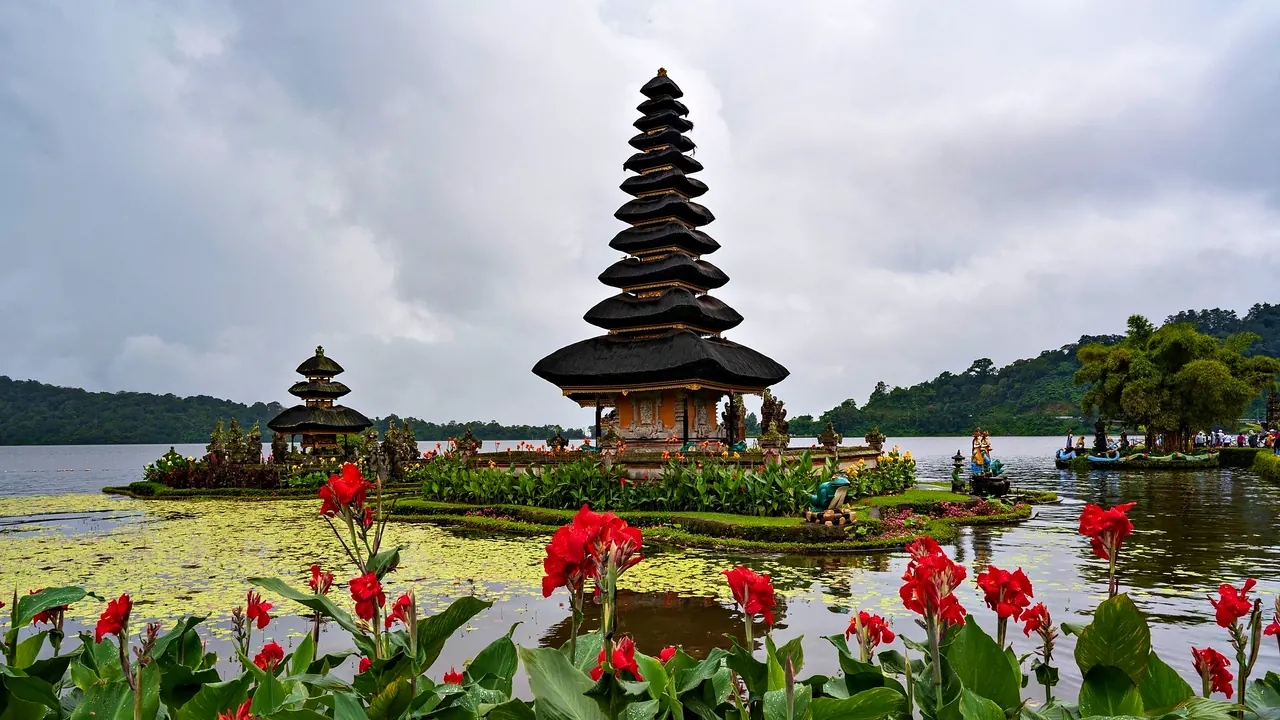
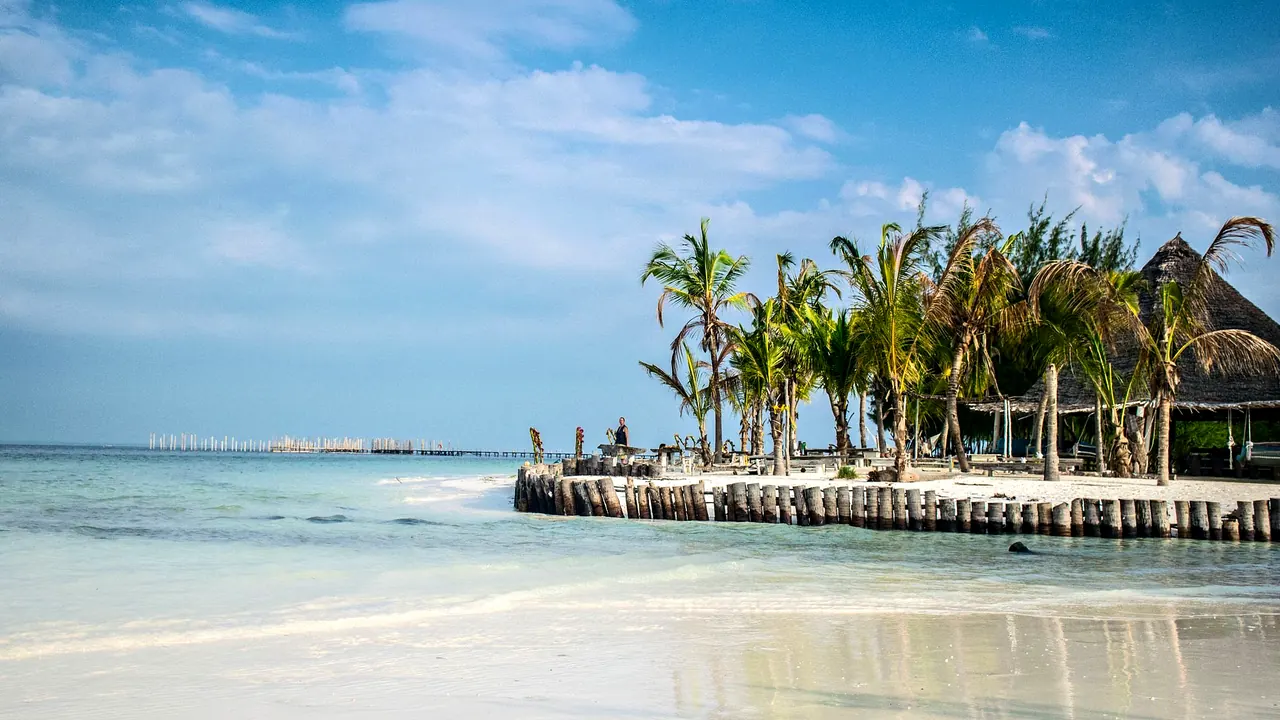
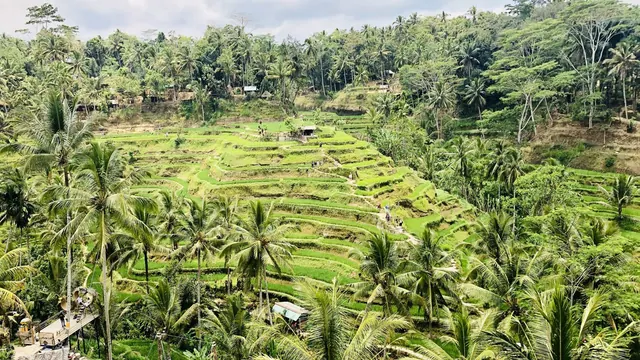
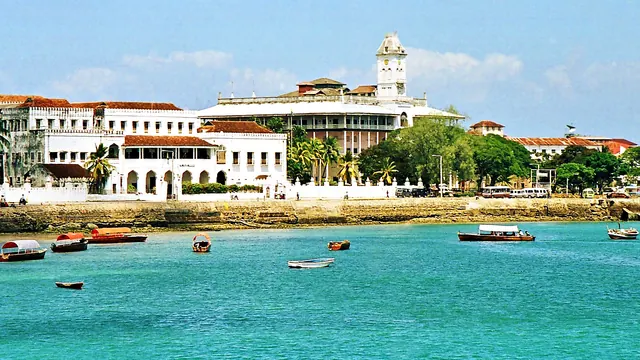
Photos: Bali by Evelin Magnus, Pexels License; Zanzibar by Ákos Helgert, Pexels License.
Bali or Zanzibar?
Our verdict in twelve categories, each scored against the same fixed benchmark cities, and the climate month by month, so you can choose for your trip.
Choose Bali for
- wellness
- nightlife
- shopping
Bali suits travellers who want a trip with plenty going on. In one stay you can watch sunrise from a volcano rim, wander temples and rice terraces around Ubud, learn to surf, settle into a yoga retreat and spend an evening at a cliff-top beach club. It also costs less on the ground and has better family bases. In return you have to accept slow, congested roads and choose your base with care.
Choose Zanzibar for
- getting around
- beaches
Zanzibar is the simpler, slower choice, and the better one for a beach stay with little else on the agenda. The northern beaches have white coral sand and water you can swim in at any tide. The pace is unhurried, and Stone Town's Swahili lanes give a day or two of real history. You give up Bali's mountains, nightlife and range of retreats, but distances are short and there is less to organise.
Scoreboard
Twelve categories on one fixed scale from 0 to 100. The shaded stretch is the gap between the two.
Your match
Pick a travel style or drag the sliders, and both match scores follow your weighting.
Wins on wellness and nightlife with your weighting.
Wins on getting around and beaches with your weighting.
What matters to you?
Category by category
What the scores mean for a trip.
Beaches & swimming
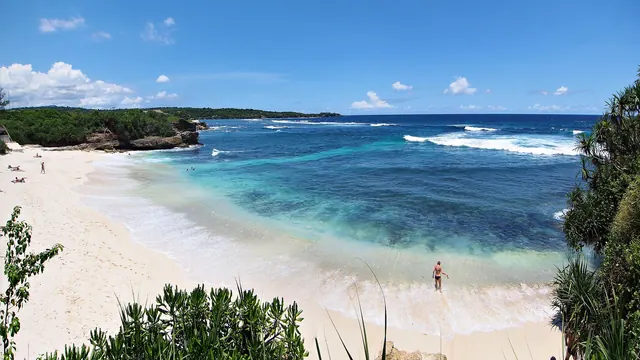
The sea is equally warm around both islands, so the difference is in the sand and the swimming. Bali's best-known stretch, from Kuta to Canggu, is a surf coast with strong rips, and swimmers there stay between the flags. For calm water you go to Sanur or Nusa Dua behind the reef, and the prettiest coves lie under the Bukit cliffs, some at the bottom of long stairways.
Zanzibar has the classic white-sand beach with palms behind it. At Kendwa and Nungwi in the north the water is deep enough to swim at any tide. The east coast is less easy, because at Paje and Jambiani the sea pulls back hundreds of metres at low tide, so swimming there depends on the tide table.
Food & drink
Bali gives a food lover much more to explore. Its Hindu kitchen, with babi guling, bebek betutu and lawar from simple warungs and the Denpasar morning markets, is unlike the rest of Indonesia. Canggu, Seminyak and Ubud add coffee roasters, brunch spots and tasting menus.
Zanzibar's spice-trade cooking is at its best in Stone Town, where the Forodhani evening stalls, urojo soup and clove-scented pilau make a memorable first night. On the beaches the choice narrows to grilled fish and resort buffets.
Culture & sights
Bali's culture is spread across the island and is part of daily life. There are sea temples at Tanah Lot and Uluwatu, Besakih on the slopes of Mount Agung and the subak rice terraces of Jatiluwih. Ubud adds its palace and painting museums. Seeing it all takes long drives, but a procession you happen upon can be the highlight of the trip.
On Zanzibar nearly everything is in Stone Town. Its carved doors, the Palace Museum of the Omani sultans and the cathedral on the site of the old slave market make a moving day or two on foot. Beyond the town there are a few ruined palaces and the Persian baths, but there is less to fill a longer stay.
Nightlife
Bali's southwest offers a real night out in several styles. Beach clubs at Seminyak, Canggu and Uluwatu run from the afternoon pool into the night, Seminyak has polished cocktail lounges, and Kuta and Legian have cheap clubs open until the early hours.
Zanzibar's evenings mean bonfires and beach bars at Nungwi and Kendwa, kitesurfer bars in Paje and rooftop sundowners over Stone Town's harbour. The full-moon party is the one big night. Otherwise there are hardly any clubs, most places are quiet by midnight, and Ramadan quietens things further.
Nature & outdoors
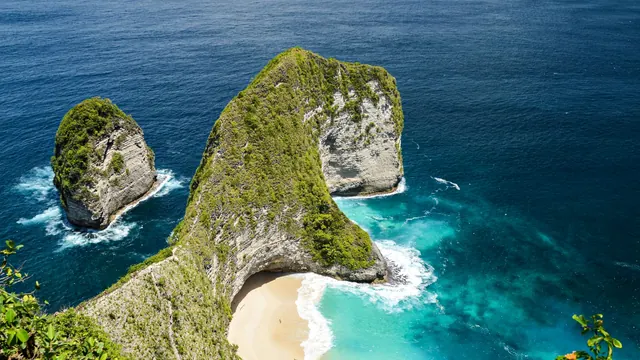
This is where the two islands differ most. Bali is volcanic. You can make a pre-dawn climb to Mount Batur's crater rim, see misty crater lakes and waterfalls around Munduk, and walk or cycle the rice valleys at Sidemen. Divers have the Tulamben wreck and the manta rays off Nusa Penida, and surfers come from around the world for the reef breaks of the Bukit.
Zanzibar is a flat coral island, so its outdoors is gentler and on a smaller scale. Red colobus monkeys live in Jozani Forest, and the protected reef at Mnemba atoll gives clear snorkelling with turtles. Boats from Kizimkazi go out looking for dolphins. The island's real strength is kitesurfing on the shallow lagoon at Paje and Jambiani, where steady trade winds blow through two long windows each year.
Day trips
Neither island is a strong base for outings, but Bali offers a little more. The Bali Aga villages of Tenganan and Penglipuran keep older customs, Sidemen and Amed make a slow day in the east, and Nusa Lembongan is a short fast-boat ride from Sanur. Traffic means most people manage only one or two.
Zanzibar's outings are smaller in scale. You can see the giant tortoises on Changuu, swim from a sandbank, take a spice-farm tour with lunch or visit Kizimkazi's old mosque. From the beaches, Stone Town is the main day out, and Dar es Salaam or Pemba need an overnight stay.
Good for families
Bali is easier with children, as long as you base yourselves in Sanur or Nusa Dua. Both have calm reef-sheltered water, kids' clubs and flat beachfront paths, and there are a water park, a safari park and private-pool villas. The hard parts are roads without pavements, rabies and long drives.
Zanzibar works for a plain beach stay at a north-coast resort. Children enjoy the Changuu tortoises and the Jozani monkeys, but little else is made for them. Malaria precautions and limited medical care make it the harder choice with young children.
Getting around
Both islands depend on taxis and drivers, but Zanzibar is easier. Stone Town is best explored on foot, the main roads are paved, the north and east coasts are about an hour away, and beach villages can be walked along the sand.
Bali has no public transport a visitor can really use. Traffic clogs the south between the airport, Seminyak, Canggu and Uluwatu, and pavements are often missing. Most people hire a driver by the day, and scooters are only for experienced riders.
Shopping & style
Bali is the better place to shop. Along the road to Ubud, Celuk is known for silver, Mas for woodcarving and Batubulan for stone carving. Seminyak and Canggu have boutiques run by island-based designers, selling linen, ceramics and furniture.
Zanzibar's shopping comes down to Stone Town's lanes and Darajani market. You can buy cloves and vanilla by the bag, kanga cloth, Tingatinga paintings and tanzanite, with haggling expected. The beach villages offer little beyond souvenir stands.
Affordability
Your money goes further on Bali. Villas with private pools, warung meals, massages and drivers by the day all cost little, especially inland and on the east and north coasts. Only the beach clubs and cliff-top resorts charge close to Western prices.
Zanzibar has cheap guesthouses in Stone Town and simple bungalows around Paje. Much of the island's accommodation is mid-range to upmarket, though, and taxis, diving and boat trips are priced for visitors and add up quickly.
Live music & performing arts
Bali's dance tradition is easy to see. Ubud holds Legong, Barong and shadow-puppet performances with gamelan almost every night, and the Kecak is chanted at sunset on the Uluwatu cliffs. In the dry season the Bali Arts Festival in Denpasar brings village troupes together.
Zanzibar's own music is taarab, which you can hear at Stone Town's music school and in its cultural halls. The town also holds dry-season festivals of East African music and film. Elsewhere on the island, live music mostly means hotel drumming evenings and beach bands.
Wellness & relaxation
Rest and renewal are among the main reasons people go to Bali. Ubud and its valleys are full of yoga studios, retreats and spas set among rice fields. There are hot springs at Banjar and Lake Batur and a purification ritual at Tirta Empul, while Sidemen and Amed offer real quiet.
Zanzibar's calm comes from its pace rather than its facilities. Days in the beach villages follow the tide, and resort spas offer massages with coconut oil and spices. Yoga is easy to find around Paje and Jambiani, but there is nothing like Ubud's range of retreats.
When should you go?
Pick your month. The climate figures are measured averages, not a forecast.
Bali in July
Zanzibar in July
Daytime high, °C
Rainfall in the month, mm
Where the figures come from
Zanzibar's temperatures are measured 78 km from the centre, at Dar Es Salaam Airport.
Zanzibar has no rain gauge within 25 km of the centre, so its rainfall comes from a gridded climate dataset read at the destination rather than from a gauge further away.
Temperature and rainfall are climate normals, averaged over the years shown. Bali: 1991-2020 normals, Denpasar / Ngurah-Rai (3.5 km from centre). Zanzibar: 1991-2020 normals, Dar Es Salaam Airport (77.9 km from centre).
Both islands are hot all year, with daytime highs of about 30°C to 33°C, and the sea never drops below 26°C. The beach is always warm enough, so the rain decides when to go, and the heat makes early mornings the best time for walking. Bali has a single wet season, heaviest from December to March, and January brings close to 400mm. From May to September it is dry and sunny, with August almost rainless. This is also the time for the volcano climbs and the clearest water.
Zanzibar's rain comes in two bursts. The long rains of April and May are the main one, with April the wettest month at 363mm. Shorter rains follow in November and ease through December. That leaves two good windows, June to October and January to February. Mid-year suits both islands equally well. In January and February, Zanzibar is dry and sunny while Bali is at its wettest.
Which traveller are you?
On a relaxing and wellness trip, Bali is the clear choice. Ubud's yoga studios, meditation retreats and spas in the rice fields have no real match on Zanzibar, and inexpensive Balinese massage and the hot springs near Lovina and Lake Batur add to it.
For a food and nightlife trip, choose Bali. Its Hindu cooking, from babi guling to lawar, and the cafés of Canggu and Seminyak offer far more variety. After dark, beach clubs, cocktail bars and late clubs leave Zanzibar's quiet beach bars well behind.
On a beach and sun trip, Zanzibar has a slight edge. The powder-white sand at Kendwa and Nungwi stays swimmable at every tide, and the island is dry in January and February. Bali's most famous beaches are better for surfing than swimming.
Before you go
| Measure | Bali | Zanzibar |
|---|---|---|
| Official language | Indonesian | English, Swahili |
| Currency | Rupiah (IDR) | Tanzanian Shilling (TZS) |
| Sockets | CF50 Hz | G230 V, 50 Hz |
| Driving side | Left | Left |
| Time zone | UTC+8 | UTC+3 |
| Emergency number | 112 | Police 112, ambulance 115, fire 114 |
| Main airport | Denpasar I Gusti Ngurah Rai International Airport (DPS)63 non-stop destinations | Abeid Amani Karume International Airport (ZNZ)40 non-stop destinations |
| Public holidays this year | - | 13 days |
By the numbers
| Measure | Bali | Zanzibar |
|---|---|---|
| Population | 4,404,300 | 896,721 |
| People per km² | 782 | 569 |
| Swim season, months above 21 °C | 12 months | 12 months |
Where else could you go?
Every comparison below shares a destination with this one, so you can follow Bali or Zanzibar somewhere new.