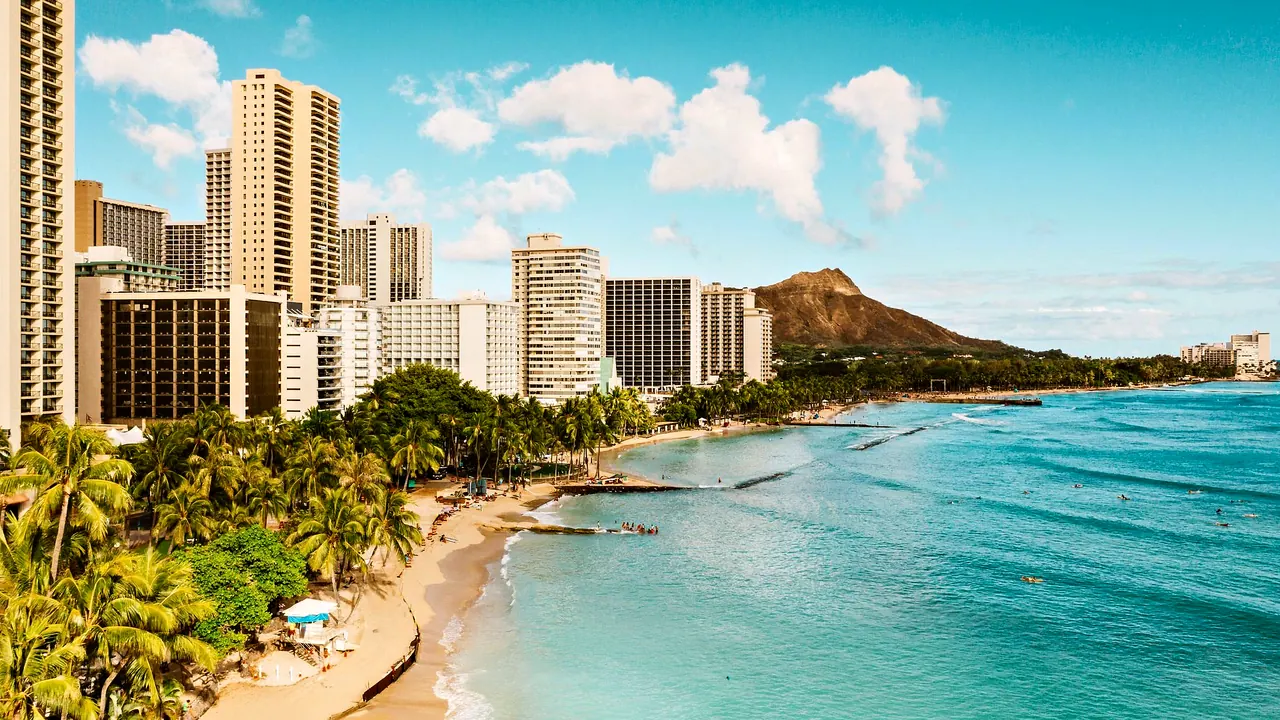
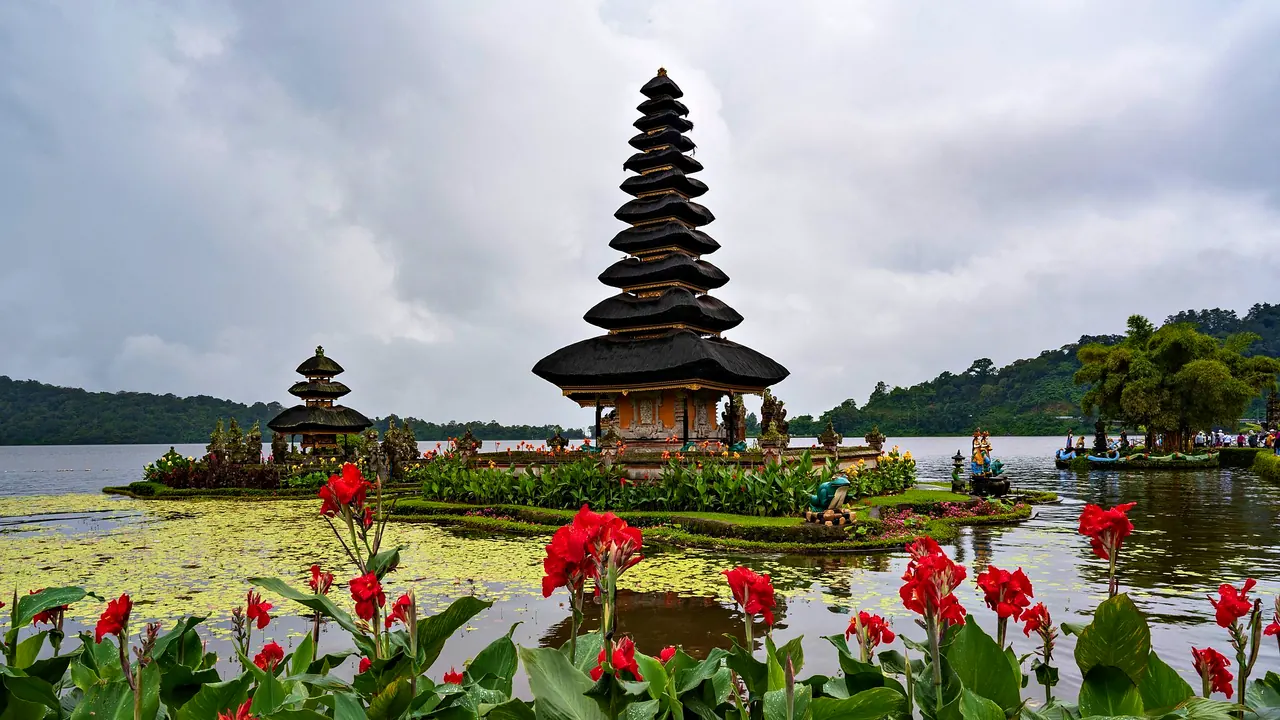
Photos: Hawaii by Jess Loiterton, Pexels License; Bali by Evelin Magnus, Pexels License.
Hawaii or Bali?
Our verdict in twelve categories, each scored against the same fixed benchmark cities, and the climate month by month, so you can choose for your trip.
Choose Hawaii for
- getting around
- beaches
- families
Choose Hawaii when the sea itself is the point and the budget can stretch. Its beaches are more varied, and in any season one shore or another is calm enough for easy swimming. Families find lagoons, an aquarium and resort kids' clubs, and the volcano, canyon and whale outings are spectacular. Evenings are early and the heritage is thinner, but a hire car opens up each island.
Choose Bali for
- prices
- wellness
- nightlife
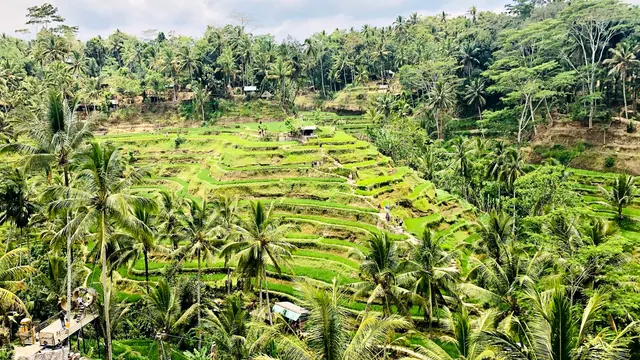
Bali suits travellers who want a long, slow stay with plenty of comfort for the money. You get yoga and spa days in the valleys around Ubud, temple ceremonies and nightly dance, warung cooking and sunset beach clubs on the southwest coast. The roads test your patience, so it works best if you settle into one or two well-chosen bases rather than trying to tour the island.
Scoreboard
Twelve categories on one fixed scale from 0 to 100. The shaded stretch is the gap between the two.
Your match
Pick a travel style or drag the sliders, and both match scores follow your weighting.
Wins on getting around and beaches with your weighting.
Wins on prices and wellness with your weighting.
What matters to you?
Category by category
What the scores mean for a trip.
Beaches & swimming
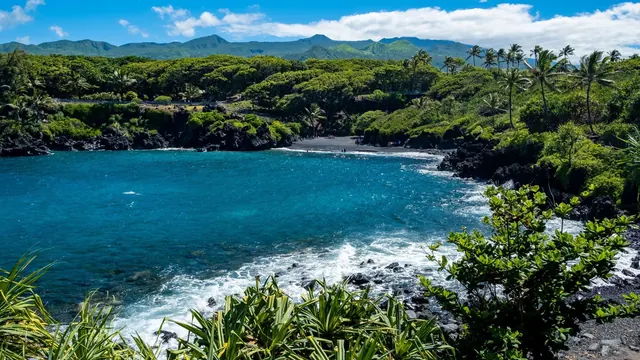
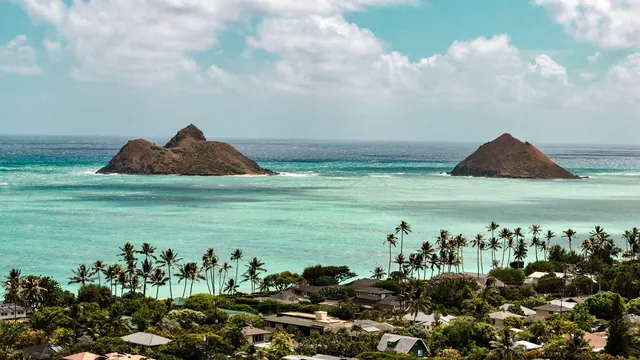
Both have warm water all year, but Hawaii offers more good swimming beaches and more ways to find calm water. Its range covers a city beach with gentle surf at Waikiki, the soft windward sands of Lanikai and Kailua, Maui's resort shores with snorkelling off the rocks, and white crescents like Hapuna against black lava. Because winter swells hit the north shores and summer swells mostly hit the south, there is always a sheltered coast to move to.
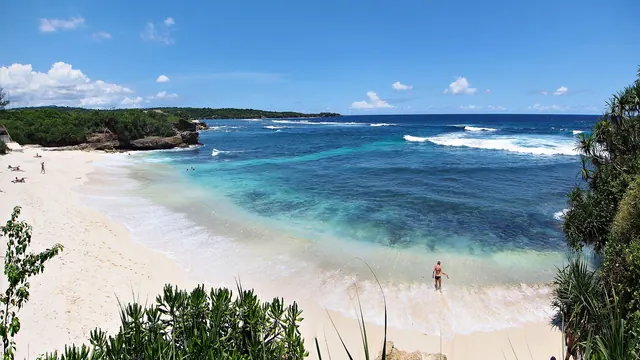
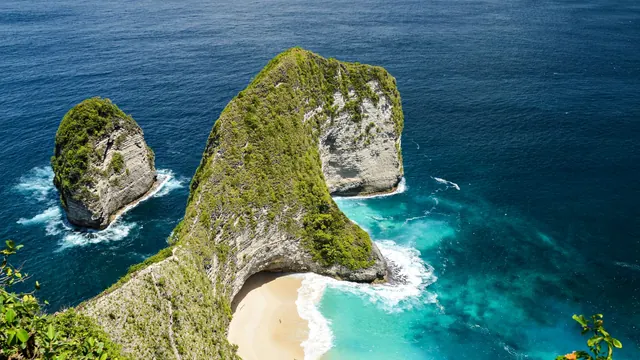
Bali's sea is a couple of degrees warmer, but its beaches are more specialised. The long west-coast sands from Kuta to Canggu are for surfing and sunsets rather than relaxed swimming. Calm water means the reef lagoons of Sanur and Nusa Dua. The prettiest coves, under the Bukit cliffs, can take a long climb down steps to reach.
Food & drink
Bali eats a little better, and its cooking is the more distinctive of the two. Because the island is Hindu, pork is central: babi guling, bebek betutu wrapped in banana leaf and ceremonial lawar are found at warungs and in morning markets well beyond the resorts. Canggu's brunch cafés and Ubud's tasting menus add a polished international layer on top.
Hawaii's strength is its mixed local food: plate lunches, poke sold by weight, Japanese-influenced counters and Korean barbecue, with fresh ahi throughout. The depth is in Honolulu, though. On the neighbour islands, food trucks and farmers markets beat the expensive resort dining rooms.
Culture & sights
Bali's heritage is part of daily life. Offerings line the pavements each morning, and processions can pass at any time. Sea temples like Tanah Lot and Uluwatu, the mother temple of Besakih and the subak rice terraces of Jatiluwih give a cultural traveller far more to fill the days with, even if reaching them takes long drives.
Hawaii's sights are fewer but carefully kept. Iolani Palace, the Bishop Museum's Pacific collections and the Pearl Harbor memorials are stronger as single institutions than Bali's modest painting museums. Beyond Oahu, though, culture means heiau and lava-field petroglyphs, and most visitors see the main sights within a few days.
Nightlife
Bali has much more of a night out, all in its southwest corner. Afternoons at the beach clubs of Seminyak, Canggu and the Uluwatu cliffs roll into DJ sets after sunset, and Kuta and Legian keep their clubs going until the early hours.
Hawaii's going out centres on Honolulu, with cocktail and dive bars around Chinatown and hotel lounges in Waikiki, and it winds down around 2am. On the neighbour islands a sunset drink and an early night before a dawn start is the usual pattern.
Nature & outdoors
Both have outstanding outdoors, and the difference is in kind. Bali's landscape is volcanic but largely farmed. You get the pre-dawn climb up Batur for sunrise over the caldera lake, misty highlands at Munduk, and terraced valleys to walk or cycle through. Its real wildlife is underwater: surf breaks on the Bukit, the Tulamben wreck and manta rays off Nusa Penida.
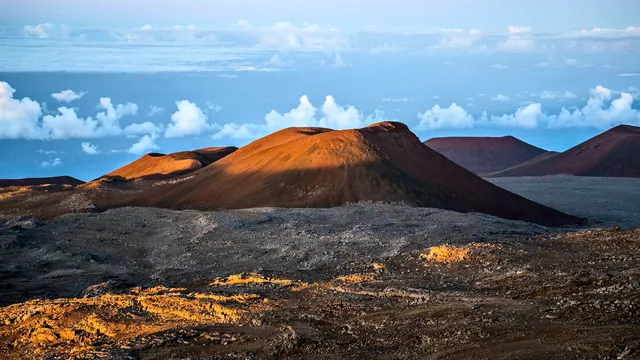
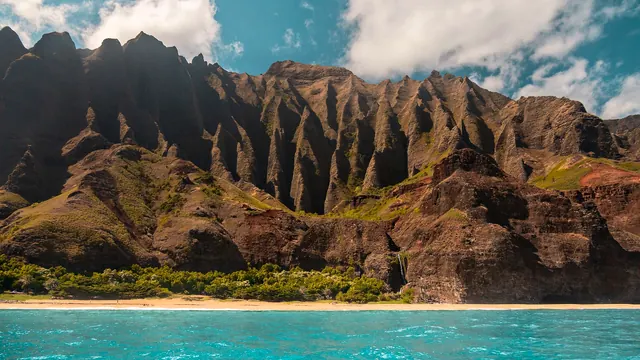
Hawaii is wilder and spread across several islands, each with its own scenery. There are trails across Kilauea's lava fields, the Na Pali cliffs and Waimea Canyon on Kauai, and the crater of Haleakala. Humpback whales come to Maui in winter. It is better for long hikes and national parks, and Bali is better for diving and walks through farmed countryside.
Day trips
Neither is built for day trips, but Bali offers a few more distinct outings. The old Bali Aga villages of Tenganan and Penglipuran, the Sidemen valley and a half-hour fast boat to Nusa Lembongan all feel like real changes of scene, though southern traffic usually limits a stay to one or two of them.
In Hawaii the outings are small towns: Haleiwa on Oahu's North Shore, Hilo's waterfront, Maui's upcountry Makawao and Paia, or the ferry to Lanai. The other islands are a flight away, so they work as a second base rather than a day out.
Good for families
Bali is workable for families who base themselves in Sanur or Nusa Dua. There you get reef-calm water, resort kids' clubs and villas with private pools, and the Balinese are warm towards children. It stays the harder trip, though. Roads without pavements defeat pushchairs, stomach upsets are common, rabies means any animal bite needs prompt treatment, and the drives to temples and volcanoes are long for small children.
Hawaii is clearly the easier family trip. Ko Olina's lagoons and Maui's south-shore bays give shallow swimming, young children can snorkel with turtles, and Honolulu adds an aquarium, a zoo and the full-day Polynesian Cultural Center. Strong surf on exposed beaches and long drives on the neighbour islands are the main things to watch.
Getting around
Neither is easy without wheels, but Hawaii is easier. On Oahu you can walk around Waikiki and take the island buses along most of the coast. On the other islands you hire a car and drive yourself on good, if sometimes slow, roads.
Bali has no public transport a visitor can really use. Traffic clogs the south between the airport and Uluwatu, and pavements are often missing. Most people hire a car with a driver for the day or use ride-hailing, and treat any trip to the north or east as a full day.
Shopping & style
Bali has the better shopping for crafts and design. On the road to Ubud, Celuk is known for silver, Mas for woodcarving and Batubulan for stone. East Bali villages weave ikat and endek, and the boutiques of Seminyak and Canggu sell linen, ceramics and furniture by designers who live on the island.
Hawaii is better for big brands, with luxury labels along Kalakaua Avenue and the malls near Ala Moana. Its local buys are aloha shirts, koa wood, Niihau shell lei and Kona coffee.
Affordability
This is where the two differ most. In Bali, a pool villa, daily massages and a driver are within reach of an ordinary budget, and prices fall further around Ubud and on the quieter coasts. Only the beach clubs, cliff-top resorts and imported drink approach Western prices.
Hawaii is expensive almost everywhere. Resort rooms, restaurant meals and even supermarket shopping cost more because so much arrives by ship, and a hire car and inter-island flights add to the bill. Poke counters, plate lunches, free beaches and a Waikiki condo with a kitchen keep costs down, but only partly.
Live music & performing arts
Bali's dance tradition is easy to see and runs deep. Legong, Barong and shadow puppetry play almost nightly in Ubud's palace courtyards to bronze gamelan orchestras, and the Kecak chant takes place at sunset on the Uluwatu cliffs. In the dry season, the Bali Arts Festival brings weeks of village troupes to Denpasar.
Hawaii's equivalent is hula and slack-key guitar, at its finest at the Merrie Monarch Festival in Hilo each spring. Luaus offer a staged revue rather than real depth. On the other hand, Honolulu has a symphony, a small opera season and the restored Hawaii Theatre, which Bali lacks.
Wellness & relaxation
Bali is one of the world's great places to slow down, and Hawaii does not come close. Around Ubud you find meditation retreats, boreh spice scrubs and spas overlooking river gorges, and visitors may join the purification ritual at Tirta Empul. The carved dragon spouts at Banjar pour into natural hot-spring pools.
Hawaii offers rest through resort spas, with open-air lomilomi massage at Wailea, Kapalua, the Kohala Coast and Poipu, and a few yoga retreats on Kauai's north shore. There are no hot springs or bathing traditions, so it is a well-run resort experience rather than a reason to come.
When should you go?
Pick your month. The climate figures are measured averages, not a forecast.
Hawaii in July
Bali in July
Daytime high, °C
Rainfall in the month, mm
Temperature and rainfall are climate normals, averaged over the years shown. Hawaii: 1991-2020 (sunshine 1981-2010) normals, Honolulu International Airport (10 km from centre). Bali: 1991-2020 normals, Denpasar / Ngurah-Rai (3.5 km from centre).
Bali is hot in every month, so rain decides when to go. The dry season runs roughly April to October. June to September is the driest stretch, with August down to about 12mm, and the sunniest days come from July to October. From November the rains build, and January brings close to 396mm, with heavy downpours and debris washing onto the west-coast beaches. The sea is warm enough to swim all year and a touch warmer in the wet months, though the water is clearest in the dry season.
Hawaii's figures come from a single measuring point. They show a drier, more even year there, but windward coasts such as Hilo get far more rain in winter. Winter brings light showers and highs of around 27°C, which is comfortable for hiking. The sea is at its coolest then, about 24°C, but still fine for swimming. Summer is the hottest and sunniest season, reaching 32°C in August. Both places are driest in the middle of the year, but from December to March Hawaii's leeward shores are a far better bet than Bali in the wet season.
Which traveller are you?
On a relaxing and wellness trip, Bali is the stronger choice. Ubud's valleys are full of yoga studios, retreats and rice-field spas, massage costs little enough to book daily, and the hot springs at Banjar and Lake Batur offer natural soaks Hawaii lacks.
For a trip on a tight budget, Bali stretches the money much further. Guesthouses, pool villas, warung meals and drivers by the day all stay cheap, especially inland. In Hawaii, shipped-in food, resort rooms and a hire car you can hardly do without make even a modest stay costly.
On a beach and sun trip, Hawaii comes out ahead. Waikiki, Lanikai, Wailea and the Kohala Coast give a wide choice of sand you can actually swim from. Bali's west-coast beaches are built for surfers, and calm swimming is mostly limited to Sanur and Nusa Dua.
Before you go
| Measure | Hawaii | Bali |
|---|---|---|
| Official language | - | Indonesian |
| Currency | US Dollar (USD) | Rupiah (IDR) |
| Sockets | AB120 V, 60 Hz | CF50 Hz |
| Driving side | Right | Left |
| Time zone | UTC-10 | UTC+8 |
| Emergency number | 911 | 112 |
| Main airport | Daniel K. Inouye International Airport (HNL)56 non-stop destinations | Denpasar I Gusti Ngurah Rai International Airport (DPS)64 non-stop destinations |
| Public holidays this year | 13 days | - |
By the numbers
| Measure | Hawaii | Bali |
|---|---|---|
| Population | 1,455,271 | 4,404,300 |
| People per km² | - | 782 |
| Swim season, months above 21 °C | 12 months | 12 months |
Where else could you go?
Every comparison below shares a destination with this one, so you can follow Hawaii or Bali somewhere new.