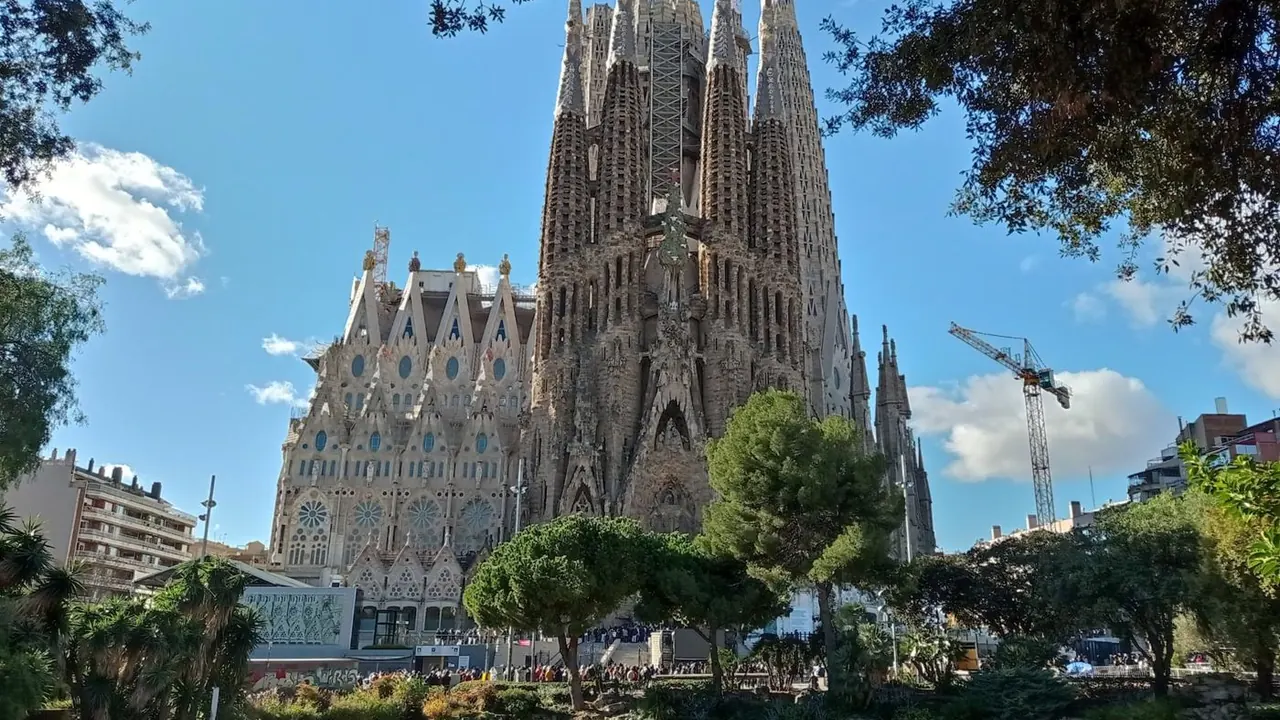
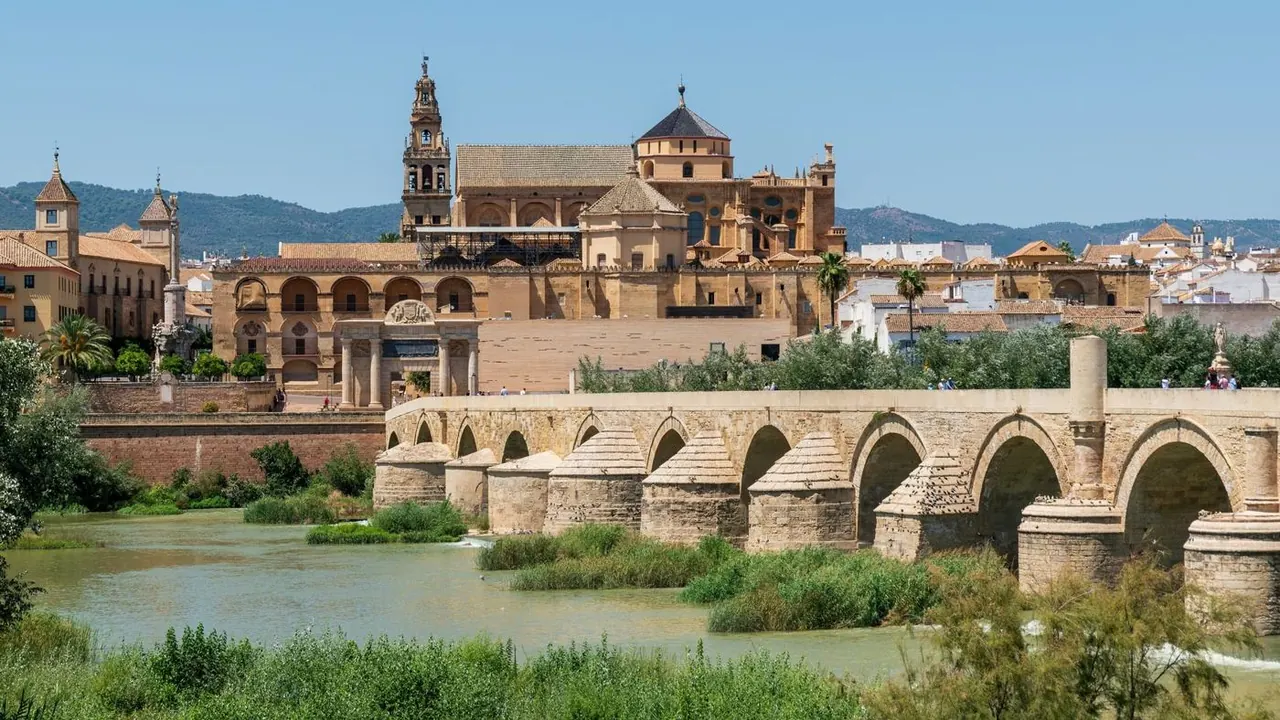
Photos: Barcelona by Canaan, CC BY-SA 4.0, cropped; Cordoba by Jose María Ligero Loarte, CC BY-SA 4.0, cropped.
Barcelona or Cordoba?
Our verdict in twelve categories, each scored against the same fixed benchmark cities, and the climate month by month, so you can choose for your trip.
Choose Barcelona for
- beaches
- nightlife
- shopping
Barcelona suits a longer, fuller trip. You get a sandy seafront within reach of the old town, nights that run until dawn, Catalan cooking and markets with real depth, and enough for children to keep a family busy for a week. It costs more and rarely feels restful, but few cities put a swimming beach next to this much to see and do.
Choose Cordoba for
- prices
- day trips
- wellness
Cordoba rewards a slower, cheaper stay built around one extraordinary monument and the whitewashed lanes around it. The Mezquita, the Juderia and the patio quarters fill two or three unhurried days, and the tabernas are easy on the budget. Fast trains to Seville, Granada and Malaga also make it an excellent base for Andalusia without changing hotel. Come for history and long evenings at the table, not for the sea or the clubs.
Scoreboard
Twelve categories on one fixed scale from 0 to 100. The shaded stretch is the gap between the two.
Your match
Pick a travel style or drag the sliders, and both match scores follow your weighting.
Wins on beaches and nightlife with your weighting.
Wins on prices and day trips with your weighting.
What matters to you?
Category by category
What the scores mean for a trip.
Beaches & swimming
This is the clearest difference between the two. Barcelona has several kilometres of sand running from Barceloneta to Mar Bella, warm enough for swimming from June to late September. They are man-made and crowded in July and August, but Castelldefels, Sitges and the Maresme are less than an hour away by coastal train.
Cordoba lies deep in the Guadalquivir valley, and nobody swims there except in pools or Sierra Morena reservoirs. The Costa del Sol can be done as a long day out by fast train. Anyone who wants regular swims should add nights on the coast.
Food & drink
Barcelona eats more widely. Catalan dishes such as suquet, botifarra with beans and calçots in late winter sit alongside vermouth at midday, seafood rice by the sea and one of Europe's leading tasting-menu scenes. Market counters in Santa Caterina and Sant Antoni add another layer.
Cordoba is narrower but very rooted. Its patio tabernas serve salmorejo, flamenquin, rabo de toro and fried aubergine with cane honey, with chilled Montilla-Moriles wine to drink. A tapas round in Santa Marina or San Agustin is the meal to have, but there is little fine dining or international food.
Culture & sights
Both cities have a world-class set of sights, but they are different in kind. Barcelona's strength is its range: Gaudí's Modernista buildings across the Eixample, a Gothic Quarter on Roman foundations, and museums from Picasso to the MNAC's Romanesque frescoes, enough to fill a week.
Cordoba is built around a single overwhelming building. The Umayyad Mezquita, with a cathedral inside it, is surrounded by the Juderia, the Roman bridge, the Alcazar gardens and the ruins of Medina Azahara. Everything is close together and can be seen properly in two or three days.
Nightlife
Barcelona's nights are much longer and more varied. They move from cellar cocktail bars in the Born and outdoor drinking in Gràcia's squares to electronic club nights that end at dawn, and it stays busy midweek too.
Cordoba's evenings revolve around tables, with late tapas on the terraces around the Corredera, Las Tendillas and the river. The city only stays up all night in summer and during the May fair. The rest of the year the clubs are few and small.
Nature & outdoors
Barcelona has wild country on its doorstep. The Collserola trails start at the edge of the city, and there is sailing and paddleboarding off the northern beaches. Montserrat's pinnacles and the Costa Brava cliff paths are within a couple of hours.
Cordoba's countryside is gentler and harder to reach. You will need a car for the Sierra Morena's oak woods, the birds of prey at Hornachuelos or the limestone gorges of the Subbeticas. With summers above 40°C, you can only walk there in spring and autumn.
Day trips
Both cities make excellent bases, but Cordoba's reach is exceptional. Seville, Granada with the Alhambra and Malaga are all within about an hour and a half by fast train. With a car, Ubeda, Baeza, Carmona and the Montilla bodegas are within reach too.
Barcelona's outings are strong but more local to Catalonia. Medieval Girona is under forty minutes by fast train, with Roman Tarragona, Montserrat, Sitges and the Penedès cava cellars also close. The difference is that Cordoba puts several of Spain's great cities within reach, whereas Barcelona's trips are to smaller towns.
Good for families
Barcelona has far more for children. There is the aquarium, the hands-on CosmoCaixa, the funicular to Tibidabo's old funfair and beaches a metro ride away, with PortAventura about an hour south. The narrow old town is hard going with a pushchair.
Cordoba's car-free centre lets children roam safely. The Alcazar fountains, the horse show at the royal stables and Almodovar castle are hits, but most of the sights are aimed at adults and the summer heat is tough on small children.
Getting around
Barcelona is the easier city to cover from end to end. Its flat grid, a simple metro, trams and bike lanes link the old town, the Eixample and the seafront. Only the hilltops of Park Güell, Montjuïc and Tibidabo take extra effort.
Cordoba is easy only as far as the old town goes. The Mezquita, the Juderia and the patio quarters are all a short walk apart, and the station is close by. Beyond that, the buses are basic, Medina Azahara needs a tourist bus or a taxi, and the countryside needs a car. The cobbled lanes are also hard on wheeled cases.
Shopping & style
Barcelona is a real shopping city. You can find fashion houses on the Passeig de Gràcia, independent designers in the Born, small craft shops in Gràcia and vintage and records in the Raval, though luxury choice is limited.
Cordoba is a place for a few crafted things rather than a shopping trip. Look for silver filigree, embossed guadameci leather, ceramics and locally made guitars, bought from workshops rather than the stalls in the Juderia.
Affordability
Cordoba is clearly the cheaper of the two. Taberna tapas and lunch menus cost little, hotels are good value most of the year and you rarely need transport. The big exception is May, when the festivals push room rates up sharply.
Barcelona costs more than most of Spain. The bill is driven by hotels, especially in summer and near the old town, plus the tourist tax and steep entry fees at the Gaudí buildings. Set lunches and neighbourhood tapas bars help keep costs down.
Live music & performing arts
Barcelona has the broader stage. There is opera and ballet at the Liceu, concerts under the stained glass of the Palau de la Música Catalana, a symphony orchestra and serious theatre. Sónar and Primavera Sound fill the early summer.
Cordoba's great strength is flamenco. It has intimate tablaos and aficionado peñas, a well-known guitar festival and the Noche Blanca del Flamenco, a summer night of free performances in the squares. Beyond that, the Gran Teatro offers a modest programme.
Wellness & relaxation
Neither city is a spa destination, and both offer the same thing: a few Arab-style bath houses in the old town plus the spas in larger hotels. The difference lies in the pace. Barcelona's crowded old town and late nights make rest something you have to look for, on a terrace in Gràcia or the quiet paths of Collserola.
Cordoba slows you down by itself. The old quarters go quiet once the Mezquita crowds have gone, and there are courtyards with fountains and orange trees. In summer, the midday shutdown leaves you little choice but to rest.
When should you go?
Pick your month. The climate figures are measured averages, not a forecast.
Barcelona in July
Cordoba in July
Daytime high, °C
Rainfall in the month, mm
Temperature and rainfall are climate normals, averaged over the years shown. Barcelona: 1991-2020 normals, Barcelona / Aeropuerto (14.4 km from centre). Cordoba: 1991-2020 normals, Cordoba / Aeropuerto (7.6 km from centre).
Barcelona is a beach city from June to late September, when the sea warms to about 25°C in August and summer days stay warm without becoming oppressive. The heaviest rain comes in September and October, at around 83mm a month, usually as heavy showers rather than grey weeks. Spring and late autumn are the best times for walking the streets and the hills, and winters are mild with a fair amount of sun.
Cordoba's year is far harsher. July and August reach 37°C under almost constant sun with hardly any rain, so sightseeing is limited to the early morning and late evening. Its wet season runs from October to December, with about 79mm in both October and November and the most rain in December. October is warm enough for walking, but expect wet days. March to May is the most reliable time to explore. In summer Barcelona is much more comfortable, while in spring and autumn Cordoba is the warmer and sunnier of the two.
Which traveller are you?
On a beach and sun trip, Barcelona is the obvious choice. A run of sandy city beaches is a short walk or metro ride from the old town, and cleaner coast is close by at Sitges and along the Maresme. Inland Cordoba is roughly 160km from the sea.
For a food and nightlife trip, Barcelona offers more. Catalan cooking, covered markets and a serious tasting-menu scene lead into bars that fill after eleven and clubs that run until dawn. Cordoba's tapas rounds are excellent, but its nights are quieter outside summer and the May fair.
On a trip with a tight budget, Cordoba stretches the money further. Tabernas pour Montilla with a tapa for very little, lunch menus are generous and hotels are good value. You can walk everywhere, whereas Barcelona's hotels, tourist tax and Gaudí entry fees soon add up.
Before you go
| Measure | Barcelona | Cordoba |
|---|---|---|
| Official language | Spanish | Spanish |
| Currency | Euro (EUR) | Euro (EUR) |
| Sockets | CF230 V, 50 Hz | CF230 V, 50 Hz |
| Driving side | Right | Right |
| Time zone | UTC+1, UTC+2 in summer | UTC+1, UTC+2 in summer |
| Emergency number | 112 | 112 |
| Elevation | 9 m | 120 m |
| Main airport | Josep Tarradellas Barcelona-El Prat Airport (BCN)13 km from centre235 non-stop destinations | Córdoba Airport (ODB)8 km from centre3 non-stop destinations |
| Public holidays this year | 14 days | 12 days |
By the numbers
| Measure | Barcelona | Cordoba |
|---|---|---|
| City population | 1,731,649 | 323,262 |
| People per km² | 17,094 | 258 |
| Museums within 10 km | 95 | 16 |
| UNESCO World Heritage sites within 50 km | 3 | 2 |
| Swim season, months above 21 °C | 3 months | - |
Where else could you go?
Every comparison below shares a destination with this one, so you can follow Barcelona or Cordoba somewhere new.