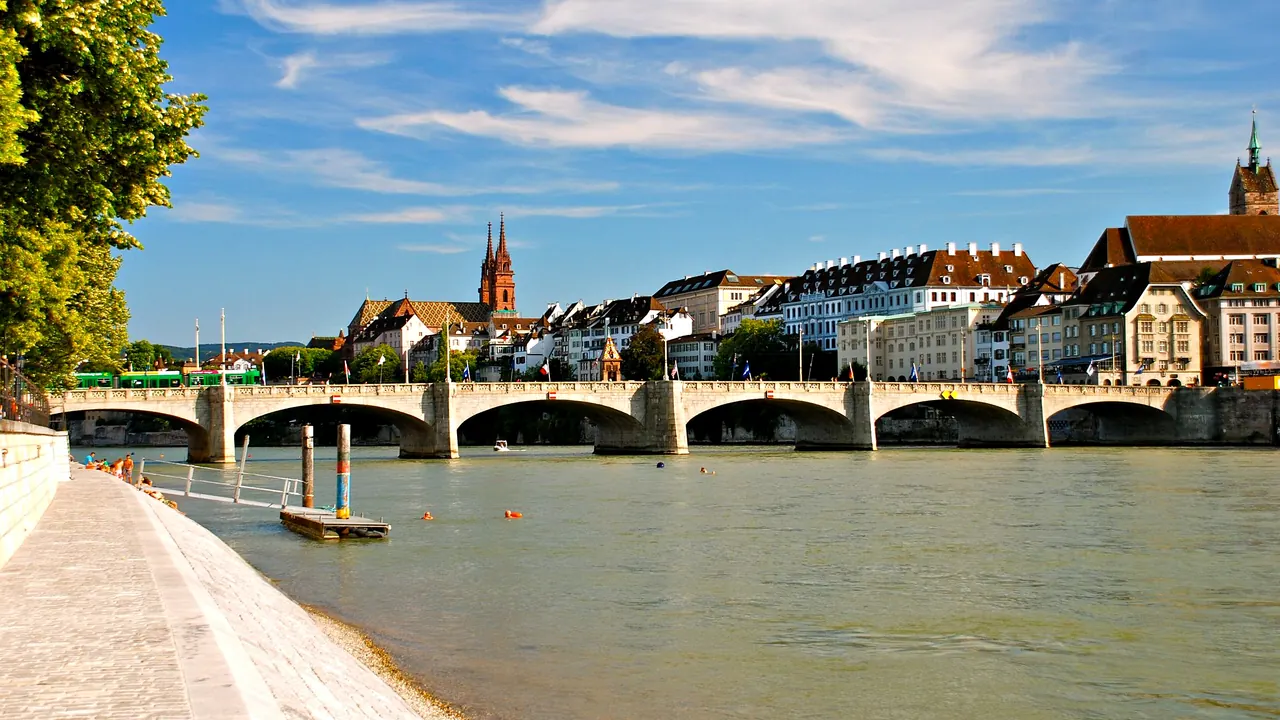
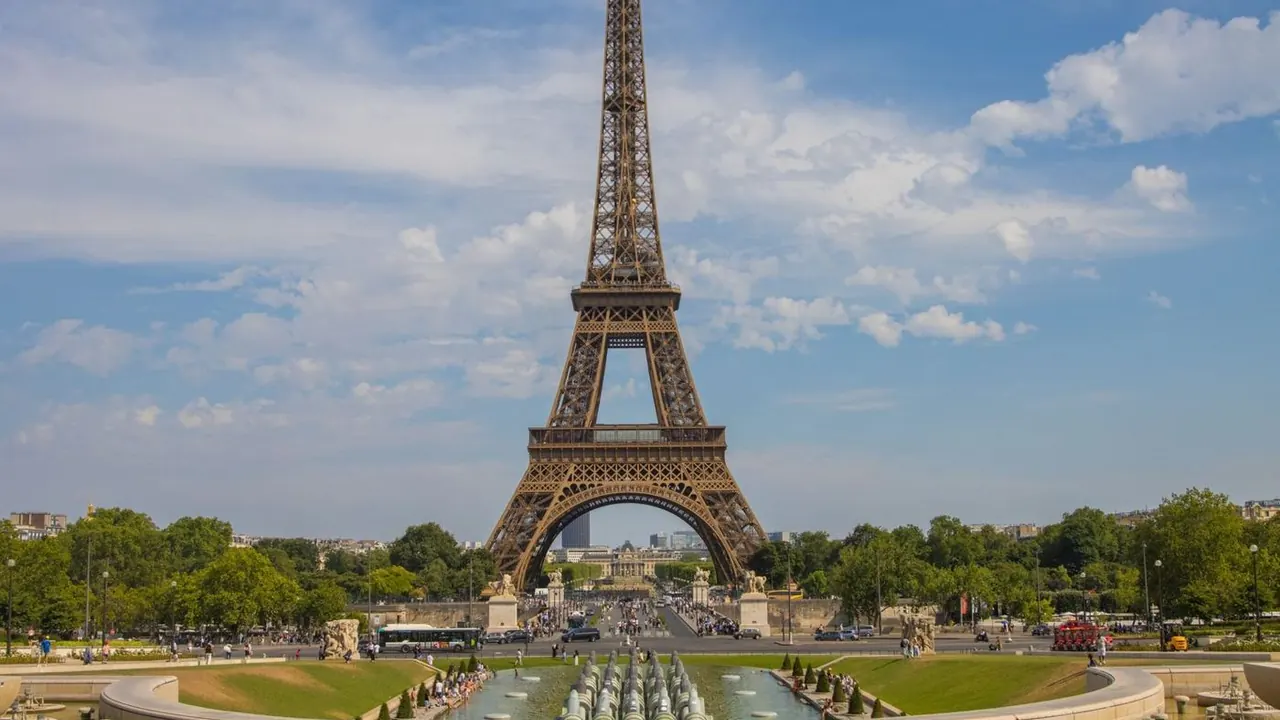
Photos: Basel by Lucazzitto, CC BY-SA 3.0, cropped; Paris by Efrem Efre, Pexels License.
Basel or Paris?
Our verdict in twelve categories, each scored against the same fixed benchmark cities, and the climate month by month, so you can choose for your trip.
Choose Basel for
- beaches
- wellness
- nature and the outdoors
Basel suits a calm, compact trip built around a few great museums, the river and the countryside beyond it. It works best for travellers who want to see Holbein and the Beyeler in the morning, float down the Rhine in the afternoon and spend the next days in Alsace, the Black Forest or Lucerne without ever needing a car. Bring a generous budget, and don't expect much in the way of food, shopping or late nights.
Choose Paris for
- shopping
- food and drink
- nightlife
Paris is the pick for anyone who wants the city itself to be the event. Its museums, kitchens, shops, stages and bars all work on a scale Basel cannot approach, and a week barely scratches the surface. It is busier and louder, and getting around is more tiring. In return, food lovers, fashion shoppers, theatre and opera goers and people who like a long night out will get far more from the same number of days.
Scoreboard
Twelve categories on one fixed scale from 0 to 100. The shaded stretch is the gap between the two.
Your match
Pick a travel style or drag the sliders, and both match scores follow your weighting.
Wins on beaches and wellness with your weighting.
Wins on shopping and food and drink with your weighting.
What matters to you?
Category by category
What the scores mean for a trip.
Beaches & swimming
Neither city has a beach, but Basel has the better swimming. Floating down the Rhine past the Münster with your clothes in a waterproof swim bag is a real summer ritual, and the water is often above 20°C in August. The current is strong, so it is a thing for confident swimmers.
Paris offers a summer cool-off rather than a swim worth travelling for. It has sand laid along the riverbanks, swimming spots on the Bassin de la Villette and in the Seine, and handsome Art Deco pools. Its nearest real sea is the cool Channel at Deauville, about two hours away.
Food & drink
Basel eats well but narrowly. Its own specialities are few: Läckerli biscuits, the browned-flour soup of Fasnacht and riverside sausages in summer. Restaurants borrow tarte flambée from Alsace and wines from Baden, and everyday meals feel expensive for what they are. The Markthalle is the best casual stop, and many locals cross the border to eat in the wine villages.
Paris is a city people plan whole trips around eating in. It has zinc-counter bistros and haute cuisine, natural-wine bars and inventive neo-bistros in the eastern arrondissements, couscous in Belleville and pho in the Asian quarter to the south-east. Every neighbourhood has its bakery, cheese shop and market mornings, so eating well takes no effort at all.
Culture & sights
Basel is a fine museum city for its size. The Kunstmuseum's Holbeins, the Fondation Beyeler in its Renzo Piano building and the Museum Tinguely could each justify a day, and the red sandstone Münster and the Spalenberg lanes give the old town real charm. Three or four days covers it.
Paris works on another level. The Louvre alone could fill a week, and the Orsay, the Orangerie, the Sainte-Chapelle and the Marais townhouses all come on top. The trade-off is queues and booking ahead, which Basel's museums rarely ask of you.
Nightlife
Basel's going out is gentle and seasonal. In summer people drink on the steps by the riverside buvettes on the Kleinbasel bank, there are bars around the Kaserne, and a few clubs play in harbour buildings at weekends. Its one great blow-out is Fasnacht, three days of drums and lanterns that start at four in the morning.
Paris offers far more on any ordinary night. Bars fill Oberkampf, Belleville and the Canal Saint-Martin, Pigalle has its cocktails, and the Marais has its gay scene. When the bars close around 2am, clubs and summer barges carry on until dawn.
Nature & outdoors
Basel has the stronger countryside on its doorstep. The Jura begins just south of the city, and the Black Forest's Feldberg and the Vosges are about an hour away, with good trails, winter walks and some light skiing. The Rhine paths make easy cycling into Germany and France.
Paris is a city of gardens and woods. The Buttes-Chaumont, the Bois de Boulogne and the Bois de Vincennes serve for runs and rowing, and Fontainebleau's boulders and oak forest are forty minutes out. It is pleasant, but the land around it is flat and tame by comparison.
Day trips
Both are superb bases, and Paris has a slightly deeper list. Its trips are mostly about France at its grandest: Versailles, Chartres, Monet's garden at Giverny, Champagne in Reims, and the Loire châteaux from Tours.
Basel's appeal is that one week takes you through three countries. It offers the Alsace wine villages and Colmar, Freiburg and the Black Forest, then Lucerne, Bern and the Rhine Falls back in Switzerland. Its short train rides mean less time in transit for each outing.
Good for families
Paris has much more to fill a family week. It has Disneyland and Parc Astérix, the hands-on Cité des Sciences, the Jardin d'Acclimatation, and carousels and toy sailboats in the Luxembourg. The cost is everyday hassle: metro stairs with a pushchair, small hotel rooms and long queues.
Basel is the reverse, easy but quickly exhausted. It is small, safe and simple to handle with a pram on its trams, and the Zolli is one of Europe's best zoos. After the zoo, the Natural History Museum and the current-pulled ferries, the big outing is Europa-Park, about an hour away by car.
Getting around
Both are easy to get around, in different ways. Basel is small enough that its green trams and walkable riverbanks cover everything, and hotel guests ride free. Some lines even cross the border, and the main station sends direct trains into three countries.
Paris is a great walking city backed by a metro that is dense but demanding. It has long corridors, stairs without lifts, packed lines at rush hour and pickpockets on the tourist routes. In Basel, none of that is an issue.
Shopping & style
Basel's shopping fits into an afternoon. Freie Strasse and Gerbergasse have Swiss watches, chocolatiers and the usual chains, and Spalenberg adds a few design and craft shops. The Christmas market around the Münster is the prettiest reason to shop there in December, and many locals do their high-street buying in Germany.
In Paris, shopping alone can carry a whole trip. The great fashion houses have their flagships on Avenue Montaigne, Galeries Lafayette and Le Bon Marché are worth visiting just for the buildings, and the Marais is full of independent designers and vintage shops. Beyond fashion, there are the covered passages, the Saint-Ouen flea market and the bouquinistes' green boxes along the Seine.
Affordability
Neither is cheap, but Basel is harder on the wallet. Hotels, meals, drinks and museum tickets all cost Swiss prices, and rooms become scarce during the big trade fairs. The free transport card and cheaper meals over the border in Germany and France soften it a little.
Paris gives a careful traveller more ways to save. It has free permanent collections in the city's own museums, bakeries and markets for lunch, picnics by the river, and cheaper rooms in the outer arrondissements.
Live music & performing arts
Paris has the bigger and broader stage. It offers ballet at the Palais Garnier, opera at the Bastille, the Philharmonie, chamber music in the Sainte-Chapelle, cellar jazz around the rue des Lombards and cabaret in Pigalle. Much of its theatre is in French, though.
Basel punches above its size. Theater Basel is known well beyond Switzerland for bold opera and ballet, the Stadtcasino has fine acoustics, and there is a strong early-music tradition. It falls quiet in July and August, when the river takes over.
Wellness & relaxation
Basel is the more restful choice. The city runs at an easy pace, Sundays are quiet, and the Rhine banks are made for idling. The saline thermal baths at Rheinfelden are about twenty minutes away, and German spa towns such as Badenweiler are just over the border.
Paris is fast and loud, and you find rest in pockets: the tiled hammam of the Grande Mosquée, an hour on a café terrace, a chair in the Luxembourg gardens.
When should you go?
Pick your month. The climate figures are measured averages, not a forecast.
Basel in July
Paris in July
Daytime high, °C
Rainfall in the month, mm
Temperature and rainfall are climate normals, averaged over the years shown. Basel: 1991-2020 (sunshine 1961-1990) normals, Basel / Binningen (1.9 km from centre). Paris: 1991-2020 (sunshine 1961-1990) normals, Paris-Montsouris (4.6 km from centre).
The two cities follow almost the same summer curve, both reaching about 26°C in July and August. That is warm enough for long evenings outdoors, and in Basel it is warm enough for swimming in the Rhine from June to early September. Basel's summers are the wetter of the two, though, with rain peaking at around 96mm in May and staying heavy through August, so expect thundery afternoons between sunny spells. Paris spreads its rain more evenly and more lightly across the year.
Winter is where they part. Basel's highs drop to about 5°C in January, against about 8°C in Paris, and Basel's sunshine falls from around 219 hours in July to barely a quarter of that in December. For walking the streets, late spring and September suit both. Paris stays comfortable a little further into autumn, while Basel's winter is mainly worth the trip for Fasnacht or the Christmas market.
Which traveller are you?
On a food and nightlife trip, Paris wins easily. You can eat your way through a different neighbourhood each day, let dinner turn into a wine bar and then a club, and never plan a thing. Basel feeds you well and sends you home early, except at Fasnacht.
For an outdoors trip, Basel is the better base. You can be on a ridge trail by mid-morning and back in town for dinner, ride a bike out of the city into another country, and choose different hills each day. From Paris, the outdoors mostly means woodland walks and bouldering.
On a relaxing and wellness trip, Basel suits you better. Its days slow down by themselves: a late breakfast, an afternoon dozing or floating by the river, and a half-day at thermal baths a short train ride away. Paris rewards energy more than rest, so calm has to be found between the crowds.
Before you go
| Measure | Basel | Paris |
|---|---|---|
| Official language | French, German, Italian, Romansh | French |
| Currency | Swiss Franc (CHF) | Euro (EUR) |
| Sockets | CJ230 V, 50 Hz | CE230 V, 50 Hz |
| Driving side | Right | Right |
| Time zone | UTC+1, UTC+2 in summer | UTC+1, UTC+2 in summer |
| Emergency number | 112 | 112 |
| Elevation | 247 m | 27 m |
| Main airport | EuroAirport Basel–Mulhouse–Freiburg (BSL)7 km from centre112 non-stop destinations | Charles de Gaulle International Airport (CDG)22 km from centre277 non-stop destinations |
| Public holidays this year | 10 days | 11 days |
By the numbers
| Measure | Basel | Paris |
|---|---|---|
| City population | 176,329 | 2,103,778 |
| People per km² | 7,378 | 19,960 |
| Museums within 10 km | 61 | 251 |
| UNESCO World Heritage sites within 50 km | 2 | 5 |
Where else could you go?
Every comparison below shares a destination with this one, so you can follow Basel or Paris somewhere new.