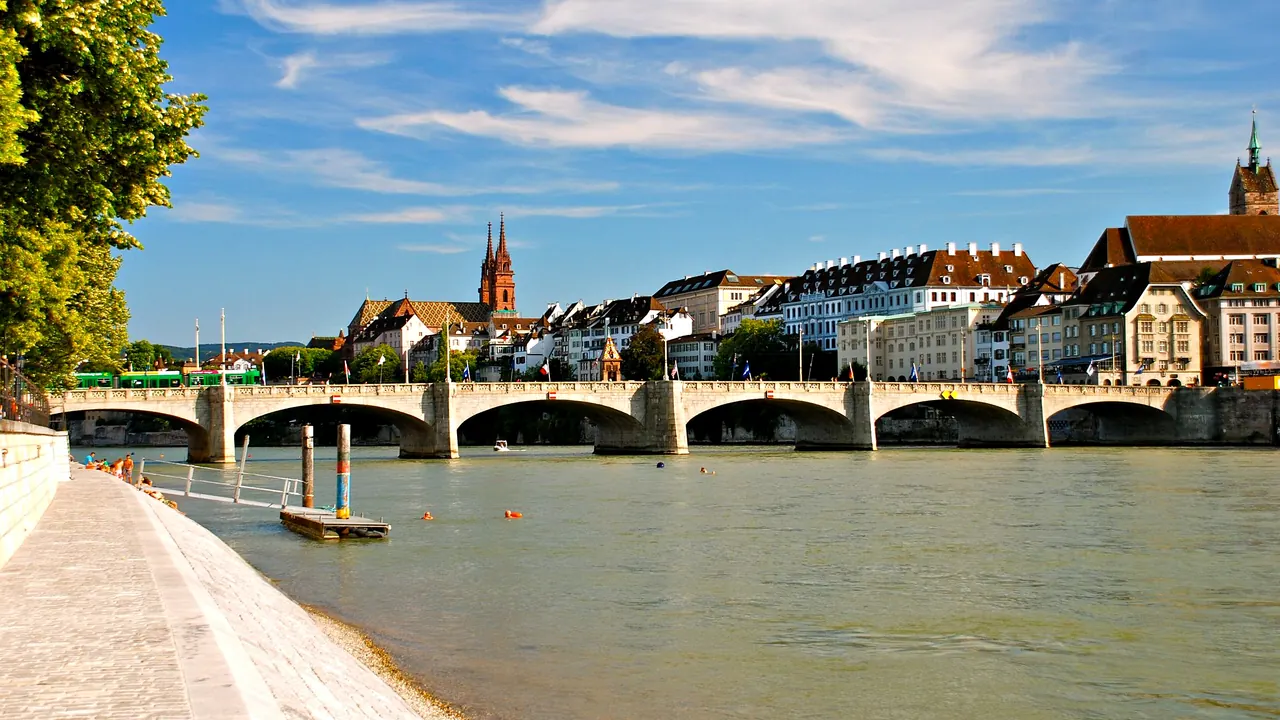
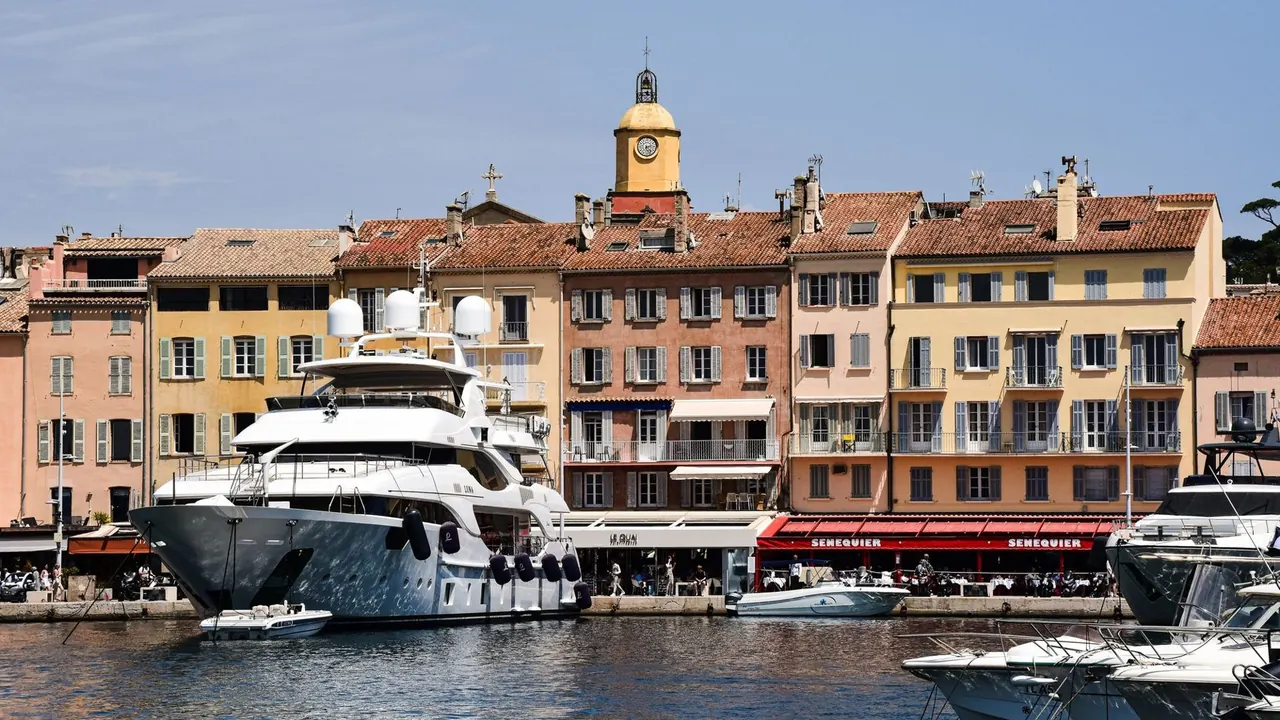
Photos: Basel by Lucazzitto, CC BY-SA 3.0, cropped; Saint-Tropez by AXP Photography, Pexels License.
Basel or Saint-Tropez?
Our verdict in twelve categories, each scored against the same fixed benchmark cities, and the climate month by month, so you can choose for your trip.
Choose Basel for
- getting around
- live music and the arts
- culture and sights
Basel is the better choice for a city trip built around art, music and easy movement. Its museums run from Holbein at the Kunstmuseum to the Fondation Beyeler and Vitra, Theater Basel and the Stadtcasino fill the evenings for much of the year, and trams and fast trains put Alsace, the Black Forest, Bern and Lucerne within a day's reach without a car. It suits curious travellers who like to see a lot and come home with a sense of three countries rather than one.
Choose Saint-Tropez for
- beaches
- nightlife
- shopping
Saint-Tropez is a summer place, and it rewards those who come for the sea and the scene. Pampelonne's long sand, the coves along the coast path, sailing on the gulf and the glamorous beach-club and harbour nights are what it does well, along with luxury boutiques and the Place des Lices market. Come for sun, swimming and a polished resort atmosphere, and accept that culture is thin, the roads jam and the bill will be high.
Scoreboard
Twelve categories on one fixed scale from 0 to 100. The shaded stretch is the gap between the two.
Your match
Pick a travel style or drag the sliders, and both match scores follow your weighting.
Wins on getting around and live music and the arts with your weighting.
Wins on beaches and nightlife with your weighting.
What matters to you?
Category by category
What the scores mean for a trip.
Beaches & swimming
Saint-Tropez is a real beach destination: Pampelonne gives about 5km of pale sand with public stretches between the clubs, and Escalet, Gigaro and Cap Taillat offer quieter coves for snorkelling and calm swims. The catch is that the best sand lies outside town, so a short swim close by means the small beaches at Les Graniers or La Ponche.
Basel has no sand at all. Its summer swimming is the Rhine, floating downstream past the old town and drying off on the gravel banks, which is memorable but suits confident swimmers only, and only in the warmer months.
Food & drink
Neither is a place to travel for food above all, and both eat well at the top end while everyday meals feel overpriced. The difference is in character: Basel borrows from its neighbours, with Alsatian tarte flambée, Baden wines and Swiss-German dishes, and the Markthalle for casual meals.
Saint-Tropez is all Provence, with grilled fish, aïoli and long lunches on the sand with local rosé, plus the Place des Lices market and the tarte tropézienne. Its eating is seasonal, though, and much of the town shuts in winter.
Culture & sights
Basel is far richer here. The Kunstmuseum's Old Masters and modern rooms, the Fondation Beyeler in its Renzo Piano building, the Tinguely and the Vitra campus would justify a trip on their own, and the old town adds the red sandstone Münster, the painted Rathaus and the Spalentor. Three or four days pass easily.
Saint-Tropez has one fine museum, the Annonciade with its Signac-era pointillist and Fauvist painting, plus the citadel and the lanes of La Ponche. It is a pleasant morning or afternoon, not the reason to come.
Nightlife
Saint-Tropez has the livelier nights, at least in summer: afternoon parties at Pampelonne's beach clubs, champagne on harbour terraces and a few famous clubs until dawn, with dress codes and table service. Out of season it goes almost silent, and it is never a place for casual bar-hopping.
Basel is quieter and more everyday. Summer evenings centre on drinks on the Kleinbasel riverside steps, with bars around the Kaserne and weekend electronic nights in old harbour buildings, and Fasnacht turns the whole city out for three days each late winter.
Nature & outdoors
Saint-Tropez has the more striking outdoors. The Sentier du Littoral threads past pine-backed coves to the capes of Camarat and Taillat, the Massif des Maures offers forest hiking and biking, and the gulf is good for sailing and diving, with the national park islands of Port-Cros and Porquerolles within reach. Summer heat and fire risk can close trails.
Basel is about gentler country close at hand: the Jura ridges, the Black Forest summits of Feldberg and Belchen and the Vosges, with flat Rhine paths for cycling into France and Germany. It suits walkers and cyclists rather than anyone after sea or high mountains.
Day trips
Basel is one of the best bases anywhere for outings, opening on to three countries. Colmar and the Alsace wine villages, Strasbourg, Freiburg, Bern, Lucerne, Zurich and the Rhine Falls are all straightforward by train, and Augusta Raurica's Roman remains are a short hop.
Saint-Tropez's excursions are smaller in scale: the hilltop villages of Ramatuelle and Gassin, Grimaud's castle, the canals of Port Grimaud by boat, and longer days to Porquerolles or Fréjus. They are charming, but none is a major sight and all rely on roads that clog in high summer.
Good for families
Basel is the easier family base. It is small, clean and safe, the Zolli is among Europe's best zoos, the Natural History and toy museums cover wet days, and the current-driven ferries amuse younger children. Europa-Park is a longer outing across the border.
Saint-Tropez works mainly for its beaches, as Pampelonne and Gigaro shelve gently for small children. Beyond the sand, the town is aimed at adults, with summer traffic and hot afternoons adding strain, so many families stay across the gulf and visit by boat.
Getting around
Basel is effortless: a walkable old town, a dense green tram network that even crosses borders, free local transport for hotel guests, and a main station with direct trains in three directions. No car is needed at any point.
Saint-Tropez is the reverse. The town itself takes minutes on foot, but there is no railway, buses are slow, the main beaches are several kilometres out and the single gulf road jams in July and August. A car, scooter or the passenger boats from Sainte-Maxime and Port Grimaud become essential.
Shopping & style
Saint-Tropez is the stronger shopping stop, at least for luxury and resort style. Big fashion houses open summer shops behind the port, and there are handmade Tropézienne leather sandals and linen, baskets and pottery at the Place des Lices market. Much of it closes for winter.
Basel is neater and more limited, with watches, chocolate and chains along Freie Strasse and small design shops around Spalenberg. Its Christmas market by the Münster is the seasonal highlight.
Affordability
Both are among the most expensive places you could choose, so neither is a saving over the other. The difference lies in how to soften the bill. In Basel, free local transport and cheaper meals a tram ride away in Germany or France help, though trade fairs push up room prices.
In Saint-Tropez, summer prices are set for the yachting crowd and taxis or parking add up. Staying inland or across the gulf, picnicking from the market and coming in late spring or autumn are the ways to keep costs down.
Live music & performing arts
Basel has a serious stage life for its size. Theater Basel stages opera, ballet and drama, the Stadtcasino hosts the city's orchestras in a hall with fine acoustics, and early-music concerts and jazz-school gigs add variety from autumn to early summer.
Saint-Tropez offers little beyond summer open-air concerts in gardens and on the citadel. Its one distinctive event is the Bravade in May, a centuries-old costumed procession, while opera or theatre means driving to Toulon or Nice.
Wellness & relaxation
Basel makes the easier place to unwind for most of the year. Its pace is calm, Sundays are quiet, and the saline baths at Rheinfelden and the spa towns of southern Baden, such as Badenweiler and Bad Krozingen, are close for a proper thermal day.
Saint-Tropez relies on luxury hotel spas and has no bathing tradition. In high summer it is loud and crowded, but in May, June and September, with long lunches and pétanque under the plane trees, it slows into a genuinely restful place.
When should you go?
Pick your month. The climate figures are measured averages, not a forecast.
Basel in July
Saint-Tropez in July
Daytime high, °C
Rainfall in the month, mm
Where the figures come from
Saint-Tropez has no rain gauge within 25 km of the centre, so its rainfall comes from a gridded climate dataset read at the city rather than from a gauge further away.
Saint-Tropez's sunshine is measured 62 km from the centre, at Nice.
Temperature and rainfall are climate normals, averaged over the years shown. Basel: 1991-2020 (sunshine 1961-1990) normals, Basel / Binningen (1.9 km from centre). Saint-Tropez: 1999-2020 (sunshine 1991-2020, rainfall 1991-2020) normals, Le Luc (24.2 km from centre).
Basel has a mild central European summer, with highs around 26°C in July and August, warm enough for the city's favourite pastime of floating down the Rhine from June to early September. Those months are also its wettest, so expect showers rather than steady sun. Spring and early autumn are comfortable for walking the old town and hiking the Jura, while winter is grey and cold at about 5°C, brightened by the Christmas market and Fasnacht.
Saint-Tropez is far warmer and sunnier. July and August reach about 32°C, almost rainless, with the sea at around 24°C by August: ideal for the beach but hot for exploring on foot. May, June and September are the sweet spot for walking the coast path and swimming in milder heat. From October the rain arrives in earnest, peaking at about 155mm in November, though winter stays mild compared with Basel.
Which traveller are you?
On a beach and sun trip, Saint-Tropez is the obvious pick. Pampelonne's fine sand, clear warm water in August and the quieter coves towards Cap Taillat give a proper Mediterranean seaside, while Basel offers only river swimming in a strong current.
For a culture and arts trip, Basel wins clearly. The Kunstmuseum, Fondation Beyeler, Museum Tinguely and Vitra are joined by opera, ballet and orchestral concerts, whereas Saint-Tropez's heritage, the Annonciade and the citadel included, is seen in a single day.
For a short city break, choose Basel. The old town is compact, free transport for hotel guests makes the trams effortless, and a fast train from the station adds Freiburg or Colmar. Saint-Tropez needs a car or boat and loses hours to summer traffic.
Before you go
| Measure | Basel | Saint-Tropez |
|---|---|---|
| Official language | French, German, Italian, Romansh | French |
| Currency | Swiss Franc (CHF) | Euro (EUR) |
| Sockets | CJ230 V, 50 Hz | CE230 V, 50 Hz |
| Driving side | Right | Right |
| Time zone | UTC+1, UTC+2 in summer | UTC+1, UTC+2 in summer |
| Emergency number | 112 | 112 |
| Elevation | 247 m | 0 m |
| Main airport | EuroAirport Basel–Mulhouse–Freiburg (BSL)7 km from centre112 non-stop destinations | Nice-Côte d'Azur Airport (NCE)64 km from centre130 non-stop destinations |
| Public holidays this year | 10 days | 11 days |
By the numbers
| Measure | Basel | Saint-Tropez |
|---|---|---|
| City population | 176,329 | 3,582 |
| People per km² | 7,378 | 320 |
| Museums within 10 km | 61 | 4 |
| UNESCO World Heritage sites within 50 km | 2 | 0 |
| Swim season, months above 21 °C | - | 3 months |
Where else could you go?
Every comparison below shares a destination with this one, so you can follow Basel or Saint-Tropez somewhere new.
- Cannesvs Saint-Tropez
- Antibesvs Saint-Tropez
- Colmarvs Basel
- Bernvs Basel
- Nicevs Saint-Tropez
- Zurichvs Basel