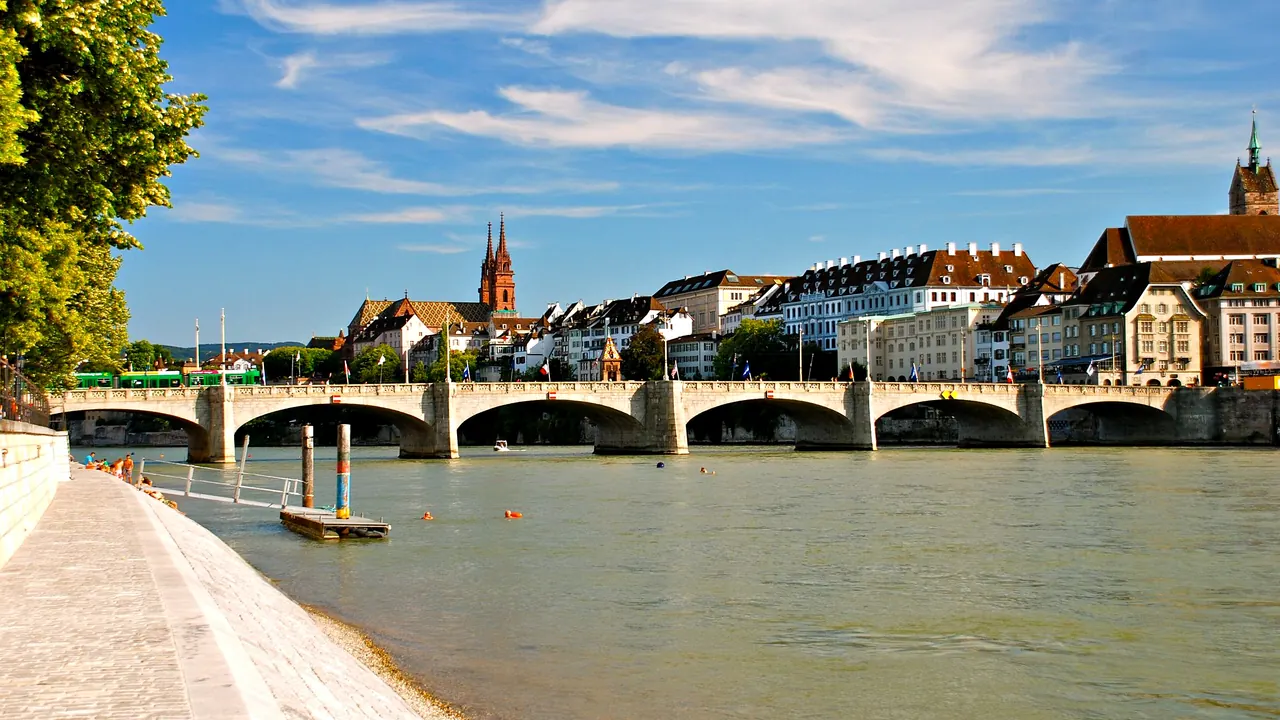
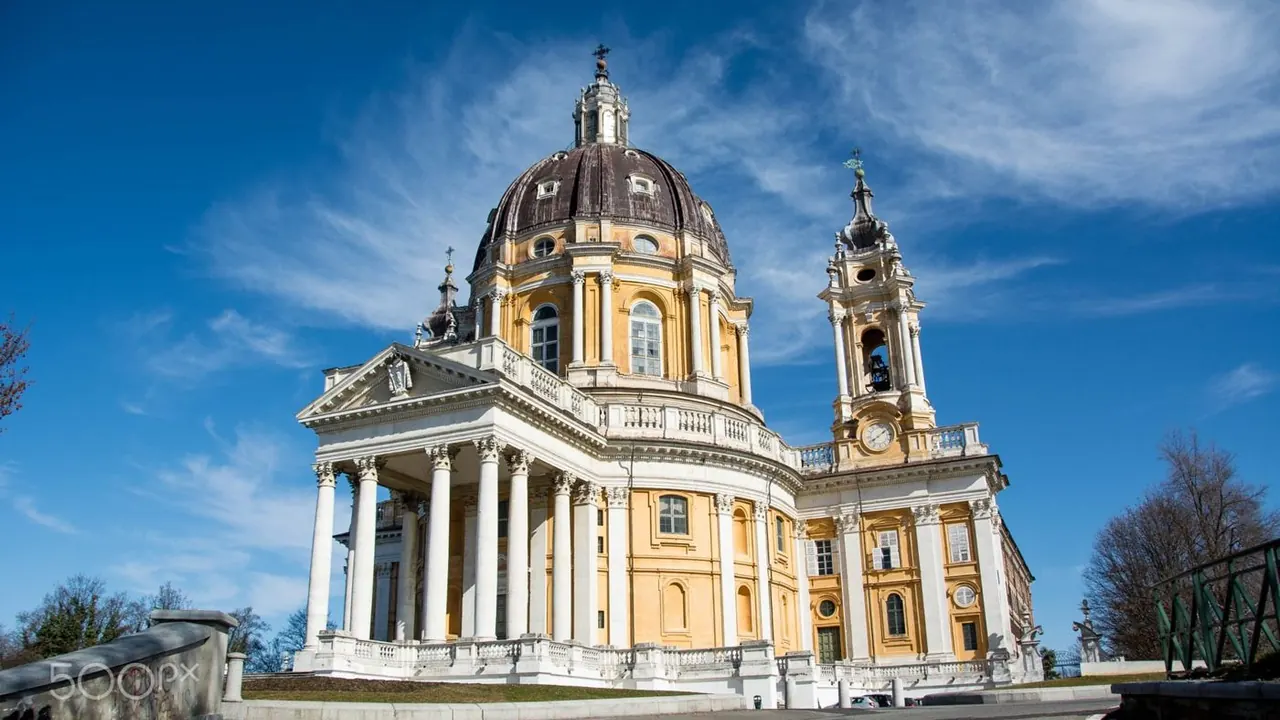
Photos: Basel by Lucazzitto, CC BY-SA 3.0, cropped; Turin by Konstantin Dacosta, CC BY 3.0, cropped.
Basel or Turin?
Our verdict in twelve categories, each scored against the same fixed benchmark cities, and the climate month by month, so you can choose for your trip.
Choose Basel for
- beaches
- getting around
- wellness
Basel is the better choice for a compact, unhurried trip where getting around takes no effort. Trams, river ferries and fast trains make it easy to see the Kunstmuseum and the Fondation Beyeler in the morning and be in Colmar, Freiburg or Lucerne by lunch. In summer you can float down the Rhine past the old town, and there are spa towns close by. It suits travellers who care more about smooth logistics than about counting the cost, because the bills are Swiss.
Choose Turin for
- prices
- food and drink
- nature and the outdoors
Turin gives more for the money and more to do at the table. The Piedmontese kitchen, the aperitivo ritual and the Langhe wine country make it the obvious pick for anyone who travels to eat and drink. It also has the stronger set of sights, led by the Museo Egizio and the Savoy palaces. With the Alps about an hour away it works for hikers and skiers too, and it costs far less than Basel for the same number of nights.
Scoreboard
Twelve categories on one fixed scale from 0 to 100. The shaded stretch is the gap between the two.
Your match
Pick a travel style or drag the sliders, and both match scores follow your weighting.
Wins on beaches and getting around with your weighting.
Wins on prices and food and drink with your weighting.
What matters to you?
Category by category
What the scores mean for a trip.
Beaches & swimming
Neither city has a beach. Basel at least has a summer swimming culture of its own: people walk up the Kleinbasel bank with waterproof bags and float back down the Rhine on the current, then sunbathe on the gravel. The current is strong, so this is only for confident swimmers.
Turin has nothing like it in town. The Ligurian coast is close to two hours away, and locals who stay put head for lakes such as Avigliana. Sea swimming means moving to the Riviera for a few days.
Food & drink
Food is where Turin pulls furthest ahead. It has a full regional cuisine of its own, from tajarin with butter to bagna cauda and autumn white truffles from the Langhe, with Barolo and Barbaresco on the list. It is also where vermouth, gianduja and bicerin began, all still served in the historic arcade cafés.
Basel feeds you well, but it is not a reason to go. Its own specialities hardly go beyond Läckerli and Fasnacht flour soup, and most menus borrow from Alsace and Baden. Everyday meals can feel expensive for what arrives, which is why many locals cross the border to eat.
Culture & sights
Basel holds an unusual amount of art for a small city. The Kunstmuseum has Holbein and the Old Masters, the Fondation Beyeler shows modern art in Renzo Piano's building in Riehen, and the Museum Tinguely stands by the Rhine in the city itself. The Vitra Design Museum is just over the German border. The red sandstone Münster, the painted Rathaus and the guild-house lanes climbing to the Spalentor make up a compact old town that three or four days cover.
Turin has the broader and deeper set of sights. The Museo Egizio alone draws visitors from abroad, and around it stand the Royal Palace, Palazzo Madama, the cathedral of the Shroud and the UNESCO-listed Savoy residences such as Venaria. Then there is the Mole with its cinema museum, Fiat history at the Lingotto and contemporary art at Rivoli. That is more than a long weekend can hold.
Nightlife
Turin's evenings have more going on. The aperitivo between seven and nine gives the night a fixed starting point, and afterwards there are three distinct bar districts to choose from: the Quadrilatero, student San Salvario and alternative Vanchiglia, with the Murazzi by the Po in summer.
Basel is quieter and more seasonal. Summer nights are spent with a drink on the Kleinbasel steps, and the rest of the year centres on the Kaserne and Rheingasse, at Swiss drink prices. Its one big event is Fasnacht, three days of pre-dawn drums and lantern processions that Turin cannot match.
Nature & outdoors
Turin has real mountains close at hand. Gran Paradiso's ibex and high trails, the Susa valley and the Via Lattea ski slopes are about an hour or so away, so there is skiing and ski touring in winter and hut-to-hut hiking and climbing in summer. Closer in, the Superga hills and the walled Mandria forest are good for easier days.
Basel's countryside is gentler. The Jura, the Black Forest and the Vosges give marked trails, easy riverside cycling across two borders and only light skiing. The high Alps are a couple of hours off, so walkers and cyclists will be happier here than climbers.
Day trips
Both make excellent bases, and the difference is the kind of outing. From Basel you can visit three countries by fast train: half-timbered Colmar and Strasbourg in France, Freiburg in Germany, Lucerne and Bern at home, and Roman Augusta Raurica a quarter of an hour away. Almost none of it needs a car.
Turin's best days out are about wine and landscape: Alba, Barolo and La Morra in the Langhe, Bra and the Monferrato vineyards, and the Sacra di San Michele on its rock. Milan is an easy hop by train, but the wine villages are much easier with a car.
Good for families
Basel's trump card for children is the Zolli, one of Europe's best zoos, a short walk from the station. The little ferries pulled across the Rhine by the current and the free animal park in the Lange Erlen make easy afternoons, and Europa-Park is about an hour away by car. The Rhine is too strong for small children to swim in, and quiet Sundays need planning around.
Turin has no zoo or theme park in town and suits older, curious children better. Its flat centre is easy with a pushchair, and the long arcades keep off rain and sun. The outings are mostly museums and rides: the glass lift up the Mole, the mummies at the Egizio, the car museum, the hilltop planetarium and the rack railway to Superga. Zoom Torino is about 45 minutes away by car, and summers are hotter and stickier.
Getting around
Basel is the easier city to get around. Its old town and both riverbanks are walkable, dense green trams cover the rest and even cross into France and Germany, and hotel guests ride them free. The station's direct trains cover all three countries.
Turin's flat, gridded centre is also a pleasure on foot, from Porta Nuova under the arcades to the Mole. Beyond the centre, though, there is only one metro line, and the trams and buses are slower and take some working out. The wine hills and the mountains are much easier with a car.
Shopping & style
Turin offers more reasons to shop. Via Roma's arcades carry the big fashion labels, Via Maria Vittoria has antique dealers, and the Balon flea market fills Saturdays. Above all there is food to bring home: gianduiotti, truffles, cheese and Piedmontese wine.
Basel's Freie Strasse spine is tidy and short. It covers watches, chocolate and chains, with small design shops around Spalenberg. Its Christmas market around the Münster is the seasonal highlight, but otherwise many locals go to Germany for cheaper shopping.
Affordability
On cost, the two are far apart. Basel is one of the most expensive places to stay in Europe, and rooms become scarce during fairs such as Art Basel. Free trams, and the option of eating or sleeping across the border, soften the bill only a little.
Turin is moderately priced, with fair hotel rates for most of the year, an aperitivo that can stand in for dinner, and cheap market food. Only the truffle season, fine dining and the big museums push the budget up.
Live music & performing arts
Basel's stage year follows the river. The season runs from autumn to early summer and goes quiet in July and August. Within those months, Theater Basel is known well beyond Switzerland for bold opera, ballet and drama under one roof. The Sinfonieorchester plays in the fine acoustics of the Stadtcasino, and the city's early-music tradition adds historical concerts.
Turin keeps its programme going all year. There is a full opera and ballet season at the modernist Teatro Regio, the RAI National Symphony Orchestra, concerts in Renzo Piano's Lingotto auditorium and long-running festivals of classical, jazz and electronic music. Its spoken theatre is almost all in Italian, so visitors will get more from the music than from the plays.
Wellness & relaxation
Basel is the better choice for adding a spa day. The saline baths at Rheinfelden are twenty minutes away, the German spa towns of Badenweiler and Bad Krozingen are just over the border, and quiet Sundays and the riverside set an easy pace.
Turin relaxes you in a different way: long sittings in historic cafés and evening walks under the arcades and along the Po. Its nearest real thermal waters, at Acqui Terme or in the Aosta valley, are each close to two hours away.
When should you go?
Pick your month. The climate figures are measured averages, not a forecast.
Basel in July
Turin in July
Daytime high, °C
Rainfall in the month, mm
Where the figures come from
Turin has no rain gauge within 25 km of the centre, so its rainfall comes from a gridded climate dataset read at the city rather than from a gauge further away.
Temperature and rainfall are climate normals, averaged over the years shown. Basel: 1991-2020 (sunshine 1961-1990) normals, Basel / Binningen (1.9 km from centre). Turin: 1991-2020 normals, Torino / Caselle (15.4 km from centre).
Both cities are best from late spring to early autumn, but they get there in different ways. Basel stays mild, reaching about 26°C in July. Its wettest stretch runs from May to August, so summer showers come along with the long sunny days. Rhine swimming is a June to early September affair. Winters are grey and short of sun, though the dry, cold weeks of late winter bring Fasnacht.
Turin is a few degrees warmer all year, and July at around 29°C can feel sticky for long walks, even under the arcades. Its rain arrives in late spring, with May the wettest month at about 115mm, and returns in November. Midsummer and the winter months are drier. September and early October are the sweet spot in Turin, warm, settled and in step with the harvest in the wine hills, while June and September suit Basel best.
Which traveller are you?
On a tight budget, Turin is the clear choice. Its hotels are fairly priced, a generous aperitivo can stand in for dinner, and Porta Palazzo feeds you cheaply. In Basel almost everything costs Swiss prices, and the main savings are free trams and crossing the border.
For a food and nightlife trip, choose Turin. There is agnolotti, vitello tonnato and Barolo at the table, then aperitivo in San Salvario and bars in the Quadrilatero Romano. Basel eats carefully and drinks by the river, but its evenings are quieter and its kitchen borrows from Alsace.
For a short city break, Basel is the easier fit. The old town, major museums and Rhine banks sit close together, trams are free for hotel guests, and three days covers the essentials comfortably. Turin rewards a longer stay, and its transport takes more working out.
Before you go
| Measure | Basel | Turin |
|---|---|---|
| Official language | French, German, Italian, Romansh | Italian |
| Currency | Swiss Franc (CHF) | Euro (EUR) |
| Sockets | CJ230 V, 50 Hz | CFL230 V, 50 Hz |
| Driving side | Right | Right |
| Time zone | UTC+1, UTC+2 in summer | UTC+1, UTC+2 in summer |
| Emergency number | 112 | 112 |
| Elevation | 247 m | 239 m |
| Main airport | EuroAirport Basel–Mulhouse–Freiburg (BSL)7 km from centre112 non-stop destinations | Turin Airport (TRN)14 km from centre65 non-stop destinations |
| Public holidays this year | 10 days | 13 days |
By the numbers
| Measure | Basel | Turin |
|---|---|---|
| City population | 176,329 | 841,600 |
| People per km² | 7,378 | 6,474 |
| Museums within 10 km | 61 | 72 |
| UNESCO World Heritage sites within 50 km | 2 | 4 |
Where else could you go?
Every comparison below shares a destination with this one, so you can follow Basel or Turin somewhere new.