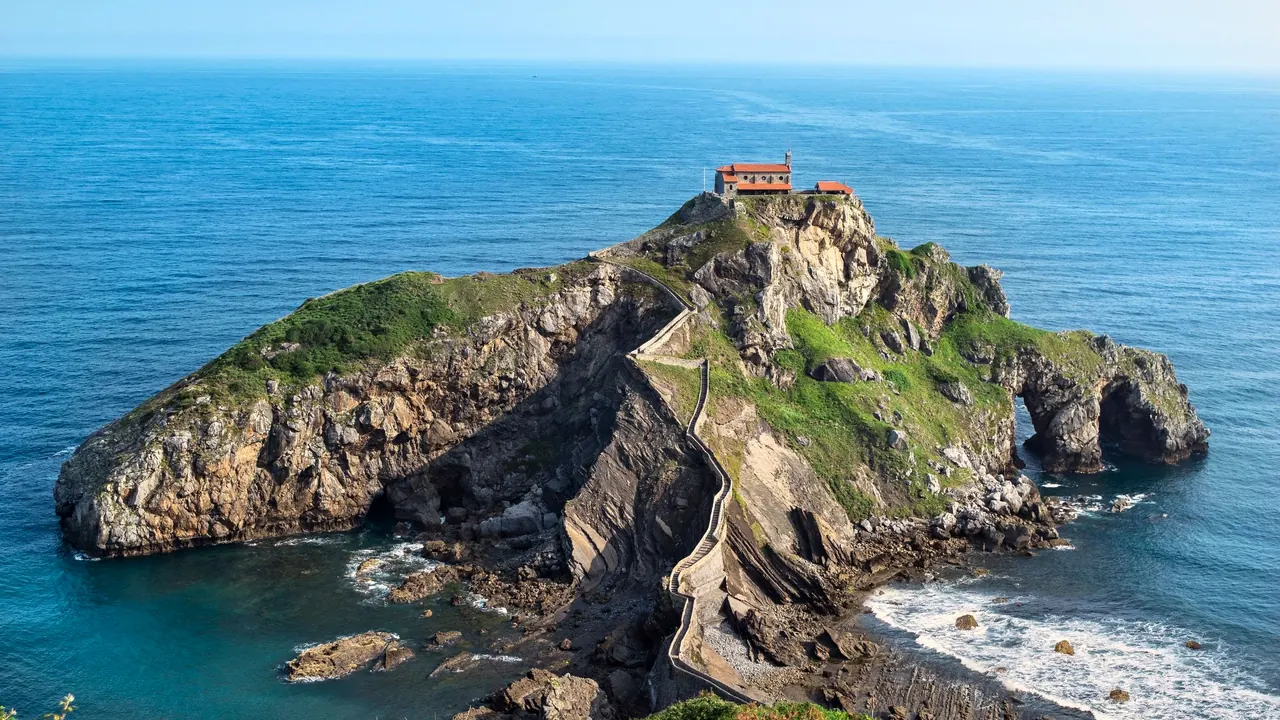
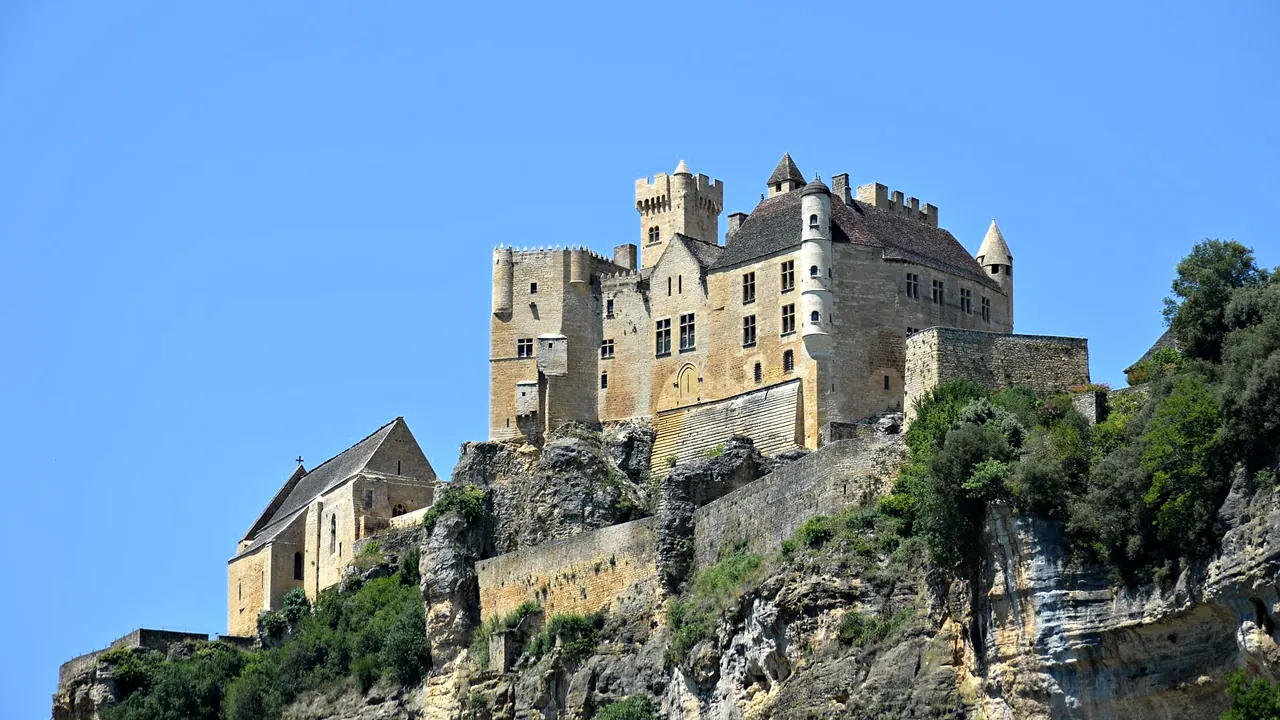
Photos: Basque Country by Enrique, Pexels License; Dordogne by Edouard CHASSAIGNE, Pexels License.
Basque Country or Dordogne?
Our verdict in twelve categories, each scored against the same fixed benchmark cities, and the climate month by month, so you can choose for your trip.
Choose Basque Country for
- nightlife
- beaches
- live music and the arts
The Basque Country is the better choice if eating well is the point of the trip. The pintxo rounds of San Sebastián and Bilbao, the cider houses and the celebrated tables in the hills set a standard the Dordogne's duck-based cooking can't match. It also gives you a proper town beach, cliffs and summits to walk, real evenings out and cities you can link by train and coach. In return you pay more, and you have to accept grey, wet days.
Choose Dordogne for
- prices
- culture and sights
Choose the Dordogne for a slower countryside trip built around history. The painted caves of the Vézère valley, Sarlat's golden-stone old town and the castles facing each other across the river make a heritage trip with no Basque equivalent. Summers are warmer and drier, and a rented house with a pool is a classic family base. You will need a car, the nights are silent and there is no sea, but the bill is usually lighter.
Scoreboard
Twelve categories on one fixed scale from 0 to 100. The shaded stretch is the gap between the two.
Your match
Pick a travel style or drag the sliders, and both match scores follow your weighting.
Wins on nightlife and beaches with your weighting.
Wins on prices and culture and sights with your weighting.
What matters to you?
Category by category
What the scores mean for a trip.
Beaches & swimming
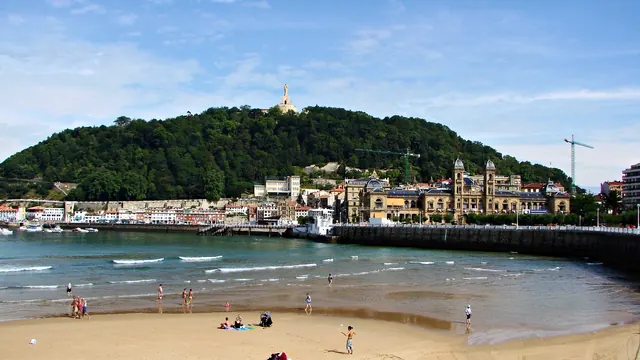
The Basque Country has real seaside. La Concha is calm enough for children and long swims, Zurriola draws surfers, and Zarautz and the coves below the headlands near Bilbao add variety, though Biscay water is cool and summer has its grey spells.
The Dordogne has no coast at all. Swimming there means gravel banks on the Dordogne and Vézère rivers, a few supervised lakes or, for many visitors, the pool at the rented house.
Food & drink
Both are serious eating regions, but the Basque Country cooks on a different scale. Bar-hopping through the Parte Vieja and the Casco Viejo, hake in green sauce, txuleta grilled over coals, turbot in Getaria, spring cider houses and a cluster of famous restaurants give you something new every day.
The Dordogne is a superb larder of confit, foie gras, cèpes and winter truffles, and Sarlat's market and the Bergerac and Monbazillac wines are real pleasures. After a week, though, the duck-centred menu starts to repeat itself.
Culture & sights
The Dordogne has the edge here because of depth. The Vézère valley's prehistoric caves and rock shelters are of world importance, and Sarlat, the river castles and bastides such as Monpazier sit within half an hour of one another.
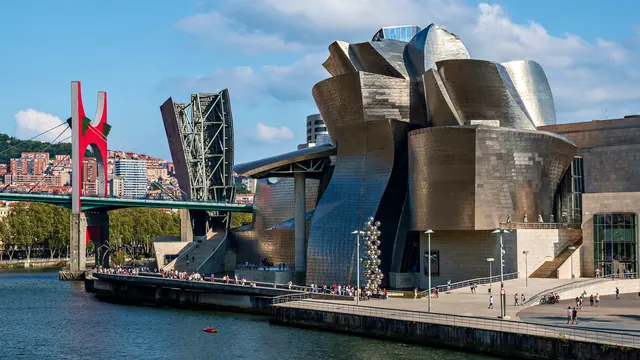
The Basque Country's heritage is more spread out and more modern: Gehry's Guggenheim, Bilbao's Fine Arts Museum, the Vizcaya transporter bridge, Belle Époque San Sebastián and Vitoria's medieval rings. It is varied rather than concentrated.
Nightlife
There is little contest. Basque evenings start with the bar round in the old quarters and carry on to cocktail bars and late pubs. Bilbao has the widest choice, Vitoria's students fill its old town late in the week, and the August fiestas run into the early hours.
In the Dordogne, a night out means a long terrace dinner or a village night market with a dance floor in the square, and then quiet.
Nature & outdoors
The Basque Country is wilder and steeper. Its limestone peaks reach about 1,500m in Urkiola and Aizkorri-Aratz, the flysch cliffs of the Geopark have a clifftop trail, Gaztelugatxe and the Urdaibai marshes lie on the coast, and Mundaka is famous among surfers.
The Dordogne is gentler, lived-in farmland. The best way to see it is by canoe, past the cliffs and castles, with greenways, balloon flights and the Marqueyssac gardens to add to it, but nothing to tempt a serious hiker.
Day trips
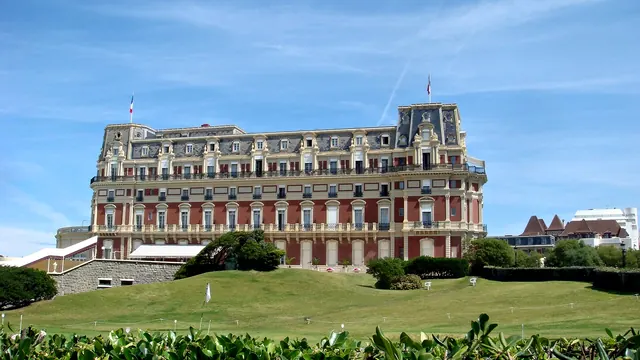
Both offer plenty of outings, but of different kinds. From a Basque base you can cross a border or change landscape: Biarritz and Bayonne on the French side, the cellars of Rioja Alavesa, Pamplona, Burgos cathedral and a string of fishing ports such as Lekeitio and Hondarribia.
From the Dordogne the trips are more of the same countryside, beautifully done. You can drive to Rocamadour on its cliff, Saint-Cirq-Lapopie in the Lot valley, red-stone Collonges-la-Rouge, or west to Saint-Émilion and Bordeaux.
Good for families
Both work for families, in different ways. The Basque Country suits a town-based stay with younger children: San Sebastián's calm bay, the aquarium, the Eureka science museum and the Monte Igueldo funicular. Plan for wet days.
The Dordogne is a classic summer for children aged roughly eight to fourteen, with canoes, Castelnaud's siege engines, the prehistoric sites and tree-top parks. Long drives, summer heat and many steps make it harder with toddlers.
Getting around
The Basque Country can be done without a car. Its three cities are about an hour apart by coach, Bilbao has a metro and tram, the Euskotren line runs to the French border, and each centre is easy to walk.
In the Dordogne a car is essential, because the caves, castles and markets are scattered and village buses are rare. The roads are quiet most of the year, but the riverside road through Beynac and the car parks at Sarlat fill up in high summer.
Shopping & style
The Basque Country gives you a little more choice. Bilbao's Gran Vía has the Spanish chains and a department store, and San Sebastián's Centro has independent boutiques, along with anchovies, Idiazabal cheese, striped linen and surf brands.
The Dordogne is shopping for the car boot: foie gras, confit, walnut oil and estate wine from the markets at Sarlat or Issigeac, plus summer brocantes, with no fashion to speak of.
Affordability
The Dordogne usually costs less overall, with rural French prices, campsites, simple gîtes and wine bought from the grower. Houses with pools in high summer and the entry fees for caves and castles still mount up for a family.
San Sebastián is among the dearest places to sleep in Spain. Basing yourself in Bilbao or Vitoria and eating at pintxo counters and set lunches keeps the Basque Country manageable.
Live music & performing arts
The Basque Country has a year-round stage that the Dordogne lacks. Bilbao has the ABAO opera season at the Euskalduna, two orchestras and the Arriaga Theatre, and summer adds San Sebastián's Jazzaldia, the Quincena Musical and BBK Live.
The Dordogne's performances belong to summer: Sarlat's theatre festival, Périgueux's mime festival and classical concerts in Romanesque churches. Outside that season there is little.
Wellness & relaxation
Neither is a spa destination, and both rely mainly on their pace. The Basque Country has a little more in the way of facilities: the thalassotherapy pools in La Concha's old bathing pavilion and the springs at Zestoa, alongside quiet nights in Lekeitio or Getaria.
The Dordogne offers stone farmhouses with pools and empty lanes, best in the Périgord Vert or in late spring and September, when the August crowds have gone.
When should you go?
Pick your month. The climate figures are measured averages, not a forecast.
Basque Country in July
Dordogne in July
Daytime high, °C
Rainfall in the month, mm
Where the figures come from
Basque Country's station stands 253 m above the place it is measured for, so that place is likely a little warmer than the figures say.
Temperature and rainfall are climate normals, averaged over the years shown. Basque Country: 1991-2020 normals, San Sebastian / Igueldo (10 km from centre). Dordogne: 1991-2020 normals, Gourdon (21.2 km from centre).
On the Basque coast, beach weather is short and never reliable. Daytime highs only reach the low twenties in July and August, the sea peaks at about 22°C in August, and even the driest summer months bring rain often enough. From October the weather turns properly wet, with November the worst at around 203mm. Winters are mild, slightly milder than in the Dordogne, which keeps the cities pleasant for eating and museums, but a dry week is never a safe bet.
The Dordogne is drier in every month. It is warmer from March to September and sunnier from February to October, while by October the two regions have the same daytime warmth. July and August reach about 28°C, which suits river swimming and pool afternoons but makes castle stairs and cliff paths hard going at midday. May, June and September are the best months for walking, sightseeing and canoeing in comfortable warmth. Through the winter the days are a little colder than on the Basque coast, and slightly greyer from November to January, though much less wet.
Which traveller are you?
For a beach and sun trip, choose the Basque Country. La Concha's sheltered sand, Zurriola's surf and the coves near Bilbao give you real sea swimming, while the Dordogne offers only river banks and lakes, with the Atlantic three hours away.
For a culture and arts trip, choose the Dordogne. The original painted caves, the National Museum of Prehistory and a valley of medieval castles and bastides add up to something rarer than the Guggenheim. The Basque Country is better if concerts and opera matter to you.
On a food and nightlife trip, choose the Basque Country. The cooking ranges much more widely than the Dordogne's duck and walnuts, and evenings run on from pintxo bars to late pubs and weekend clubs. In the Périgord, villages are silent by eleven.
Before you go
| Measure | Basque Country | Dordogne |
|---|---|---|
| Official language | Spanish | French |
| Currency | Euro (EUR) | Euro (EUR) |
| Sockets | CF230 V, 50 Hz | CE230 V, 50 Hz |
| Driving side | Right | Right |
| Time zone | UTC+1, UTC+2 in summer | UTC+1, UTC+2 in summer |
| Emergency number | 112 | 112 |
| Main airport | Bilbao Airport (BIO)73 non-stop destinations | Bergerac Dordogne-Périgord airport (EGC)9 non-stop destinations |
| Public holidays this year | 13 days | 11 days |
By the numbers
| Measure | Basque Country | Dordogne |
|---|---|---|
| Population | 3,193,513 | 417,614 |
| People per km² | - | 46 |
| Swim season, months above 21 °C | 2 months | - |
Where else could you go?
Every comparison below shares a destination with this one, so you can follow Basque Country or Dordogne somewhere new.
- Bordeauxvs Basque Country
- Loire Valleyvs Dordogne
- Provencevs Dordogne
- Burgundyvs Dordogne
- Costa Bravavs Dordogne
- Brittanyvs Dordogne