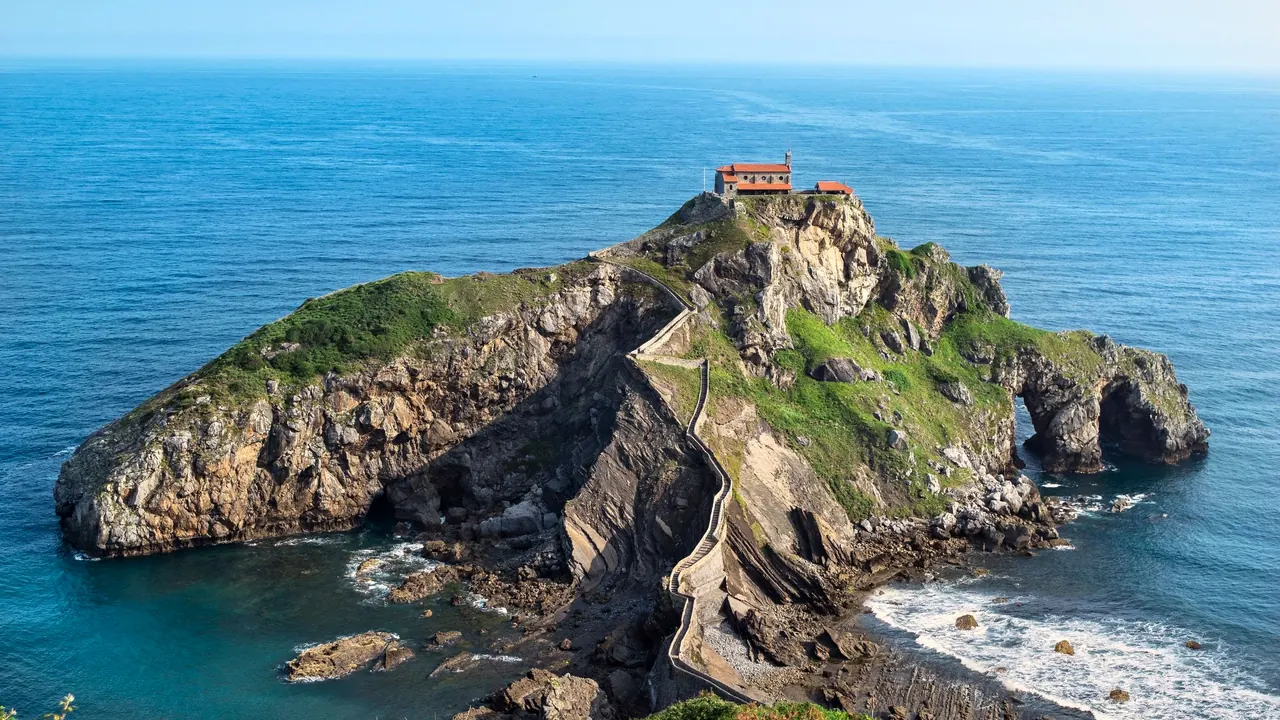
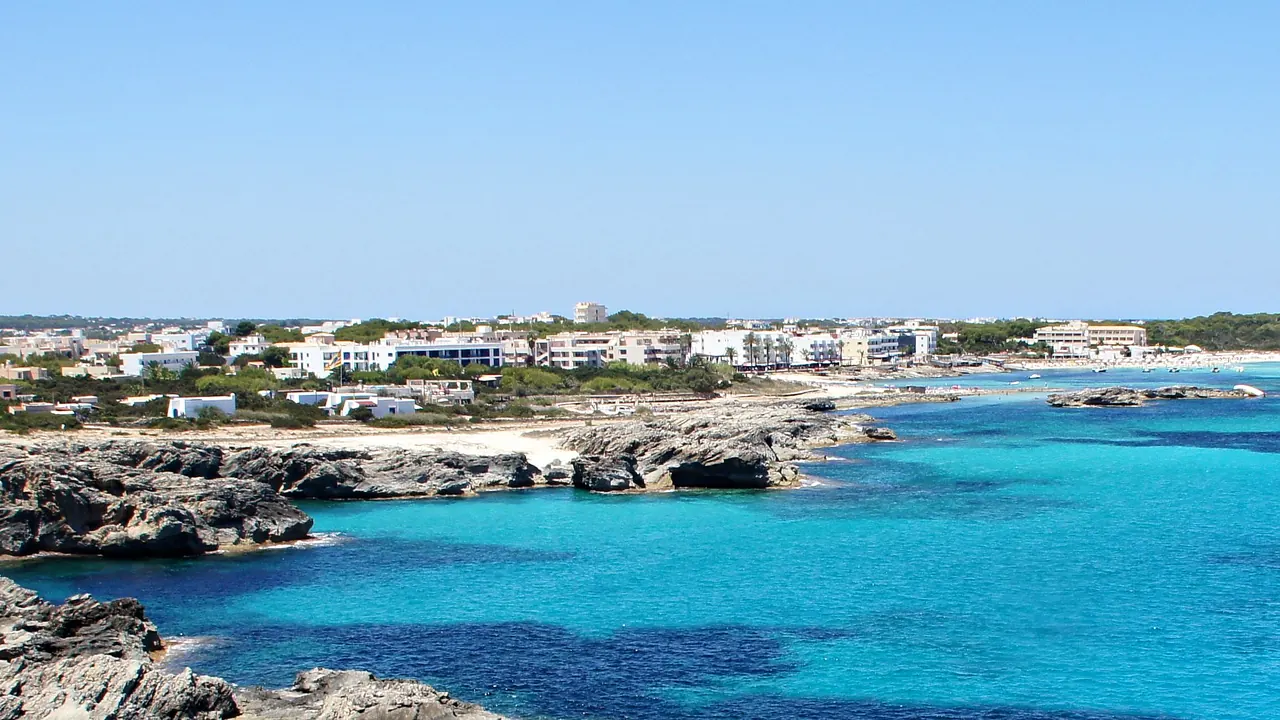
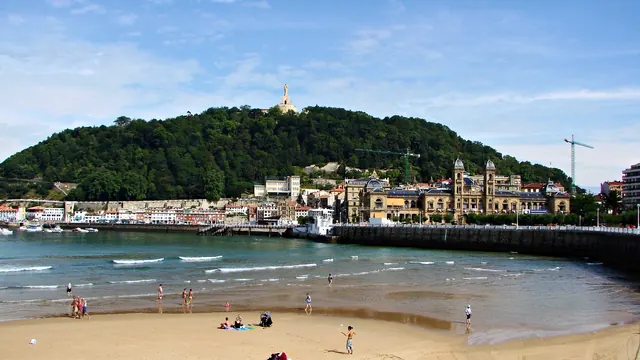
Photos: Basque Country by Enrique, Pexels License; Formentera by Emanuela Meme Giudic…, CC BY 3.0, cropped.
Basque Country or Formentera?
Our verdict in twelve categories, each scored against the same fixed benchmark cities, and the climate month by month, so you can choose for your trip.
Choose Basque Country for
- culture and sights
- food and drink
- live music and the arts
The Basque Country is for travellers who plan a trip around the table and want plenty to do between meals. Evenings go from pintxos bar to pintxos bar in San Sebastián and Bilbao, there are museums and old towns spread across three cities, the green hills and cliffs are good for walking, and France and Rioja are within easy reach. You accept cooler sea, grey days and rain at any time of year.
Choose Formentera for
- beaches
- wellness
Formentera suits people who want sand, clear water and very little else. Its beaches are among the finest in the Mediterranean, the summers are dry and bright, and the low-key pace means days run from swim to lunch to sunset. It is a narrow, costly trip, though. There are few sights, a small food scene, no night out to speak of, and the only outing beyond the island is the ferry to Ibiza.
Scoreboard
Twelve categories on one fixed scale from 0 to 100. The shaded stretch is the gap between the two.
Your match
Pick a travel style or drag the sliders, and both match scores follow your weighting.
Wins on culture and sights and food and drink with your weighting.
Wins on beaches and wellness with your weighting.
What matters to you?
Category by category
What the scores mean for a trip.
Beaches & swimming
Formentera is a beach trip first and last. The thin spit of Ses Illetes has shallow, clear turquoise water on both sides, and Migjorn runs for kilometres of sand and dune. The sea is warm right through the summer and into autumn, and each day is planned around which beach suits the wind.
The Basque coast has fine beaches too, above all La Concha's calm bay in San Sebastián and the surf at Zurriola and Zarautz. The water, though, is the cooler Bay of Biscay and the weather is changeable. Here the beach is something you enjoy in high summer, not the reason for the trip.
Food & drink
For food the Basque Country is far ahead and worth the trip on its own. You can graze on pintxos and txakoli through San Sebastián's Parte Vieja and Bilbao's Casco Viejo, eat grilled turbot in Getaria, and visit the cider houses of Astigarraga in spring. Rioja Alavesa wine and some of Spain's most celebrated restaurants add to it.
Formentera's cooking is good where it is simple: grilled fish, rice dishes and the sun-dried peix sec of the ensalada payesa, eaten at a long lunch by the sea. Beyond that the choice is small and uneven, and much of it closes outside summer.
Culture & sights
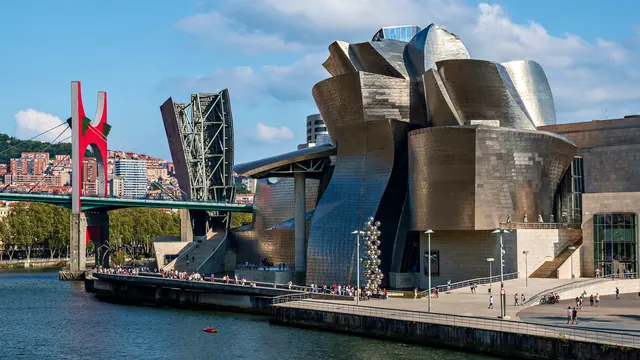
The Basque Country gives you plenty to see across several towns. There is the Guggenheim and the Fine Arts Museum in Bilbao, the UNESCO-listed Vizcaya Bridge, Vitoria's medieval core around its cathedral, and Gernika's oak and assembly house. San Sebastián adds its Belle Époque promenades and the San Telmo Museum.
On Formentera, culture fits into one afternoon between swims. You can see the fortified church in Sant Francesc, the lighthouses at Cap de Barbaria and La Mola, and the Bronze Age tomb of Ca na Costa.
Nightlife
Basque nights grow out of dinner. The pintxos crowd moves on to cocktail bars and late pubs, and Bilbao has the widest choice and a few clubs that stay open till dawn. In August, Aste Nagusia and Semana Grande fill the streets until the small hours.
On Formentera, an evening means sunset drinks on the west coast and a cluster of bars on the Es Pujols seafront. For real clubbing you have to take the ferry to Ibiza.
Nature & outdoors
The Basque Country has the more varied outdoors. There are limestone peaks and beech forests in Urkiola and Gorbeia, the tilted flysch cliffs of the Geopark between Zumaia and Deba, the stair up to San Juan de Gaztelugatxe, and the Mundaka wave for surfers.
Formentera's landscape is low and dry: salt pans, juniper scrub and dunes, with flamingos on Estany Pudent. Its strengths are underwater and on two wheels. The seagrass keeps the water clear for snorkelling and diving, and flat green routes make it easy to cycle the whole island.
Day trips
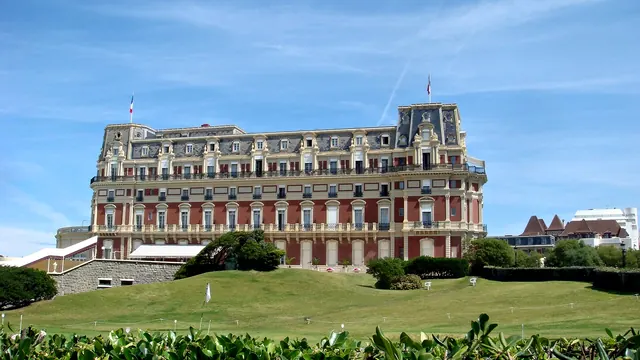
From a Basque base there are a lot of outings. You can visit fishing ports such as Lekeitio and walled Hondarribia, cross into French Basque towns like Biarritz and Bayonne in under an hour, or head to the Laguardia cellars in Rioja Alavesa. Pamplona and Burgos are also within easy reach.
Formentera offers one real excursion, the fast ferry to Ibiza for Dalt Vila and the villages, plus a half-day boat trip to Espalmador. After that you have seen everything.
Good for families
San Sebastián is the easier place for children. There is calm water at La Concha, a flat promenade, an aquarium, the Eureka science museum and the funicular up to the small fairground on Monte Igueldo. Children also stay out late in the squares with everyone else. Rain is common, so plan some indoor days.
Formentera works for families who want sand and nothing more. The shallows at Ses Illetes are gentle, and older children can cycle the quiet roads. But there is little shade, nothing built for children, and you have to fly to Ibiza and then take a ferry to get there.
Getting around
The Basque Country is the easier place to move around. Bilbao, San Sebastián and Vitoria are about an hour apart by coach or motorway, each centre is compact enough to walk, and Bilbao has its Foster-designed metro. You will want a car for wine country and the hill parks.
Formentera is about 20km end to end, but you can only arrive by ferry into La Savina. Once you are there, a single bus line covers the main villages, and most people hire a bike, scooter or small car to reach the beaches.
Shopping & style
Neither place is a shopping destination, but the Basque Country gives you more choice. Bilbao's Gran Vía has the main chains, San Sebastián's Centro has independent boutiques, and the best things to take home are edible: Getaria anchovies, Idiazabal cheese and txakoli.
Formentera has a few linen and beachwear boutiques in Sant Francesc and the craft market at El Pilar de La Mola, where leather, silver and ceramics carry on the island's hippy tradition.
Affordability
Neither is cheap, but the Basque Country is far easier on the budget. San Sebastián is expensive in summer, but you can sleep in Bilbao or Vitoria and eat well on pintxos and set lunches, and public transport costs little.
Formentera has few rooms and heavy summer demand, beach restaurants charge resort prices, and the ferry and vehicle hire add to the bill. Even self-catering out of season only softens the cost.
Live music & performing arts
The Basque Country has a real music calendar. San Sebastián has Jazzaldia in July and the Quincena Musical's classical season in August, and Bilbao has BBK Live, opera at the Euskalduna and the Arriaga Theatre through the year.
Formentera has no theatre or concert hall. Live music means musicians at the La Mola market and sunset sets at a few beach bars.
Wellness & relaxation
The two are fairly level here, and in both the real restoration comes from the pace rather than from spa culture. The Basque Country has more actual facilities. There is thalassotherapy in the old bathing pavilion on La Concha and the historic springs at Zestoa, and you can also slow down in a fishing town such as Lekeitio or on an inland farm stay.
Formentera has almost no spa offer beyond small hotel spas, but its stillness is deeper. The island is low-rise and quiet, with summer yoga and massage, warm sea and early nights, and May, June and September are the calmest months.
When should you go?
Pick your month. The climate figures are measured averages, not a forecast.
Basque Country in July
Formentera in July
Daytime high, °C
Rainfall in the month, mm
Where the figures come from
Basque Country's station stands 253 m above the place it is measured for, so that place is likely a little warmer than the figures say.
Temperature and rainfall are climate normals, averaged over the years shown. Basque Country: 1991-2020 normals, San Sebastian / Igueldo (10 km from centre). Formentera: 1991-2020 normals, Ibiza / Es Codola (17.7 km from centre).
These are two very different climates. On the Basque coast, summer is mild rather than hot. Daytime highs peak around 23°C in August and the sea is only properly swimmable from July to early September. Rain comes in every month, and the late autumn and winter are the wettest and greyest, with November bringing about 203mm. The good side is that city walking and hiking are comfortable for most of the year, and summer is never too hot to explore.
Formentera is a Mediterranean beach island with a long, sunny season. The water is warm enough for swimming from June to October and reaches about 26°C in August. July and August see highs near 30°C, and July gets only around 3mm of rain, so those months are best spent in the sea rather than on a bike. May, June and late September are the most comfortable months for cycling and walking. The rain comes back from September, and winter there is mild but quiet, still clearly warmer and sunnier than the Basque coast.
Which traveller are you?
For a beach and sun trip, Formentera is the obvious pick. Ses Illetes and Migjorn have white sand and warm turquoise water, and the summers are dry. The Basque beaches are attractive, but the Atlantic sea is cooler and grey days are common.
On a culture and arts trip, choose the Basque Country. It has the Guggenheim and the Fine Arts Museum in Bilbao, medieval Vitoria and Belle Époque San Sebastián, plus summer jazz and classical festivals. Formentera's sights are a church, some watchtowers and two lighthouses, and you can see them in a day.
For a food and nightlife trip, the Basque Country is well ahead. Pintxos rounds in the Parte Vieja and the Casco Viejo turn into late bars, and in August the fiestas bring street parties. On Formentera you get long fish lunches and sunset drinks, and most people go to bed early.
Before you go
| Measure | Basque Country | Formentera |
|---|---|---|
| Official language | Spanish | Spanish |
| Currency | Euro (EUR) | Euro (EUR) |
| Sockets | CF230 V, 50 Hz | CF230 V, 50 Hz |
| Driving side | Right | Right |
| Time zone | UTC+1, UTC+2 in summer | UTC+1, UTC+2 in summer |
| Emergency number | 112 | 112 |
| Main airport | Bilbao Airport (BIO)73 non-stop destinations | Ibiza Airport (IBZ)89 non-stop destinations |
| Public holidays this year | 13 days | 13 days |
By the numbers
| Measure | Basque Country | Formentera |
|---|---|---|
| Population | 3,193,513 | 11,661 |
| People per km² | - | 140 |
| Swim season, months above 21 °C | 2 months | 5 months |
Where else could you go?
Every comparison below shares a destination with this one, so you can follow Basque Country or Formentera somewhere new.
- Ibizavs Formentera
- Costa Blancavs Formentera
- Mallorcavs Formentera
- Bordeauxvs Basque Country
- Menorcavs Formentera
- Dordognevs Basque Country