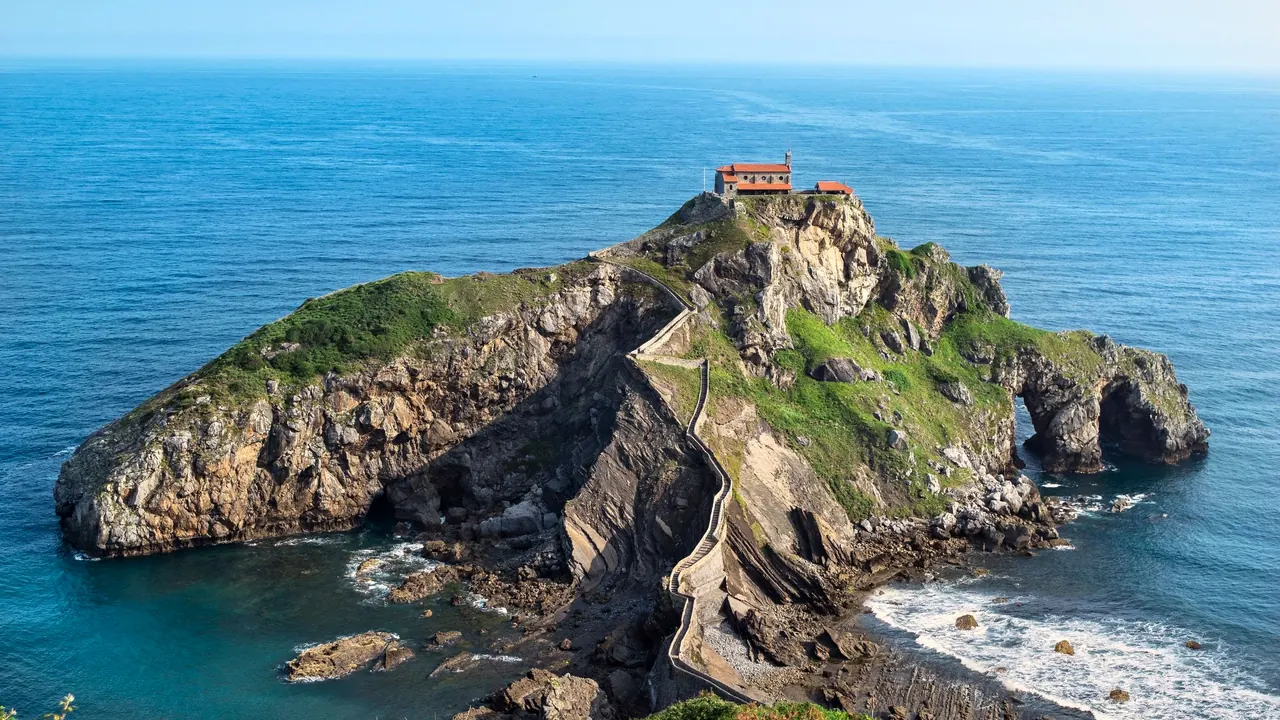
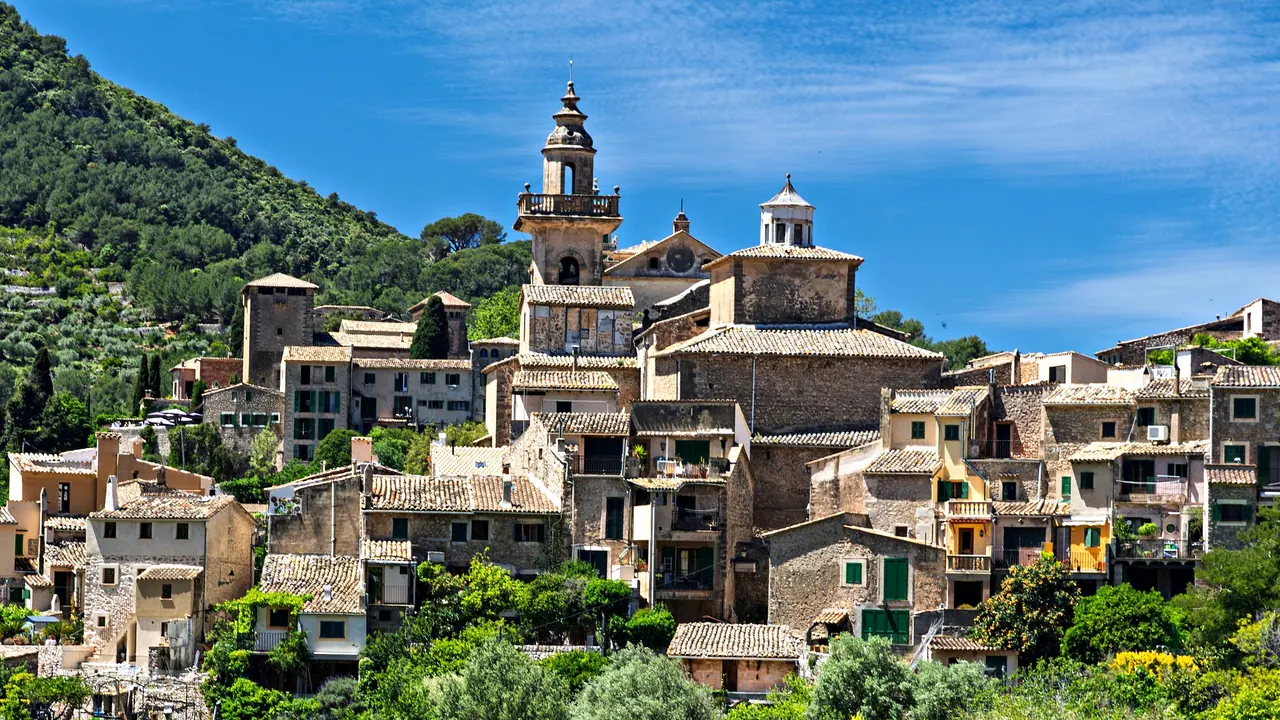
Photos: Basque Country by Enrique, Pexels License; Mallorca by Guerrero De la Luz, Pexels License.
Basque Country or Mallorca?
Our verdict in twelve categories, each scored against the same fixed benchmark cities, and the climate month by month, so you can choose for your trip.
Choose Basque Country for
- food and drink
- live music and the arts
- day trips
The Basque Country suits travellers who plan their days around the table. It also suits people who like a change of scene from one day to the next. Three compact cities sit close together, the Guggenheim and the old quarters of Bilbao and Vitoria give it more to see, and wine country, French Basque towns and fishing ports are all within easy reach. Expect to give up reliable sun, because grey and wet days are part of the bargain even in summer.
Choose Mallorca for
- beaches
- families
- wellness
Mallorca is the better choice for a warm, dependable beach vacation. Turquoise calas, long shallow bays that work well for small children and dry, sunny summers make it the easier pick for families and for anyone who wants to swim every day. The Tramuntana gives walkers and cyclists a mountain range by the sea. Food and culture are thinner outside Palma, and you will usually need a car to make the most of the island.
Scoreboard
Twelve categories on one fixed scale from 0 to 100. The shaded stretch is the gap between the two.
Your match
Pick a travel style or drag the sliders, and both match scores follow your weighting.
Too close to call, 1 point apart
Wins on food and drink and live music and the arts with your weighting.
Wins on beaches and families with your weighting.
What matters to you?
Category by category
What the scores mean for a trip.
Beaches & swimming
Mallorca is the stronger beach destination by a wide margin. It has white-sand calas with clear turquoise water in the southeast, the long dunes of Es Trenc, shallow bays in the north and snorkelling coves under the Tramuntana cliffs. The sea is warm from June to October.
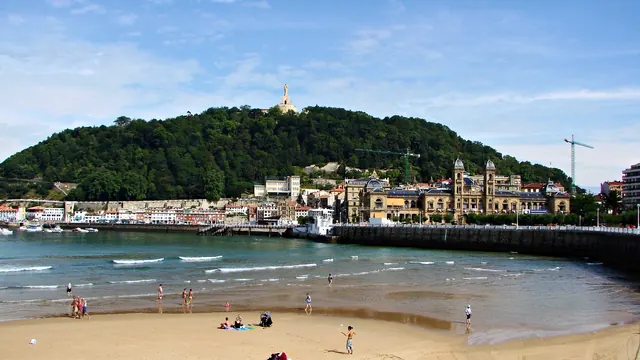
The Basque Country has La Concha, a very elegant town beach, calm enough for long swims out to the rafts. Zurriola and Mundaka give surfers proper waves. Beyond those, the Bay of Biscay is cooler and the weather less certain, so the beach is part of a summer stay rather than its purpose.
Food & drink
Food is the Basque Country's great strength and the biggest gap between these two. You can eat pintxos bar to bar in the Parte Vieja and Casco Viejo, try turbot grilled at Getaria and cider poured from the barrel in Astigarraga. The hills around San Sebastián hold a cluster of celebrated restaurants, and even ordinary places cook seriously.
Mallorca's cooking is honest country food: sobrassada, tumbet, an ensaïmada for breakfast. To find it, go to Palma's market and tapas bars or the old cellers of Inca and Sineu, because the resort strips mostly serve international menus.
Culture & sights
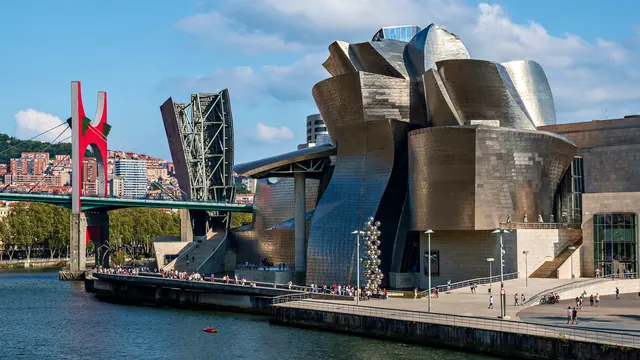
The Basque Country has more to see, spread across several cities. Bilbao has the Guggenheim and the Fine Arts Museum, Vitoria has a medieval hilltop core and San Sebastián has its Belle Époque promenades. There are also landmarks of Basque identity, such as the oak at Gernika and the Vizcaya Bridge.
Mallorca's heritage is concentrated in Palma, around La Seu above the sea wall, the Almudaina and Bellver Castle, with the Miró studios for modern art. Elsewhere on the island it is a scattering of smaller sights, from Chopin's charterhouse in Valldemossa to Bronze Age talaiotic villages.
Nightlife
Mallorca has slightly more going on after dark in summer, with clubs on Palma's Paseo Marítimo until dawn and the loud party resorts of Magaluf and Playa de Palma. Outside summer, only Palma stays lively.
A Basque night grows out of dinner. It starts with the pintxo crowds in the old quarters and moves on to cocktail bars, with a few clubs open late at weekends and student life in Vitoria. The August fiestas in Bilbao and San Sebastián are its big moments.
Nature & outdoors
Both are excellent for the outdoors, but the landscapes differ. The Basque Country is green, wet and steep, with beech forests and the tilted flysch cliffs of the Geopark between Zumaia and Deba. It also has the islet stair of Gaztelugatxe, the Urdaibai marshes and surf at Mundaka.
Mallorca's Tramuntana is drier limestone, with olive terraces dropping to the sea. You can walk the GR221 from village to village, descend the Torrent de Pareis gorge or ride the famous cycling hairpins to Sa Calobra. Summer heat confines serious walking there to spring and autumn, whereas Basque hills are walkable through the summer.
Day trips
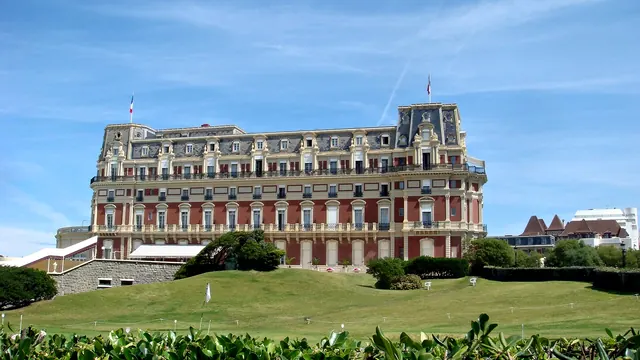
The Basque Country gives you more varied outings because borders and regions sit close together. Biarritz and Bayonne in France, Pamplona, the cave cellars of Laguardia in Rioja Alavesa and Burgos cathedral are all within easy reach of a base.
Mallorca's outings stay mostly on the island. You can ride the old wooden train to Sóller, visit hill towns such as Pollença and Artà and plan a day around the markets at Sineu or Santanyí. The boat to Cabrera and the ferry to Menorca are the only ways to leave it for the day.
Good for families
Mallorca is the easier choice with children. In the north bays and at Cala Millor the sand shelves gently into calm water, many resorts come with pools and kids' clubs, and water parks, an aquarium and the boat ride through the Caves of Drach fill the days. June and September are kinder than the crowded midsummer.
In the Basque Country, San Sebastián works well as a family base, with La Concha's calm water, the aquarium, Eureka and the funicular up to the old fairground on Monte Igueldo. There is no big park to anchor a stay, and you need rainy-day plans.
Getting around
The Basque Country is the easier of the two without a car. Bilbao, San Sebastián and Vitoria are about an hour apart by motorway coach, and each centre is compact enough to walk. Bilbao adds a metro and a riverside tram. Euskotren's narrow-gauge trains take a slow but scenic inland route between Bilbao and San Sebastián and go on to the French border at Hendaye. You really need a car only for wine country and the hill parks.
On Mallorca, buses and a few rail lines are enough if you stay at one resort. To reach the coves, the mountain villages and the markets, though, most visitors hire a car. In summer that means narrow roads and full car parks.
Shopping & style
Mallorca has a little more to offer shoppers. Palma's Passeig des Born and old-town boutiques sell fashion, and the island has its own crafts: Inca leather and shoes, Manacor pearls, striped roba de llengües cloth and the weekly village markets at Sineu and Pollença.
In the Basque Country, you will find the chains in Bilbao's Gran Vía and boutiques in San Sebastián's Centro. The best purchases are edible: Idiazabal cheese, Getaria anchovies and txakoli. Basque linen and berets are the local textile souvenirs.
Affordability
Neither is cheap, but you save money in different ways. In the Basque Country, the trick is where you sleep: stay in Bilbao or Vitoria rather than San Sebastián, eat pintxos and set lunches, and use the inexpensive trains and metro.
On Mallorca, the trick is when and how you book. Package resorts in the north bays and on the east coast cost far less than Palma boutiques or cove hotels, and May, June or late September bring prices down while the sea stays warm. Car hire and sunbeds add to the bill.
Live music & performing arts
The Basque Country has the richer stage. San Sebastián's Jazzaldia plays on the beach and in the Kursaal, the Quincena Musical brings orchestras in August and BBK Live fills a hillside above Bilbao. ABAO runs a full opera season at the Euskalduna, and two orchestras play through the winter.
Mallorca's offer is modest and centred on Palma's Teatre Principal and the Balearic Symphony. In summer you can catch concerts in Bellver's courtyard and festivals in Valldemossa and Pollença.
Wellness & relaxation
Mallorca is somewhat better for a restful stay. It has quiet country estates among almond and olive groves, yoga retreats in spring and autumn, plenty of good hotel spas and the old Font Santa spring near Es Trenc. The warm weather lets you relax outdoors.
The Basque Country offers seawater pools at San Sebastián's thalassotherapy centre on La Concha and the old springs at Zestoa. Otherwise, rest there comes from slow lunches, promenade walks and nights in Lekeitio or a farmhouse inland.
When should you go?
Pick your month. The climate figures are measured averages, not a forecast.
Basque Country in July
Mallorca in July
Daytime high, °C
Rainfall in the month, mm
Where the figures come from
Basque Country's station stands 253 m above the place it is measured for, so that place is likely a little warmer than the figures say.
Temperature and rainfall are climate normals, averaged over the years shown. Basque Country: 1991-2020 normals, San Sebastian / Igueldo (10 km from centre). Mallorca: 1991-2020 normals, Palma De Mallorca (3.6 km from centre).
On the Basque coast, summer is mild rather than hot. Daytime highs reach about 22°C in July and August, and the sea peaks at 22°C, so beach days run from July to early September and depend on the weather. Rain falls in every month and is heaviest in late autumn, with November the wettest at around 203mm. The cool, green months are fine for eating and walking the cities, but you need a coat and patience. Late spring and September are good for hiking, with longer sunny spells.
Mallorca is much warmer and drier. July and August reach about 30°C, are almost rainless and have far more sunshine, and the sea warms to 26°C. That is excellent for the beach but tiring for walking Palma or the hills by midday. Swimming is good from June to October. Spring and autumn are the best seasons for the Tramuntana, though rain picks up from September into November. Winter around the island stays several degrees milder than on the Basque coast.
Which traveller are you?
For a beach and sun trip, choose Mallorca. The Basque coast has a fine town beach at La Concha, but the sea is cool and cloudy days are common. Mallorca gives you warm water, dry summers and both coves and long sandy bays.
On a food and nightlife trip, the Basque Country wins. Evenings run from the pintxo counters of San Sebastián or Bilbao on to late bars, and cider houses and Rioja Alavesa fill the days. Mallorca has bigger clubs but plainer cooking.
On a family trip with children, Mallorca is the less demanding choice. In the Basque Country, a family stay works best for older children who enjoy city outings and can cope with the weather. On Mallorca, reliable sun and resorts built around children make the days largely run themselves.
Before you go
| Measure | Basque Country | Mallorca |
|---|---|---|
| Official language | Spanish | Spanish |
| Currency | Euro (EUR) | Euro (EUR) |
| Sockets | CF230 V, 50 Hz | CF230 V, 50 Hz |
| Driving side | Right | Right |
| Time zone | UTC+1, UTC+2 in summer | UTC+1, UTC+2 in summer |
| Emergency number | 112 | 112 |
| Main airport | Bilbao Airport (BIO)73 non-stop destinations | Palma de Mallorca Airport (PMI)201 non-stop destinations |
| Public holidays this year | 13 days | 13 days |
By the numbers
| Measure | Basque Country | Mallorca |
|---|---|---|
| Population | 3,193,513 | 949,047 |
| People per km² | - | 262 |
| Swim season, months above 21 °C | 2 months | 5 months |
Where else could you go?
Every comparison below shares a destination with this one, so you can follow Basque Country or Mallorca somewhere new.
- Ibizavs Mallorca
- Formenteravs Mallorca
- Menorcavs Mallorca
- Barcelonavs Mallorca
- Bordeauxvs Basque Country
- Costa Bravavs Mallorca