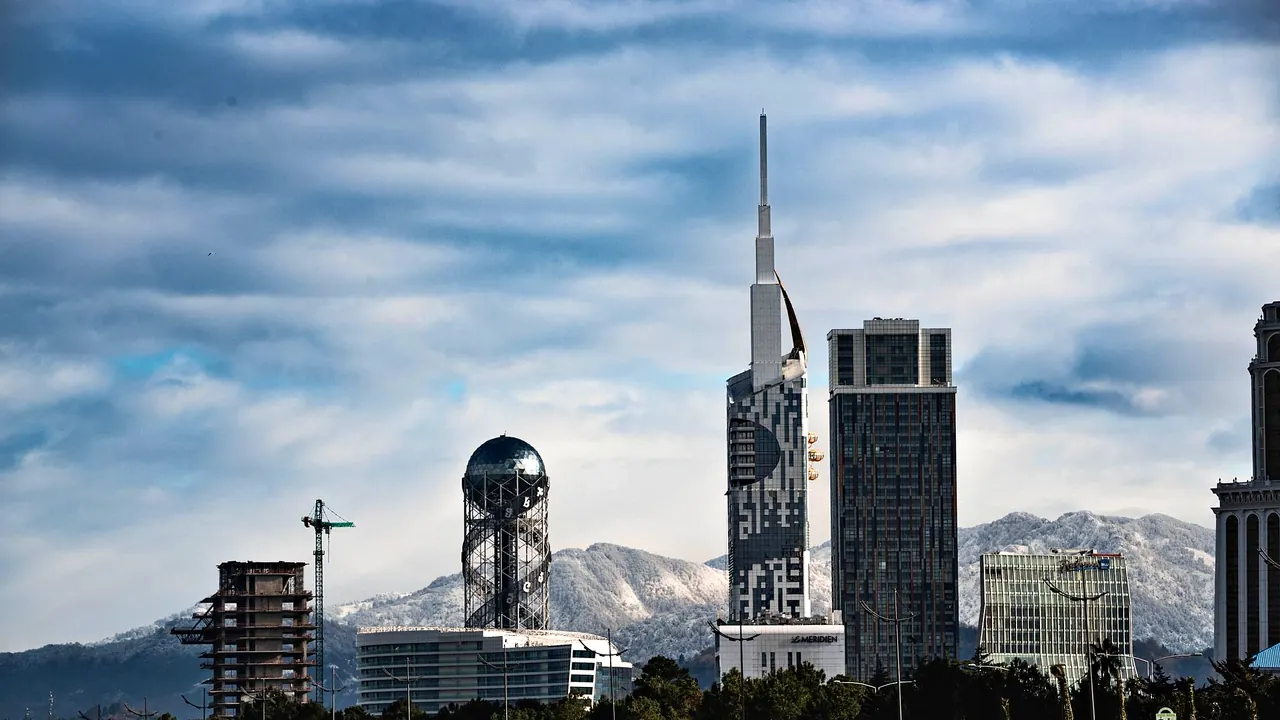
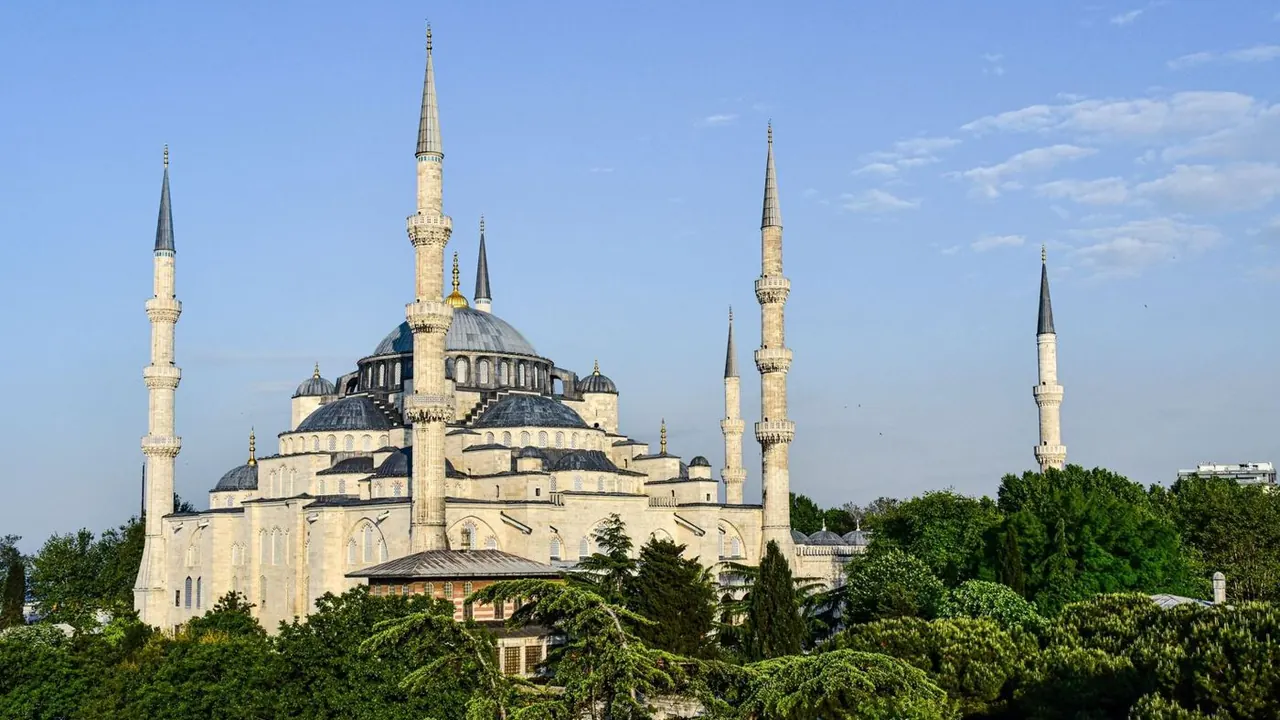
Photos: Batumi by Павел Хлыстунов, Pexels License; Istanbul by AXP Photography, Pexels License.
Batumi or Istanbul?
Our verdict in twelve categories, each scored against the same fixed benchmark cities, and the climate month by month, so you can choose for your trip.
Choose Batumi for
- prices
- beaches
- nature and the outdoors
Batumi suits a summer seaside trip with green mountains close behind it. You swim straight off the promenade, take day walks in subtropical forest and waterfall country, and spend the evenings at open-air clubs. Meals and rooms cost noticeably less, and the town is small enough to settle into without a plan. Go there for sea, hills and an easy rhythm, not for sightseeing.
Choose Istanbul for
- shopping
- culture and sights
- wellness
Istanbul is the choice for a trip built around the city itself. Its imperial monuments, bazaars, meyhane dinners, historic hammams and late nights in Beyoglu and Kadikoy could fill a week, and they are just as rewarding in spring or autumn as in summer. Swimming takes a side trip, and the tourist districts cost more, but for history, food and shopping the two cities are not in the same league.
Scoreboard
Twelve categories on one fixed scale from 0 to 100. The shaded stretch is the gap between the two.
Your match
Pick a travel style or drag the sliders, and both match scores follow your weighting.
Wins on prices and beaches with your weighting.
Wins on shopping and culture and sights with your weighting.
What matters to you?
Category by category
What the scores mean for a trip.
Beaches & swimming
Batumi is the beach town of the two. A long pebble shore runs the full length of the boulevard, so you can swim between breakfast and lunch, and the sea there is a little warmer in high summer. The stones are coarse and the water off the centre can be cloudy after rain. For clear water and green hills sloping down to the shore, go to Gonio, Kvariati or Sarpi, all close by.
Istanbul offers the opposite kind of beach. Its sandy Black Sea strands at Kilyos and Sile are softer underfoot but an hour away and known for strong currents. Closer in, the Princes' Islands have small coves for a half day. Swimming there fits around the sightseeing.
Food & drink
Batumi eats well within a narrow range. Adjarian khachapuri, khinkali, walnut sauces and fish picked at the port market and fried next door make for very good meals, best in family-run places in the old town. After a few days, though, you have tried most of what the town cooks.
In Istanbul, food is reason enough to make the trip. Lunch trays in lokantas, Black Sea anchovies, south-eastern kebabs, Ottoman palace dishes and long meyhane evenings in Beyoglu and Kumkapi give you something new at every meal. Grazing through the Kadikoy market streets is a highlight in itself.
Culture & sights
Batumi's culture is mostly modern and on show by the sea: the Alphabet Tower, the turning Ali and Nino figures and the illuminated skyline, with oil-boom houses and the Orta Jame mosque in the old town. The Roman and Byzantine fortress at Gonio is the one serious historic site, and a day covers the lot.
Istanbul is one of the world's great historic cities. Hagia Sophia, the Blue Mosque, Topkapi and the Basilica Cistern sit within a short walk of each other on the historic peninsula. Beyond them are Sinan's Süleymaniye, the Chora mosaics, the Theodosian land walls and the Ottoman palaces along the Bosphorus. A week still leaves things unseen.
Nightlife
Batumi's nightlife is a summer resort scene: beach clubs playing until dawn, crowded boulevard bars and casinos under towers lit up in colour. Outside July and August most of it closes, and only a few wine bars in the old town stay open.
Istanbul goes out all year and in many different styles. You can find rooftop bars over the Golden Horn, meyhanes off Istiklal that end in singing, polished cocktail bars in Karakoy and Cihangir, and cheap, crowded bar streets in Kadikoy and Moda. In summer the Bosphorus clubs at Ortakoy add the glamour Batumi aims for, on a much larger scale.
Nature & outdoors
Batumi has wilder country on its doorstep. The Botanical Garden climbs the Green Cape above the sea, and Mtirala's rainforest trails and river pools are about an hour away. The Adjaristskali valley adds rafting, arched stone bridges and paragliding from the coastal hills. The same heavy rain that keeps it all green also means some days are lost to the weather.
Istanbul's nature is gentler and closer to the city. You get the wooded Bosphorus seen from a ferry, tulips in Emirgan in April, the trails of Belgrad Forest and cycling on the car-free Princes' Islands. There are no mountains within reach, and getting out of the city takes time.
Day trips
Istanbul has the stronger choice of outings, and many begin on a boat. The Princes' Islands, a cruise up the Bosphorus to the castle at Anadolu Kavagi and Bursa, the first Ottoman capital, each fill a satisfying day. Edirne and Iznik are possible for those willing to make a long day of it.
Batumi's excursions are shorter and smaller. Gonio and the ruins of Petra cover the history, Kobuleti and Ureki offer a different beach, and the wine villages around Keda make a pleasant drive inland. Sarpi lets you cross briefly into Turkey, but Kutaisi's monasteries need an overnight stay.
Good for families
The two are evenly matched for families, in different ways. Batumi is a summer seaside trip: a flat, car-free boulevard with playgrounds and bike hire, plus the dolphinarium, the cable car and the Ferris wheel. The pebbles hurt small feet, though, and traffic off the promenade is careless.
Istanbul works more as a city adventure in any season. Children love the ferry rides, the submarine at the Rahmi M. Koç Museum and Miniaturk. The price is steep cobbled hills, crowds at the big sights and pushchair-hostile pavements.
Getting around
Batumi is a town you cover on foot. The old town, the port and the seafront boulevard lie close together on flat ground, a cycle path runs the length of the promenade, and buses or cheap app taxis reach the botanical garden, Gonio and the airport. There is no metro or tram, and once you leave the boulevard the pavements narrow and pedestrian crossings count for little.
Istanbul is no harder to manage, but there you rely on the transit network rather than your feet. One card covers the metro, the T1 tram through the old city, the Marmaray tunnel under the Bosphorus and the ferries between continents, which beat sitting in road traffic. Walking the historic peninsula and Beyoglu means steep hills, and the tram past the main sights is packed at rush hour.
Shopping & style
Batumi is no place for a shopping trip. Beyond a few chain malls, the central market's cheese, honey and churchkhela and shops full of Georgian wine and chacha supply the best souvenirs. Enamel jewellery and felt are the craft finds.
Istanbul is one of the great shopping cities. The Grand Bazaar's hans sell carpets, kilims, lamps and leather, and the Spice Bazaar stands by the Golden Horn. Nisantasi has designer labels, Cukurcuma antiques and Kadikoy flea markets, which together cover almost every taste and budget.
Affordability
Batumi stretches a budget further. Georgian meals with wine, taxis and the botanical garden are all cheap, and apartments in the towers keep rooms low for most of the year. Only July and August push seafront prices up, so June and September give the best mix of warm sea and low cost.
Istanbul can be cheap if you eat in lokantas and ride the ferries. But rooms and menus in Sultanahmet, Galata and along the Bosphorus are much dearer, and heavily taxed drinks and entry fees at the big monuments add up. Staying in Kadikoy narrows the gap.
Live music & performing arts
Istanbul gives you far more to plan an evening around. The state opera and ballet perform at the Ataturk Cultural Centre, summer festivals put jazz and classical concerts in historic courtyards, and Beyoglu and Kadikoy have small venues for Anatolian folk and rock. Sema ceremonies in old dervish lodges and fasil musicians in the meyhanes are easy to find.
In Batumi you rely more on luck. The drama theatre and the music centre mainly serve local audiences, and seafront concerts happen in summer. If a Georgian polyphonic choir is performing, though, it is well worth going.
Wellness & relaxation
Istanbul has a living bathing tradition. In Sinan's sixteenth-century hammams, such as Cemberlitas and Kilic Ali Pasa, you lie on a heated marble stone under star-pierced domes while an attendant scrubs you down. A slow ferry or tea in Kandilli brings calm to a hectic city.
Batumi has nothing like this, since Georgia's sulphur baths are in Tbilisi. Here wellness means hotel spa floors and massage of uneven quality. Its real calm comes out of season, walking the empty promenade or the garden terraces above the sea.
When should you go?
Pick your month. The climate figures are measured averages, not a forecast.
Batumi in July
Istanbul in July
Daytime high, °C
Rainfall in the month, mm
Where the figures come from
Batumi's sunshine is measured 55 km from the centre, at Artvin.
Temperature and rainfall are climate normals, averaged over the years shown. Batumi: 1991-2020 (rainfall 1981-2010) normals, Batumi (0.8 km from centre). Istanbul: 1991-2020 normals, Istanbul / Goztepe (9.9 km from centre).
Batumi is a summer destination. From June to September the sea is warm enough for long swims, peaking around 26°C in August, and the days are hot without being harsh. The catch is rain, which falls in every season and is at its heaviest from September through winter, with September alone bringing about 328mm. April and May are the driest months and pleasant for walking, though the sea is still cool. In winter Batumi is grey, wet and mild, and has little to offer a visitor.
Istanbul has a drier, sunnier climate with a different shape. Summer is reliably dry and bright, but July and August reach about 30°C, which makes long days on the hills of the old city tiring. May, June, September and early October are the best months for sightseeing, warm and mostly dry. Rain arrives with October and the winters are chilly and damp. The sea along its Black Sea beaches stays a degree or two cooler than Batumi's, so for swimming in high summer Batumi has the edge, and for a spring or autumn city break Istanbul is the far safer bet.
Which traveller are you?
On a culture and arts trip, Istanbul wins easily. Hagia Sophia, Topkapi, the Süleymaniye and the Chora mosaics are only the start, with opera, jazz festivals and dervish ceremonies in the evenings. Batumi's sights take a day.
For a beach and sun trip in summer, Batumi is the better base. The sea is right in front of the hotels and warm from June to September, and there are clearer coves at Gonio and Sarpi. In Istanbul, swimming means an hour's trip north.
On a relaxing and wellness trip, Istanbul offers what Batumi lacks: centuries-old Sinan hammams with marble domes and a full scrub, then tea on a Bosphorus terrace. In Batumi, relaxation means hotel spas and quiet shoulder-season walks.
Before you go
| Measure | Batumi | Istanbul |
|---|---|---|
| Official language | Georgian | Turkish |
| Currency | Lari (GEL) | Turkish Lira (TRY) |
| Sockets | CF220 V, 50 Hz | CF230 V, 50 Hz |
| Driving side | Right | Right |
| Time zone | UTC+4 | UTC+3 |
| Emergency number | 112 | 112 |
| Elevation | 3 m | 100 m |
| Main airport | Alexander Kartveli Batumi International Airport (BUS)5 km from centre39 non-stop destinations | İstanbul Airport (IST)36 km from centre343 non-stop destinations |
| Public holidays this year | 17 days | 14 days |
By the numbers
| Measure | Batumi | Istanbul |
|---|---|---|
| City population | 235,668 | 15,655,924 |
| People per km² | 3,631 | 2,930 |
| Museums within 10 km | 6 | 75 |
| UNESCO World Heritage sites within 50 km | 1 | 1 |
| Swim season, months above 21 °C | 4 months | 3 months |
Where else could you go?
Every comparison below shares a destination with this one, so you can follow Batumi or Istanbul somewhere new.