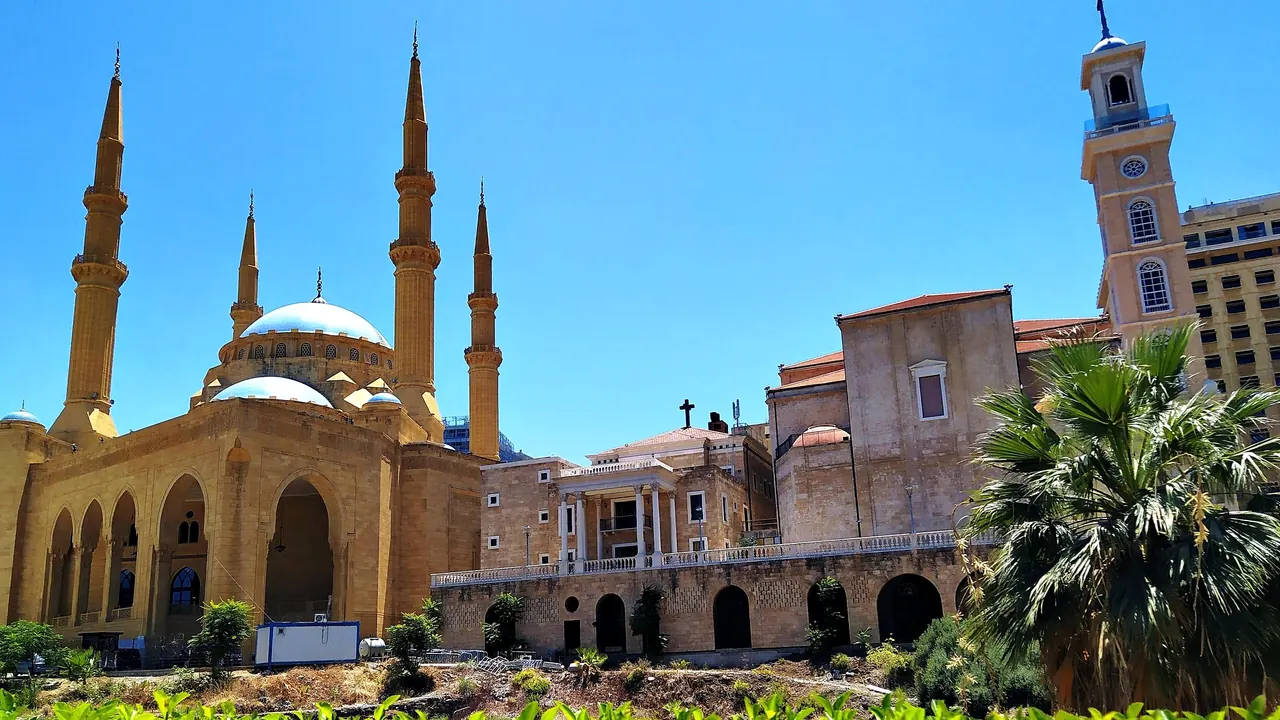
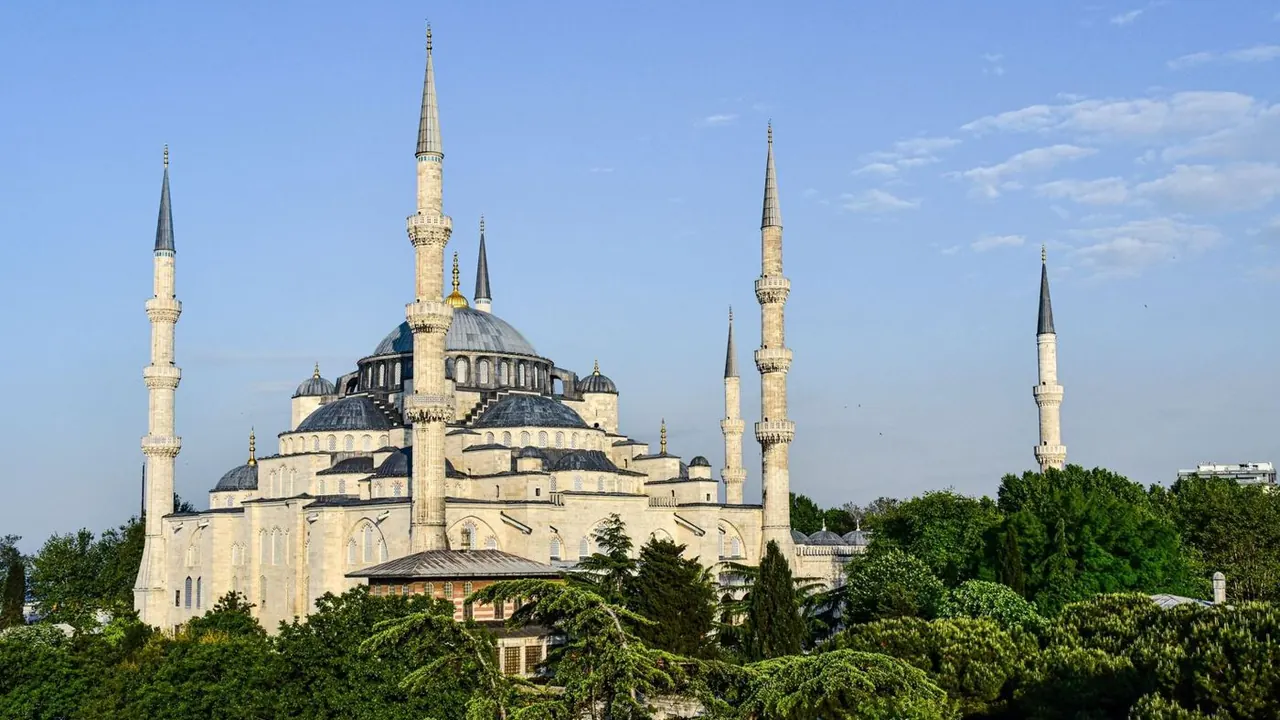
Photos: Beirut by Radosław Botev, CC BY 3.0 PL, cropped; Istanbul by AXP Photography, Pexels License.
Beirut or Istanbul?
Our verdict in twelve categories, each scored against the same fixed benchmark cities, and the climate month by month, so you can choose for your trip.
Choose Beirut for
- day trips
- nature and the outdoors
- beaches
Beirut suits travellers who treat the city as a base for the country around it. Byblos, Baalbek, Tyre and the mountain villages are all within a couple of hours, the beach clubs fill summer days, and Mar Mikhael and Gemmayzeh keep going until dawn. It is a trip for adults who enjoy long mezze lunches, late nights and a driver for the day, and who don't mind that the city is hard to get around and has fewer big sights of its own.
Choose Istanbul for
- wellness
- getting around
- culture and sights
Choose Istanbul when the city itself is the destination. The historic peninsula alone fills several days, the Grand Bazaar is a shopping trip in its own right, and a Sinan hammam gives you a calm break from the crowds. Trams, metro and ferries make it far easier to manage without a car. It is gentler on families and a little kinder to a budget, though it offers less beach life and fewer easy escapes.
Scoreboard
Twelve categories on one fixed scale from 0 to 100. The shaded stretch is the gap between the two.
Your match
Pick a travel style or drag the sliders, and both match scores follow your weighting.
Wins on day trips and nature and the outdoors with your weighting.
Wins on wellness and getting around with your weighting.
What matters to you?
Category by category
What the scores mean for a trip.
Beaches & swimming
In neither city do you just walk down to the sand, but Beirut fits more swimming into a stay. Its sea is warm from June to October, locals swim off the Corniche rocks, and the beach clubs to the north and south, plus the cleaner shores around Byblos and Batroun, make beach days a regular part of summer. The price is a drive and an entrance fee.
In Istanbul the water near the centre is for looking at. Swimming means an hour's trip north to the cooler Black Sea sands at Kilyos or Sile, where the currents are strong, or a ferry to the pebbly coves of the Princes' Islands. It makes a half day out, not a reason to come.
Food & drink
Both are outstanding places to eat, and in both an evening is built around meze with an aniseed spirit, arak in Beirut and rakı in Istanbul. The difference is depth against breadth. Beirut does the Lebanese table brilliantly at every level: za'atar manakish from a Hamra bakery, Armenian grills in Bourj Hammoud, polished dining rooms in Achrafieh, plus Bekaa wine and weekend lunches on a mountain terrace.
Istanbul draws on the whole of Turkey, so Black Sea anchovies, south-eastern kebabs and Ottoman palace dishes all turn up in one city. Its particular pleasures are the lunchtime lokanta, a long meyhane night in Beyoglu or Kumkapi, and grazing through Kadikoy's market streets.
Culture & sights
Beirut's sights fit into a short stay, because war and rebuilding have broken up much of the old city. The Phoenician sarcophagi and Roman mosaics of the National Museum and the contemporary art in the Sursock's white villa are the highlights. Downtown adds the Roman baths and the restored streets around Place de l'Etoile. After that, what holds your interest is the streets: the stairways of Gemmayzeh and the bullet-marked facades.
Istanbul has far more to see. Hagia Sophia, the Blue Mosque, Topkapi and the Basilica Cistern are all a short walk from each other. Beyond them are Süleymaniye, the Chora mosaics, the Theodosian walls and the palaces along the Bosphorus. A week will not cover it all, so on a trip built around sightseeing, the city itself is the reason to go.
Nightlife
Both cities stay out until dawn, but going out matters more in Beirut. Mar Mikhael and Gemmayzeh are packed with small bars, and the crowd moves from one to the next. The night carries on in underground clubs by the port, on rooftops in summer and at beach-club parties, and people dress up for it.
Istanbul's scene is large but kept to a few districts. There are rooftop bars in Beyoglu and meyhanes there that end in singing, polished cocktail bars in Karakoy, cheaper streets in Kadikoy and summer clubs on the Bosphorus at Ortakoy. Heavy taxes on alcohol push up the cost, and outside those areas the city is quiet.
Nature & outdoors
Neither city has much green within it, but Beirut has mountains right behind it. Within an hour you are among pines and stone villages above 1,000m. Nearby are the Jeita Grotto, paragliding over Jounieh Bay and walks on the Lebanon Mountain Trail, plus skiing at Faraya and Mzaar in winter. The Qadisha Valley and the cedar forests are further out.
Istanbul's outdoors is gentler and centred on the water. There is the wooded Bosphorus shore, tulips in Emirgan in April, the trails of Belgrad Forest and cycling on the Princes' Islands, but no mountains within easy reach.
Day trips
Beirut is far ahead here, because Lebanon is small and packed with history. Byblos is under an hour away. Baalbek's Roman temples and the ruins of Anjar are across the mountains in the Bekaa, and Sidon, Tyre, Beiteddine and Deir el-Qamar each make an easy day. You will need a driver or a tour and an early start, and you should check conditions before heading south or into the Bekaa.
Istanbul's best outings are by boat, to the Princes' Islands or up the Bosphorus to Anadolu Kavagi, with Bursa about two hours away. Edirne and Iznik make long days, and Gallipoli and Troy need a night away.
Good for families
Children are made a fuss of in both cities, but Istanbul gives them much more to do. Ferry rides, the submarine and trains at the Rahmi M. Koç Museum, Miniaturk, the aquariums and the seaside parks on the Asian shore add up to a real programme. Public transport also means fewer taxis, though the crowds and cobbled hills still tire small children.
Beirut has the Corniche, beach-club pools, the Jeita Grotto and the Harissa cable car. But broken pavements and aggressive drivers make pushchairs hard going, and the city suits older children who are happy with long meals better than toddlers.
Getting around
Istanbul has the transport Beirut lacks. One card covers the metro, the T1 tram through the old city, the Marmaray tunnel, the funiculars and the ferries, and crossing between continents by boat is a pleasure in itself. The drawbacks are the rush-hour crush and slow taxis.
Beirut has no metro or tram, and visitors will struggle to work out the buses, so you rely on ride-hailing, taxis and shared service cars. Hamra, Downtown and Gemmayzeh are each easy on foot, but between them the streets are steep, the pavements broken and the traffic heavy, and every day trip needs a car.
Shopping & style
For shopping, Istanbul is in another league. In the covered streets and hans of the Grand Bazaar, the Spice Bazaar and the craft streets between them you can haggle for carpets, ceramics, copper and Turkish delight. Nisantasi's designer shops, the antique shops of Cukurcuma and Kadikoy's flea markets cover the rest.
Beirut's strength is fashion and design: its couture and bridal houses, and the Lebanese designers in the boutiques of Gemmayzeh, Mar Mikhael and Saifi Village. Bourj Hammoud adds jewellers and leather workers. The city has no historic bazaar of its own, so for that you go to Sidon or Tripoli.
Affordability
Istanbul is somewhat cheaper, mainly because getting around costs very little: ferries and trams do the job that taxis and hired drivers do in Beirut. The costs to watch are the entry fees foreigners pay at the major monuments and the heavily taxed drinks.
In Beirut the money goes on beach-club fees, drivers for day trips and a going-out scene priced like Southern Europe. In both cities street food is how you save, with manakish and shawarma in Hamra, and simit and fish sandwiches by the Golden Horn.
Live music & performing arts
Istanbul offers more for a night at a performance. The state opera and ballet are based at the Ataturk Cultural Centre, concert halls bring in orchestras, and Sema ceremonies in dervish lodges and fasil musicians in the meyhanes are traditional performances that visitors can easily see.
Beirut's scene is smaller. The Lebanese Philharmonic plays in churches and university halls, Hamra has small theatres and cabarets, and there is jazz and Arabic fusion in bars. Its biggest events are the summer festivals at Baalbek, Beiteddine and Byblos, outside the city.
Wellness & relaxation
Istanbul has a ready answer when you want to rest. Its working Sinan hammams, such as Cemberlitas and Kilic Ali Pasa, offer a scrub on the heated stone under a marble dome, and there are slow ferry rides and tea on a terrace at Kandilli.
In Beirut the hammam tradition has nearly gone, which leaves hotel spas and beauty salons, and the city is loud with traffic and generators. For real calm, spend a night or two in a guesthouse in the Shouf mountains.
When should you go?
Pick your month. The climate figures are measured averages, not a forecast.
Beirut in July
Istanbul in July
Daytime high, °C
Rainfall in the month, mm
Temperature and rainfall are climate normals, averaged over the years shown. Beirut: 1991-2020 (sunshine 1961-1990) normals, Beyrouth Aeroport (8.3 km from centre). Istanbul: 1991-2020 normals, Istanbul / Goztepe (9.9 km from centre).
Beirut has much the longer warm season. The sea is good for swimming from June to October and reaches about 28°C in August and September. Summer is almost rainless and very sunny, but highs of 31°C and the coastal humidity make July to September sticky for walking the streets. April, May and October are the best months for sightseeing and the mountains. Winter is mild but wet, with January the rainiest month at 178mm.
Istanbul has four distinct seasons and runs cooler. Winters are grey and chilly, around 9°C in January, and the sea only gets to about 24°C at its August peak, so the beach season is short. Late May, June, September and early October are best for walking the hills and the Bosphorus shore. July and August are warm and sunny, and the rain comes back from October.
Which traveller are you?
For a culture and arts trip, Istanbul is the clear choice. The historic peninsula, the Bosphorus palaces and the Chora mosaics fill a week, and in the evening there is opera at the Ataturk Cultural Centre or a Sema ceremony. Beirut's sights take two or three days.
On an outdoors trip, Beirut wins. Pine forests and stone villages are within an hour, along with the Jeita Grotto, paragliding, day hikes on the Lebanon Mountain Trail and skiing at Faraya in winter. Istanbul has parks, forest trails and ferries, but no mountains nearby.
For a relaxing and wellness trip, pick Istanbul. A scrub under the dome of a sixteenth-century hammam, tea on a Bosphorus terrace and slow ferry crossings give real calm. Beirut is loud, its hammams have nearly disappeared, and resting there means heading up into the mountains.
Before you go
| Measure | Beirut | Istanbul |
|---|---|---|
| Official language | Arabic | Turkish |
| Currency | Lebanese Pound (LBP) | Turkish Lira (TRY) |
| Sockets | ABCG220 V, 50 Hz | CF230 V, 50 Hz |
| Driving side | Right | Right |
| Time zone | UTC+2, UTC+3 in summer | UTC+3 |
| Emergency number | Police 112/160, ambulance 140, fire 175 | 112 |
| Elevation | 0 m | 100 m |
| Main airport | Beirut Rafic Hariri International Airport (BEY)8 km from centre54 non-stop destinations | İstanbul Airport (IST)36 km from centre343 non-stop destinations |
| Public holidays this year | - | 14 days |
By the numbers
| Measure | Beirut | Istanbul |
|---|---|---|
| City population | 2,421,354 | 15,655,924 |
| People per km² | - | 2,930 |
| Museums within 10 km | 15 | 75 |
| UNESCO World Heritage sites within 50 km | 2 | 1 |
| Swim season, months above 21 °C | 7 months | 3 months |
Where else could you go?
Every comparison below shares a destination with this one, so you can follow Beirut or Istanbul somewhere new.