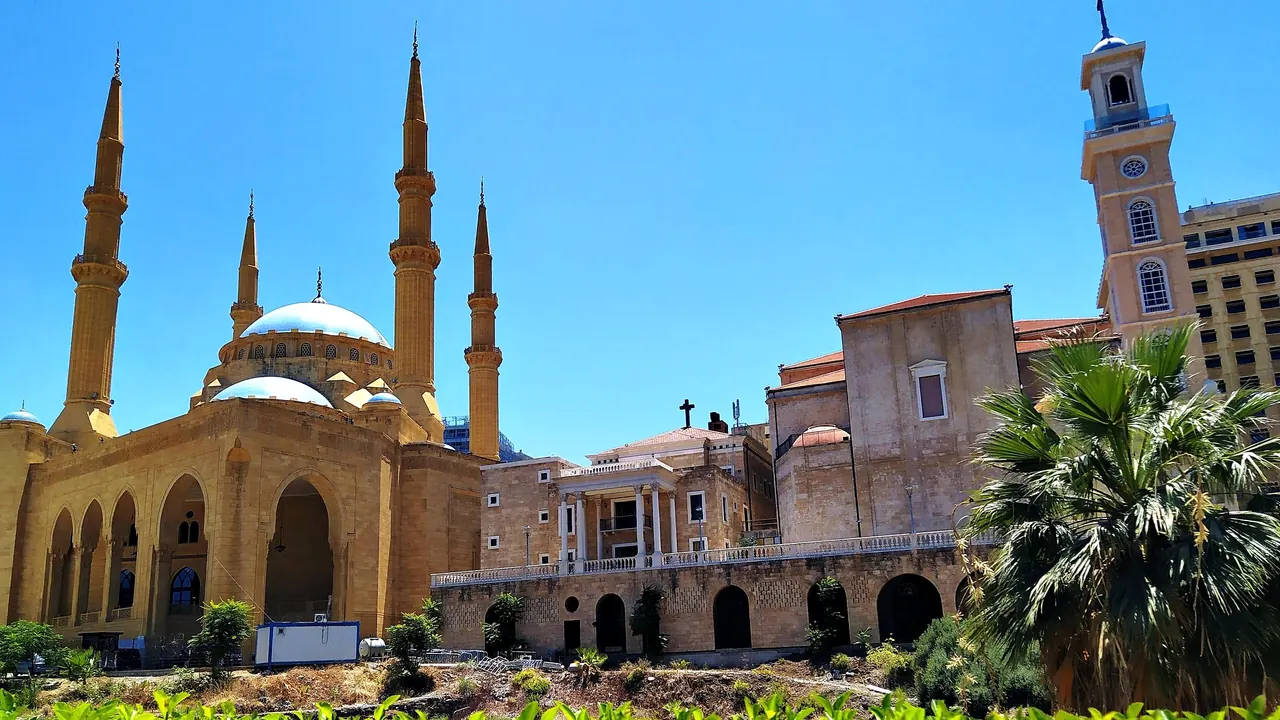
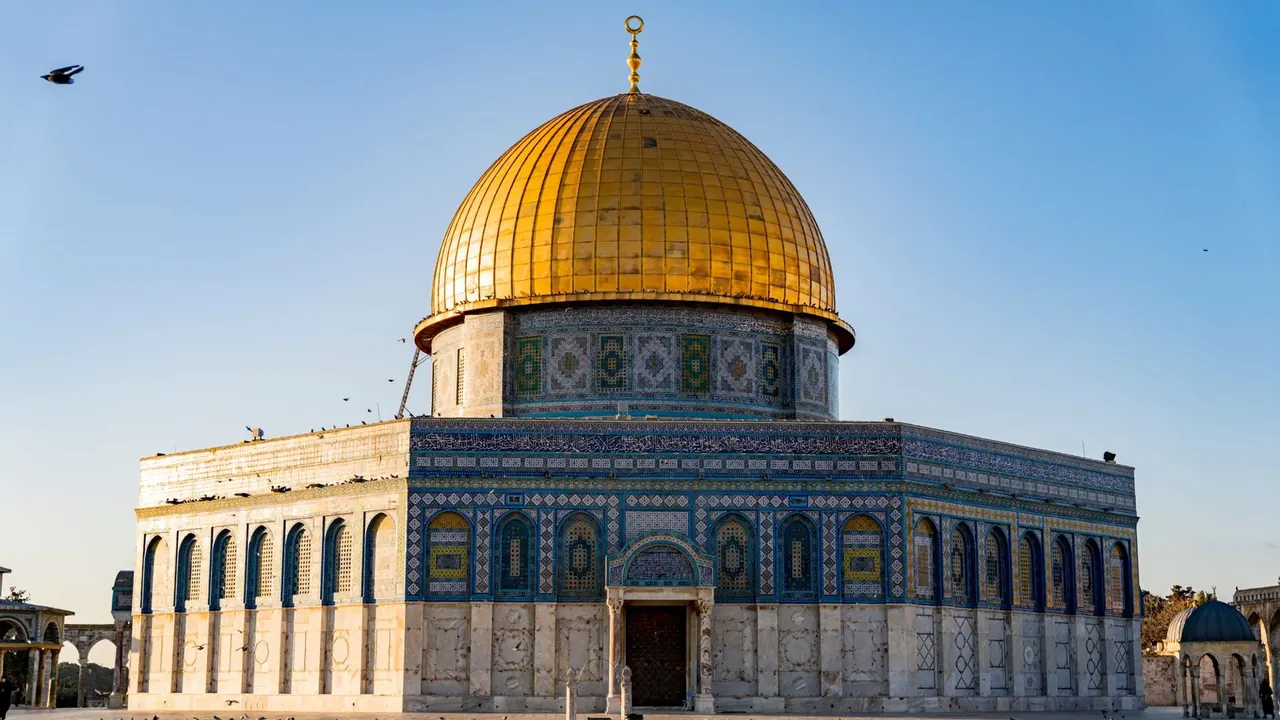
Photos: Beirut by Radosław Botev, CC BY 3.0 PL, cropped; Jerusalem by Yasir Gürbüz, Pexels License.
Beirut or Jerusalem?
Our verdict in twelve categories, each scored against the same fixed benchmark cities, and the climate month by month, so you can choose for your trip.
Choose Beirut for
- nightlife
- prices
- beaches
Beirut suits travellers who judge a trip by its evenings and its table: long mezze lunches, bar-hopping through Mar Mikhael and Gemmayzeh, clubs that close at dawn, and summer days at a beach club. It also makes the better base for mountain air and a wide spread of excursions, from Baalbek to Byblos. In return you accept taxis, heavy traffic and a city with few sights of its own.
Choose Jerusalem for
- culture and sights
- getting around
- families
Anyone who comes for history and faith should go to Jerusalem. The Old City, the Israel Museum and Yad Vashem give it a depth Beirut cannot match, and the light rail and compact centre make it easier to get around, especially with children. Expect a quieter and more expensive stay, with Shabbat shaping every week. The beach and any big night out are an hour away in Tel Aviv.
Scoreboard
Twelve categories on one fixed scale from 0 to 100. The shaded stretch is the gap between the two.
Your match
Pick a travel style or drag the sliders, and both match scores follow your weighting.
Wins on nightlife and prices with your weighting.
Wins on culture and sights and getting around with your weighting.
What matters to you?
Category by category
What the scores mean for a trip.
Beaches & swimming
Neither city lets you walk down to the sand, but Beirut at least sits on the sea. Swimming there means the rocks of the Corniche, the public sand of Ramlet al-Baida with its unreliable water, or more often a paid beach club. The cleaner water is up and down the coast at Byblos, Batroun and Jiyeh.
Jerusalem has no shore at all. Tel Aviv's long sand beaches are about an hour away door to door by train. The Dead Sea offers a salty float from a rocky shore rather than a swim. Either one takes a full day rather than fitting into the routine.
Food & drink
Both cities share hummus, knafeh and cardamom coffee, but Beirut makes far more of the table. Its range runs from manakish breakfasts, Armenian grills in Bourj Hammoud, arak and Bekaa wine to polished dining rooms in Achrafieh, and long meals are the point of the day.
Jerusalem's best eating is concentrated in Mahane Yehuda and the hummus counters of the Old City, with Kurdish, Iraqi and Yemenite dishes adding range. Kosher rules mean a restaurant serves either meat or dairy, much of West Jerusalem closes for Shabbat, and there are fewer fine restaurants.
Culture & sights
This is where Jerusalem wins decisively. The Western Wall, the Church of the Holy Sepulchre and the Dome of the Rock lie within about a square kilometre of walled city. There are Bronze Age excavations beneath them, and the Israel Museum and Yad Vashem beyond. That is enough for several full days.
War and rebuilding have broken up much of Beirut's history. The National Museum and the Sursock Museum are each worth a morning, and the restored Downtown and Gemmayzeh's stairways reward a walk, but two or three days cover the city.
Nightlife
Beirut is one of the region's great nights out, and Jerusalem does not compete. In Beirut, Mar Mikhael and Gemmayzeh fill with small bars until the early hours, clubs by the port and on summer rooftops run until dawn, and beach clubs hold day parties that go on into the night.
In Jerusalem, an evening means grills and bars in Mahane Yehuda after the stalls close, or pubs off Jaffa Road and in the German Colony. There are few clubs, Friday nights are quiet, and people who want a late night take the train to Tel Aviv.
Nature & outdoors
Beirut has the mountains, and that is the big difference. Inside the city there is little more than Horsh Beirut and the Corniche, but within an hour you are in pine forest above 1,000m. In winter you can ski at Faraya and Mzaar, and the Jeita Grotto and paragliding over Jounieh Bay are close by. The Qadisha Valley and the cedar forests are further out.\n\nJerusalem's landscapes are gentler and drier. You can walk in the Judean Hills around Sataf and Ein Karem, follow the canyon of Wadi Qelt, or visit the oasis of Ein Gedi and climb to Masada at dawn. There are no ski slopes or high peaks, and in summer the desert is only for early mornings.
Day trips
Both cities are excellent bases. The difference is in the kind of history you reach and how easily you reach it. From Beirut the draw is Phoenician and Roman: Byblos, the huge temples of Baalbek, Tyre and Sidon by the sea, and the palace at Beiteddine. Nearly all of them mean a hired car or a driver and heavy traffic.
From Jerusalem the trips lean biblical and Herodian: Bethlehem just south, Masada and Qumran above the Dead Sea, Caesarea and Acre on the coast, and Tel Aviv by fast train. Both cities have areas where you should check conditions or go with a guide.
Good for families
Children are warmly welcomed in both cities, but Jerusalem gives them more to do and is easier to get about. The Biblical Zoo, the aquarium beside it and the Bloomfield Science Museum are made for families. Older children enjoy the ramparts and wading through Hezekiah's Tunnel, though a pushchair is useless in the stepped Old City lanes.
Beirut has the Corniche, beach-club pools and outings to Jeita and the Harissa cable car, but little else built for children. Broken pavements and aggressive drivers mean a taxi for most trips, and the city works best with older children who are happy with long meals.
Getting around
Jerusalem is the simpler city to move through. The centre, Mahane Yehuda and the Old City are within walking distance of each other, the light rail runs out to Yad Vashem and a fast train goes to Tel Aviv. The one catch is that public transport stops for Shabbat.
Beirut has no metro or tram, and its buses are hard for a visitor to work out. Each district is easy on foot, but getting between them means ride-hailing or shared taxis in heavy traffic, and day trips need a car or a driver.
Shopping & style
Beirut is the better city for fashion and design. Lebanese designers sell from boutiques in Gemmayzeh, Mar Mikhael and Saifi Village, the city is home to well-known couture houses, and Bourj Hammoud has jewellers and leather workers. What Beirut lacks is an old bazaar.
Jerusalem has exactly that in the Old City souq, with olive-wood carvings, embroidery, Armenian ceramics and bargaining, as well as Judaica and edible gifts from Mahane Yehuda. Beyond the brands along Mamilla there is little fashion.
Affordability
Beirut is the cheaper of the two, though neither is a budget city. Restaurants, bars and hotels in its smarter districts cost close to Southern European levels, but street food, neighbourhood mezze and short taxi rides keep everyday spending low.
Jerusalem costs noticeably more. Hotels are expensive, especially in festival and pilgrimage seasons, and alcohol and sit-down meals are priced well above the Mediterranean norm. Free holy sites and cheap market lunches help, but a comfortable stay still adds up fast.
Live music & performing arts
Both scenes are modest, but they differ in kind. Beirut's strengths are small venues for jazz, Arabic fusion and electronic music, cabarets that revive the old Arabic music-hall repertoire, and summer festivals among Baalbek's temples and in Beiteddine's palace courtyards.
Jerusalem's scene is more formal. It has the Jerusalem Symphony Orchestra, the Jerusalem Theatre, the Israel Festival and summer concerts in the Sultan's Pool below the walls, but most plays are in Hebrew and there is little live music.
Wellness & relaxation
The Dead Sea gives Jerusalem the edge here, and Beirut has nothing to match it. Beirut is louder and stays up later, and its hammams have almost disappeared. Calm there means a hotel spa, a sunset walk on the Corniche, or a night or two in a guesthouse in the Shouf villages.\n\nFrom Jerusalem, the Dead Sea is about an hour away, with spa resorts, mineral mud, sulphur pools and a float in the dense water. The city also has its own quiet: each Shabbat the streets of West Jerusalem empty of traffic, and the gardens on the Mount of Olives and in the Armenian and Christian compounds are calm.
When should you go?
Pick your month. The climate figures are measured averages, not a forecast.
Beirut in July
Jerusalem in July
Daytime high, °C
Rainfall in the month, mm
Where the figures come from
Jerusalem has no rain gauge within 25 km of the centre, so its rainfall comes from a gridded climate dataset read at the city rather than from a gauge further away.
Temperature and rainfall are climate normals, averaged over the years shown. Beirut: 1991-2020 (sunshine 1961-1990) normals, Beyrouth Aeroport (8.3 km from centre). Jerusalem: 1991-2020 (sunshine 1981-2010) normals, Jerusalem (1.8 km from centre).
Beirut is the warmer city in winter and the wetter one. Rain sets in from October, January brings around 178mm, and days stay mild at about 18°C, which is fine for walking but grey. The beach season runs from June to October, when the sea reaches about 28°C. High summer is humid, with highs of 31°C, so spring and autumn are the best months for the mountains and for walking the streets.
Jerusalem sits high in the hills and has a cooler, drier and sunnier year. Winter highs fall to about 12°C, with most of the rain between November and March, so sightseeing in the Old City can be chilly. From April to October it is almost completely dry. Summer afternoons are as hot as Beirut's, and on the coast an hour away the sea warms just as much. Spring and October are the most comfortable months for long days on foot.
Which traveller are you?
For a culture and arts trip, Jerusalem is the clear choice. The Old City's holy sites, the excavations beneath them, the Dead Sea Scrolls at the Israel Museum and Yad Vashem fill several days, while Beirut's main sights fit into two or three.
On a food and nightlife trip, choose Beirut. Long mezze lunches, Armenian grills and Bekaa wine lead into bar-hopping in Mar Mikhael and clubs that run until dawn. Jerusalem's evenings are quieter, Shabbat closes much of the west side, and the big nights are in Tel Aviv.
On a tight budget, your money goes further in Beirut. Manakish, falafel and neighbourhood mezze are cheap and very good, and short taxi rides cost little. In Jerusalem, hotels and sit-down meals are expensive, and only market lunches and the free holy sites soften the bill.
Before you go
| Measure | Beirut | Jerusalem |
|---|---|---|
| Official language | Arabic | Hebrew |
| Currency | Lebanese Pound (LBP) | New Israeli Sheqel (ILS) |
| Sockets | ABCG220 V, 50 Hz | CHM230 V, 50 Hz |
| Driving side | Right | Right |
| Time zone | UTC+2, UTC+3 in summer | UTC+2, UTC+3 in summer |
| Emergency number | Police 112/160, ambulance 140, fire 175 | Police 100, fire 102 |
| Elevation | 0 m | 754 m |
| Main airport | Beirut Rafic Hariri International Airport (BEY)8 km from centre54 non-stop destinations | Ben Gurion International Airport (TLV)42 km from centre111 non-stop destinations |
By the numbers
| Measure | Beirut | Jerusalem |
|---|---|---|
| City population | 2,421,354 | 1,050,151 |
| People per km² | - | 8,374 |
| Museums within 10 km | 15 | 69 |
| UNESCO World Heritage sites within 50 km | 2 | 7 |
| Swim season, months above 21 °C | 7 months | 7 months |
Where else could you go?
Every comparison below shares a destination with this one, so you can follow Beirut or Jerusalem somewhere new.
- Tel Avivvs Jerusalem
- Ammanvs Jerusalem
- Petravs Jerusalem
- Tel Avivvs Beirut
- Ammanvs Beirut
- Eilatvs Jerusalem