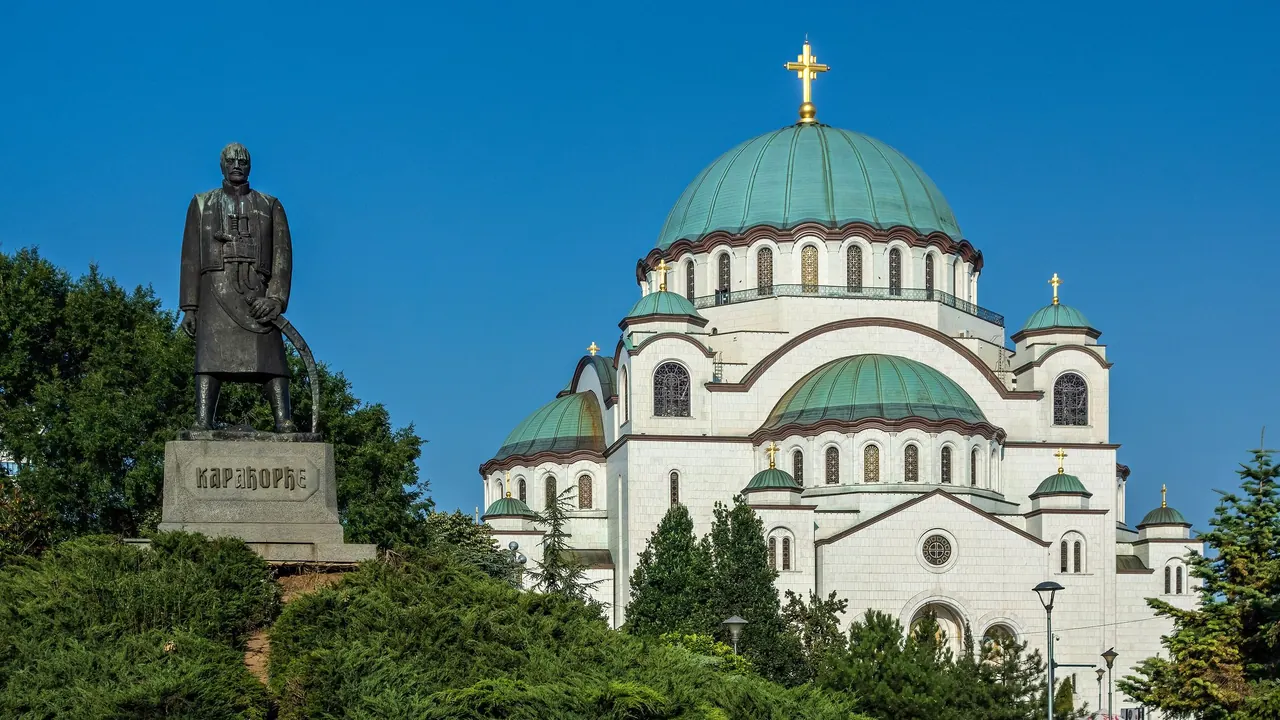
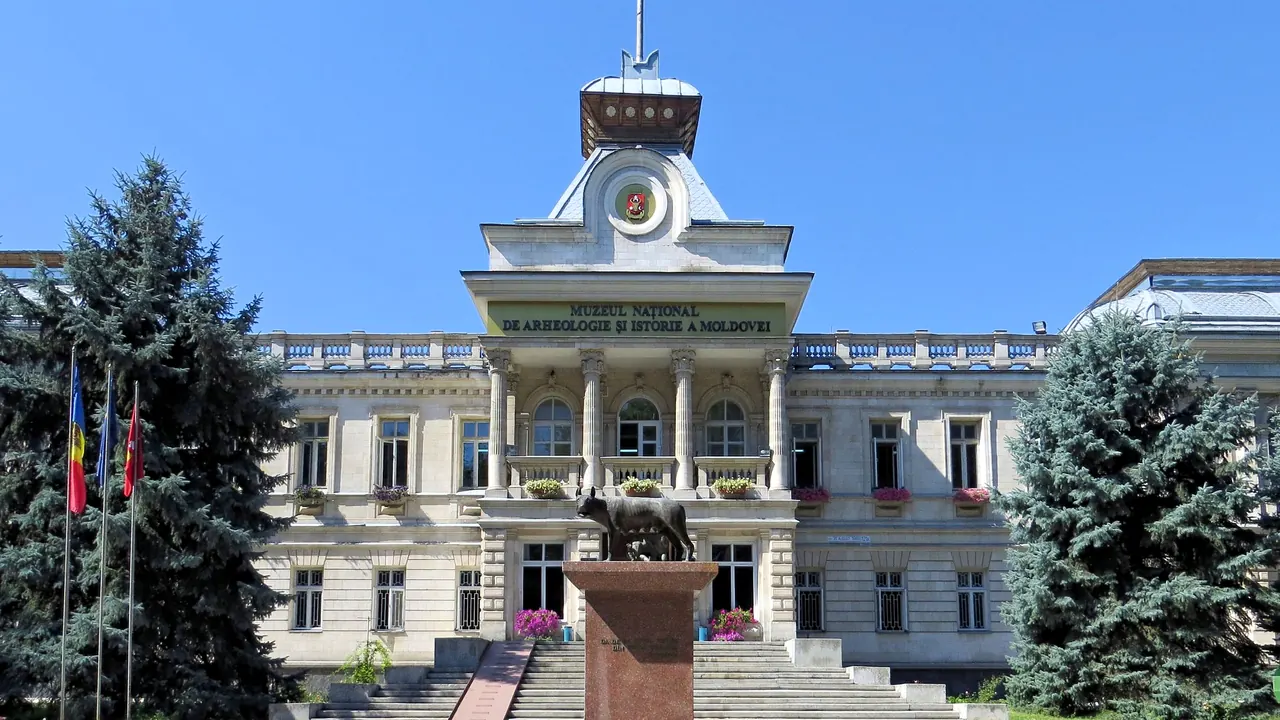
Photos: Belgrade by Petar Milošević, CC BY-SA 4.0, cropped; Chișinău by Alexandru Panoiu, CC BY 2.0, cropped.
Belgrade or Chișinău?
Our verdict in twelve categories, each scored against the same fixed benchmark cities, and the climate month by month, so you can choose for your trip.
Choose Belgrade for
- nightlife
- beaches
- culture and sights
Belgrade is the choice for travellers who want a capital with real energy. The river clubs and late Dorćol bars make it one of the region's great places for a night out, Kalemegdan and the Museum of Yugoslavia give a weekend some historical depth, and in summer Ada Ciganlija adds a proper swim. It suits groups, night owls and anyone who wants plenty happening across two or three days.
Choose Chișinău for
- prices
Chișinău rewards a slower, cheaper trip built around wine. The city is quieter and smaller, with less to see, but the vast cellars at Cricova and Mileștii Mici and the cliff monastery at Orheiul Vechi make it a good base for days out, and everything from hotels to opera tickets costs very little. Pick it if you care more about tasting rooms and low costs than about nightlife and sights.
Scoreboard
Twelve categories on one fixed scale from 0 to 100. The shaded stretch is the gap between the two.
Your match
Pick a travel style or drag the sliders, and both match scores follow your weighting.
Wins on nightlife and beaches with your weighting.
Wins on prices with your weighting.
What matters to you?
Category by category
What the scores mean for a trip.
Beaches & swimming
Neither is a beach destination, but Belgrade has a real summer swim. Ada Ciganlija's 7km of gravel shore on a lifeguarded lake works like a large city lido, and the sandy Lido on Great War Island, reached by boat, is the wilder option.
Chișinău can offer much less. The nearest bathing is on the Dniester at Vadul lui Vodă, about half an hour away, with warm river water and crowded weekends, and most visitors in hot weather end up at a pool.
Food & drink
Belgrade has the slight edge for eating. Its grill culture of ćevapi, pljeskavica and kajmak, the kafanas of Skadarlija and Zemun, and morning burek give it a stronger food identity, and Zeleni Venac and Kalenić markets are worth a visit.
Chișinău's cooking is homelier, with plăcinte, mămăligă with brânză and lovage-scented zeamă alongside Russian and Ukrainian staples, and its Central Market is a fine sight. Wine is where it pulls ahead, since local reds run through every list. In both cities vegetarians and anyone after refined cooking will find little choice.
Culture & sights
Belgrade has more to see and more history in it. Kalemegdan stacks Roman, Ottoman and Austrian walls above the meeting of two rivers, the Temple of Saint Sava is huge inside and out, and the Museum of Yugoslavia with Tito's mausoleum tells a story you will not get anywhere else.
Chișinău is slighter: a low limestone grid around Cathedral Park, an Ethnography museum in a striking Moorish-revival building, and Soviet modernism such as the Gates of the City, which architecture fans will enjoy. Both take two or three days, but Belgrade fills them more easily.
Nightlife
This is where the two differ most. Belgrade is a major night-out city, with floating splav clubs along the rivers in summer, basement and industrial-space clubs in winter, packed bar streets in Dorćol and nights that run until dawn. Table service and sharp dress are part of the bigger clubs.
Chișinău's scene is a few streets of wine bars, craft beer pubs and terraces, plus a handful of weekend clubs. It is friendly and cheap, but midweek is quiet, and it is more a pleasant evening out than a reason to travel.
Nature & outdoors
Belgrade has more green and water within easy reach. The Sava and Danube promenades are good for long walks and rides, Great War Island is a protected wetland with herons in view of the fortress, and Fruška Gora's vineyard hills are an hour north for easy hikes.
Chișinău has Valea Morilor and the Botanical Garden in town, and the Codri woods and the limestone gorge at Orheiul Vechi beyond it. The gorge is the finest single landscape of the two, but there is less of it, and the countryside is mostly gentle farmland.
Day trips
Both make good bases, but the trips are different in kind. From Belgrade you go to towns and fortresses: Novi Sad and Petrovaradin are under an hour by fast train, and baroque Sremski Karlovci, Smederevo's walls and Roman Viminacium are nearby too.
From Chișinău nearly every outing is about wine or monasteries, such as the underground tunnels of Cricova and Mileștii Mici or the cave monastery at Orheiul Vechi. A driver or a tour is needed for almost all of these, whereas Belgrade has at least one great day out by rail.
Good for families
Belgrade does a little better with children, mostly thanks to Kalemegdan, where ramparts, tanks outside the military museum and a small zoo fill an afternoon, and to the shallow lake water and bike hire at Ada Ciganlija in summer.
Chișinău is calmer, with its zoo, lakeside playgrounds at Valea Morilor and circus shows, but there is less to fill several days. Neither has theme parks or big science museums, and uneven pavements make pushchairs hard work in both.
Getting around
Getting around is about as easy in either city, and in both you will mostly walk. Belgrade's sights sit within a short walk of each other, though the climbs up from the rivers are steep. The city also spreads across the Sava, so Zemun and New Belgrade mean a bus ride or a long riverside walk. Its trams, trolleybuses and buses reach most places but are crowded and slowed by heavy traffic, and with taxis it pays to make sure the meter is running.
Chișinău is more compact, a single grid where most of a visit is on foot, though the pavements are rough. Trolleybuses along the main boulevards are simple to use, the minibuses much less so, and cheap, reliable ride-hailing covers the rest.
Shopping & style
Neither city is made for a shopping trip, but Belgrade gives you more to browse. Knez Mihailova and the big malls cover the usual brands, while young designers' boutiques in Dorćol and Vračar and the produce markets add some local character.
In Chișinău, wine is the reason to pack a bigger suitcase: cellar shops sell bottles from every region, along with sparkling wine and divin brandy. Add embroidered blouses and pottery from the craft stalls and the Central Market, and you have covered it.
Affordability
Both are cheap by European standards, but Chișinău is cheaper still. The biggest gap is accommodation: central Belgrade hotels are priced more like those in Central Europe, while Chișinău's cost little. Wine, cellar tours and opera tickets in Chișinău are particular bargains.
Belgrade's kafana meals, terrace coffees and taxis remain easy on the budget, so the difference shows most on a longer stay or for travellers who are counting every night's cost.
Live music & performing arts
Belgrade has the wider range. The National Theatre stages opera and ballet, the Philharmonic plays at Kolarac, the BITEF and BEMUS festivals give the autumn real weight, and on any evening tamburica bands play in the Skadarlija kafanas while a few long-standing jazz and rock clubs carry on.
Chișinău's strength is classical. The National Opera and Ballet keeps a full repertoire, and the Organ Hall is a lovely setting for chamber music, all at very low prices. Beyond that, live music is thin and summer is quiet.
Wellness & relaxation
Belgrade gives you a bit more room to slow down, but its calm comes in pockets rather than all over the city. Half a day on the lake shore at Ada Ciganlija or a walk beside the Danube is a real break from town, and locals think nothing of spending an hour or more over one coffee on a terrace. Back in the centre, though, the noise, the traffic, the late nights and the smoke in bars and cafés soon take over.
Chișinău is gentler to stroll through, with long shaded boulevards and plenty of parks, but it has fewer ways to properly unwind. You get hotel spas, a few day spas and a slow glass in a wine bar, and the sanatorium resorts are out in the countryside. Neither city has a bathing tradition of its own, and Serbia's spa towns are several hours south of Belgrade.
When should you go?
Pick your month. The climate figures are measured averages, not a forecast.
Belgrade in July
Chișinău in July
Daytime high, °C
Rainfall in the month, mm
Temperature and rainfall are climate normals, averaged over the years shown. Belgrade: 1991-2020 normals, Beograd (2.1 km from centre). Chișinău: 1991-2020 normals, Kisinev (11.2 km from centre).
The two follow a similar continental pattern, but Chișinău's winters are harsher. January reaches only about 1°C by day there against 5°C in Belgrade, so from December to February walking in Chișinău is a cold business, while Belgrade is grey and chilly but bearable. Both are pleasant for exploring in late April, May, September and early October, when days are mild and the sun is out for a good share of the time.
High summer is hot in both, with August near 30°C, which is right for Ada Ciganlija or the Dniester banks from June to early September but heavy for long afternoons in the streets. Belgrade is the wetter of the two, with June its rainiest month at 95mm, while Chișinău stays drier and gets a little more sunshine through the summer.
Which traveller are you?
For a food and nightlife trip, Belgrade is the clear pick. Splavs on the Sava and Danube go on until dawn, Dorćol's streets fill with bars, and a long kafana dinner with grilled meat, rakija and a band is a night out of its own.
On a trip on a tight budget, Chișinău stretches the money further. Central hotels cost far less than Belgrade's, everyday meals and taxis barely register, and wine, cellar tours and opera tickets are all bargains, so a modest budget covers a comfortable stay.
Wine lovers have a reason to choose Chișinău that Belgrade cannot match. The underground cellar towns of Cricova and Mileștii Mici, estates such as Purcari and Castel Mimi, and city wine lists built on Fetească Neagră make a whole trip around tasting.
Before you go
| Measure | Belgrade | Chișinău |
|---|---|---|
| Official language | Serbian | Romanian |
| Currency | Serbian Dinar (RSD) | Moldovan Leu (MDL) |
| Sockets | CF230 V, 50 Hz | CF220 V, 50 Hz |
| Driving side | Right | Right |
| Time zone | UTC+1, UTC+2 in summer | UTC+2, UTC+3 in summer |
| Emergency number | Police 92/192, ambulance 94/194, fire 93/193 | 112 |
| Elevation | 117 m | 85 m |
| Main airport | Belgrade Nikola Tesla Airport (BEG)12 km from centre124 non-stop destinations | Chişinău International Airport (RMO)13 km from centre76 non-stop destinations |
| Public holidays this year | 11 days | 16 days |
By the numbers
| Measure | Belgrade | Chișinău |
|---|---|---|
| Population | 1,197,714 | 567,038 |
| People per km² | 3,327 | 4,610 |
| Museums within 10 km | 65 | 13 |
| UNESCO World Heritage sites within 50 km | 0 | 0 |
Where else could you go?
Every comparison below shares a destination with this one, so you can follow Belgrade or Chișinău somewhere new.
- Sarajevovs Belgrade
- Pristinavs Belgrade
- Mostarvs Belgrade
- Brasovvs Chișinău
- Kotorvs Belgrade
- Dubrovnikvs Belgrade