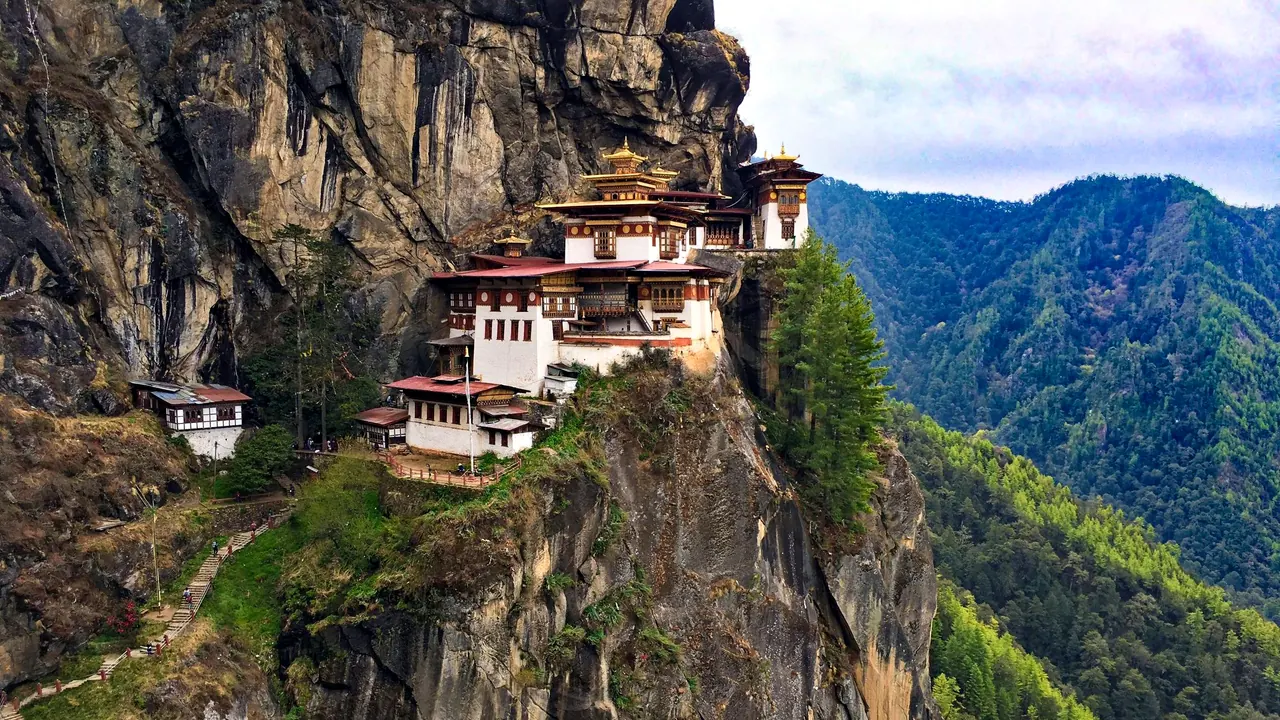
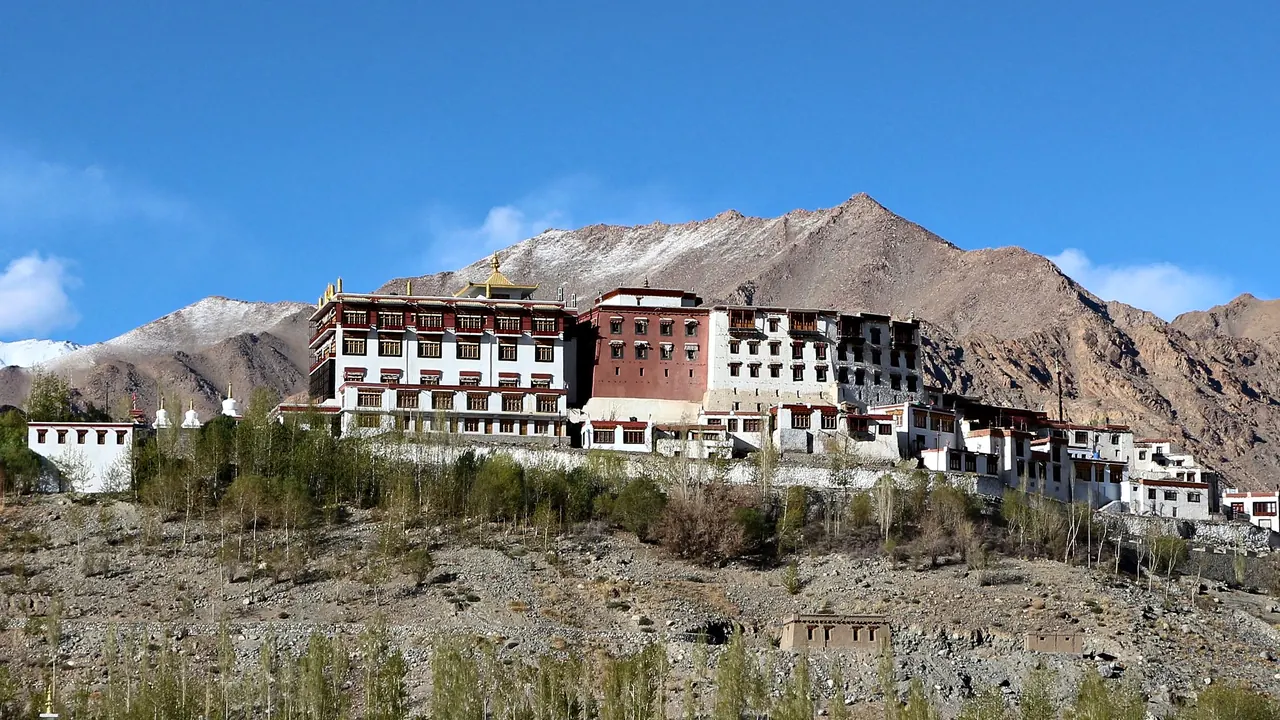
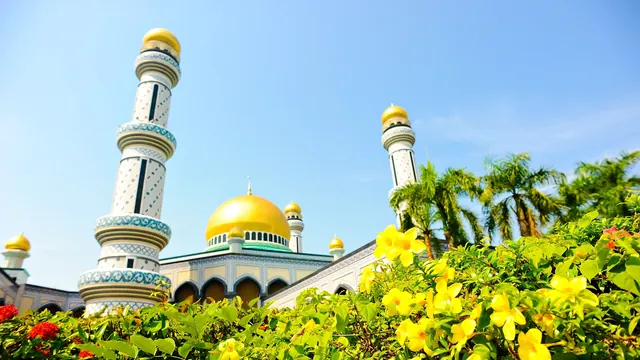
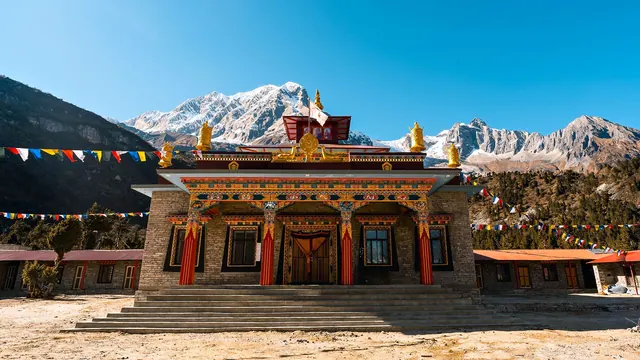
Photos: Bhutan by Peng Lim, Pexels License; Ladakh by Bernard Gagnon, CC BY-SA 4.0, cropped.
Bhutan or Ladakh?
Our verdict in twelve categories, each scored against the same fixed benchmark cities, and the climate month by month, so you can choose for your trip.
Choose Bhutan for
- wellness
- live music and the arts
- families
Bhutan suits the traveller who wants Himalayan Buddhism with a degree of comfort and a softer edge. The dzongs at Punakha, Paro and Thimphu are grander than anything in Ladakh, the masked tshechu festivals are bigger occasions, and the valleys sit low enough for families and less hardy walkers to manage. Add hot-stone baths, lodge spas and a guide and driver who handle the logistics, and it is the gentler, more polished of the two, provided the fixed daily cost is acceptable.
Choose Ladakh for
- prices
- food and drink
- nature and the outdoors
Ladakh is the choice for those who want the mountains raw and the budget lighter. Its high desert of bare coloured ridges, turquoise lakes above 4,000m and passes over 5,000m is starker and more dramatic than Bhutan's forested valleys, and the trekking through Markha and Zanskar is superb. Day to day it costs far less, with homestays and simple Leh restaurants, but it asks more of the body: altitude, rough roads and long drives are part of every trip.
Scoreboard
Twelve categories on one fixed scale from 0 to 100. The shaded stretch is the gap between the two.
Your match
Pick a travel style or drag the sliders, and both match scores follow your weighting.
Too close to call, 1 point apart
Wins on wellness and live music and the arts with your weighting.
Wins on prices and food and drink with your weighting.
What matters to you?
Category by category
What the scores mean for a trip.
Beaches & swimming
Neither has anywhere to swim. Bhutan's rivers are glacial and its high lakes sacred, while Ladakh's Pangong Tso and Tso Moriri are icy even in summer and bathing in them is discouraged. Plan any beach time as a separate trip.
Food & drink
Ladakh eats a little better, mostly because Leh's rooftop restaurants and bakeries offer a wider choice than anywhere in Bhutan, and village homestays serve skyu, barley dishes and the region's prized apricots. Away from Leh, though, the menus shrink to dal and noodles, and many kitchens close out of season.
Bhutan's food is fierier but narrower: ema datshi with red rice is the national dish, and guided tours tend to serve mild hotel buffets unless you ask. Thimphu's weekend market and Bumthang's buckwheat noodles and apple brandy are the best of it.
Where in Bhutan: Thimphu, Paro, Bumthang
Culture & sights
Both show Tibetan Buddhism as a living faith, but Bhutan has the greater buildings. Its dzongs, with Punakha at the meeting of two rivers and Trongsa along its ridge, still house monks and local government, and the Tiger's Nest above Paro is a sight in its own right. Bumthang's old temples add a quieter, spiritual heartland.
Ladakh answers with the monastery chain along the Indus, from Thiksey to Hemis, Leh Palace above the old town, and Alchi, whose early murals are among the finest in the Himalaya. Its sights are more scattered, though, and its built heritage is less monumental.
Where in Bhutan: Paro, Punakha, Bumthang, Thimphu
Nightlife
Neither is a place for nights out. Bhutan has slightly more going on, with Thimphu's karaoke rooms and drayangs where live traditional singers perform at weekends. Ladakh offers a beer on a Leh rooftop and then an early night before a dawn drive.
Where in Bhutan: Thimphu
Nature & outdoors
Both are superb, but Ladakh's landscape is the more extraordinary. Its high cold desert, with ochre ridges, the colour-shifting Pangong Tso, Nubra's dunes and camels, and first-class treks through Markha and Zanskar, is like nowhere else, and winter adds snow leopard tracking in Hemis National Park.
Bhutan is greener and gentler: forest from subtropical valleys to snow peaks, easy day hikes from Paro and Haa, the Jomolhari trek, and black-necked cranes wintering in Phobjikha. It also lacks Ladakh's acclimatisation days, since its valleys sit far lower.
Where in Bhutan: Paro and Haa valleys, Jomolhari, Phobjikha valley, Punakha
Day trips
Bhutan's trips move along one road from valley to valley, so its day trips are mostly short detours on the way: Thimphu from Paro, the Chele La drive to the quiet Haa valley, and Dochula or Chimi Lhakhang from Punakha. Further east, the winding distances turn any outing into a day of travel.
Ladakh works the other way. You stay in Leh and take a short list of easy village loops along the Indus, through the Sham valley's apricot orchards at Likir and Basgo, to Stok's palace village or past the chorten walls towards Thiksey. Nubra and the high lakes need an overnight stay, so the outings run out within a few days.
Where in Bhutan: Paro, Thimphu, Punakha
Good for families
Bhutan is the easier of the two, though neither is built for children. The Paro valley's river walks and village archery matches, the takins in Thimphu and gentle rafting at lower, warmer Punakha suit older children who like walking.
Ladakh is genuinely hard with children: Leh sits at about 3,500m, the lakes and passes go far higher, and healthcare outside town is basic. Only fit teenagers keen on trekking and camping really belong there.
Where in Bhutan: Paro, Thimphu, Punakha
Getting around
Bhutan is simpler to travel, largely because most visitors have a guide and driver, and the western valleys of Paro, Thimphu and Punakha lie close together. Going east still means long days crossing passes.
In Ladakh, you arrange it all yourself: a car from the local taxi union or a motorbike, protected-area permits from Leh for Nubra and the lakes, and rough roads at extreme altitude. The overland routes from Manali and Srinagar take two days and close outside the warmer months.
Where in Bhutan: Paro, Thimphu, Punakha
Shopping & style
Both offer crafts rather than fashion, but the goods differ. Bhutan's prize is its own handwoven textiles, from the silks of the east to Bumthang's yathra wool, with Thimphu's craft bazaar and thangka workshops the best place to look. Leh's bazaar sells pashmina, turquoise jewellery and singing bowls, but much of it repeats from stall to stall and some comes from elsewhere, so look closely.
Where in Bhutan: Thimphu, Bumthang, Paro
Affordability
This is the widest gap between them. Bhutan is expensive by design: the daily development fee and the licensed guide and driver set a high floor that no amount of thrift can get under.
Ladakh is inexpensive on the ground, with modest guesthouses, homestays and local meals. The costs that do add up are the summer flight to Leh and a week of hired cars at fixed union rates, and even then it comes out far cheaper.
Live music & performing arts
Both centre on masked cham dances, but Bhutan's tshechu are larger public events, filling dzong courtyards in Paro and Thimphu each spring and autumn with crowds in their best dress, and Thimphu's Royal Academy of Performing Arts keeps the tradition going between festivals.
Ladakh's monastery festivals, led by Hemis in early summer, are smaller, though several fall in winter, and the autumn Ladakh festival adds folk music in Leh. In either place, it pays to time the trip around a festival.
Where in Bhutan: Paro, Thimphu, Bumthang
Wellness & relaxation
Bhutan is much the more restful. The dotsho hot-stone bath is easy to try in Paro, lodges there and in Punakha run proper Himalayan herbal spas, and Bumthang's farmhouse stays are slow and quiet.
Ladakh's calm is real but harder won: monastery prayers, meditation courses and amchi medicine around Leh, and only simple hot springs at Panamik and Chumathang. The first tiring days at altitude and the long drives keep it from being a place to unwind.
Where in Bhutan: Paro, Punakha, Bumthang
When should you go?
Pick your month, and for a country the place in it. The climate figures are measured averages, not a forecast.
Thimphu (Bhutan) in July
Ladakh in July
Daytime high, °C
Rainfall in the month, mm
Where the figures come from
Thimphu (Bhutan) has no weather station within reach, so its figures come from a gridded climate model rather than a measured record, and read a broad area rather than one spot.
Ladakh has no weather station within reach, so its figures come from a gridded climate model rather than a measured record, and read a broad area rather than one spot.
Temperature and rainfall are climate normals, averaged over the years shown. Thimphu (Bhutan): 1991-2020 normals, TerraClimate 4 km grid at the town, no weather station within 90 km. Ladakh: 1991-2020 normals, TerraClimate 4 km grid at the town, no weather station within 90 km.
The two run on opposite rhythms. Bhutan's weather, judged here from Thimphu, is mild all year, from about 12°C in January to the low 20s in summer, but the monsoon brings heavy rain from June to September, peaking at about 248mm in July, with cloud hiding the peaks and landslides on the roads. Spring, from March to May, brings rhododendrons, and October and November are dry and clear, which makes them the best months for views and walking. Even midwinter is mild enough for sightseeing in the western valleys.
Ladakh is almost rainless all year, but cold limits the season. Daytime highs fall to about -2°C in January, and the road routes in only open from early summer to mid-autumn, so June to September is the time to go, peaking near 26°C in July. That is exactly when Bhutan is at its wettest, so a summer trip points to Ladakh, while autumn and spring favour Bhutan. Winter in Ladakh is only for the frozen Chadar walk and snow leopard tracking.
Which traveller are you?
On a trip on a tight budget, Bhutan's fixed daily cost rules out thrift, so Ladakh is the natural choice. Once you reach Leh, plain rooms and local food make the money last, especially if you travel slowly and keep the long drives to a few.
For a relaxing and wellness trip, Bhutan wins comfortably. It has its own bathing and spa tradition, and the western valleys let you rest from the first day. In Ladakh, the quiet has to be earned through tiring days of acclimatisation.
On a family trip with children, Bhutan is the only realistic choice of the two, and even there it works best for older children who enjoy walking and temples. Ladakh's altitude and remoteness make it a trip to save until they are grown.
More comparisons
Each shares a side with Bhutan or Ladakh.
Where else could you go?
Set Bhutan against any other country.