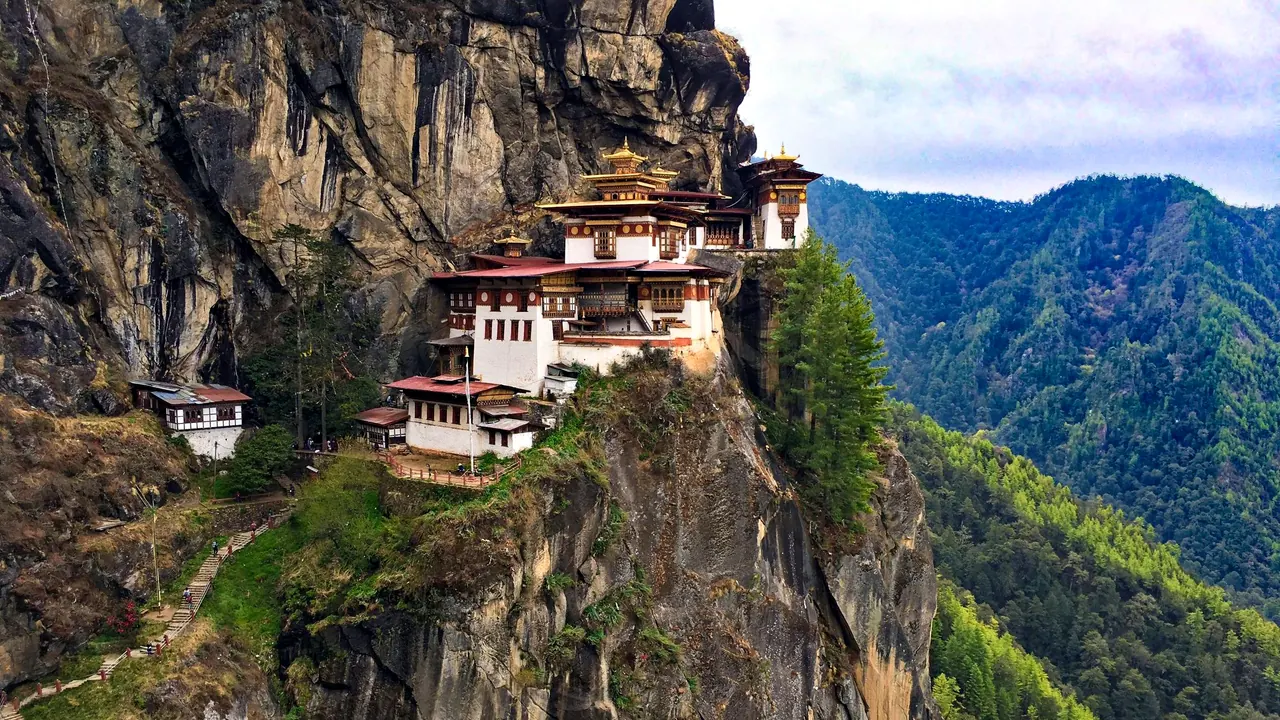
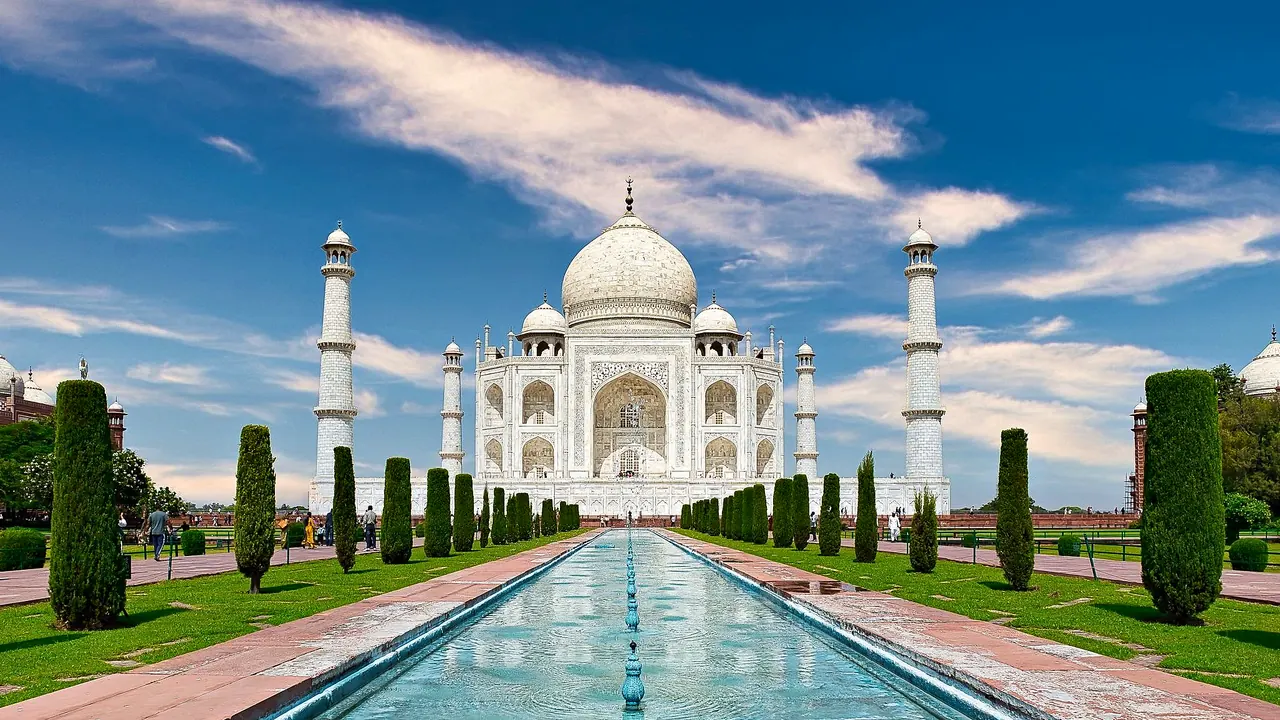
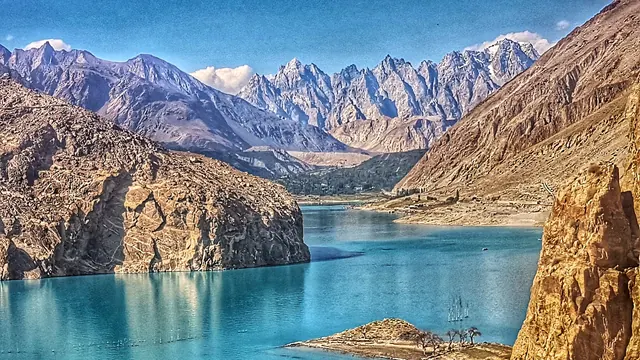
Photos: Bhutan by Peng Lim, Pexels License; India by Kowshi L, Pexels License.
Bhutan or India?
Our verdict in twelve categories, each scored against the same fixed benchmark cities, and the climate month by month, so you can choose for your trip.
Choose Bhutan for
Bhutan does not lead in any category we score.
Bhutan suits a traveller who wants one compact, unhurried Himalayan journey: dzongs still used by monks and officials, the climb to Tiger's Nest, valley walks and a hot-stone bath in a farmhouse, all on a guided route with little traffic. It costs a lot and offers little in food, nightlife or shopping, so it is best for people who come for the mountains and the living Buddhist culture and need nothing else.
Choose India for
- prices
- beaches
- food and drink
For almost any other kind of trip, and certainly a cheaper one, India is the stronger choice. One visit can combine the Mughal monuments of Agra and Delhi, the forts of Rajasthan, Goa's beaches, Kerala's Ayurvedic retreats and some of the most varied cooking anywhere, for a small part of what Bhutan's daily fee alone costs. The price you pay is effort: heat, crowds and long journeys. Choose one or two regions rather than trying to cover the whole country.
Scoreboard
Twelve categories on one fixed scale from 0 to 100. The shaded stretch is the gap between the two.
Your match
Pick a travel style or drag the sliders, and both match scores follow your weighting.
Has no clear advantage with the weighting you have chosen.
Wins on prices and beaches with your weighting.
What matters to you?
Category by category
What the scores mean for a trip.
Beaches & swimming
Bhutan has nothing to offer here. It is landlocked, its rivers run cold from the glaciers and its high lakes are sacred, so nobody swims in them.
India has a real beach season on the west coast from November to March: spacious sand in south Goa, livelier shacks in the north, coves at Gokarna and the red cliffs of Varkala. The mainland water is warm rather than clear. For white sand and turquoise sea you need to fly out to Havelock in the Andamans. A Bhutan trip that also needs a beach can finish in Goa.
Where in India: Goa, Andaman Islands, Varkala, Gokarna
Food & drink
Bhutanese cooking is narrow and fiery. The national dish is ema datshi, chillies stewed in cheese, eaten with red rice, momos and butter tea. Bumthang adds buckwheat noodles and honey. On guided tours most meals are mild hotel buffets unless you ask your guide for local food.
India is a food destination in its own right, with a different cuisine almost every few hundred kilometres. You can eat kebabs and parathas in Old Delhi's lanes, Awadhi biryani in Lucknow, vada pav on Mumbai's streets, Bengali sweets in Kolkata, and dosas or coconut seafood in the south. Vegetarians eat especially well.
Where in Bhutan: Thimphu, Paro, Bumthang
Culture & sights
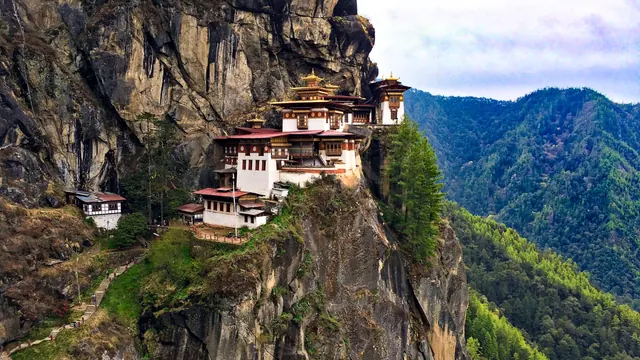
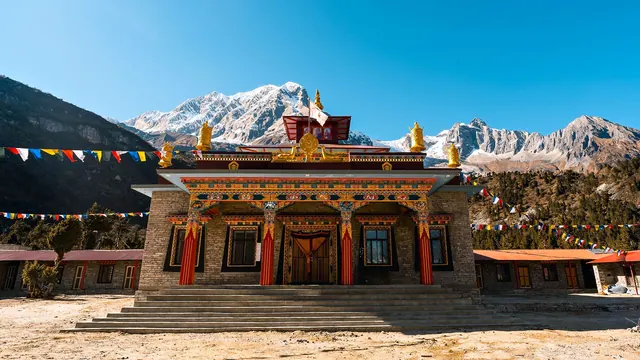
Bhutan's heritage is still in daily use. Punakha Dzong at the meeting of two rivers and Rinpung Dzong above Paro still house monks and local government, and Tiger's Nest clings to its cliff over the Paro valley. Bumthang's old temples, and the chortens and painted farmhouses found everywhere, make the whole country feel like one continuous tradition.
India has far more to see, and on a grander scale. It has the Taj Mahal and Delhi's Mughal tombs, the forts of Jodhpur and Jaisalmer, the ghats of Varanasi, the temple towers of Madurai and the ruins of Hampi. In both countries the monuments matter more than the museums, but India gives a culture trip several regions to choose from rather than one.
Where in Bhutan: Paro, Punakha, Bumthang, Thimphu
Nightlife
Bhutan's evenings end with dinner. Thimphu has only a modest weekend scene of karaoke rooms and drayangs, bars where traditional singers perform live, and the early starts for temple visits make nights out feel beside the point.
India has real nightlife, though only in certain places. Mumbai has the deepest bar scene, Bengaluru is a city of craft-beer pubs, Delhi has Hauz Khas, and north Goa has beach parties through the winter. Away from these, strict closing hours and alcohol limits in some states keep India's heritage towns quiet too.
Where in Bhutan: Thimphu
Nature & outdoors
These are two of the great Himalayan destinations, and they differ in scale rather than quality. Most of Bhutan is forest, and it is all close at hand: day hikes from the Paro and Haa valleys, the view from Dochula pass, the Jomolhari trek, black-necked cranes wintering in Phobjikha and rafting around Punakha.
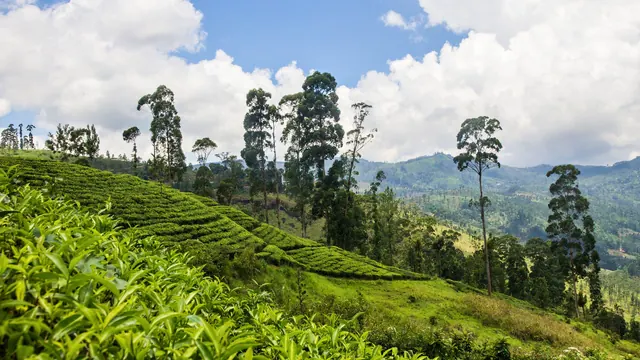
India spreads the same appeal across a subcontinent. It has the high desert of Ladakh, Spiti and Manali in Himachal, and views of Kanchenjunga from Sikkim. It also adds what Bhutan lacks: tigers in Ranthambore, rhinos in Kaziranga, tea hills around Munnar and camel rides in the Thar dunes.
Where in Bhutan: Paro and Haa valleys, Jomolhari, Phobjikha valley, Punakha
Where in India: Ladakh, Himachal Pradesh, Ranthambore National Park, Kerala
Day trips
In Bhutan you travel along one road from valley to valley, so a fixed base with outings rarely works. The good ones are in the west: Thimphu from Paro, the drive over Chele La to the Haa valley, and Dochula or Chimi Lhakhang from Punakha.
India is built for excursions from a base. From Agra you can reach Fatehpur Sikri, and from Jaipur Amber Fort and Pushkar. Chennai is close to the shore temples of Mahabalipuram, Aurangabad to the Ellora caves, and a ferry from Mumbai crosses to Elephanta Island. Slow roads mean a car and driver is usually the way to do them.
Where in Bhutan: Paro, Thimphu, Punakha
Good for families
Neither country is easy with children, and Bhutan is the harder of the two. Days are long drives on twisting roads, steep walks and temple visits, often at altitude. It works best for older children who like walking, based in Paro, with the takin preserve in Thimphu and the long suspension bridge at Punakha as treats.
India brings heat, crowds and the need to watch food and water. Still, it offers more ways to keep a family trip slow: the beaches of south Goa, a Kerala houseboat, a jeep safari in Ranthambore or a Rajasthan route with pool hotels. Plan it for the winter months.
Where in Bhutan: Paro, Thimphu, Punakha
Getting around
Bhutan has no railways and one international airport, at Paro. Most visitors travel with a guide and driver, which takes care of the planning but not the distances: going east means several long days crossing pass after pass, and summer landslides can block the roads. Paro, Thimphu and Punakha are the easy part.
India is more work to plan but has more ways to travel. Domestic flights link the regions, the railways reach almost everywhere, the train from Delhi to Agra is fast, and Delhi, Mumbai and Bengaluru have good metros. Journeys are still long and popular trains book out, so most visitors hire a car and driver within a region.
Where in Bhutan: Paro, Thimphu, Punakha
Shopping & style
In Bhutan, handwoven textiles are what to buy: kira and gho cloth, patterned silks from the east and yathra wool from Bumthang. Thimphu's craft bazaar and its thangka painters have the best range.
India has the same craft focus, with far more to choose from. Jaipur sells gems, block-printed cottons and blue pottery, and Varanasi silk saris. Kashmir pashmina and Rajasthani mirrorwork are gathered in Delhi's Dilli Haat and Chandni Chowk, and Mumbai adds Indian designer fashion. Expect to bargain, and be wary of touts steering you to particular shops.
Where in Bhutan: Thimphu, Bumthang, Paro
Affordability
This is where the two differ most. Bhutan is expensive by design: on top of hotels, most foreign visitors pay a daily development fee and book a licensed guide and driver, so there is no cheap way to see it.
India is among the cheapest major countries a visitor can choose. Thalis, trains, rickshaws and simple guesthouses cost very little, and even a week with a hired driver is affordable. The costs that add up are ones you choose, such as palace hotels or Goa at its peak, plus the higher entrance fees foreigners pay at major monuments.
Live music & performing arts
Bhutan's great performance is the tshechu. At these festivals, masked monks dance the cham in dzong courtyards in front of crowds in their best dress, most famously in Paro and Thimphu in spring and autumn. Outside festival time there is little beyond hotel cultural evenings, so time your trip to a festival if this matters.
India has more to see, and at more times of year. Chennai's December season fills the music halls with Carnatic concerts and Bharatanatyam dance, short Kathakali performances run in Kochi all year, and Mumbai has concert halls and independent theatre. In Jaipur, Jodhpur and Udaipur, evenings bring folk music and puppetry.
Where in Bhutan: Paro, Thimphu, Bumthang
Wellness & relaxation
Bhutan is restful almost everywhere because towns are small and traffic is light. The dotsho, a wooden tub of river water heated with hot stones, is easiest to try in Paro, and the lodges there and in Punakha have serious spas. Bumthang's farmhouse stays and temple meditation are slower still.
India has the deeper tradition and is the better place to build a whole trip around rest. Kerala's Ayurvedic retreats near Kovalam and Varkala, the ashrams of Rishikesh, Mysore's yoga lineage and the winter retreats in south Goa all draw people for that reason. The calm stays inside these places, though, because India's cities are loud.
Where in Bhutan: Paro, Punakha, Bumthang
When should you go?
Pick your month, and for a country the place in it. The climate figures are measured averages, not a forecast.
Where in India
Thimphu (Bhutan) in July
Delhi (India) in July
Daytime high, °C
Rainfall in the month, mm
Where the figures come from
Thimphu (Bhutan) has no weather station within reach, so its figures come from a gridded climate model rather than a measured record, and read a broad area rather than one spot.
Temperature and rainfall are climate normals, averaged over the years shown. Thimphu (Bhutan): 1991-2020 normals, TerraClimate 4 km grid at the town, no weather station within 90 km. Delhi (India): 1991-2020 normals, New Delhi / Safdarjung (9.4 km from centre).
Bhutan is at its best in spring and autumn. From March to May, days in Thimphu are mild and the rhododendrons flower. In October the rains ease off, and November is dry with the clearest views of the peaks. The summer monsoon brings the heaviest rain, around 248mm in Thimphu in July, and can cause landslides on the roads. Winter days are cool but mostly dry, so the western valleys are still worth visiting then.
In India the best time depends on the region. November to March is the main season. Goa is dry, the sea is about 28°C, and Delhi and Jaipur are comfortable for sightseeing until the heat builds in March. By May the plains are too hot for walking, with Delhi near 40°C, and from June to September the monsoon soaks the west coast, with Goa getting over 950mm of rain in July. Those same summer months are the time for Ladakh, where Leh stays dry and reaches about 25°C. If you want to combine the two countries, November and March both work: in November Bhutan is dry and clear, and in March its spring is starting while India's dry season is still going.
Which traveller are you?
For a beach and sun trip, India is the only choice of the two. Bhutan has no coast at all. Goa's sandy southern strands, Gokarna's coves, Varkala's cliffs and the clear water of the Andaman Islands give India a winter of warm sea and sand.
On a trip on a tight budget, India wins easily. Bhutan's daily development fee and its required guide and driver rule out cheap travel. In India, thalis, trains, rickshaws and guesthouses along the ghats of Varanasi or in Hampi cost very little.
More comparisons
Each shares a side with Bhutan or India.
Where else could you go?
Set Bhutan or India against any other country.