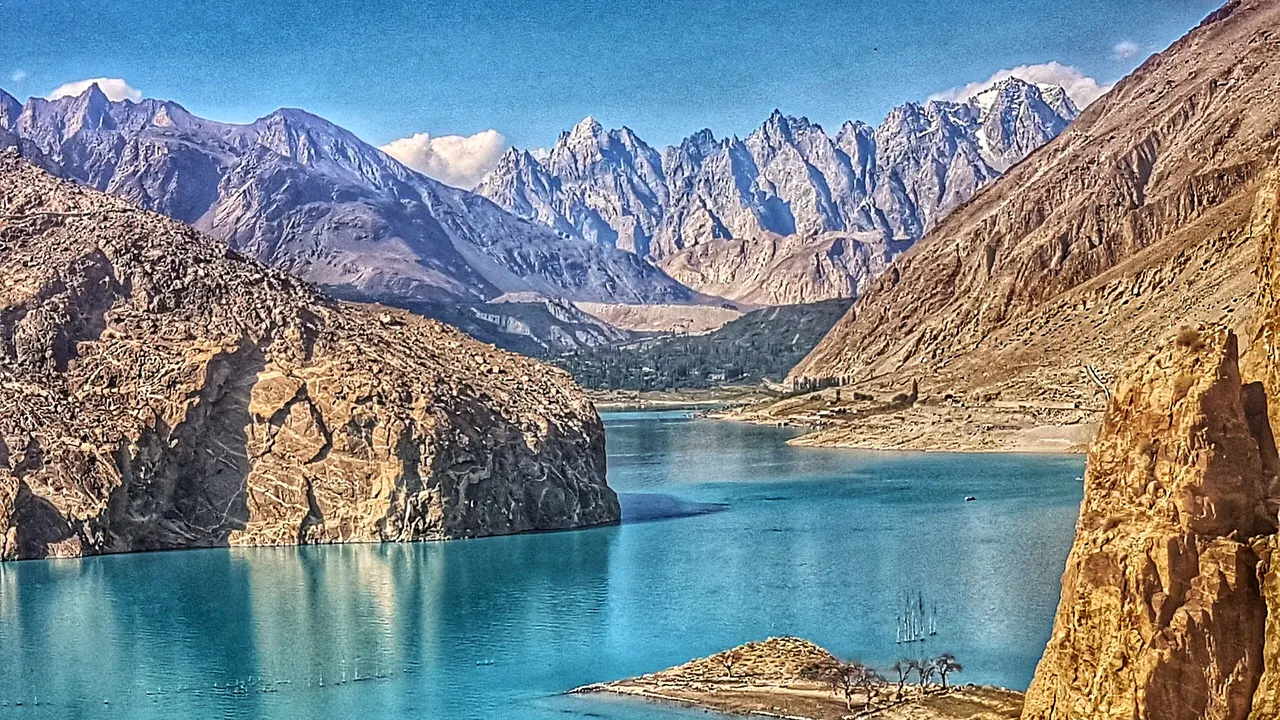
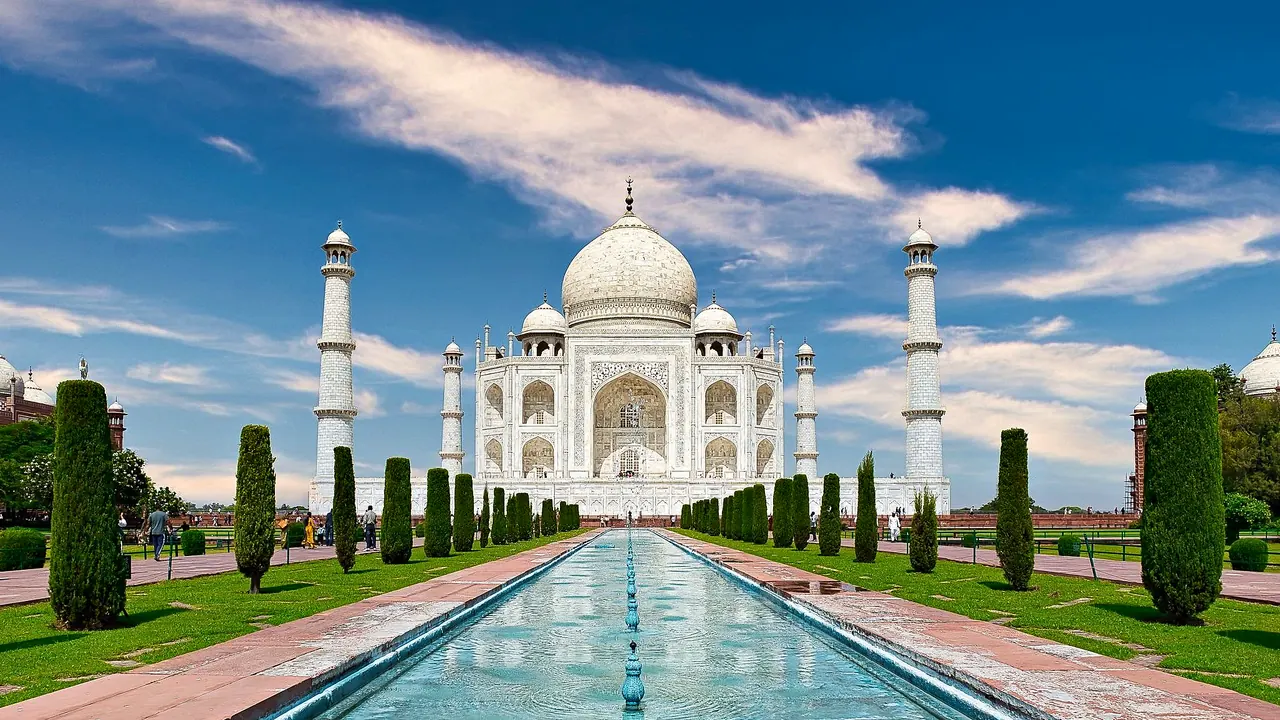
Photos: Pakistan by Ibad ali Momin, CC BY-SA 4.0, cropped; India by Kowshi L, Pexels License.
Pakistan or India?
Our verdict in twelve categories, each scored against the same fixed benchmark cities, and the climate month by month, so you can choose for your trip.
Choose Pakistan for
- nature and the outdoors
Pakistan suits a traveller who wants the mountains above everything else and is happy to work for them. The Karakoram around Hunza, Skardu and the approach to K2 is the heart of the trip. Lahore adds a concentrated dose of Mughal monuments and some of the best meat cooking in the region. It is a country for curious, patient travellers who will treat evenings as dinner and accept long road days. It is not the place for beaches, bars or pampering.
Choose India for
- wellness
- beaches
- nightlife
India is the broader choice and comes out ahead almost across the board. It has a real beach season in Goa and Kerala, Ayurveda and yoga retreats built for rest, and a fuller night out in Mumbai, Bengaluru and Goa. The food is more varied, and the forts, temples and palaces are spread across several regions that each reward a trip of their own. Anyone combining sightseeing with relaxation, or travelling with children, will find more ways to make it work here.
Scoreboard
Twelve categories on one fixed scale from 0 to 100. The shaded stretch is the gap between the two.
Your match
Pick a travel style or drag the sliders, and both match scores follow your weighting.
Wins on nature and the outdoors with your weighting.
Wins on wellness and beaches with your weighting.
What matters to you?
Category by category
What the scores mean for a trip.
Beaches & swimming
Nobody goes to Pakistan for the beach. Clifton and Sea View in Karachi are promenades for an evening walk and camel rides, Hawke's Bay and French Beach are day outings by car, and the empty sands of the Makran coast at Kund Malir are a separate expedition with few places to stay.
India has a proper beach vacation in the dry winter months. Goa offers a quiet south and a livelier north lined with shacks, Gokarna and Varkala add coves and cliffs, and the Andaman Islands bring the white sand and clear water that neither mainland coast can match.
Where in Pakistan: Makran coast, Karachi
Where in India: Goa, Andaman Islands, Varkala, Gokarna
Food & drink
Both are serious food countries, and around Lahore and Amritsar they share a Punjabi table of karahi, parathas and rich slow cooking. Pakistan is meat-led and intense: nihari for breakfast in Lahore's walled city, Burns Road kebabs in Karachi, lamb at Peshawar's Namak Mandi and sajji in Quetta.
India has the greater range, which is why it pulls ahead. Lucknow's Awadhi biryani, Kolkata's fish and sweets, Mumbai's street snacks, and dosas and coconut curries in the south make each region a different meal. Vegetarians in particular eat far better there.
Culture & sights
Pakistan holds heritage India cannot show in the same form. Mohenjo-daro is one of the great Indus cities, the Gandhara monasteries stand at Taxila, and the Sufi shrines of Multan and Uch Sharif are glazed in blue. Lahore's Fort, Badshahi Mosque and Wazir Khan Mosque are a superb cluster, though elsewhere the sites are far apart and unevenly kept.
India has more of everything and in more regions. There is the Taj Mahal and Delhi's Mughal tombs, Rajasthan's forts from Jodhpur to Jaisalmer, the ghats of Varanasi, and the temple towers of Madurai and Thanjavur. A culture trip there can last weeks without repeating itself.
Where in Pakistan: Lahore, Sindh, Taxila, Multan
Nightlife
In Pakistan a night out means a late dinner. Lahore's food streets and Karachi's Burns Road stay busy past midnight with families over kebabs and chai, but there are no bars or clubs to go to.
India has real nights out, though only in a few places. Mumbai has rooftop lounges and old drinking dens, Bengaluru has its pubs and craft beer, Delhi has Hauz Khas, and Goa holds winter beach parties in the north. In Agra or the Rajasthan towns the evening still ends early over a rooftop meal.
Nature & outdoors
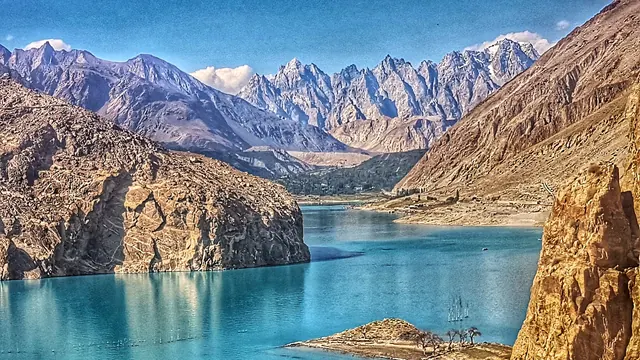
These are two of the great mountain countries and they come out level, but the experiences differ. Pakistan is about sheer altitude in the Karakoram: the Hunza valley under Rakaposhi, the glaciers at Passu, the Baltoro route to Concordia and K2, and the flowered Deosai plateau.
India's Himalaya, in Ladakh, Spiti and Sikkim, are matched by wildlife and lowland scenery Pakistan lacks. You can track tigers at Ranthambore or Kanha, see rhinos at Kaziranga, take a houseboat on Kerala's backwaters or walk the tea estates around Munnar.
Where in Pakistan: Hunza Valley, Skardu and Baltistan, Fairy Meadows and Nanga Parbat, Swat Valley
Where in India: Ladakh, Himachal Pradesh, Ranthambore National Park, Kerala
Day trips
Islamabad is Pakistan's best base, with Taxila under an hour away and Katas Raj, Murree and Rohtas within reach. From Karachi, the tombs of Makli and Chaukhandi and the ruins of Banbhore make a good day along the road east. Beyond those bases, most of the best places need an overnight stay.
India gives you more strong bases to choose from. From Agra you can reach Fatehpur Sikri, from Jaipur the Amber Fort and Pushkar, and from Aurangabad the Ellora caves. Chennai reaches Mahabalipuram and Kanchipuram, and from Mumbai a ferry crosses to Elephanta Island.
Good for families
Both countries welcome children warmly and both are hard work with them, with heat, traffic and care over food and water. Pakistan has little to build a family trip around beyond the zoos and parks of Lahore and the cool hill valleys of Swat and Hunza. Reaching those valleys means long, winding drives, so it suits older children with a taste for adventure.
India offers more family trips that work in practice. You could stay on the quieter beaches of south Goa, take a houseboat on the Kerala backwaters, go on a jeep safari in Ranthambore, or follow a Rajasthan route where forts alternate with pool hotels.
Where in Pakistan: Hunza Valley, Lahore, Swat Valley
Getting around
In both countries most visitors end up hiring a car with a driver. Pakistan's motorways between Islamabad, Lahore and Peshawar are fast, but the north depends on weather-bound flights to Skardu and Gilgit or long days on the Karakoram Highway, with landslides and checkpoints adding time.
India is easier, though still slow. Its rail network reaches almost everywhere, fast trains link Delhi and Agra, and Delhi, Mumbai and Bengaluru have good metros. Because the distances between north and south are so large, a two-region trip usually means a flight.
Shopping & style
Pakistan's shopping is about cloth and bazaars. You can browse Anarkali and the walled city in Lahore, Liberty Market for lawn and bridal fashion with tailors on hand, and Qissa Khwani in Peshawar for carpets and copperware. Multan's blue pottery and truck art make distinctive souvenirs.
India is the stronger craft country because every region adds its own speciality. Jaipur has gems and block prints, Varanasi and Kanchipuram have silk, and Kashmir has pashmina. Delhi's Chandni Chowk and Dilli Haat gather much of it in one place, though touts steering visitors to particular shops are more of a nuisance.
Affordability
Both countries are very cheap, and a guesthouse traveller spends little in either. In Pakistan, Lahore's food streets and Peshawar's kebab houses cost almost nothing and monument entry is modest. The real expenses are a driver for long road journeys and guided treks in the north.
India's cheapest corners are Varanasi's ghat-side guesthouses and Hampi's village stays, with good mid-range hotels in Rajasthan and Kerala. The costs that add up are of a different kind: palace hotels, Goa at its winter peak, and the much higher entrance fees foreigners pay at the major monuments.
Where in Pakistan: Lahore, Peshawar, Hunza Valley
Live music & performing arts
Pakistan's live music happens at the shrines. There is qawwali on Thursday evenings at Data Darbar in Lahore and at the shrines of Multan, and the drumming and whirling dhamaal at Sehwan Sharif. Formal stages such as Lahore's Alhamra run irregular programmes, mostly in Urdu.
India has a fuller stage that a visitor can plan around. Chennai's December season fills the sabhas with Carnatic concerts and Bharatanatyam dance, and Kochi stages Kathakali all year. Mumbai's concert halls and theatres, and the folk music and puppetry of Rajasthan evenings, add variety.
Wellness & relaxation
This is where the two countries are furthest apart. Pakistan has no spa or bathing culture to offer. Lahore's Shahi Hammam is a monument and Tatta Pani is a roadside hot spring, so rest comes from the slow pace of Hunza and Skardu guesthouses.
India can carry a whole trip built around rest. Kerala is the home of Ayurvedic treatment, with retreats near Kovalam and Varkala, while Rishikesh and Mysore are centres of yoga study and south Goa adds winter retreats by the sea.
Where in Pakistan: Hunza Valley, Skardu and Baltistan
When should you go?
Pick your month, and for a country the place in it. The climate figures are measured averages, not a forecast.
Where in Pakistan
Where in India
Lahore (Pakistan) in July
Delhi (India) in July
Daytime high, °C
Rainfall in the month, mm
Temperature and rainfall are climate normals, averaged over the years shown. Lahore (Pakistan): 1991-2020 (sunshine 1961-1990) normals, Lahore City (1 km from centre). Delhi (India): 1991-2020 normals, New Delhi / Safdarjung (9.4 km from centre).
The two countries share the same broad rhythm. On the northern plains, in Lahore, Islamabad, Delhi and Jaipur, November to March is the time for walking forts and old cities, with mild, sunny days. By May and June afternoons reach around 40°C, and July and August bring the monsoon, heaviest around Islamabad. Karachi stays warm through the winter with the sea in the mid-20s, but its beaches are better for strolling than swimming, and the summer swell closes them.
India's coast has the clearer beach season. Goa is dry from November to March with the sea at 28°C, then takes close to 957mm of rain in July, while Kochi stays wet for longer, from May into November. The mountains run the other way. Hunza and Leh are summer destinations from May to October. Hunza is the warmer of the two at 31°C in July, Leh is cooler and drier, and both are cold in winter.
Which traveller are you?
On a beach and sun trip, choose India without hesitation. Goa and Varkala have a dependable dry winter, warm calm water and shacks on the sand. Pakistan's finest shore, the Makran coast, is a long expedition, and bathing is a modest, fully clothed affair.
On an outdoors trip, the choice depends on what you want from it. Pakistan suits trekkers after raw altitude and glaciers who will accept long approaches and few comforts. India suits those who want mountains in summer and wildlife safaris in winter, so the timing of the trip matters less.
More comparisons
Each shares a side with Pakistan or India.
Where else could you go?
Set Pakistan or India against any other country.