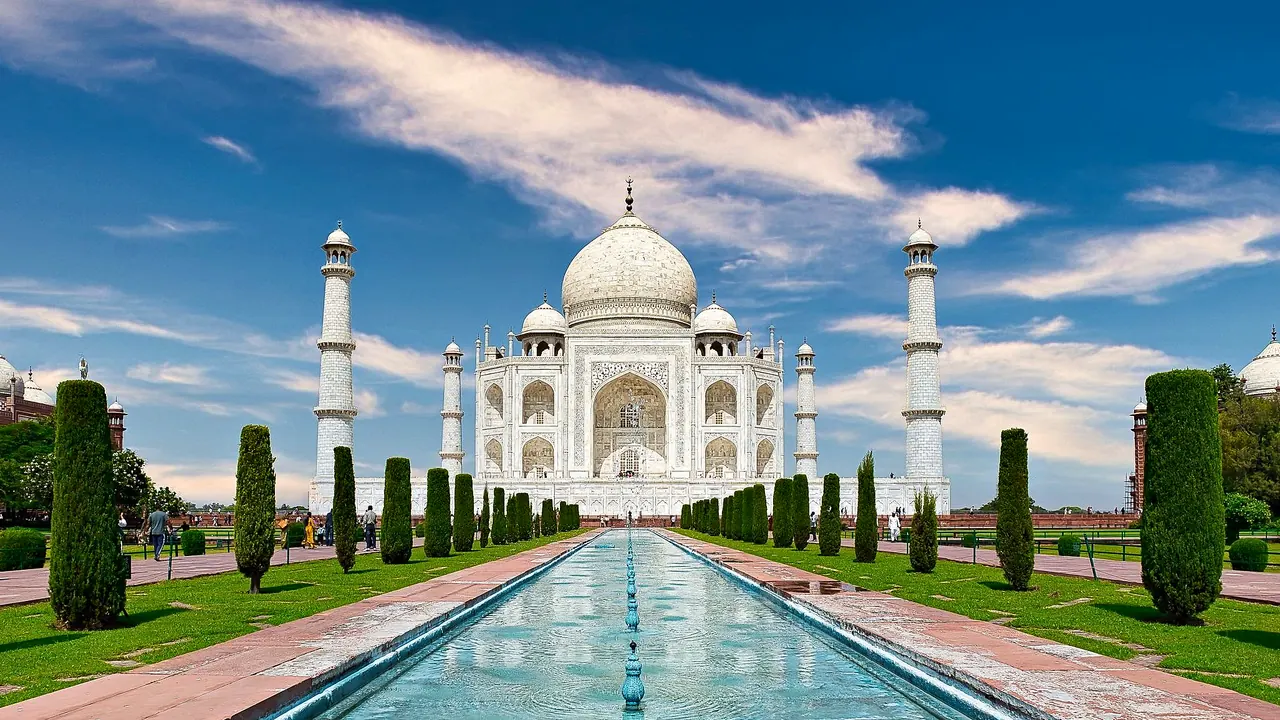
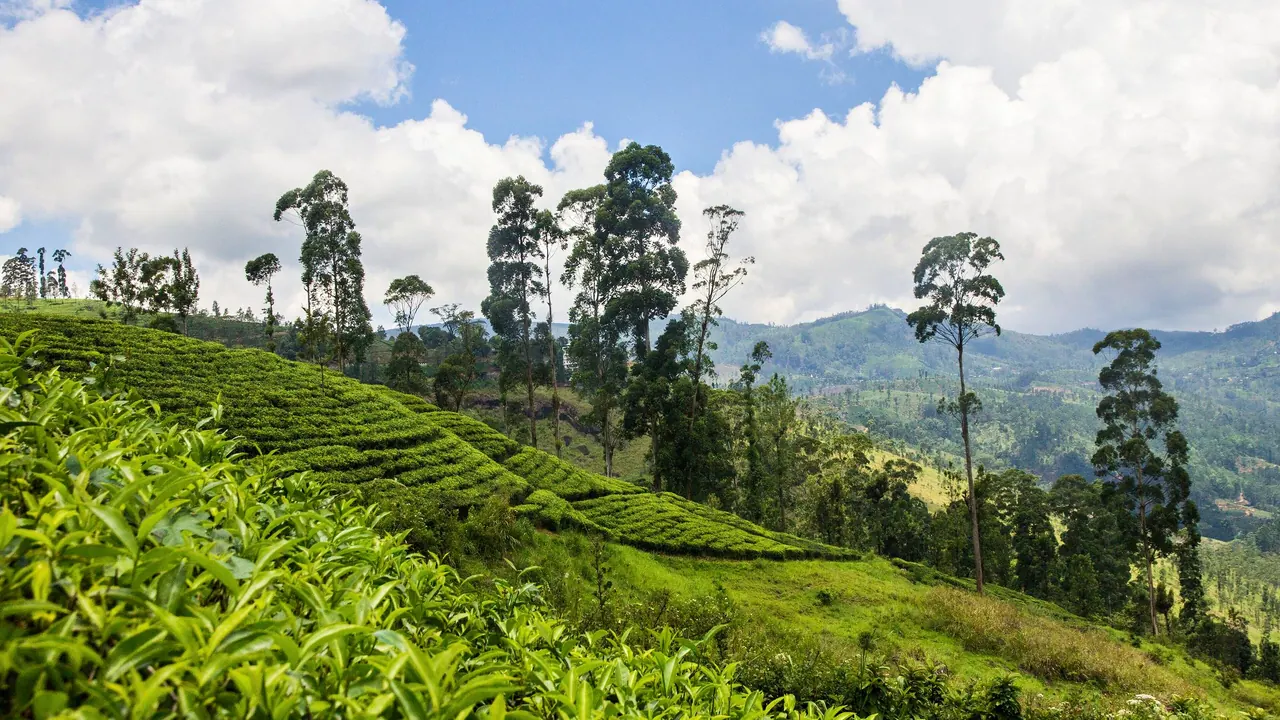
Photos: India by Kowshi L, Pexels License; Sri Lanka by Alexey Komarov, CC BY 3.0, cropped.
India or Sri Lanka?
Our verdict in twelve categories, each scored against the same fixed benchmark cities, and the climate month by month, so you can choose for your trip.
Choose India for
- shopping
- live music and the arts
- nightlife
India suits a traveller with time, curiosity and a big appetite. You can eat your way through Old Delhi and Lucknow, shop for block prints in Jaipur and silk in Varanasi, and hear a Carnatic concert in Chennai, all for very little money. It is a bigger and harder trip, with long journeys between regions, but you get depth in almost every direction.
Choose Sri Lanka for
- families
- beaches
Sri Lanka is the easier choice for families and for anyone who wants the beach to be a real part of the vacation. Ancient cities, tea hills and leopard country are only a few days' drive apart. Because its two coasts are in season at different times, there is calm sand to end on for most of the year. In return, evenings are quieter and the food is plainer away from Colombo.
Scoreboard
Twelve categories on one fixed scale from 0 to 100. The shaded stretch is the gap between the two.
Your match
Pick a travel style or drag the sliders, and both match scores follow your weighting.
Wins on shopping and live music and the arts with your weighting.
Wins on families and beaches with your weighting.
What matters to you?
Category by category
What the scores mean for a trip.
Beaches & swimming
Sri Lanka's beaches are the stronger reason to go, largely because of timing. The south coast around Mirissa, Unawatuna and Tangalle is calm from December to April, and the east coast at Nilaveli, Uppuveli, Pasikudah and Arugam Bay takes over from May to September. India's mainland shore has only the dry winter, and Goa, Gokarna and Varkala face rough monsoon seas in summer.
India's water is warm rather than clear, except on the Andaman Islands, which need a separate flight. In Sri Lanka the catch is heavy swell and rips, so swimmers stick to reef-sheltered stretches such as the cove at Unawatuna and the shallow bay at Pasikudah.
Where in India: Goa, Andaman Islands, Varkala, Gokarna
Where in Sri Lanka: South coast, Trincomalee, Pasikudah, Arugam Bay
Food & drink
Food is where India pulls clearly ahead, and you could build a whole trip around its regional cooking. There are kebabs and parathas in Old Delhi, Awadhi biryani in Lucknow, street snacks in Mumbai, sweets and fish in Kolkata, dosas in Chennai and coconut curries in Kerala. Vegetarians are spoilt for choice.
Sri Lanka's rice and curry, hoppers and kottu roti are a real pleasure, and Jaffna's Tamil crab curry is worth the trip north. Away from Colombo and Galle Fort, though, meals become repetitive, and the guesthouse table is often the best one in town.
Culture & sights
Both have heritage of real weight. The difference is in scale and focus. India's is spread across a subcontinent, from the Taj Mahal and Delhi's Mughal tombs to the forts of Rajasthan, the ghats of Varanasi and the temple towers of Madurai, so the first decision is which region to see.
Sri Lanka's heritage is concentrated in the Cultural Triangle, where you can see Anuradhapura, Polonnaruwa, Sigiriya and Dambulla in a few days. Kandy's Temple of the Tooth and the Dutch ramparts of Galle Fort complete the picture. In neither country are the museums the main draw.
Where in India: Agra, Delhi, Rajasthan, Tamil Nadu
Where in Sri Lanka: Cultural Triangle (Anuradhapura, Polonnaruwa, Sigiriya, Dambulla), Kandy, Galle Fort, Colombo
Nightlife
Neither country is a nightlife destination, but India has places where the night carries on: Mumbai's bars, Bengaluru's craft-beer pubs, Delhi's Hauz Khas and Goa's winter beach clubs. In Sri Lanka, going out means a handful of Colombo clubs at weekends and beach-bar nights in Hikkaduwa, Mirissa and Arugam Bay in season. On Poya full-moon days, alcohol is not sold at all.
Where in India: Goa, Mumbai, Bengaluru, Delhi
Where in Sri Lanka: Colombo, Mirissa, Hikkaduwa, Arugam Bay
Nature & outdoors
Both are outstanding for the outdoors, in different ways. India has the Himalaya, with treks in Ladakh, Spiti and Sikkim, rafting at Rishikesh, and tigers in Ranthambore and Kanha, though each of these is a separate journey.
Sri Lanka fits Sinharaja's rainforest, the tea hills around Ella and the Horton Plains plateau into a small island. It adds leopards in Yala, elephant gatherings at Minneriya, and blue whales off Mirissa or Trincomalee depending on the season. India is the place for mountain trekking, and Sri Lanka for variety within a few days' drive.
Where in India: Ladakh, Himachal Pradesh, Ranthambore National Park, Kerala
Where in Sri Lanka: Central Highlands, Yala National Park, Horton Plains National Park, Sinharaja Forest Reserve
Day trips
India has more good bases with outings around them. You can reach Fatehpur Sikri from Agra, Amber Fort and Pushkar from Jaipur, Mahabalipuram from Chennai and Ellora from Aurangabad, and take the ferry to Elephanta from Mumbai.
Sri Lanka works more as a chain of stops than as a hub with spokes. Still, Mihintale and Ritigala from Sigiriya, the Peradeniya gardens from Kandy, and the coast road from Galle make worthwhile days out.
Where in India: Agra, Jaipur, Chennai, Aurangabad
Where in Sri Lanka: Kandy, Sigiriya and Habarana, Galle, Nuwara Eliya
Good for families
Sri Lanka is the easier place to bring children. Elephant safaris at Udawalawe, turtle hatcheries, the blue train through the tea hills and calm water at Pasikudah all work well for young travellers, and a slow route with long stays keeps the drives manageable.
India welcomes children just as warmly but asks more of them, with heat, crowds, traffic and long journeys, and the plains are comfortable only from November to February. The trips that work there are slow ones, such as south Goa, a Kerala houseboat or a jeep safari at Ranthambore.
Where in India: Goa, Kerala, Rajasthan
Where in Sri Lanka: Udawalawe National Park, Unawatuna, Pasikudah, Minneriya National Park
Getting around
Both are slow countries to cross, and in both the usual answer is a hired car with a driver. India adds domestic flights between distant regions, a rail network that reaches almost everywhere if you book well ahead, and metros in Delhi, Mumbai and Bengaluru.
Sri Lanka is far smaller. Expressways run to the south coast, but crowded two-lane roads cover the rest. Its consolation is the railway from Kandy to Ella, a journey worth taking for its own sake.
Where in India: Delhi, Mumbai, Rajasthan
Where in Sri Lanka: Kandy to Ella railway, Southern Expressway coast, Galle Fort, Colombo
Shopping & style
India is one of the great countries for buying crafts, with a speciality in each region. Jaipur has gems, block prints and blue pottery, Varanasi has silk saris and Kashmir has pashmina. In Delhi, Chandni Chowk and Dilli Haat gather much of it in one city. Expect to bargain and to sidestep touts.
Sri Lanka's shopping is narrower: tea, sapphires from Ratnapura (bought with care), Ambalangoda masks and batik. Colombo's design stores and the boutique lanes of Galle Fort are the best places to look.
Where in India: Jaipur, Delhi, Varanasi, Mumbai
Where in Sri Lanka: Colombo, Galle Fort, Ratnapura, Ambalangoda
Affordability
India stretches a budget further than Sri Lanka almost everywhere you go. Guesthouses on the Varanasi ghats, Hampi's village cafés and mid-range hotels across Rajasthan and Kerala cost very little, and a car with a driver for a week is within reach of most budgets.
Sri Lanka is cheap day to day too, especially in Ella, Arugam Bay and Tangalle, but its headline experiences add up. Foreigners pay high entry fees at Sigiriya and Polonnaruwa, safari jeeps and whale-watching boats are extra, and boutique hotels in Galle Fort cost as much as anywhere in the region.
Live music & performing arts
India has living classical traditions you can plan a trip around. Chennai's December music season fills the sabhas with Carnatic concerts and Bharatanatyam, Kochi stages Kathakali through the year, and Mumbai, Kolkata and Delhi have regular concerts and theatre.
In Sri Lanka, what you will see on stage is mostly the Kandyan drumming and dance performed nightly in Kandy. The one great spectacle is the Esala Perahera there each summer. Colombo's theatre and concert life is small.
Wellness & relaxation
India gives the wider choice for a trip built around rest, with Ayurveda and yoga both at their source. Kerala's retreats near Kovalam and Varkala, the ashrams of Rishikesh on the Ganges and Mysore's own yoga lineage each make a different kind of stay.
Sri Lanka's strength is the residential Ayurveda retreat around Beruwala and Bentota, with yoga stays around Weligama and Tangalle and cool planters' bungalows in the tea country. The choice is smaller, but the quiet places are closer together.
Where in India: Kerala, Rishikesh, Mysore, Goa
Where in Sri Lanka: Bentota, Beruwala, Weligama, Tangalle
When should you go?
Pick your month, and for a country the place in it. The climate figures are measured averages, not a forecast.
Where in India
Where in Sri Lanka
Delhi (India) in July
Colombo (Sri Lanka) in July
Daytime high, °C
Rainfall in the month, mm
Temperature and rainfall are climate normals, averaged over the years shown. Delhi (India): 1991-2020 normals, New Delhi / Safdarjung (9.4 km from centre). Colombo (Sri Lanka): 1991-2020 normals, Colombo (3 km from centre).
India's main season is the dry winter. From November to March, Goa is sunny and almost rainless with the sea around 28°C, and Delhi and Rajasthan are pleasant for sightseeing until March, when the heat builds. By May, Delhi reaches 40°C, too hot for walking the streets. From June to September the monsoon soaks the west coast, and Goa takes 957mm of rain in July. Summer is the season for the Himalaya instead. Leh reaches 25°C in July, when the passes of Ladakh are open, while midwinter days there stay around or just below freezing.
Sri Lanka's seasons are split between its two coasts. Colombo and the south coast are driest from January to March, sunniest in March, and wet again in April and May and from September to November. Trincomalee and the east coast run the other way, mostly dry from March to August, with rain building in September and peaking in November at 366mm. A summer trip suits the east and a winter one the south. Kandy and the hills are wettest from October to December.
Which traveller are you?
On a family trip with young children, Sri Lanka is the gentler choice. India stays hard work with small children even in winter, when the plains are at least comfortable, and its regions are often a flight apart. In Sri Lanka, elephant safaris and sheltered beaches share one small island.
More comparisons
Each shares a side with India or Sri Lanka.
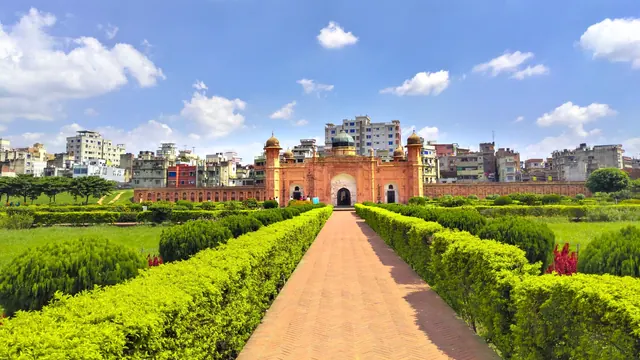
 Bangladesh vs India
 Bangladesh vs Sri Lanka
 Bhutan vs India
 India vs Maldives
 India vs Nepal
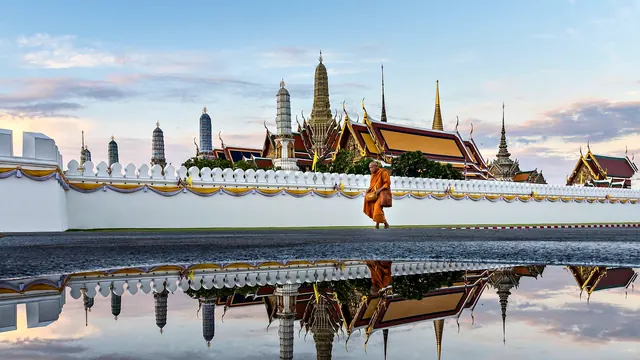 India vs Thailand
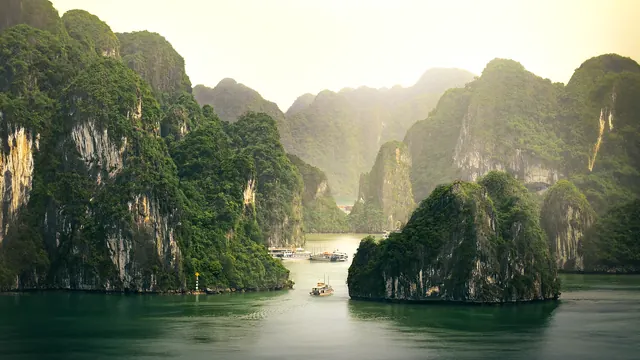 India vs Vietnam
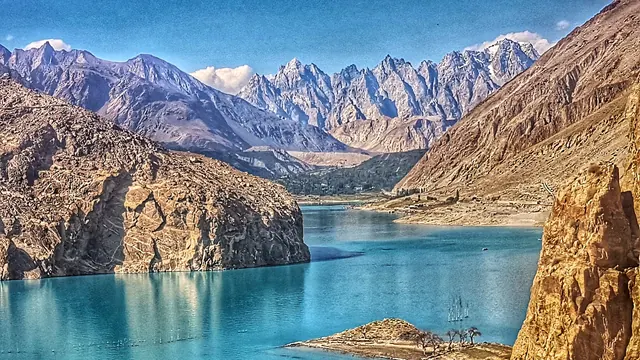 Pakistan vs India
- Pakistan vs Sri Lanka
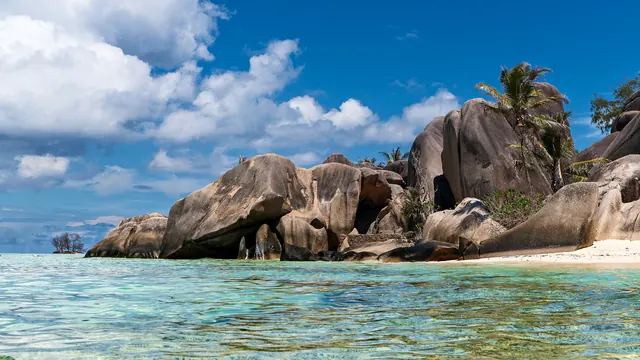 Seychelles vs Sri Lanka
 Sri Lanka vs Bali
 Sri Lanka vs Malaysia
- Sri Lanka vs Maldives
 Sri Lanka vs Philippines
- Sri Lanka vs Thailand
- Sri Lanka vs Vietnam
Where else could you go?
Set India or Sri Lanka against any other country.