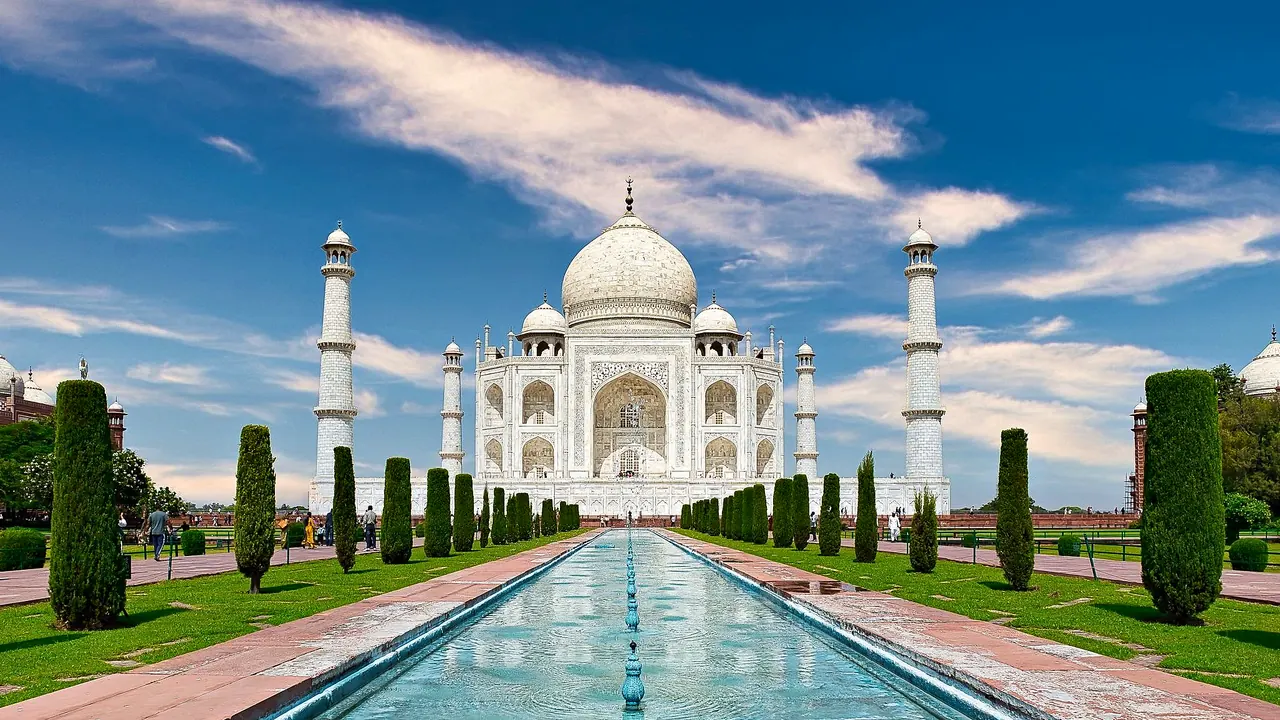
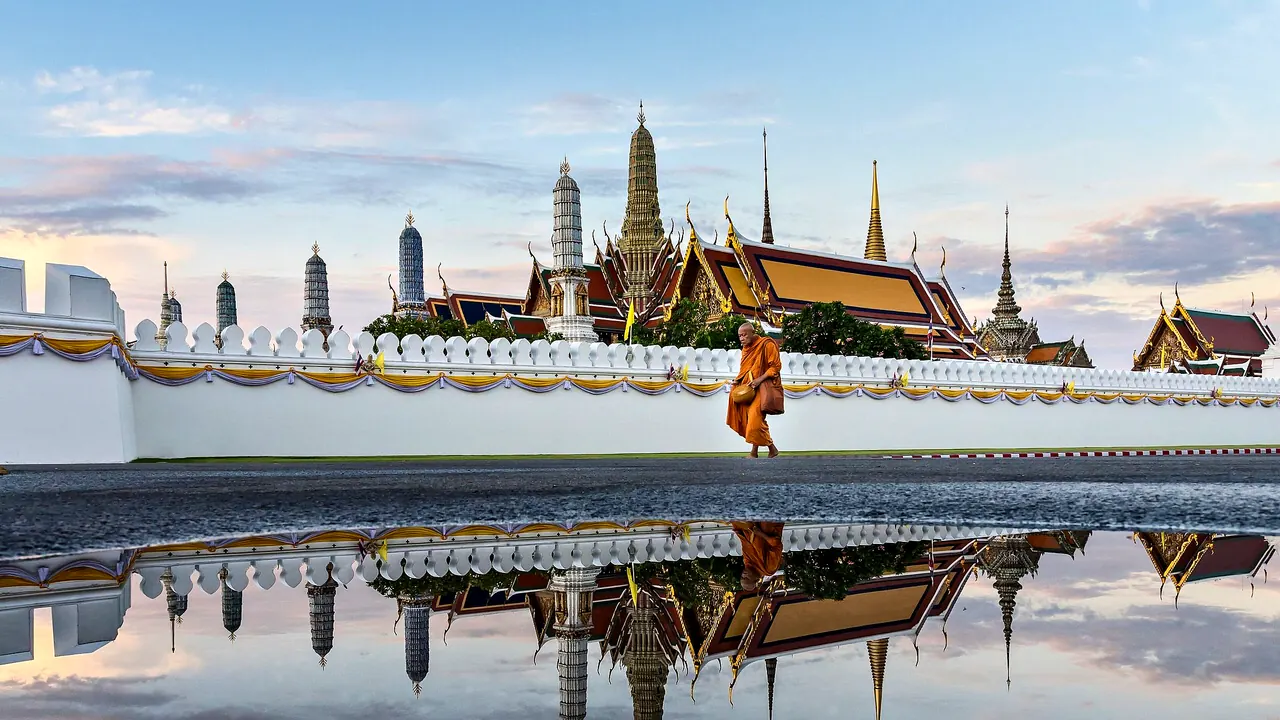
Photos: India by Kowshi L, Pexels License; Thailand by Nawit science, CC BY-SA 4.0, cropped.
India or Thailand?
Our verdict in twelve categories, each scored against the same fixed benchmark cities, and the climate month by month, so you can choose for your trip.
Choose India for
- live music and the arts
- nature and the outdoors
- shopping
India is the better choice for a long trip with a lot in it, where the travel is part of the experience. It has the Mughal monuments of Agra and Delhi, the forts of Rajasthan, the temple cities of Tamil Nadu, Himalayan treks in Ladakh and tiger reserves such as Ranthambore. It costs a little less day to day, and its craft markets and classical music go deeper. In return it asks more patience on the road, and it is hard work with young children.
Choose Thailand for
- families
- nightlife
- beaches
Thailand gives an easier, warmer trip with the beach at its centre. You get limestone islands and clear water on the Andaman coast, a second coast on the Gulf for the other half of the year, and resorts that suit families. The nights out run from Bangkok rooftops to the beach parties of Koh Phangan. Its temples and food are as much a reason to go as India's, and the main sights sit closer together, so a two-week trip feels less like an expedition.
Scoreboard
Twelve categories on one fixed scale from 0 to 100. The shaded stretch is the gap between the two.
Your match
Pick a travel style or drag the sliders, and both match scores follow your weighting.
Wins on live music and the arts and nature and the outdoors with your weighting.
Wins on families and nightlife with your weighting.
What matters to you?
Category by category
What the scores mean for a trip.
Beaches & swimming
Thailand is the beach country of the two. Its Andaman coast, from Phuket and Krabi down to Koh Lanta, has pale sand, limestone islands and clear water. Koh Samui and the Gulf islands are good in the months when the west coast is rough, and island-hopping by ferry is part of the trip. You can choose between busy strips like Patong, longtail-boat coves like Railay and quiet bays.
India's mainland beaches are warm and sandy rather than clear. The best are the spacious south Goa strands, the coves of Gokarna and Varkala's cliffs, and all of them close for the monsoon. The one stretch that matches Thailand's water is the Andaman Islands, and they are a separate flight away.
Where in India: Goa, Andaman Islands, Varkala, Gokarna
Food & drink
Both are top-tier places to eat, and the difference is in how you eat. In India, a food trip is a journey from region to region: kebabs in Old Delhi, Awadhi biryani in Lucknow, vada pav in Mumbai, dosas in Chennai and fish curries in Kerala. Vegetarians do especially well, while alcohol is restricted in some states.
In Thailand, good food takes less hunting. Every town has a night market, Bangkok adds modern Thai fine dining to its Chinatown stalls, and the north and Isan have cooking you will not find elsewhere. Cold beer is always close at hand.
Where in India: Delhi, Mumbai, Lucknow, Kolkata
Where in Thailand: Bangkok, Chiang Mai, Phuket Town, Isan
Culture & sights
Both are excellent for sights, but India's heritage is bigger in scale and more varied. You could fill separate trips with the Mughal north of Agra and Delhi, the forts and palaces of Rajasthan, the ghats of Varanasi and the towered temples of Madurai and Thanjavur, with Hampi and Ajanta on top.
Thailand's heritage is all Buddhist and royal, and its old capitals fit into one route: the Grand Palace and Wat Pho in Bangkok, the ruins of Ayutthaya and Sukhothai, and the Lanna temples of Chiang Mai. In both countries the monuments, not the museums, are the reason to go.
Where in India: Agra, Delhi, Rajasthan, Tamil Nadu
Where in Thailand: Bangkok, Ayutthaya, Chiang Mai, Sukhothai
Nightlife
For going out, Thailand is far ahead. Bangkok alone has rooftop bars, the cocktail bars of Thonglor, big clubs and the street drinking around Khao San Road. Patong runs late, and Koh Phangan's Full Moon Party fills the beach at Haad Rin every month.
India's nightlife is found in a few places: Mumbai's bars, Bengaluru's pubs, Hauz Khas in Delhi and the winter beach clubs of north Goa. In the heritage towns, strict closing hours and alcohol rules mean the evening usually ends with a rooftop dinner.
Where in India: Goa, Mumbai, Bengaluru, Delhi
Where in Thailand: Bangkok, Koh Phangan, Phuket, Chiang Mai
Nature & outdoors
India has the bigger outdoors. The Himalaya give it trekking on a scale Thailand cannot offer, in Ladakh's high desert, the valleys of Himachal Pradesh and Sikkim. It is also one of the few places to see wild tigers, in Ranthambore and Kanha. Add to that the tea hills of Munnar, Kerala's backwaters and the dunes of the Thar.
Thailand's strengths lie on and under the water. It has the karst towers of Phang Nga Bay, rock climbing at Railay, diving off Koh Tao and the Similans, and Khao Sok's rainforest raft houses. Its northern hills around Chiang Mai give gentler trekking.
Where in India: Ladakh, Himachal Pradesh, Ranthambore National Park, Kerala
Where in Thailand: Krabi and Phang Nga Bay, Khao Sok National Park, Chiang Mai and the northern hills, Koh Tao and the Similan Islands
Day trips
For day trips the two are about level, but they work differently. In India, the base you choose matters most. From Agra you can reach Fatehpur Sikri, from Jaipur the Amber Fort and Pushkar, from Chennai Mahabalipuram, and from Aurangabad the Ellora caves. Most of these outings mean a car and driver on slow roads.
In Thailand, Bangkok does most of the work. Ayutthaya, Kanchanaburi and Lopburi are all within easy reach, and Chiang Mai covers the old Lanna towns. From the beaches, the outings are mostly boat trips to islands rather than visits to towns.
Where in India: Agra, Jaipur, Chennai, Aurangabad
Where in Thailand: Bangkok, Chiang Mai, Sukhothai, Phuket Town
Good for families
Thailand is much the easier country with children. The dry-season bays of Koh Lanta, Ao Nang and Phuket are shallow and calm, and there are pool hotels, water parks, aquariums and Chiang Mai's elephant sanctuaries and Night Safari. Restaurants make dishes milder without being asked twice.
India welcomes children just as warmly, but the heat, the crowds, the traffic and the care needed with food weigh on every day. The trips that work are slow ones, such as south Goa, a Kerala houseboat or a jeep safari. Keep them to the cooler months.
Where in India: Goa, Kerala, Rajasthan
Where in Thailand: Phuket, Koh Samui, Krabi, Chiang Mai
Getting around
Neither country is quick to cross, and both mean flying between regions. In India, the trains reach almost everywhere but book out early. Driving yourself is not advisable, so most visitors hire a car and driver, and only Delhi, Mumbai and Bengaluru have good metros.
In Thailand, the hard part is the last stretch: reaching an island can take a flight, a van and a ferry in one day. Once there, you depend on songthaews, drivers or risky scooters. Bangkok's Skytrain and river boats make the capital the simplest place in either country to get around.
Where in India: Delhi, Mumbai, Rajasthan
Where in Thailand: Bangkok, Chiang Mai
Shopping & style
India is the richer place for things to bring home, and each region makes its own. Jaipur has gems and block prints, Varanasi and Kanchipuram silk saris, and Kashmir pashmina. In Delhi you can find much of it in one place at Chandni Chowk and Dilli Haat. Expect to bargain and to steer clear of touts.
Thailand is stronger on modern shopping. Bangkok has huge malls around Siam, the vast Chatuchak market and tailors who make suits in a few days, while Chiang Mai has silver, celadon and woven textiles. Outside those two cities, it is mostly night-market stalls.
Where in India: Jaipur, Delhi, Varanasi, Mumbai
Where in Thailand: Bangkok, Chiang Mai
Affordability
Both are cheap, and India is cheaper still. Thali meals, trains and guesthouses in Varanasi or Hampi cost very little, and a car with a driver is affordable. The costs that add up are palace hotels, Goa at the peak of winter, and the much higher entrance fees foreigners pay at the big monuments.
In Thailand, Chiang Mai, Pai and Isan are just as easy on the budget. The big islands are where the money goes, with transfers, ferries and seafood dinners on Phuket and Samui, so Koh Lanta is the better beach for a careful budget.
Where in India: Varanasi, Hampi, Rajasthan, Kerala
Where in Thailand: Chiang Mai, Isan, Pai, Koh Lanta
Live music & performing arts
India has much more to see on stage. Chennai's December music season fills the sabhas with Carnatic concerts and Bharatanatyam dance, Kochi stages Kathakali through the year, and Kolkata, Delhi and Mumbai have regular music, dance and theatre.
Thailand's formal stage is mostly in Bangkok, where khon masked drama plays at the Sala Chalermkrung Royal Theatre and the National Theatre. Elsewhere it is mostly khantoke dinner shows in Chiang Mai and fire shows on the beach.
Where in India: Chennai, Mumbai, Kochi, Kolkata
Where in Thailand: Bangkok, Chiang Mai
Wellness & relaxation
In India, rest is something you travel to a particular place to study and be treated for. Kerala's Ayurvedic retreats, on the coast near Kovalam and Varkala and up in the hills, offer whole courses of treatment. Rishikesh, on the Ganges, has the ashrams and yoga schools, and Mysore has a yoga lineage of its own.
Outside these places the cities are loud and tiring, and there is no habit of public spas or baths to fall back on.\n\nIn Thailand, relaxing takes much less planning. Massage is everywhere, from mats on the beach to the school at Wat Pho. There are destination spas on Samui and Phuket, and Koh Phangan's quieter coasts have yoga and meditation. For a soak, there are hot springs around Chiang Mai and Pai and the mineral baths at Ranong.
Where in India: Kerala, Rishikesh, Mysore, Goa
Where in Thailand: Koh Samui, Koh Phangan, Chiang Mai and Pai, Phuket
When should you go?
Pick your month, and for a country the place in it. The climate figures are measured averages, not a forecast.
Where in India
Where in Thailand
Delhi (India) in July
Bangkok (Thailand) in July
Daytime high, °C
Rainfall in the month, mm
Temperature and rainfall are climate normals, averaged over the years shown. Delhi (India): 1991-2020 normals, New Delhi / Safdarjung (9.4 km from centre). Bangkok (Thailand): 1991-2020 normals, Bangkok (5.7 km from centre).
For most of India, the season runs from November to March. That is when Delhi and Jaipur are pleasant for walking, and the Goa coast is dry, sunny and calm, with the sea around 28°C. By April the northern plains are getting hot, and Delhi reaches 40°C in May. Then the monsoon reaches the west coast. Goa takes 957mm in July, and the beaches close. The Himalaya work the other way round. Leh is freezing in winter but mild in high summer at about 25°C, so Ladakh is the place to go from June to September.\n\nThailand is warm all year, and its two coasts take turns.
Phuket, Krabi and the rest of the Andaman side are sunniest and calmest from December to April, then wetter and rougher from May to October. Koh Samui and the Gulf islands stay good from February through to September, and their own wet spell comes late in the year, with 372mm on Samui in November. Bangkok and Chiang Mai are most comfortable from November to February and get very hot around April. So the two countries overlap in winter, but in the middle of the year the places worth planning around are Thailand's Gulf islands and India's high mountains.
Which traveller are you?
For a beach and sun trip, Thailand is the clear pick. It has clear water and fine sand on two coasts, so there is a good beach somewhere in every month. India's mainland shore is warm rather than clear, and good only in the dry winter.
On a family trip with young children, Thailand is much easier. Calm, shallow bays, pool resorts, aquariums and elephant sanctuaries keep children busy. In India, the heat, the crowds and the long journeys make even the gentler routes hard work.
More comparisons
Each shares a side with India or Thailand.
 Bali vs Thailand
 Bangladesh vs India
 Bhutan vs India
 India vs Maldives
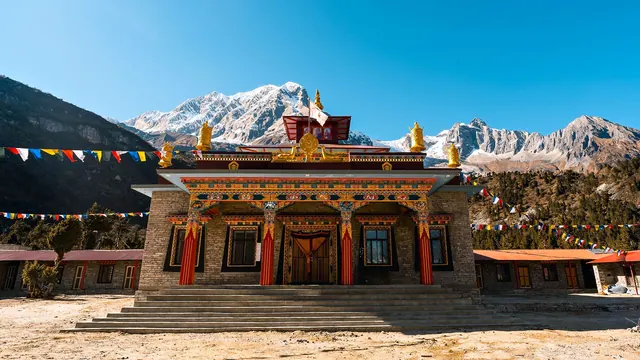 India vs Nepal
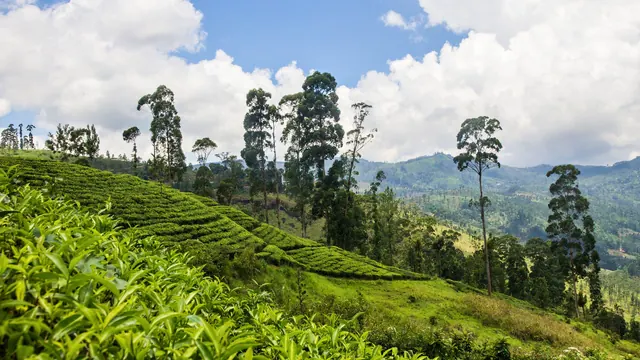 India vs Sri Lanka
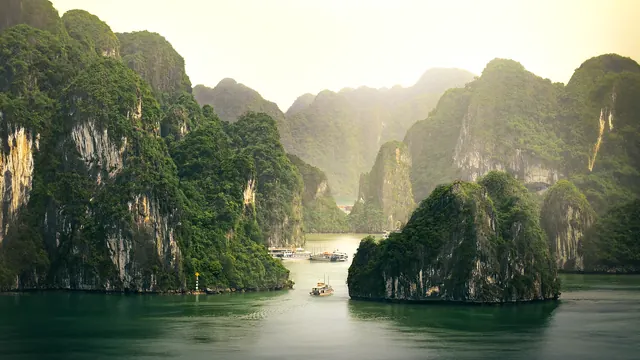 India vs Vietnam
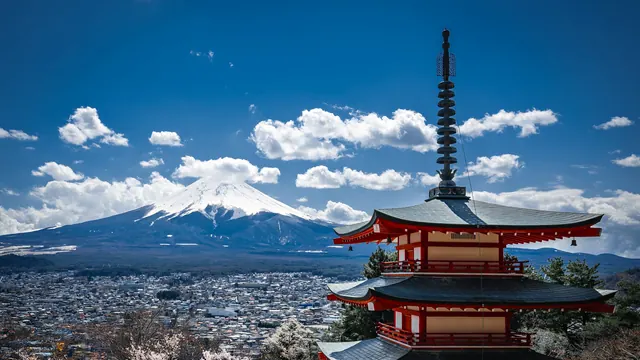 Japan vs Thailand
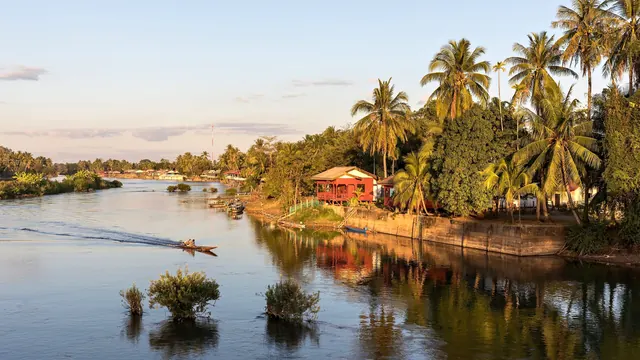 Laos vs Thailand
- Maldives vs Thailand
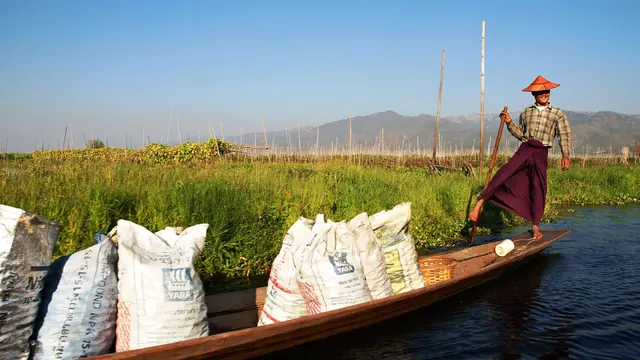 Myanmar vs Thailand
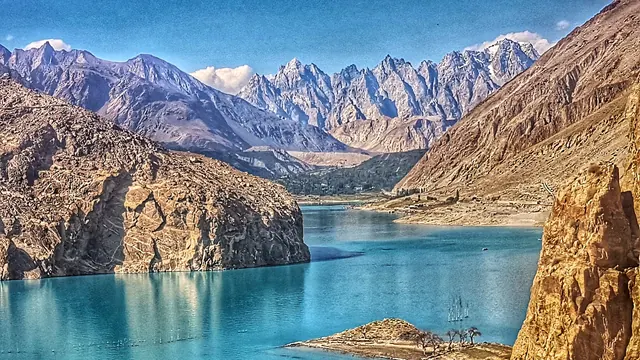 Pakistan vs India
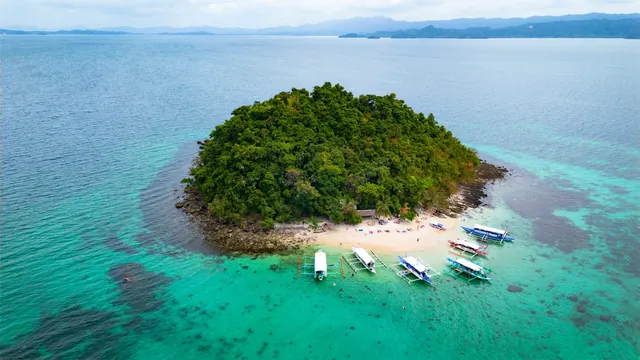 Philippines vs Thailand
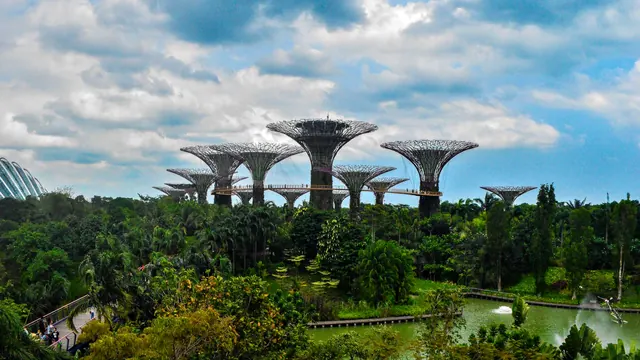 Singapore vs Thailand
- Sri Lanka vs Thailand
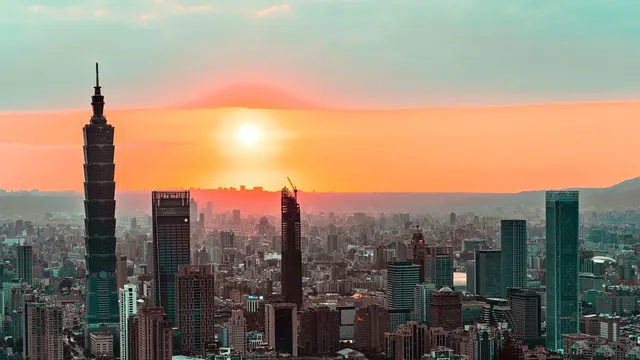 Taiwan vs Thailand
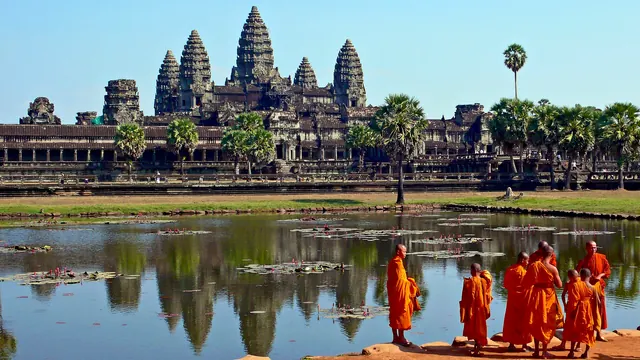 Thailand vs Cambodia
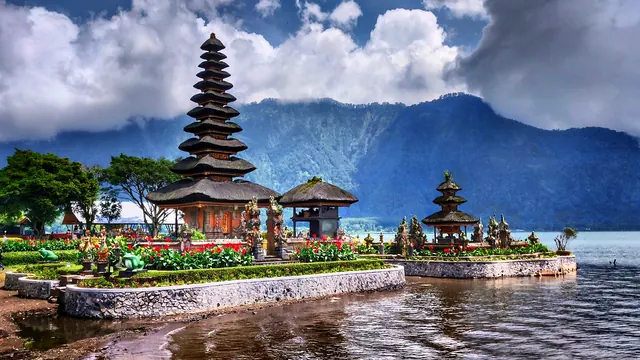 Thailand vs Indonesia
 Thailand vs Malaysia
- Vietnam vs Thailand
Where else could you go?
Set India or Thailand against any other country.