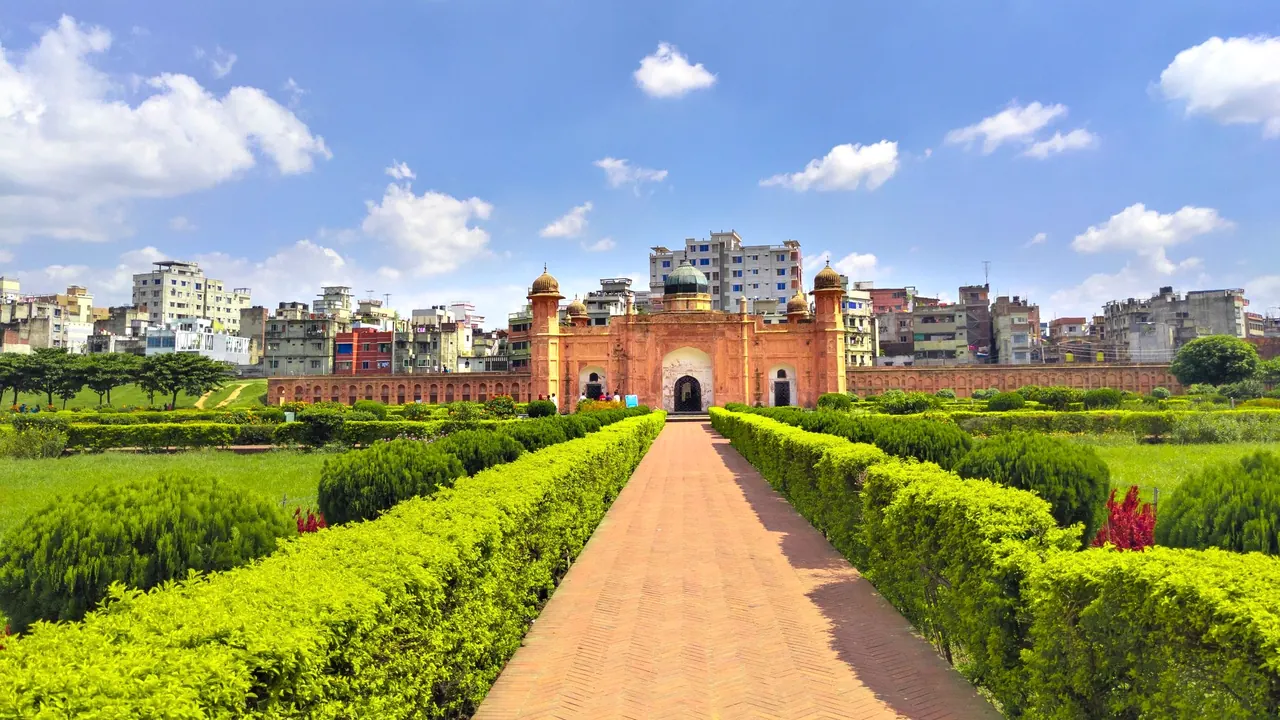
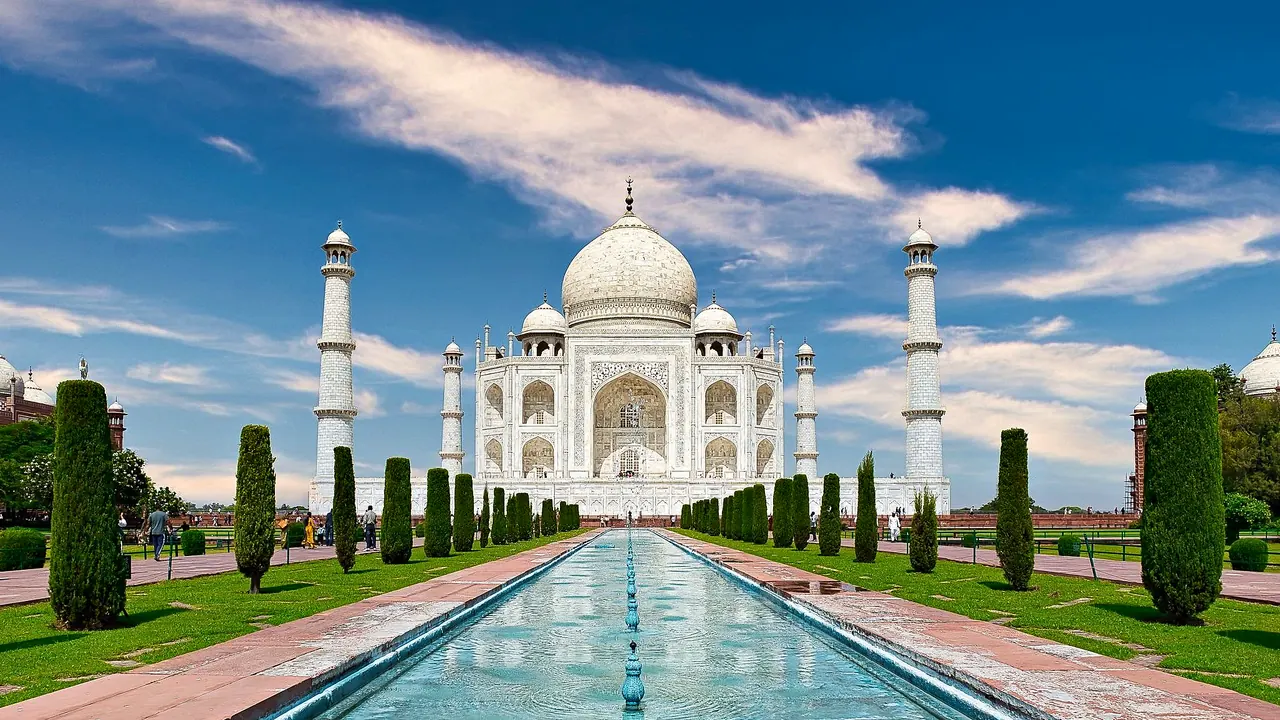
Photos: Bangladesh by Sohid Hasan, Pexels License; India by Kowshi L, Pexels License.
Bangladesh or India?
Our verdict in twelve categories, each scored against the same fixed benchmark cities, and the climate month by month, so you can choose for your trip.
Choose Bangladesh for
Bangladesh does not lead in any category we score.
Bangladesh suits the traveller who has already done the classic Indian circuits and wants somewhere with almost no tourist trade, where prices are entirely local and the country is seen from a river boat. Its rewards are specific: Bengali cooking in Old Dhaka, the mangrove channels of the Sundarbans, the brick mosques of Bagerhat and the tea gardens of Sreemangal. Go knowing there are no bars, very few comforts made for visitors and slow journeys between regions.
Choose India for
- wellness
- nightlife
- day trips
India is the stronger choice for nearly every other trip, and for anyone visiting the subcontinent for the first time. One country holds the Taj Mahal and the forts of Rajasthan, Himalayan trekking in Ladakh, tiger reserves, the beaches of Goa and the Ayurvedic retreats of Kerala. The travel is still hard work, but the routes are better trodden and there is far more to choose from in every season.
Scoreboard
Twelve categories on one fixed scale from 0 to 100. The shaded stretch is the gap between the two.
Your match
Pick a travel style or drag the sliders, and both match scores follow your weighting.
Has no clear advantage with the weighting you have chosen.
Wins on wellness and nightlife with your weighting.
What matters to you?
Category by category
What the scores mean for a trip.
Beaches & swimming
Bangladesh's coast is one long, warm strand at Cox's Bazar, but the water is brown with silt and the currents are strong. Locals paddle fully dressed and walk the sand rather than sunbathe. Saint Martin's Island has the clearest water, and Kuakata is a place for sunrise and sunset more than swimming.
India has a proper beach culture. In the dry season Goa's south has long, quiet sands and its north has shacks and sunbeds, while Gokarna's coves and the cliffs of Varkala add variety further south. For clear turquoise sea, the Andaman Islands are a flight away and well worth it.
Where in Bangladesh: Cox's Bazar, Saint Martin's Island, Kuakata
Where in India: Goa, Andaman Islands, Varkala, Gokarna
Food & drink
Both kitchens share Bengali roots, since Kolkata cooks much as Bangladesh does, so river fish, sweets and home cooking are good on either side of the border. Bangladesh does this one tradition well, with hilsa in mustard, bhorta with rice, Old Dhaka's kacchi biryani and bakarkhani and Chittagong's mezban beef feasts. Beyond it the choice thins, and fine dining is confined to Gulshan and Banani.
India is the stronger food destination because it holds dozens of cuisines rather than one. A trip can follow Awadhi biryani in Lucknow, street snacks in Mumbai and Old Delhi, dosas in Chennai and coconut seafood in Kerala, and vegetarians eat superbly. Alcohol is restricted in only some Indian states, but it is scarce across almost all of Bangladesh.
Where in Bangladesh: Old Dhaka, Chittagong, Sylhet and Sreemangal
Culture & sights
Bangladesh has fine heritage, but it is scattered. Old Dhaka holds Lalbagh Fort, the pink Ahsan Manzil and the Star Mosque. The two great sites, the mosque city of Bagerhat and the monastery ruins at Paharpur, mean long journeys to the south-west and north-west.
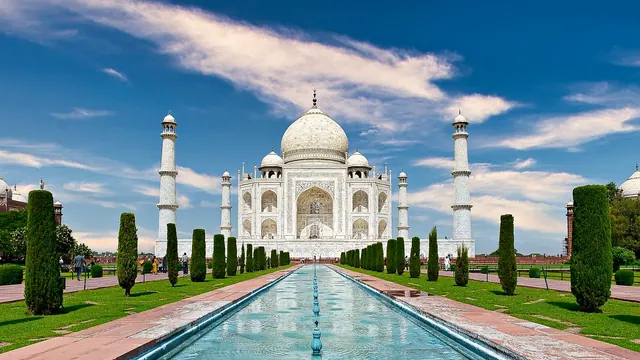
India works on another scale. The Taj Mahal and Agra Fort, the Mughal monuments of Delhi, the forts and palaces of Jaipur, Jodhpur and Jaisalmer, the ghats of Varanasi and the temple cities of Tamil Nadu could each fill a trip. In both countries, the monuments matter more than the museums.
Where in Bangladesh: Old Dhaka, Bagerhat, Paharpur and Mahasthangarh, Dinajpur and Puthia
Nightlife
In Bangladesh, nightlife amounts to a few licensed hotel bars and private clubs in Gulshan and Banani, and evenings otherwise mean tea stalls and late dinners. India has real going out in a handful of places: Mumbai's bars and rooftop lounges, Bengaluru's craft beer pubs, Delhi's Hauz Khas and Goa's winter beach parties. Its heritage towns still close early, so plan nights out around those cities.
Nature & outdoors
Bangladesh's great natural draw is the Sundarbans, a two or three day boat trip through mangrove channels from Khulna or Mongla. Beyond that there are the tea hills and gibbon forest of Sylhet and Sreemangal and the forested Chittagong Hill Tracts, but most of the country is flat delta.
India adds whole mountain ranges and big wildlife. It has high-altitude trekking in Ladakh, Spiti and Sikkim, rafting at Rishikesh, tigers at Ranthambore and Kanha, rhinos at Kaziranga, the backwaters and tea slopes of Kerala and the dunes of the Thar Desert.
Where in Bangladesh: Sundarbans, Sylhet and Sreemangal, Chittagong Hill Tracts
Where in India: Ladakh, Himachal Pradesh, Ranthambore National Park, Kerala
Day trips
Bangladesh gives each base one or two outings: Sonargaon and the ruined mansions of Panam City from Dhaka, Bagerhat about an hour from Khulna, Puthia from Rajshahi, and Mahasthangarh and Paharpur from Bogura. They reward history lovers, but slow, hectic roads keep each base's reach short, so seeing more means moving on rather than going out and coming back.
India has more and better bases. You can visit Fatehpur Sikri, Mathura and Vrindavan from Agra, Amber Fort and Pushkar from Jaipur, Mahabalipuram and Kanchipuram from Chennai, the Ellora caves from Aurangabad and Elephanta Island by ferry from Mumbai. Agra and Jaipur each have enough close by to fill several days from one hotel.
Where in Bangladesh: Khulna, Dhaka, Rajshahi, Bogura
Good for families
Neither country is easy with young children, and both share the heat, traffic and care over food and water. Bangladesh suits only adventurous families with teenagers, perhaps on a Sundarbans boat or in the tea gardens of Sreemangal.
India has more routes that work for families: the calm beaches of south Goa, a Kerala houseboat, a jeep safari in Ranthambore and Rajasthan forts broken up by hotel pools. Even so, keep to winter for the plains.
Where in Bangladesh: Sreemangal, Sundarbans
Getting around
Both countries take patience, and in both most visitors hire a car with a driver. In Bangladesh, Dhaka's gridlock and its partial metro make the capital slow going. Domestic flights to Sylhet, Chittagong and Cox's Bazar are the real time-savers, and the overnight river launches to the south are a journey worth taking for their own sake.
India's network is far larger. Flights link the main cities, rail reaches almost everywhere, the fast train from Delhi to Agra helps, and Delhi, Mumbai and Bengaluru have good metros. The catch is distance: travelling between north and south means flying, and popular trains book out early.
Where in Bangladesh: Sylhet and Sreemangal, Dhaka
Shopping & style
Bangladesh is for textile hunters, with handwoven jamdani saris, nakshi kantha quilts and Tangail and Rajshahi cotton and silk, sold in Dhaka's craft emporiums and the crowded lanes of New Market and Old Dhaka. Beyond fabric, choice is slim.
India offers a regional speciality almost everywhere you stop: gems and block prints in Jaipur, silk in Varanasi, pashmina from Kashmir and mirrorwork from Gujarat. Delhi's Dilli Haat gathers crafts from across the country, and Mumbai adds Indian designer fashion. Expect to bargain and to fend off commission touts.
Where in Bangladesh: Dhaka, Tangail, Rajshahi
Affordability
Both are among the cheapest countries to travel in, and the difference is in where the money goes. In Bangladesh almost everything runs at local prices, from Old Dhaka's biryani houses to Rajshahi's guesthouses, and tea-garden resorts in Sreemangal give the most comfort for the cost. Spending more buys reliability rather than luxury, though.
India has a fuller middle range, with well-priced hotels across Rajasthan and homestays in Kerala. Its costs come from choices such as palace hotels and peak-season Goa, and from the much higher entry fees foreigners pay at major monuments.
Where in Bangladesh: Old Dhaka, Sylhet and Sreemangal, Rajshahi
Live music & performing arts
Bangladesh's music is rich, from Tagore songs to the Baul festivals around Kushtia, but there are few regular venues, so a visitor mostly depends on festivals, local contacts and Bengali-language theatre in Dhaka.
India has more that a visitor can actually attend. Chennai's winter season fills the sabhas with Carnatic concerts and Bharatanatyam, Kochi stages Kathakali all year, Mumbai has concert halls and independent theatre, and the Rajasthan cities offer folk music and puppetry in the evenings.
Where in Bangladesh: Dhaka, Kushtia
Wellness & relaxation
This is where the two are furthest apart. In Bangladesh, rest means a hotel spa or the eco-resorts among Sreemangal's tea estates. India can be a wellness trip in itself, with Ayurvedic retreats near Kovalam and Varkala, ashrams and yoga study in Rishikesh, Mysore's yoga tradition and winter retreats on Goa's quiet southern beaches.
Where in Bangladesh: Sreemangal
When should you go?
Pick your month, and for a country the place in it. The climate figures are measured averages, not a forecast.
Where in Bangladesh
Where in India
Dhaka (Bangladesh) in July
Delhi (India) in July
Daytime high, °C
Rainfall in the month, mm
Temperature and rainfall are climate normals, averaged over the years shown. Dhaka (Bangladesh): 1945-2025, 18 years observed (sunshine 1991-2020, rainfall 1991-2020) normals, Dhaka (4.4 km from centre). Delhi (India): 1991-2020 normals, New Delhi / Safdarjung (9.4 km from centre).
Bangladesh has one clear travelling season, November to March, when Dhaka is dry and warm rather than oppressive and the sea at Cox's Bazar is calm. From April the heat builds, and from May the monsoon takes over: Cox's Bazar gets around 913mm of rain in July, the sea turns rough and unsafe, and much of the country is wet until October. Winter is also the best time for the Sundarbans.
India runs on a split calendar. The same cool, dry winter is the time for Delhi, Agra and Rajasthan, and for the beaches of Goa, where the sea stays near 28°C and the sky is almost always clear. By May the northern plains are too hot for sightseeing, with Delhi around 40°C, and from June the monsoon drenches Goa, Mumbai and Kochi. The summer months belong to the mountains instead: Leh reaches a pleasant 25°C in July with very little rain, which gives India a second season that Bangladesh lacks.
Which traveller are you?
For a beach and sun trip, India is the clear pick. Goa, Gokarna and Varkala have sand where lying in a swimsuit is normal, and the Andamans have clear water, while Cox's Bazar is a silty promenade where people paddle clothed.
On a trip on a tight budget, neither has the edge. Bangladesh runs cheaply on trains, rickshaws and street food, though Sundarbans boat trips and dry-season Cox's Bazar cost more. In India, Varanasi's ghat guesthouses and Hampi's village cafés are cheap places to linger.
More comparisons
Each shares a side with Bangladesh or India.
Where else could you go?
Set Bangladesh or India against any other country.