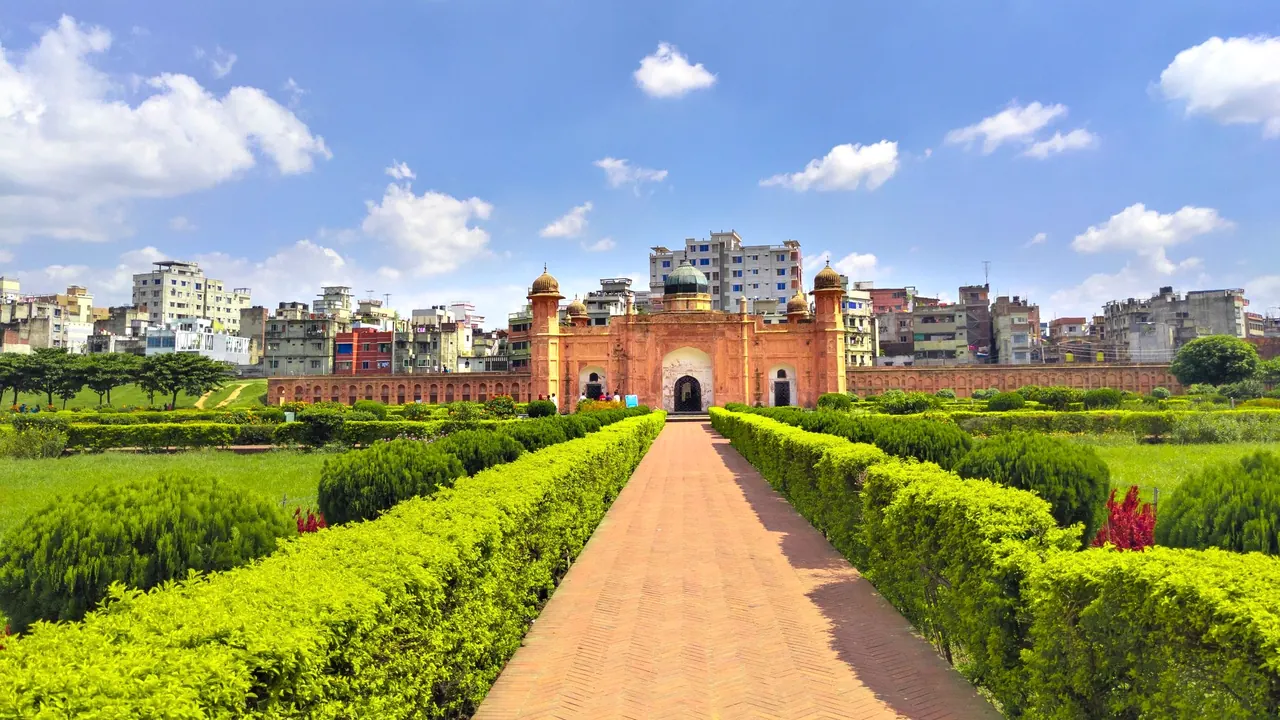
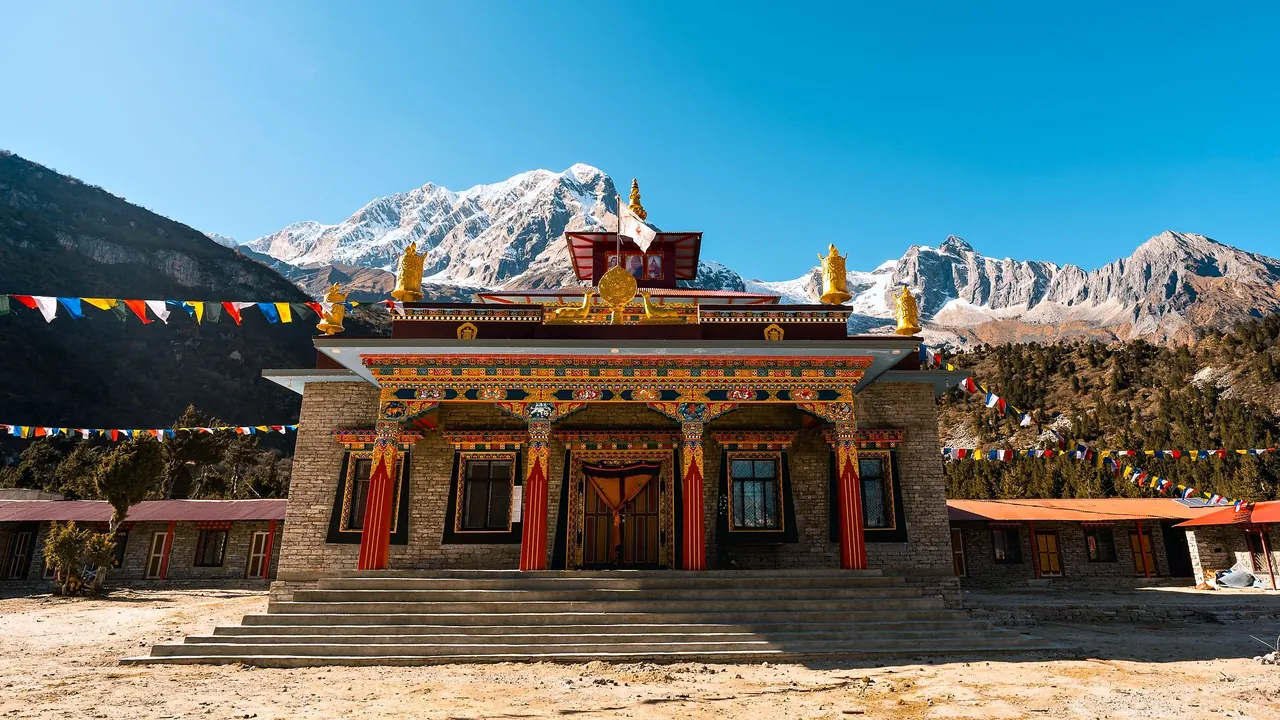
Photos: Bangladesh by Sohid Hasan, Pexels License; Nepal by Arjay Neyra, Pexels License.
Bangladesh or Nepal?
Our verdict in twelve categories, each scored against the same fixed benchmark cities, and the climate month by month, so you can choose for your trip.
Choose Bangladesh for
- beaches
- food and drink
- live music and the arts
Bangladesh suits the curious, patient traveller who wants a country few tourists see and who will happily plan a trip around eating. Old Dhaka's biryani houses and sweet shops, hilsa in mustard sauce and Chittagong's mezban feasts are the strongest reason to go. Add slow boat days in the Sundarbans mangroves, Baul music and a long sandy coast at Cox's Bazar, and you have a trip about rivers, food and everyday life. It is not about bars, polish or headline sights.
Choose Nepal for
- nature and the outdoors
- wellness
- culture and sights
For mountains and monuments, Nepal is the easier and fuller choice. The Himalaya make it one of the world's great walking countries, from a short climb to Poon Hill to the trek to Everest base camp. The Kathmandu Valley packs Durbar Squares, stupas and living temples into a small area. Chitwan's rhinos, Pokhara's lakeside calm and a few bars in Thamel round it out for a first visit to the region, though there is nothing by the sea.
Scoreboard
Twelve categories on one fixed scale from 0 to 100. The shaded stretch is the gap between the two.
Your match
Pick a travel style or drag the sliders, and both match scores follow your weighting.
Wins on beaches and food and drink with your weighting.
Wins on nature and the outdoors and wellness with your weighting.
What matters to you?
Category by category
What the scores mean for a trip.
Beaches & swimming
Bangladesh at least has a coast. The sand at Cox's Bazar runs for over 100km, Saint Martin's Island has clearer water and quieter beaches, and Kuakata is the place for sunrise and sunset. Even so, the sea is brown with silt and has strong currents, and the shore works as a promenade where people paddle fully clothed.
Nepal has no sea at all. Phewa Lake in Pokhara is for rowing boats and mountain reflections, and the cold glacial rivers are for rafting. If you want beach time on a Nepal trip, you have to plan it somewhere else.
Where in Bangladesh: Cox's Bazar, Saint Martin's Island, Kuakata
Food & drink
Bangladesh eats better, and its cooking is a reason to travel in itself. In Old Dhaka there are kacchi biryani, kebabs and bakarkhani bread. Elsewhere you find hilsa in mustard sauce, bhorta mashed with rice and Chittagong's beef mezban, all backed by a national devotion to sweets such as roshogolla and mishti doi.
Nepal's everyday food is dal bhat and momos, which fill you up but get repetitive on a trek. The interest lies in Newari cooking in Patan and Bhaktapur, with beaten rice, spiced buffalo and Bhaktapur's thick yoghurt, and in the Thakali sets around Pokhara. Neither country has much fine dining, but a beer or a local millet spirit is far easier to find in Nepal.
Where in Bangladesh: Old Dhaka, Chittagong, Sylhet and Sreemangal
Culture & sights
Nepal's heritage is close together, while Bangladesh's is spread out. The Durbar Squares of Kathmandu, Patan and Bhaktapur sit a short ride apart, and Swayambhunath, Boudhanath and the ghats of Pashupatinath are still used every day for worship. Patan also has the best museum in either country. Lumbini, the Buddha's birthplace, makes a separate journey.
Bangladesh has fine monuments, but they take effort to reach. Lalbagh Fort, Ahsan Manzil and the Star Mosque are in Old Dhaka. Bagerhat's Sixty Dome Mosque lies in the south-west, and the monastery ruins at Paharpur and the temples of Puthia and Kantajew are in the north. It rewards travellers who love brick and terracotta architecture and don't mind long journeys.
Where in Bangladesh: Old Dhaka, Bagerhat, Paharpur and Mahasthangarh, Dinajpur and Puthia
Where in Nepal: Kathmandu Valley, Patan, Bhaktapur, Lumbini
Nightlife
Neither country is made for nights out, but Nepal at least has somewhere to go. Thamel's rooftop bars and cover-band pubs fill with trekkers celebrating the end of a route, and Pokhara's Lakeside has quieter bars by the water, though both close fairly early. In Bangladesh, drinking is limited to a few licensed hotel bars and private clubs in Dhaka's Gulshan and Banani. Evenings there mean late dinners, tea stalls and, during Ramadan, Old Dhaka's busy markets.
Nature & outdoors
Nepal is in another league here. In the Annapurna and Everest regions you can trek from teahouse to teahouse for days or weeks, and Langtang and Upper Mustang are further options. Chitwan adds rhinos, gharials and tigers, while rafting on the Trishuli and paragliding above Pokhara fill out the list.
Bangladesh's nature is low, wet and mostly seen from a boat. Its highlight is the Sundarbans, the world's largest mangrove forest, explored over two or three days from Khulna or Mongla. Beyond that come the tea estates and gibbon rainforest around Sreemangal and the forested hills of Bandarban and Rangamati in the south-east. It is gentle and green rather than dramatic.
Where in Bangladesh: Sundarbans, Sylhet and Sreemangal, Chittagong Hill Tracts
Where in Nepal: Annapurna region, Everest region, Chitwan National Park, Langtang
Day trips
Kathmandu makes the better base for outings. The Valley's Newar towns of Kirtipur, Bungamati, Khokana and Panauti, the hilltop temple of Changu Narayan and the pairing of Dhulikhel and Namobuddha fill several easy days. From Pokhara, the old hill bazaar of Bandipur is about two hours away.
Bangladesh offers one or two outings from each base. From Dhaka you can visit Sonargaon and Panam City, Bagerhat is about an hour from Khulna, and Puthia and Mahasthangarh are reached from Rajshahi and Bogura. These suit history lovers, but Dhaka's traffic can turn a short trip into a long day.
Where in Bangladesh: Khulna, Dhaka, Rajshahi, Bogura
Where in Nepal: Kathmandu Valley, Panauti and Dhulikhel, Bandipur
Good for families
Both countries welcome children warmly and offer little made for them, but Nepal is easier going. Pokhara is a calm base with rowing boats and paragliders landing by the lake, Chitwan's jeep and canoe outings thrill older children, and fit families can manage the walk to Poon Hill. Long road journeys and altitude still need care.
Bangladesh is harder work, with intense heat outside winter, chaotic traffic and the need for care with food and water. The Sundarbans boat trip and the tea gardens of Sreemangal suit adventurous families with teenagers best.
Where in Bangladesh: Sreemangal, Sundarbans
Where in Nepal: Pokhara, Chitwan National Park
Getting around
Both demand patience, but for different reasons. Bangladesh is a flat delta, so cheap trains and overnight river launches to the south are real options alongside domestic flights from Dhaka. Dhaka's gridlock and the dangerous highways lead many visitors to hire a car with a driver.
In Nepal the problem is the terrain. No railway serves the main sights, the drive from Kathmandu to Pokhara takes most of a day, monsoon landslides block roads, and cloud often delays mountain flights. Once you arrive, the old cores of Patan and Bhaktapur and Pokhara's Lakeside are pleasant on foot, which Dhaka's poor pavements rarely are.
Where in Bangladesh: Sylhet and Sreemangal, Dhaka
Shopping & style
Bangladesh's craft is cloth, while Nepal's is metal, clay and paint. In Bangladesh you come away with handwoven jamdani muslin saris, embroidered nakshi kantha quilts and cotton and silk from Tangail and Rajshahi. You buy them in Dhaka's craft emporiums or in the crowded fabric lanes of New Market and Old Dhaka.
Nepal's better pieces come from the Valley's old towns, with cast bronzes in Patan, pottery and carved wood in Bhaktapur's potters' square and thangka paintings around Boudhanath. Thamel has piles of mass-produced singing bowls and pashmina to sort through, and haggling is expected. Neither country has fashion or luxury shops to speak of.
Where in Bangladesh: Dhaka, Tangail, Rajshahi
Where in Nepal: Patan, Bhaktapur, Thamel, Kathmandu, Boudhanath
Affordability
Both rank among the cheapest countries anywhere, so the useful question is what makes a budget grow. In Bangladesh it is comfort and access rather than sightseeing. Trains, rickshaws and local meals cost next to nothing, but good mid-range rooms are scarce outside the main cities, so you pay extra for reliability. The Sundarbans is hard to see except on an organised boat trip, and seafront hotels at Cox's Bazar cost more in the dry season. Your money goes furthest in the tea-garden eco-resorts of Sreemangal and in quiet Rajshahi, where prices are purely local.
Nepal makes comfort the easy part, since Kathmandu and Pokhara have plenty of mid-range hotels that most budgets can manage. The money goes on the reasons people come: trekking permits, guides and porters, mountain flights and safari lodges in Chitwan. Teahouse meals also cost more the higher you climb, because everything is carried up on foot. A trek therefore needs a bigger budget than the cheap streets of Thamel suggest. A slow overland trip in Bangladesh has fewer of these fixed extra costs.
Where in Bangladesh: Old Dhaka, Sylhet and Sreemangal, Rajshahi
Live music & performing arts
Bangladesh has the deeper musical tradition, with the songs of Tagore and Nazrul, classical ragas and the Baul singers, whose festivals around Kushtia draw large crowds. Dhaka also has serious Bengali-language theatre and performances at the Shilpakala Academy, though most listings are in Bengali.
Nepal offers less on stage: folk dances at dinner shows, Tharu stick dances near Chitwan and cover bands in Thamel. Its most memorable performances are religious, such as the devotional singing at Swayambhunath and the masked dances of festivals like Indra Jatra, if your dates match.
Where in Bangladesh: Dhaka, Kushtia
Where in Nepal: Kathmandu Valley, Chitwan National Park
Wellness & relaxation
Nepal is the place to slow down. Pokhara has yoga centres and an easy lakeside pace, monasteries around Boudhanath run meditation courses, and hot springs such as Tatopani on the Annapurna side soothe tired legs. Cheap massage is everywhere.
Bangladesh has hotel spas in Dhaka and Cox's Bazar and little else, and its cities are loud. The exception is Sreemangal, where tea-estate eco-resorts give you quiet mornings in the gardens and evenings on the veranda.
Where in Bangladesh: Sreemangal
Where in Nepal: Pokhara, Boudhanath, Kathmandu Valley, Annapurna region
When should you go?
Pick your month, and for a country the place in it. The climate figures are measured averages, not a forecast.
Where in Bangladesh
Where in Nepal
Dhaka (Bangladesh) in July
Kathmandu (Nepal) in July
Daytime high, °C
Rainfall in the month, mm
Temperature and rainfall are climate normals, averaged over the years shown. Dhaka (Bangladesh): 1945-2025, 18 years observed (sunshine 1991-2020, rainfall 1991-2020) normals, Dhaka (4.4 km from centre). Kathmandu (Nepal): 1991-2020 normals, Kathmandu Airport (4.7 km from centre).
Both countries are at their best from October or November to March, and the monsoon swamps both in the middle of the year. Bangladesh's dry season is warm rather than cool. Dhaka sits around 25°C in January, which is comfortable for exploring, and Cox's Bazar is sunny and settled enough for the beach, with a sea that stays warm all year. By April and May the heat in Dhaka climbs into the mid-30s and the rains begin. Cox's Bazar takes 913mm in July, when the sea turns rough and unsafe.
Nepal runs cooler. Kathmandu is around 19°C in January, which is pleasant for walking the old towns. October and November bring the clearest skies of the year for trekking, and March and April are warmer and still mostly dry. From June to September the rain sets in, Pokhara gets 674mm in July, and cloud hides the peaks.
Which traveller are you?
On an outdoors trip, Nepal is the clear pick. Teahouse treks in the Annapurna and Everest regions, rhino safaris in Chitwan, and rafting and paragliding above Pokhara go far beyond Bangladesh. Its Sundarbans boat journeys and Sreemangal tea hills are lovely but gentler.
For a culture and arts trip, Nepal again leads, because the Kathmandu Valley's three Durbar Squares and its great stupas sit close together. Bangladesh has fine monuments and a richer music tradition, but Bagerhat and Paharpur lie long journeys apart.
On a beach and sun trip, only Bangladesh has a coast, with long sands at Cox's Bazar and clearer water on Saint Martin's Island. Expect a promenade and a rough, silty sea rather than sunbathing. Landlocked Nepal offers only lakes and rivers.
More comparisons
Each shares a side with Bangladesh or Nepal.
Where else could you go?
Set Bangladesh or Nepal against any other country.