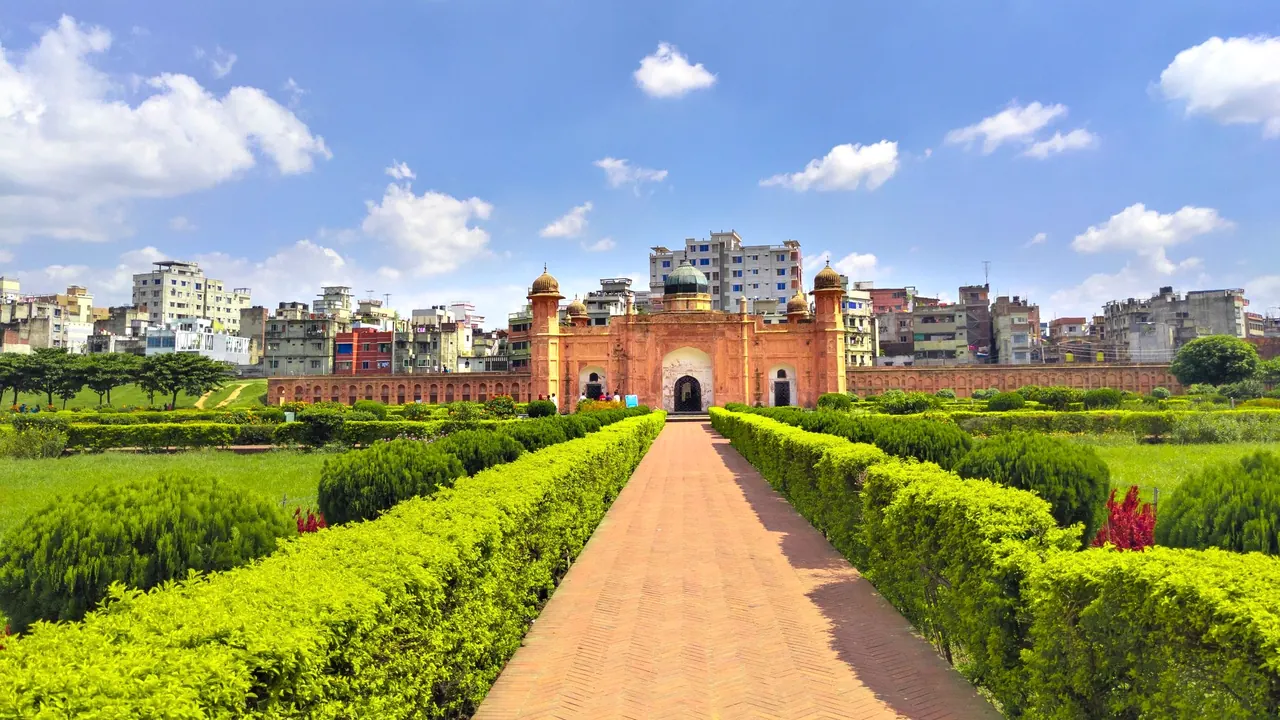
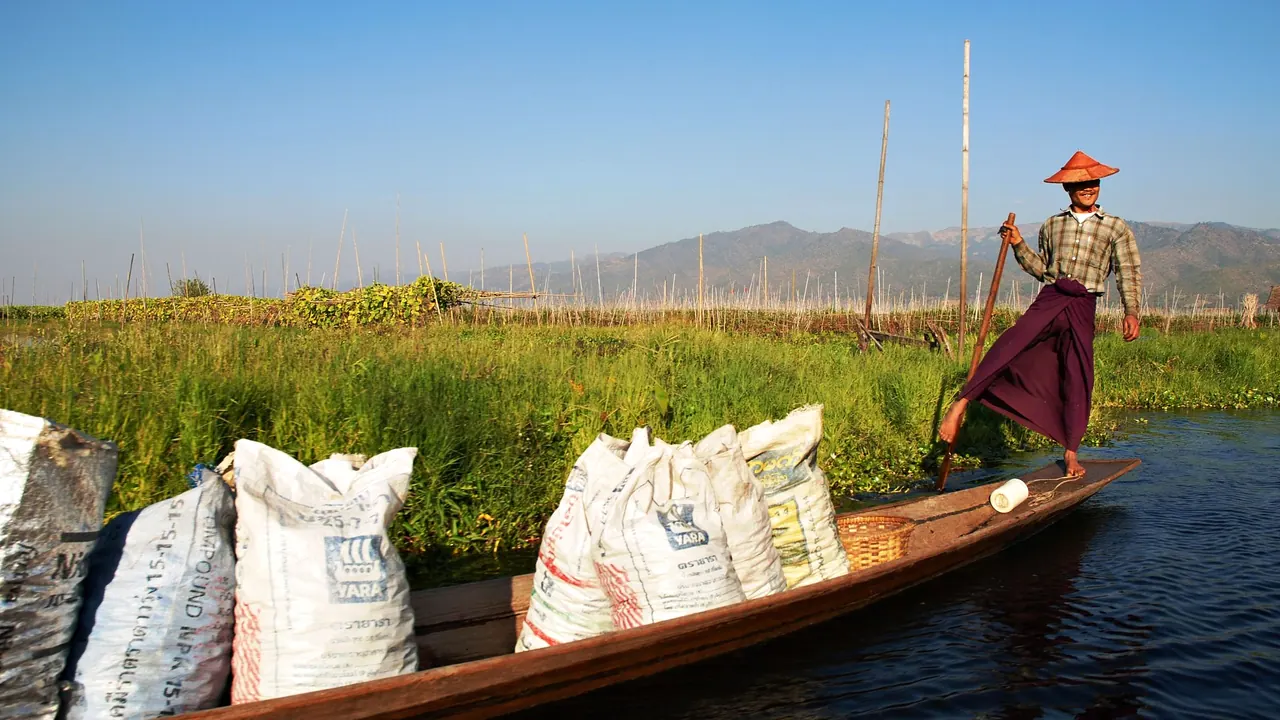
Photos: Bangladesh by Sohid Hasan, Pexels License; Myanmar by Thomas Schoch, CC BY-SA 3.0, cropped.
Bangladesh or Myanmar?
Our verdict in twelve categories, each scored against the same fixed benchmark cities, and the climate month by month, so you can choose for your trip.
Choose Bangladesh for
- prices
- food and drink
- shopping
Bangladesh suits a traveller who wants a country almost untouched by tourism and is happy to work for it. The rewards are Bengali cooking in the lanes of Old Dhaka, a few days by boat through the Sundarbans mangroves and quiet nights among the Sreemangal tea estates, all at very low cost. In return you get slow, hectic roads, a coast that works better for walking than for swimming, and evenings with no bars.
Choose Myanmar for
- day trips
- culture and sights
- wellness
Myanmar is the better pick for a first trip to the region built around great monuments. The temple plain of Bagan, the Shwedagon Pagoda and the old royal capitals around Mandalay form a heritage circuit Bangladesh cannot match. On the same route you can walk from Kalaw to Inle Lake and finish with a few beach days at Ngapali. It costs a little more, but day trips are easier to fit in and there are more ways to rest.
Scoreboard
Twelve categories on one fixed scale from 0 to 100. The shaded stretch is the gap between the two.
Your match
Pick a travel style or drag the sliders, and both match scores follow your weighting.
Wins on prices and food and drink with your weighting.
Wins on day trips and culture and sights with your weighting.
What matters to you?
Category by category
What the scores mean for a trip.
Beaches & swimming
Myanmar has the beaches worth travelling for. Ngapali, on the Rakhine coast, is a long, calm curve of pale sand with palms and fishing villages, and Ngwe Saung and the livelier Chaung Tha are a drive from Yangon. Further south, the empty islands of the Mergui Archipelago make a separate trip by boat.
Bangladesh has the length but not the swimming. Cox's Bazar runs for over 100km, but the water is brown with silt, there are rip currents, and the beach is a promenade where people paddle in their clothes. Saint Martin's Island has the clearest water. Both coasts shut down in the monsoon.
Where in Bangladesh: Cox's Bazar, Saint Martin's Island, Kuakata
Where in Myanmar: Ngapali, Ngwe Saung, Chaung Tha, Mergui Archipelago
Food & drink
The two are broadly level here, and very different on the plate. Bangladesh cooks around river fish and rice: hilsa in mustard, mashed bhortas, and Mughal-style kacchi biryani and kebabs in Old Dhaka. Its sweet shops selling roshogolla and mishti doi are worth a visit in their own right.
Myanmar's day starts with mohinga noodle soup in a teashop, and it adds the fermented tea-leaf salad laphet thoke and Shan noodles from the hills, with night stalls in Yangon's Chinatown. Myanmar's beer stations serve draught lager with grilled skewers, while in Bangladesh alcohol is hard to find.
Where in Bangladesh: Old Dhaka, Chittagong, Sylhet and Sreemangal
Culture & sights
Bangladesh rewards patience more than spectacle. In Old Dhaka, the Lalbagh Fort, the pink Ahsan Manzil and the Star Mosque sit close together among busy trading lanes. The two great sites are far from the capital and far from each other. The Sixty Dome Mosque at Bagerhat is in the south-west and the monastery ruins at Paharpur are in the north-west, so each is a journey of its own.
Myanmar is clearly ahead here. Bagan's plain of more than two thousand brick temples by the Irrawaddy is a sight to give several days to, with murals inside and views that shift with the light. The gilded Shwedagon towers over Yangon's colonial streets, the teak monasteries and U Bein Bridge of the old capitals lie near Mandalay, and stone-built Mrauk U waits for those who go further. In both countries the monuments matter far more than the museums.
Where in Bangladesh: Old Dhaka, Bagerhat, Paharpur and Mahasthangarh, Dinajpur and Puthia
Nightlife
Neither country is a place to go out, but Myanmar at least has somewhere to sit with a drink. Yangon has rooftop and hotel bars, a few clubs and open-air beer stations full of locals, though evenings still end early. In Bangladesh, drinking is limited to licensed hotel bars and private clubs in Dhaka's Gulshan and Banani, and a night out means a late dinner and the tea stalls.
Where in Myanmar: Yangon
Nature & outdoors
Both are strong on nature, but in different settings. Bangladesh is about water and forest: two or three days by boat through the Sundarbans channels looking for deer, crocodiles and kingfishers, then the gibbons of Lawachara and the swamp forest at Ratargul near Sreemangal. The Chittagong Hill Tracts add waterfalls and walks between villages.
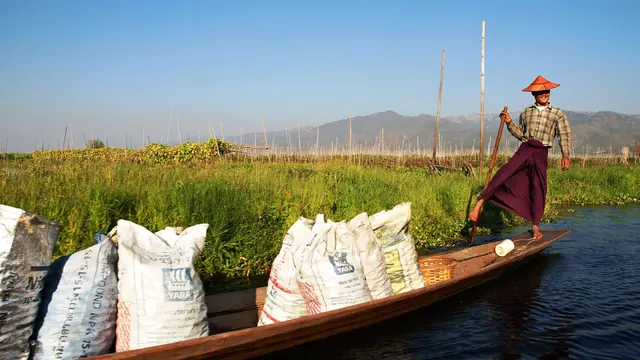
Myanmar is better on foot in the hills. The walk from Kalaw to Inle Lake crosses pine ridges and farmland, and ends at a lake of stilt houses and leg-rowing fishermen. Mount Popa and slow Irrawaddy boat journeys fill the centre of the country, and the Mergui Archipelago offers diving and kayaking.
Where in Bangladesh: Sundarbans, Sylhet and Sreemangal, Chittagong Hill Tracts
Where in Myanmar: Inle Lake and Kalaw, Mergui Archipelago, Irrawaddy River, Mount Popa
Day trips
Myanmar gives each base far more to do. From Mandalay, the old royal capitals are within an hour, a river boat runs to the unfinished pagoda at Mingun, and the hill station of Pyin Oo Lwin is a drive up into the cool. Bago lies within reach of Yangon, and from Inle Lake you can visit the stupa forest at Kakku.
In Bangladesh, a base usually offers one good outing. That means Sonargaon and Panam City from Dhaka, if the traffic allows, Bagerhat from Khulna and the Puthia temples from Rajshahi. These are rewarding for history lovers, but they will not fill a week.
Where in Bangladesh: Khulna, Dhaka, Rajshahi, Bogura
Good for families
Both are hard going with young children, and both suit adventurous families with older ones. Myanmar has slightly gentler pleasures for them: boat rides on Inle Lake, horse carts and bicycles among the Bagan temples, and quiet beach days at Ngapali. Bangladesh has the Dhaka zoo, a Sundarbans boat trip and the tea gardens of Sreemangal, but its chaotic traffic and poor pavements make every day more tiring.
Where in Bangladesh: Sreemangal, Sundarbans
Getting around
Myanmar is somewhat easier to travel, mainly because visitors follow one set route. Yangon, Bagan, Mandalay and Inle are linked by short flights and overnight buses, and once there you get around by e-bike, boat or hired driver. The catch is that large areas are closed or need permits.
Bangladesh takes more patience. Dhaka's gridlock is notorious and its metro covers only part of the city, the highways are congested and dangerous, and many visitors hire a car with a driver. Domestic flights to Cox's Bazar and Sylhet save the most time, and an overnight river launch to the south is the memorable way to go.
Where in Bangladesh: Sylhet and Sreemangal, Dhaka
Shopping & style
There is little to choose between them, and in both the shopping is crafts rather than fashion. Bangladesh is the place for textiles: handwoven jamdani saris, embroidered nakshi kantha quilts and cottons from Tangail, sold in Dhaka's craft emporiums and the crowded New Market.
Myanmar's crafts are spread around the circuit: lacquerware from the Myinkaba workshops at Bagan, lotus-silk weaving at Inle, and gold leaf and wood carving in Mandalay. Bogyoke Aung San Market in Yangon gathers it all under one colonial roof, but buy gems there with care.
Where in Bangladesh: Dhaka, Tangail, Rajshahi
Affordability
Both are cheap, but Bangladesh goes further. Rickshaws, trains, guesthouses and the biryani houses of Old Dhaka cost very little. Rajshahi sees so few foreigners that prices stay entirely local, and the tea-garden eco-resorts around Sreemangal are good value for their comfort.
In Myanmar, Kalaw and its guided walk to Inle Lake are the bargain, and Mandalay is good value too. Costs rise with Yangon's overpriced hotel rooms, the foreigner zone fees at Bagan and Inle, and the domestic flights most visitors take between regions.
Where in Bangladesh: Old Dhaka, Sylhet and Sreemangal, Rajshahi
Where in Myanmar: Kalaw, Mandalay, Yangon
Live music & performing arts
Neither offers much of a regular programme, but the traditions differ. Bangladesh's music runs deep, with the songs of Tagore and Nazrul, Baul singers at festivals around Kushtia, and Bengali theatre at Dhaka's Shilpakala Academy. Most of it is in Bengali and hard to find without local contacts.
Myanmar's version is easier for a visitor to catch. You can see marionette shows in small Mandalay theatres, and if you happen on a dry-season pagoda festival, the all-night zat pwe of music, dance and comedy.
Where in Bangladesh: Dhaka, Kushtia
Where in Myanmar: Mandalay, Yangon
Wellness & relaxation
Myanmar is clearly the better place to unwind. Yangon's monasteries take foreign students for serious vipassana retreats, Burmese massage is offered everywhere, and the resort spas at Inle Lake and Ngapali come with slow days and quiet evenings.
Bangladesh's loud, crowded cities give little rest. The one real exception is a tea-estate eco-resort near Sreemangal, with mornings in the gardens and evenings on the veranda.
Where in Bangladesh: Sreemangal
When should you go?
Pick your month, and for a country the place in it. The climate figures are measured averages, not a forecast.
Where in Bangladesh
Where in Myanmar
Dhaka (Bangladesh) in July
Yangon (Myanmar) in July
Daytime high, °C
Rainfall in the month, mm
Temperature and rainfall are climate normals, averaged over the years shown. Dhaka (Bangladesh): 1945-2025, 18 years observed (sunshine 1991-2020, rainfall 1991-2020) normals, Dhaka (4.4 km from centre). Yangon (Myanmar): 1991-2020 normals, Yangon (3.2 km from centre).
Both countries are at their best in the same window, roughly November to February, when the rain stops and the heat eases. Dhaka is pleasant for walking at about 25°C in January, but it is hot from March onwards. In Cox's Bazar the dry, sunny weather lasts into March, and the sea warms through spring. Then the monsoon hits the coast hard, with around 913mm of rain in July, and the water turns rough and unsafe.
Myanmar's lowlands heat up sooner. Bagan reaches 39°C in April, far too hot for cycling between temples. Inle Lake stays mild, around 24°C in December and January, which makes it the place to escape the heat. From May to October Yangon and the beaches are under heavy rain. Bagan sits in a dry zone, though, and gets only moderate rain even in the monsoon, so the temples stay possible in the wet months while Bangladesh's coast and delta do not.
Which traveller are you?
On a culture and arts trip, choose Myanmar. Its great monuments sit along the route most visitors take anyway, so a week or two can run from temple plain to pagoda to royal capital without detours. Bangladesh's heritage takes long overland journeys, one site at a time.
For a beach and sun trip, Myanmar is the only real option. Ngapali gives you quiet pale sand and palms for a proper few days of rest between November and April. Bangladesh's coast is better for a curious walk along the shore than for days of swimming.
On a trip on a tight budget, Bangladesh makes money last longest. Street snacks like fuchka and jhalmuri, roadside tea stalls and slow but pleasant trains keep daily spending tiny. Myanmar is cheap too, but its usual circuit relies on flights, hired drivers and boat hire.
More comparisons
Each shares a side with Bangladesh or Myanmar.
Where else could you go?
Set Bangladesh or Myanmar against any other country.