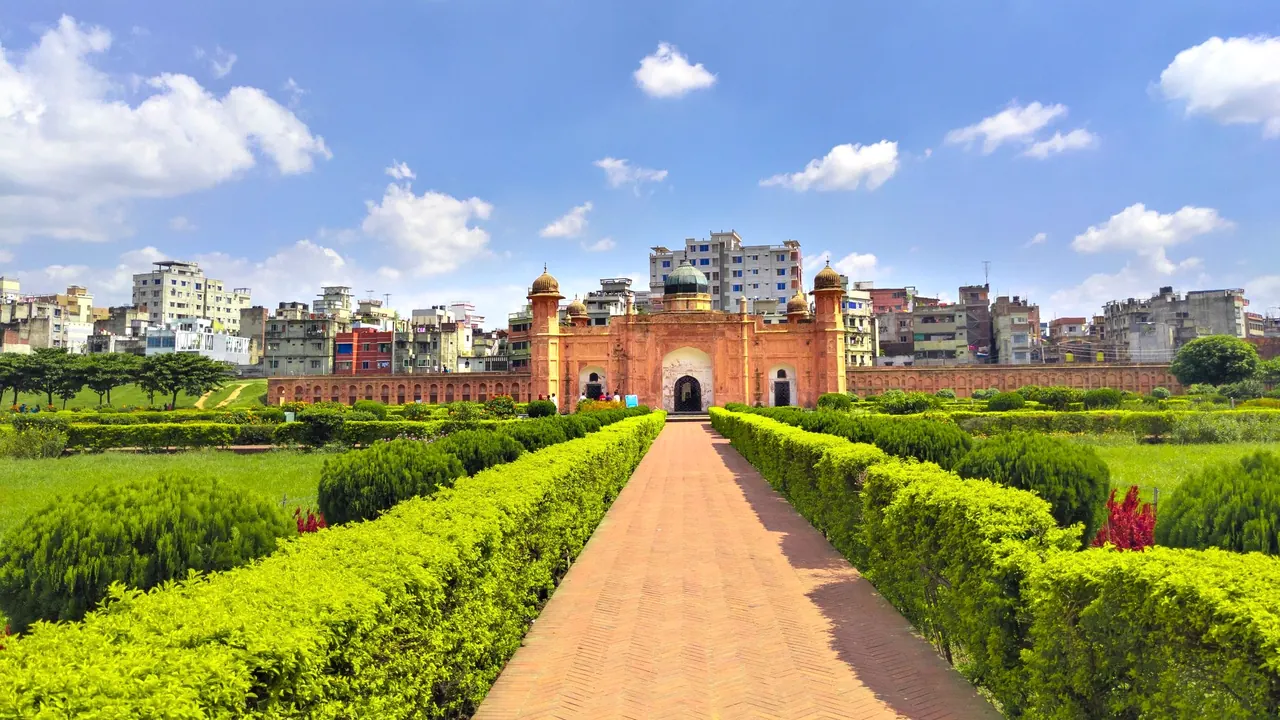
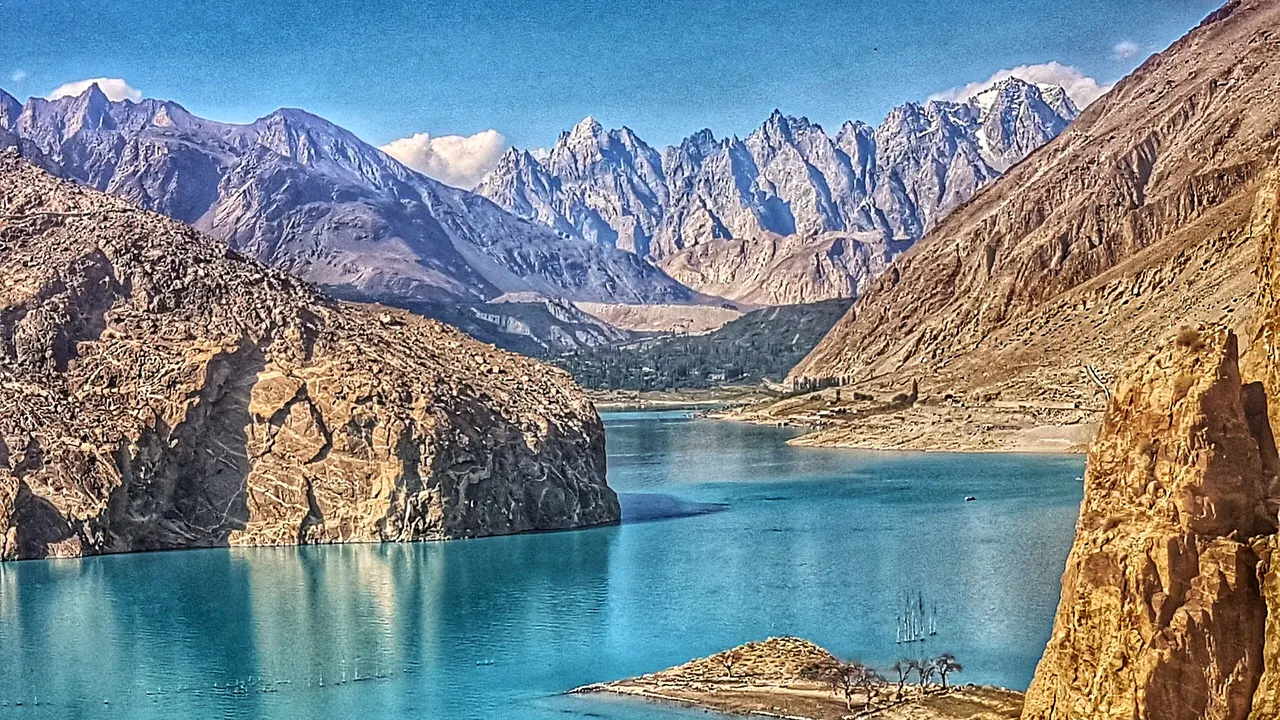
Photos: Bangladesh by Sohid Hasan, Pexels License; Pakistan by Ibad ali Momin, CC BY-SA 4.0, cropped.
Bangladesh or Pakistan?
Our verdict in twelve categories, each scored against the same fixed benchmark cities, and the climate month by month, so you can choose for your trip.
Choose Bangladesh for
- beaches
Bangladesh suits a traveller who likes water more than height: a few days on boats in the Sundarbans mangroves, a stay among the tea gardens of Sreemangal, Mughal lanes in Old Dhaka and a long walk on the sand at Cox's Bazar. It is a flat, green, river-bound country. It rewards patience and curiosity, and it has the better coast of the two, though nobody would call it a beach destination.
Choose Pakistan for
- nature and the outdoors
- culture and sights
- day trips
Pakistan is the stronger choice for most other trips. The northern mountains around Hunza, Skardu and Nanga Parbat are on another scale from anything in the delta, Lahore packs more great monuments into one city than Bangladesh has anywhere, and the food changes from Lahore to Peshawar to Quetta. For anyone who wants landscape, history and eating in one journey, this is the richer country.
Scoreboard
Twelve categories on one fixed scale from 0 to 100. The shaded stretch is the gap between the two.
Your match
Pick a travel style or drag the sliders, and both match scores follow your weighting.
Wins on beaches with your weighting.
Wins on nature and the outdoors and culture and sights with your weighting.
What matters to you?
Category by category
What the scores mean for a trip.
Beaches & swimming
Bangladesh has the better coast, though only just. Cox's Bazar is one unbroken strand of sand along the Bay of Bengal, and Saint Martin's Island, a small coral island, has clear water and quiet sand that Pakistan's mainland beaches cannot match. Kuakata adds sunrise and sunset over the sea.
Pakistan's beaches around Karachi are mostly city promenades, with sandier spots such as Hawke's Bay and Sandspit suited to a day under a rented hut. The beautiful Makran coast is a long road trip with few beds. In both countries most people bathe fully clothed and the monsoon makes the sea unsafe, so the beach works best as a side trip.
Where in Bangladesh: Cox's Bazar, Saint Martin's Island, Kuakata
Where in Pakistan: Makran coast, Karachi
Food & drink
Pakistan offers more variety. Lahore alone, with its nihari breakfasts, karahi cooked to order and late food streets below the Badshahi Mosque, would justify the trip. Karachi's Burns Road, Peshawar's roast lamb at Namak Mandi and Quetta's sajji each add a different regional style.
Bangladesh cooks differently: river fish, above all hilsa in mustard, mashed bhorta with rice, and a sweet-shop culture of roshogolla and mishti doi. Old Dhaka's kacchi biryani is its strongest card. Pakistani cooking is built around meat, while Bengali food is built around fish, rice and sweets. In both countries alcohol is scarce and street food calls for some care.
Where in Bangladesh: Old Dhaka, Chittagong, Sylhet and Sreemangal
Culture & sights
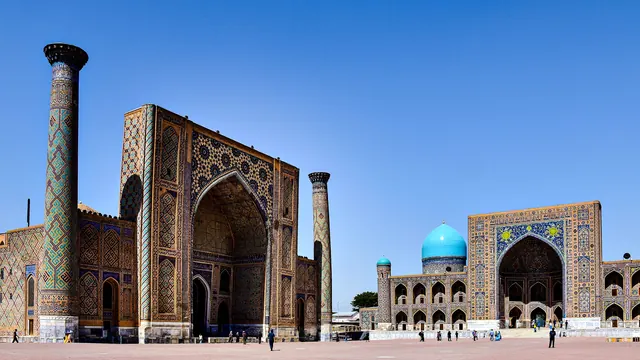
Pakistan's heritage is deeper and easier to see in one place. Lahore's fort, the Badshahi and Wazir Khan mosques and the Shalimar Gardens sit close together. Beyond the city are the Indus ruins of Mohenjo-daro, the Makli necropolis, Taxila's Gandhara monasteries and the tiled Sufi shrines of Multan.
Bangladesh has fine pieces spread thinly. In Old Dhaka there are Lalbagh Fort, the pink Ahsan Manzil and the Star Mosque, and the brick mosque city of Bagerhat and the monastery ruins at Paharpur are well worth the journey. Seeing them all, though, means long trips between regions, and the museums are modest.
Where in Bangladesh: Old Dhaka, Bagerhat, Paharpur and Mahasthangarh, Dinajpur and Puthia
Where in Pakistan: Lahore, Sindh, Taxila, Multan
Nightlife
Neither country has a nightlife scene. The small differences are in what an evening means. In Bangladesh a drink is possible in a few licensed hotel bars and private clubs in Dhaka's Gulshan and Banani. Pakistan has no public bars at all, but its food streets in Lahore and on Karachi's Burns Road stay full well past midnight, so a late dinner there feels more like a night out.
Nature & outdoors
This is where the two differ most. Northern Pakistan is high-mountain country where the Karakoram, Himalaya and Hindu Kush meet. From Hunza you see the orchards below Rakaposhi and the glaciers at Passu, and from Skardu treks lead to Concordia and K2. The Swat and Kaghan valleys offer gentler hills and lakes.
Bangladesh's nature is low and watery. The Sundarbans, the largest mangrove forest in the world, is explored by boat over two or three days. Sylhet and Sreemangal add tea estates and the gibbons of Lawachara, and the Chittagong Hill Tracts have forested hills. The seasons complement each other: the Sundarbans are best in winter, Pakistan's mountains in summer.
Where in Bangladesh: Sundarbans, Sylhet and Sreemangal, Chittagong Hill Tracts
Where in Pakistan: Hunza Valley, Skardu and Baltistan, Fairy Meadows and Nanga Parbat, Swat Valley
Day trips
Pakistan gives a base more to do. Islamabad is the best of them, with Taxila under an hour away, Murree and Katas Raj nearby, and Rohtas and Peshawar's old city within reach on the motorway. From Karachi, the Makli necropolis, Thatta and Banbhore all fit into a day.
In Bangladesh each base has one or two good outings rather than a list. From Dhaka you can visit Sonargaon and Panam City, from Khulna the mosques of Bagerhat, and from Bogura Paharpur. The routes interest history lovers, but the slow roads make every day out a long one.
Where in Bangladesh: Khulna, Dhaka, Rajshahi, Bogura
Good for families
Both are hard going with young children: children are warmly welcomed but little is built for them, traffic is chaotic and food needs care. Each suits adventurous families with older children in its own way. In Pakistan, summer means escaping the plains to the cool valleys of Murree, Swat and Hunza, as local families do. In Bangladesh, the high points are a boat trip through the Sundarbans or a quiet stay in Sreemangal's tea gardens in the dry winter.
Where in Bangladesh: Sreemangal, Sundarbans
Where in Pakistan: Hunza Valley, Lahore, Swat Valley
Getting around
Pakistan is a little easier, mainly thanks to the fast motorways linking Islamabad, Lahore and Peshawar. Its weak point is the north, where flights to Skardu and Gilgit depend on the weather and the Karakoram Highway can close after landslides.
Bangladesh's distances are shorter, but Dhaka's gridlock and congested highways eat time. Domestic flights to Sylhet, Chittagong and Cox's Bazar help, and an overnight river launch to the south is an experience in itself. In both countries most visitors end up hiring a car with a driver.
Where in Bangladesh: Sylhet and Sreemangal, Dhaka
Shopping & style
Both countries are strongest on cloth, but Pakistan offers more. Lahore combines Anarkali's bazaar lanes with Liberty Market's designer lawn and bridal wear and tailors who make a suit in days. Peshawar's Qissa Khwani has carpets and copper, and Multan has its blue pottery.
In Bangladesh, textiles are the reason to shop: jamdani saris, nakshi kantha quilts and Tangail cotton and silk, found in Dhaka's craft emporiums or where they are made. Outside the capital there is little beyond everyday markets.
Where in Bangladesh: Dhaka, Tangail, Rajshahi
Affordability
Both are among the cheapest places a traveller can go, and daily costs barely differ. What changes is where money buys the most. In Bangladesh it is the tea-garden eco-resorts of Sylhet and Sreemangal, while Pakistan's equivalent is a family guesthouse in Hunza with home cooking.
The bigger costs differ too. In Bangladesh they are the organised Sundarbans boat trips and peak-season hotels at Cox's Bazar. In Pakistan they are the car and driver for long road days and the guided treks in the north.
Where in Bangladesh: Old Dhaka, Sylhet and Sreemangal, Rajshahi
Where in Pakistan: Lahore, Peshawar, Hunza Valley
Live music & performing arts
Pakistan's live tradition is easier for a visitor to find. Qawwali is sung at Lahore's Data Darbar and the shrines of Multan on Thursday evenings, and the drumming dhamaal at Sehwan Sharif is unforgettable.
Bangladesh is just as musical, with Tagore's songs and the Baul singers whose festivals gather around Kushtia. It also has serious Bengali theatre at Dhaka's Shilpakala Academy. Outside the festivals, though, the language and the lack of regular venues make it hard for a visitor to catch.
Where in Bangladesh: Dhaka, Kushtia
Wellness & relaxation
Neither country has a spa or bathing tradition for visitors, so rest means finding a quiet place rather than booking treatments. In Bangladesh that means the tea estates of Sreemangal, with veranda evenings in green lowland. Pakistan offers mountain air in the guesthouses of Hunza and Skardu, plus simple roadside hot springs such as Tatta Pani.
Where in Bangladesh: Sreemangal
Where in Pakistan: Hunza Valley, Skardu and Baltistan
When should you go?
Pick your month, and for a country the place in it. The climate figures are measured averages, not a forecast.
Where in Bangladesh
Where in Pakistan
Dhaka (Bangladesh) in July
Lahore (Pakistan) in July
Daytime high, °C
Rainfall in the month, mm
Temperature and rainfall are climate normals, averaged over the years shown. Dhaka (Bangladesh): 1945-2025, 18 years observed (sunshine 1991-2020, rainfall 1991-2020) normals, Dhaka (4.4 km from centre). Lahore (Pakistan): 1991-2020 (sunshine 1961-1990) normals, Lahore City (1 km from centre).
Bangladesh has one clear season. From November to February the air is dry and comfortable, with Dhaka around 25°C in January. This is the time for the Sundarbans, the heritage sites and the beach at Cox's Bazar, where the sea stays warm all year. By April the heat is heavy, and from May to October the monsoon takes over. Cox's Bazar gets about 913mm of rain in July, the sea turns rough and travel slows everywhere.
Pakistan's seasons depend on where you go. Lahore, Islamabad and Karachi are best from October to March, while May and June on the plains reach about 39°C, too hot for walking the streets. Karachi stays dry for most of the year. The north works the other way round: Hunza is pleasant from May to October, reaching about 31°C in July, but in January it is a cold 4°C. In winter the two countries line up, with the plains of both at their best. In summer only northern Pakistan is a good place to be.
Which traveller are you?
On a beach and sun trip, Bangladesh is the better of two modest options. Cox's Bazar has over 100km of sand and Saint Martin's Island has clearer water, while Pakistan's best coast on the Makran needs a separate expedition.
For an outdoors trip, Pakistan wins clearly. The Hunza valley, the Baltoro Glacier towards K2 and Fairy Meadows beneath Nanga Parbat are among the great mountain landscapes. The Sundarbans mangroves and Sylhet's tea hills are lovely, but they are gentler and smaller.
More comparisons
Each shares a side with Bangladesh or Pakistan.
Where else could you go?
Set Bangladesh or Pakistan against any other country.