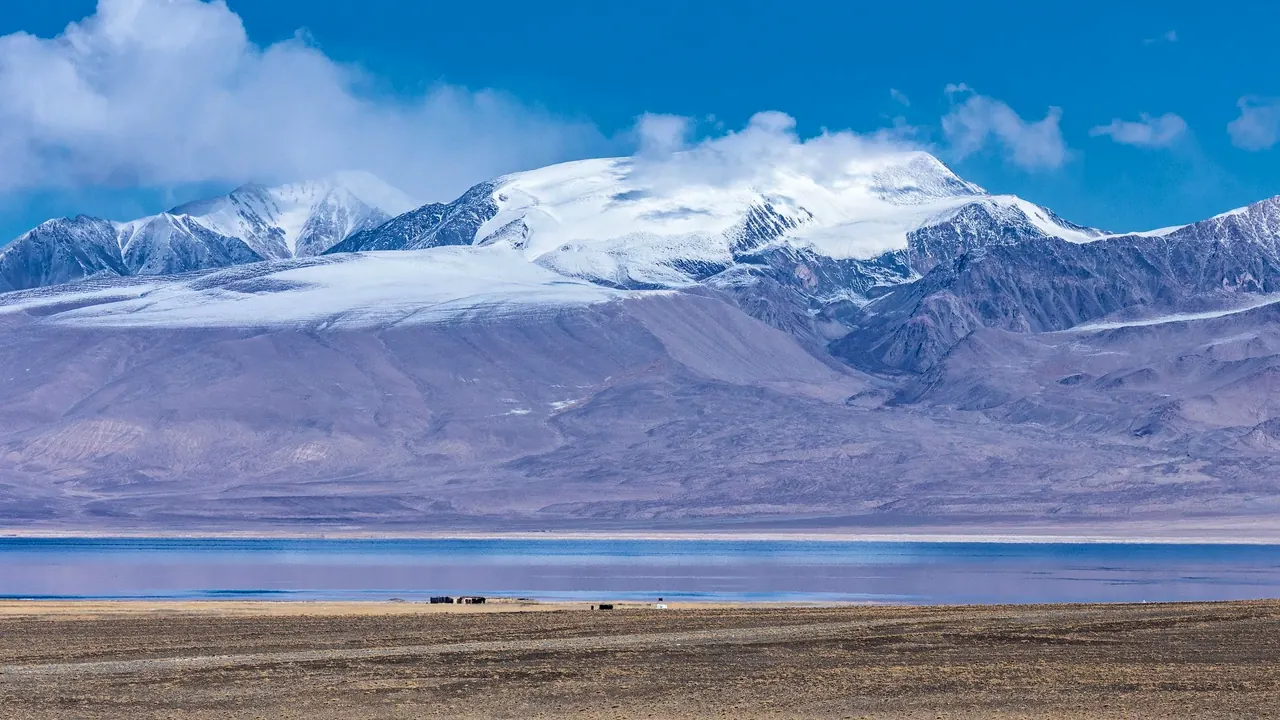
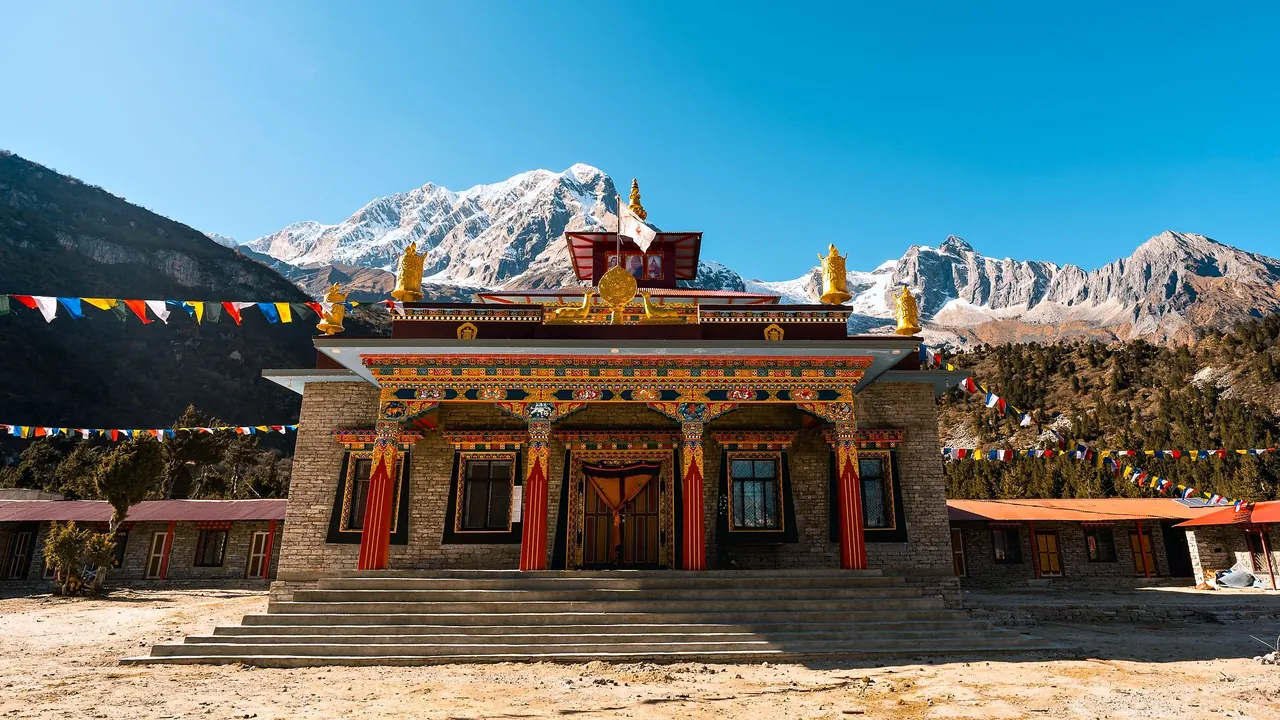
Photos: Tajikistan by Miraliyon, CC BY-SA 4.0, cropped; Nepal by Arjay Neyra, Pexels License.
Tajikistan or Nepal?
Our verdict in twelve categories, each scored against the same fixed benchmark cities, and the climate month by month, so you can choose for your trip.
Choose Tajikistan for
- beaches
- live music and the arts
Tajikistan suits a traveller who has already done the classic mountain trips and wants something rawer for a summer vacation. The Fann Mountains, the Pamir Highway across the high plateau and the Wakhan Valley facing the Hindu Kush feel remote and little travelled. Sogdian ruins at Panjakent and the bazaars of Khujand add a Silk Road layer. In return you accept homestay comforts, long jeep days and very little to do in the evenings.
Choose Nepal for
- culture and sights
- day trips
- nightlife
Nepal is the stronger all-round choice, and the easier one for a first big mountain journey. Teahouse trekking in the Annapurna and Everest regions is unmatched, the temple squares of the Kathmandu Valley give you days of sightseeing between walks, and Chitwan adds rhinos and jungle. It also costs less and has more to eat, buy and do in the towns. It suits anyone travelling in autumn or spring rather than high summer.
Scoreboard
Twelve categories on one fixed scale from 0 to 100. The shaded stretch is the gap between the two.
Your match
Pick a travel style or drag the sliders, and both match scores follow your weighting.
Wins on beaches and live music and the arts with your weighting.
Wins on culture and sights and day trips with your weighting.
What matters to you?
Category by category
What the scores mean for a trip.
Beaches & swimming
Neither country has a coast, so beaches have no real place on either trip. Tajikistan has a slight edge because there is somewhere to swim. In the hot months local families swim and picnic at the Kayrakkum reservoir near Khujand, and the turquoise lakes of the Fann Mountains are good for a quick, very cold dip.
In Nepal, Phewa Lake at Pokhara is for rowing boats and mountain reflections, and the glacial rivers are for rafting, not bathing.
Where in Tajikistan: Kayrakkum Reservoir
Food & drink
Nepal eats better. Dal bhat and momos are everywhere, but the Newari cooking of Patan, Bhaktapur and old Kathmandu adds spiced buffalo, beaten rice, lentil pancakes and Bhaktapur's sweet yoghurt. Thakali sets around Pokhara are worth trying too, and Thamel and Lakeside have international menus when you tire of rice and lentils.
Tajikistan's cooking is heavier and built on mutton and bread. Qurutob shared from a wooden platter is the dish to find, along with plov and shashlik. Dushanbe has the only real range of restaurants. The highlight is fruit: Khujand's Panjshanbe bazaar is piled with melons and apricots in late summer.
Where in Tajikistan: Dushanbe, Khujand
Culture & sights
Nepal is far ahead here. The Kathmandu Valley holds pagoda temples, palaces and carved windows in three royal cities within easy reach of each other. Swayambhunath, Boudhanath and the cremation ghats of Pashupatinath are still in daily religious use. Lumbini, the Buddha's birthplace, is a separate journey to the plains.
Tajikistan's heritage is older in places but thinly spread. Highlights include the reclining Buddha in Dushanbe's National Museum of Antiquities, the excavated Sogdian city at Panjakent with Bronze Age Sarazm nearby, and the old quarters of Khujand and Istaravshan. The Wakhan fortresses and the stupa at Vrang can only be seen as part of a long Pamir journey.
Where in Tajikistan: Panjakent, Dushanbe, Khujand, Wakhan Valley
Where in Nepal: Kathmandu Valley, Patan, Bhaktapur, Lumbini
Nightlife
Neither country is a place to go out, but Nepal at least has somewhere to celebrate. Thamel's rooftop bars and cover-band pubs fill with trekkers at the end of a route, and Pokhara's Lakeside has a slower string of bars by the water.
In socially conservative Tajikistan, a summer evening usually means a café on Rudaki Avenue or in Dushanbe's parks, plus a few bars and hotel lounges. Outside the capital, evenings end over tea in a guesthouse.
Where in Tajikistan: Dushanbe
Nature & outdoors
Both are mountain countries first, and Nepal has the edge in both scale and range. Teahouses on the Annapurna, Everest and Langtang routes let you walk for two weeks without a tent. The lowlands add rhinos, gharials and tigers in Chitwan and Bardia, and you can raft the Trishuli or paraglide above Pokhara.
Tajikistan's mountains are emptier and rougher. The Fann Mountains, with Iskanderkul and the Seven Lakes, are the easiest way in. The Bartang Valley and the high plateau of the Pamir Highway are true wilderness, with homestays and camps rather than a chain of lodges. The trekking season is June to September, exactly when Nepal's monsoon hides the peaks.
Where in Tajikistan: Fann Mountains, Pamir Mountains, Wakhan Valley, Bartang Valley
Where in Nepal: Annapurna region, Everest region, Chitwan National Park, Langtang
Day trips
Nepal gives you far more to do from a single base. From Kathmandu you can spend a day in the Newar towns: Kirtipur on its ridge, Bungamati and Khokana with their old crafts, Changu Narayan, the Valley's oldest temple, or Panauti and Dhulikhel. From Pokhara, the hill bazaar of Bandipur is about two hours away.
Tajikistan's outings mostly lead into the mountains. The exceptions are the Hisor fortress from Dushanbe, Istaravshan from Khujand, and Sarazm just outside Panjakent. Samarkand is about an hour beyond the Uzbek border from Panjakent, a fine day out if the crossing is open.
Where in Tajikistan: Panjakent, Khujand, Dushanbe
Where in Nepal: Kathmandu Valley, Panauti and Dhulikhel, Bandipur
Good for families
Nepal has a few outings children genuinely enjoy, and Tajikistan has very few. In Tajikistan, the parks, fountains and small amusement park in Dushanbe are about all that is made for them. Older children who like hiking can manage Iskanderkul and the Fann Mountains, but long jeep days on rough roads and the altitude in the Pamirs make the trip hard with little ones.
Nepal is the easier choice. Pokhara is a gentle base, with boats on Phewa Lake and paragliders landing by the shore. Chitwan's jeep and canoe trips past rhinos and crocodiles are the highlight for older children, and fit families can manage the ridge walk to Poon Hill.
Where in Tajikistan: Dushanbe, Iskanderkul, Fann Mountains
Where in Nepal: Pokhara, Chitwan National Park
Getting around
Both countries are slow and need spare days, but the difficulties differ. Nepal relies on short domestic flights to Pokhara, Bharatpur, Bhairahawa and Lukla, often delayed by cloud. Otherwise you face a day-long drive between Kathmandu and Pokhara. Once there, the old cores of Kathmandu, Patan and Bhaktapur and Pokhara's Lakeside are easy on foot.
In Tajikistan, shared taxis from fixed stands cover the north. The Pamirs mean days in a hired four-wheel drive on broken roads, plus a separate permit for Gorno-Badakhshan, and the one flight to Khorog depends on the weather.
Where in Tajikistan: Dushanbe, Khujand
Shopping & style
Nepal has the better range of crafts, as long as you look past Thamel's mass-produced singing bowls and pashmina. Look for cast bronze in Patan, pottery and carved wood in Bhaktapur, and thangka paintings around Boudhanath.
Tajikistan's shopping is more about textiles and bazaars. Buy suzani hangings, chakan embroidery and toki skullcaps, knives from Istaravshan's workshops, and hand-knitted wool socks from Pamir homestays. The domed Panjshanbe bazaar in Khujand is the place to shop. Neither country has fashion or luxury retail.
Where in Tajikistan: Khujand, Istaravshan, Dushanbe
Where in Nepal: Patan, Bhaktapur, Thamel, Kathmandu, Boudhanath
Affordability
Both are inexpensive, and Nepal is cheaper still, with comfortable mid-range hotels well within reach in Kathmandu and Pokhara. Your money goes on the activities: trekking permits, guides and porters, mountain flights and Chitwan safari lodges.
In Tajikistan, homestays with meals in the Fann Mountains and teahouse food in Khujand cost little. The Pamirs are the expensive part, because a four-wheel drive with driver is hard to afford alone. Dushanbe's better hotels also cost well above the rest of the country.
Where in Tajikistan: Fann Mountains, Khujand, Dushanbe
Live music & performing arts
Formal stage life is thin in both, so the difference is in kind. Tajikistan has an actual opera house, the Soviet-era Ayni Opera and Ballet Theatre in Dushanbe, though its programme is irregular. Its deeper heritage is Shashmaqom, falak songs and Pamiri rubab music, which you are most likely to hear at a wedding or a Wakhan homestay.
In Nepal, the memorable performances are religious and seasonal: devotional singing at Swayambhunath and Pashupatinath, and masked dances and chariot processions at festivals such as Indra Jatra. Tharu stick dances around Chitwan and dinner shows fill in the rest.
Where in Tajikistan: Dushanbe, Wakhan Valley
Where in Nepal: Kathmandu Valley, Chitwan National Park
Wellness & relaxation
Nepal is the better place to slow down, through retreat rather than bathing. You can join a Buddhist meditation course in the monasteries around Boudhanath, stay at a yoga centre on Pokhara's quiet lakeside, or get a cheap massage after a trek. Tatopani's hot springs are a simple soak on the Annapurna side.
Tajikistan has the stronger bathing tradition, though a rustic one. You can bathe in the Bibi Fatima rock pool above Yamchun and on the mineral terraces of Garm Chashma, or take radon baths at the Soviet-built sanatorium of Khoja Obi Garm. Otherwise, rest comes from quiet valleys.
Where in Tajikistan: Wakhan Valley, Garm Chashma, Khoja Obi Garm
Where in Nepal: Pokhara, Boudhanath, Kathmandu Valley, Annapurna region
When should you go?
Pick your month, and for a country the place in it. The climate figures are measured averages, not a forecast.
Where in Nepal
Dushanbe (Tajikistan) in July
Kathmandu (Nepal) in July
Daytime high, °C
Rainfall in the month, mm
Temperature and rainfall are climate normals, averaged over the years shown. Dushanbe (Tajikistan): 1991-2020 normals, Dushanbe (2.6 km from centre). Kathmandu (Nepal): 1991-2020 normals, Kathmandu Airport (4.7 km from centre).
The two countries peak at opposite times of year. Tajikistan is a summer destination. From June to September Dushanbe is almost rainless, and these are the only months the high passes and Pamir treks are realistic. The capital itself is very hot, though, reaching 37°C in July, so the lowland towns are better for walking in May or early October. Winter and spring are the wet season, with April the wettest month at 154mm, and snow closes the mountains.
Nepal works the other way round. The monsoon from June to September soaks the hills, with Pokhara taking 674mm in July, and cloud hides the peaks. October and November are the classic season, dry and clear, with Kathmandu down to 7mm of rain in November and long sunny days. December to February stay mild in Kathmandu and Pokhara, and spring is warm, with rhododendrons in flower before the rains build again in May.
Which traveller are you?
For a culture and arts trip, Nepal is the clear pick. Tajikistan's Sogdian ruins at Panjakent and the Wakhan fortresses lie days apart, while the Kathmandu Valley fits three Durbar Squares, Patan's museum and living shrines such as Boudhanath into a small area.
On a tight budget, Nepal goes further. Homestays in Tajikistan's Fann Mountains are cheap, but hiring a Pamir jeep alone is not. In Nepal, guesthouses, dal bhat and buses cost very little, and the money goes on trekking permits, guides, porters and mountain flights.
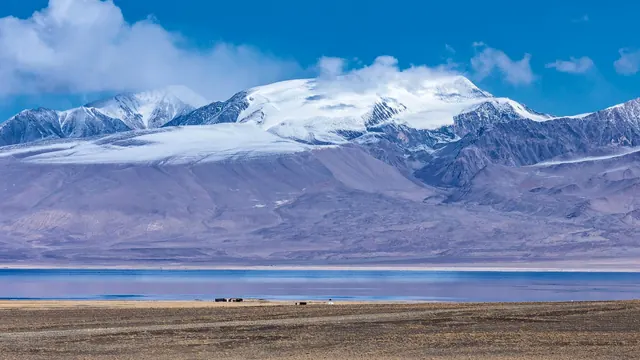
For an overland journey on the Pamir Highway, Tajikistan has something Nepal does not. In the dry summer months you cross the high desert around Murghab and Karakul, then follow the Wakhan Valley along the Afghan border, with hot springs and homestays on the way.
More comparisons
Each shares a side with Tajikistan or Nepal.
Where else could you go?
Set Tajikistan or Nepal against any other country.