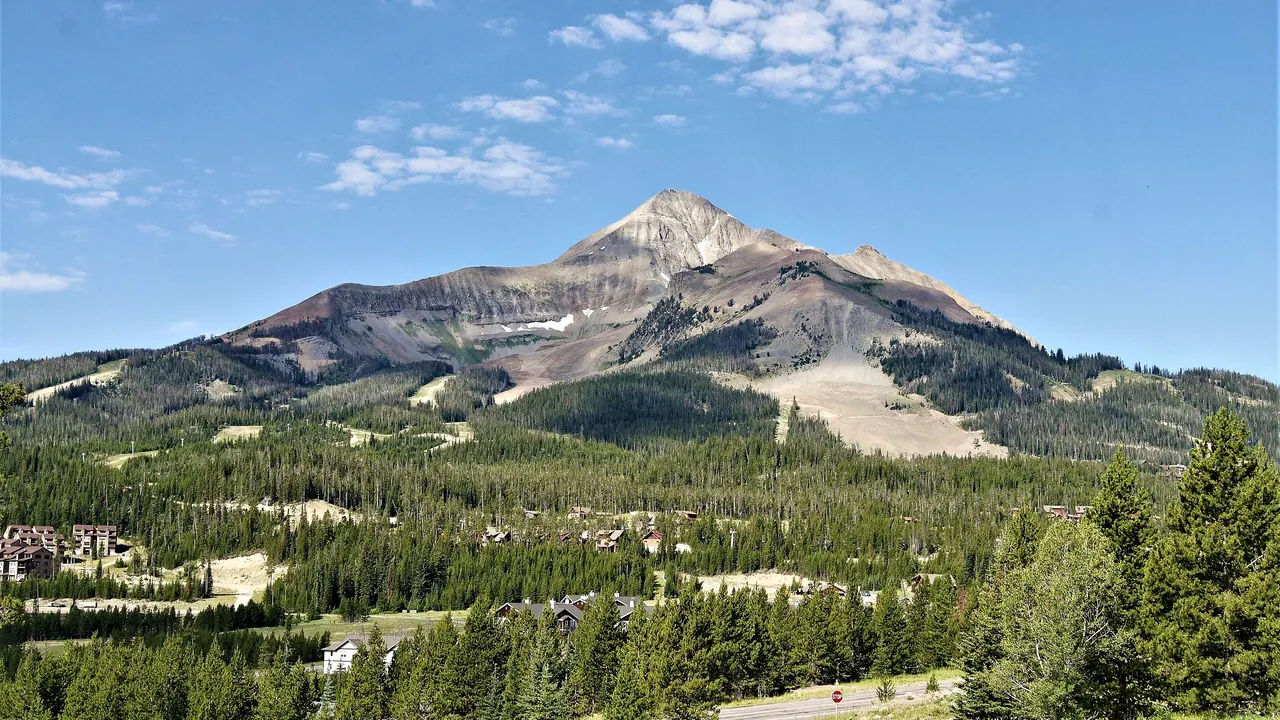
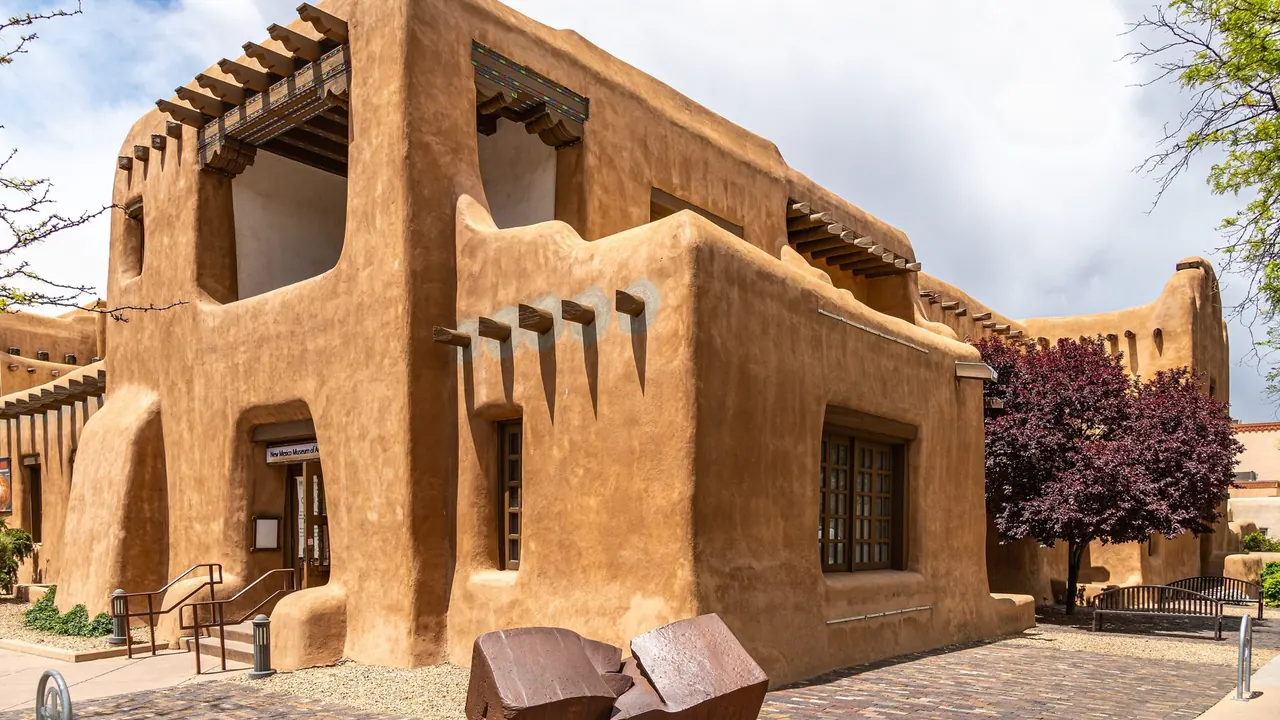
Photos: Big Sky by Greg Gjerdingen, CC BY 2.0, cropped; Santa Fe by dconvertini, CC BY-SA 2.0, cropped.
Big Sky or Santa Fe?
Our verdict in twelve categories, each scored against the same fixed benchmark cities, and the climate month by month, so you can choose for your trip.
Choose Big Sky for
- nature and the outdoors
- families
Big Sky is for travellers whose whole trip is the mountain. In winter that means long days on Lone Peak and a hot tub afterwards. In summer it means hiking the Spanish Peaks, fishing the Gallatin and driving to Yellowstone for geysers and bison. It suits active couples and outdoor families who are happy to pay resort prices and don't mind that evenings are quiet and that there is little to see beyond the landscape.
Choose Santa Fe for
- culture and sights
- shopping
- day trips
Santa Fe gives a broader trip. A 400-year-old adobe town, serious museums, its own cuisine and a summer opera sit at the foot of good hiking country. Choose it if you want art, history and chile as well as trails, and want day trips to pueblos and cliff dwellings. It costs less than Big Sky, though it is still not cheap, and it is the better choice for anyone who would be restless with only the outdoors.
Scoreboard
Twelve categories on one fixed scale from 0 to 100. The shaded stretch is the gap between the two.
Your match
Pick a travel style or drag the sliders, and both match scores follow your weighting.
Wins on nature and the outdoors and families with your weighting.
Wins on culture and sights and shopping with your weighting.
What matters to you?
Category by category
What the scores mean for a trip.
Beaches & swimming
Neither city has a beach, so a swim on either trip means a hotel pool. The difference is what comes closest. In Big Sky it is a cold, rocky river and a few small ponds. Around Santa Fe it is a lake outing to Abiquiu or a float on the Rio Grande.
Food & drink
Big Sky feeds skiers and hikers well, with bison, elk, trout and big breakfasts, but the choice is narrow, prices are high and some kitchens close between seasons.
Santa Fe has a cuisine of its own. Red and green chile, blue corn and posole are served in old adobe dining rooms, and there is a fine-dining tier and a long-running farmers' market in the Railyard. Food is a reason to go to Santa Fe. In Big Sky it is fuel.
Culture & sights
Big Sky was built in the 1970s, and apart from the Crail Ranch log cabins it is all lodges and condos. You go there for the scenery, not for its history.
Santa Fe was a Spanish colonial capital from 1610 and still looks the part, with low adobe walls around the Plaza, the Palace of the Governors and the Loretto Chapel's spiral staircase. Museum Hill and the Georgia O'Keeffe Museum add collections far larger than you would expect in a town this size. A culture-minded visitor could fill two or three days happily.
Nightlife
Both are early-to-bed places, and neither has a club. Big Sky's evenings revolve around après-ski: beer on sunny decks at the lift base, then a few taverns and canyon saloons, and almost nothing open outside the snow and summer seasons. Santa Fe has a little more going on. Evenings are built around a long dinner, a margarita on a rooftop at sunset and the livelier summer Plaza.
Nature & outdoors
Both are true mountain places, but Big Sky is built entirely around the outdoors. Lone Peak's steep terrain and huge ski area, wilderness hiking in the Spanish Peaks, fly fishing and rafting on the Gallatin, and Yellowstone's wildlife an hour south add up to a richer outdoor trip.
Santa Fe offers more variety than scale. There are piñon foothills at the edge of town and golden aspens on the ski road, with the Pecos Wilderness behind them. The desert side has the Valles Caldera crater and the red cliffs of Abiquiu. Its ski area is small, and its pleasures are the light and the contrasts rather than big mountain days.
Day trips
Outings from Big Sky mostly go further into the landscape. Bozeman, with its dinosaur museum, is the main town, and the gold-rush boardwalks of Virginia City are two hours away.
Santa Fe has a long list of places to visit. The High Road climbs through Chimayo to Taos Pueblo, Bandelier's cliff dwellings and Los Alamos are close, and Pecos, Ghost Ranch and the Turquoise Trail villages fill more days. You will want a car from either base, but Santa Fe's drives lead to history as well as scenery.
Good for families
Big Sky suits active families better. Ski school and beginner slopes make winter easy, and summer brings zip lines, ropes courses, gentle rafting and bison in Yellowstone. It has no rainy-day museums, though, and the high base takes some getting used to.
Santa Fe has a children's museum, the toys in the folk art collection and the ladders at Bandelier. Most of the town is still built around galleries and dinners, so it works best with older children who enjoy history and hiking.
Getting around
Both trips need a car for anything beyond the base. Santa Fe's historic core is easier to explore on foot, since the Plaza, Canyon Road and the Railyard are a short walk apart, and the Rail Runner train reaches Albuquerque. Big Sky stretches 15km along one road, with a free bus between its villages and ski-in lodgings at the top, but you cannot walk from one village to the next.
Shopping & style
In Big Sky, shopping means replacing gloves, buying a fly rod or looking at wildlife paintings, and serious shoppers drive to Bozeman.
Santa Fe is a destination for art and craft. Native American artists sell silver, turquoise and pottery directly under the Palace portal, galleries line Canyon Road, and the summer Indian, Spanish and Folk Art markets draw collectors from far away. Neither town is a place to buy fashion.
Affordability
Neither is a budget trip, but Big Sky is the harder one on the wallet. Slopeside lodging, lift passes, ski school and guided fishing all cost a lot, and the cheaper beds in the canyon or Bozeman mean more driving.
Santa Fe is pricey for its size, especially during the summer markets and opera season. Cheaper motels along Cerrillos Road help, and hiking, the Plaza and gallery browsing cost nothing, which makes the trip noticeably easier to manage.
Live music & performing arts
Santa Fe has the real draw: the open-sided opera house on its hill, where summer performances begin as the sun goes down over the desert. Add a chamber music festival, flamenco, and touring shows at the historic Lensic, and a midsummer visit has a full programme.
Big Sky offers a small arts centre in winter, free lawn concerts and a short classical festival in summer, and bands at après-ski, which is pleasant but limited.
Wellness & relaxation
In Big Sky, relaxing means a deck hot tub under the stars and a lodge spa massage for sore ski legs. The nearest natural springs are an hour away.
Santa Fe has more ways to unwind. There are onsen-style soaking tubs in the pines on the ski road, plenty of spas and yoga studios, and the old mineral pools of Ojo Caliente about an hour north. Quiet adobe courtyards help too.
When should you go?
Pick your month. The climate figures are measured averages, not a forecast.
Big Sky in July
Santa Fe in July
Daytime high, °C
Rainfall in the month, mm
Where the figures come from
Big Sky has no weather station within reach, so its figures come from a gridded climate model rather than a measured record, and read a broad area rather than the city itself.
Santa Fe's station stands 199 m below the city centre, so the centre is likely a little cooler than the figures say.
Santa Fe has no rain gauge within 25 km of the centre, so its rainfall comes from a gridded climate dataset read at the city rather than from a gauge further away.
Temperature and rainfall are climate normals, averaged over the years shown. Big Sky: 2001-2020 normals, NASA POWER reanalysis grid, no weather station within 90 km. Santa Fe: 1991-2020 normals, Santa Fe / Cieneguilla (12.4 km from centre).
Big Sky has two clear seasons. Snow covers the mountain from late autumn into April, with midwinter highs around -4°C, which is weather for skiing and little else. July and August make up the summer window. Days are warm at around 26°C and these are the driest months of the year, so they suit hiking, rafting and the drive to Yellowstone. April to June is the wettest stretch, as the snow melts and the showers set in, and from September the air cools quickly towards winter.
Santa Fe is warmer all year, and from autumn through to early summer it is much drier than Big Sky. Winter days are cool but often fine for walking around the Plaza. Summer reverses the pattern. June and July reach about 31°C, so walks and hikes are best started early, and July and August bring the rains, about 60mm a month, which is wetter than Big Sky in the same weeks. September stays warm but still sees a fair amount of rain. October is cooler and drier, with the aspens turning gold on the ski road, and it is the most comfortable month for both the town and the trails.
Which traveller are you?
On an outdoors trip, Big Sky is the stronger choice. It has one of North America's largest ski areas, wilderness trails into the Spanish Peaks, fly fishing on the Gallatin and Yellowstone an hour away. Santa Fe's mountains and mesas are fine, but they don't match it.
For a culture and arts trip, choose Santa Fe without hesitation. It has adobe churches, the Palace of the Governors, Museum Hill, the O'Keeffe Museum, Canyon Road's galleries and a summer opera. Big Sky has a single homestead museum and very little else.
On a family trip with children, Big Sky works better. Ski school, gentle slopes, a summer adventure park, horse riding and bison-spotting keep children busy. Santa Fe is safe and pleasant, but its galleries and long dinners suit older children more than young ones.
Before you go
| Measure | Big Sky | Santa Fe |
|---|---|---|
| Currency | US Dollar (USD) | US Dollar (USD) |
| Sockets | AB120 V, 60 Hz | AB120 V, 60 Hz |
| Driving side | Right | Right |
| Time zone | UTC-7, UTC-6 in summer | UTC-7, UTC-6 in summer |
| Emergency number | 911 | 911 |
| Elevation | 2,200 m | 2,134 m |
| Main airport | Bozeman Yellowstone International Airport (BZN)59 km from centre27 non-stop destinations | Santa Fe Municipal Airport (SAF)12 km from centre5 non-stop destinations |
| Public holidays this year | 12 days | 13 days |
By the numbers
| Measure | Big Sky | Santa Fe |
|---|---|---|
| City population | 3,591 | 87,505 |
| People per km² | 12 | 645 |
| Museums within 10 km | 0 | 10 |
| UNESCO World Heritage sites within 50 km | 0 | 0 |
Where else could you go?
Every comparison below shares a destination with this one, so you can follow Big Sky or Santa Fe somewhere new.
- Taosvs Santa Fe
- Albuquerquevs Santa Fe
- Jackson Holevs Big Sky
- Durango, Coloradovs Santa Fe
- Sun Valleyvs Big Sky
- Telluridevs Santa Fe