Photos: Bogota by Bernard Gagnon, CC BY-SA 4.0, cropped; Salento by Bernard Gagnon, CC BY-SA 4.0, cropped.
Bogota or Salento?
Our verdict in twelve categories, each scored against the same fixed benchmark cities, and the climate month by month, so you can choose for your trip.
Choose Bogota for
- nightlife
- live music and the arts
- culture and sights
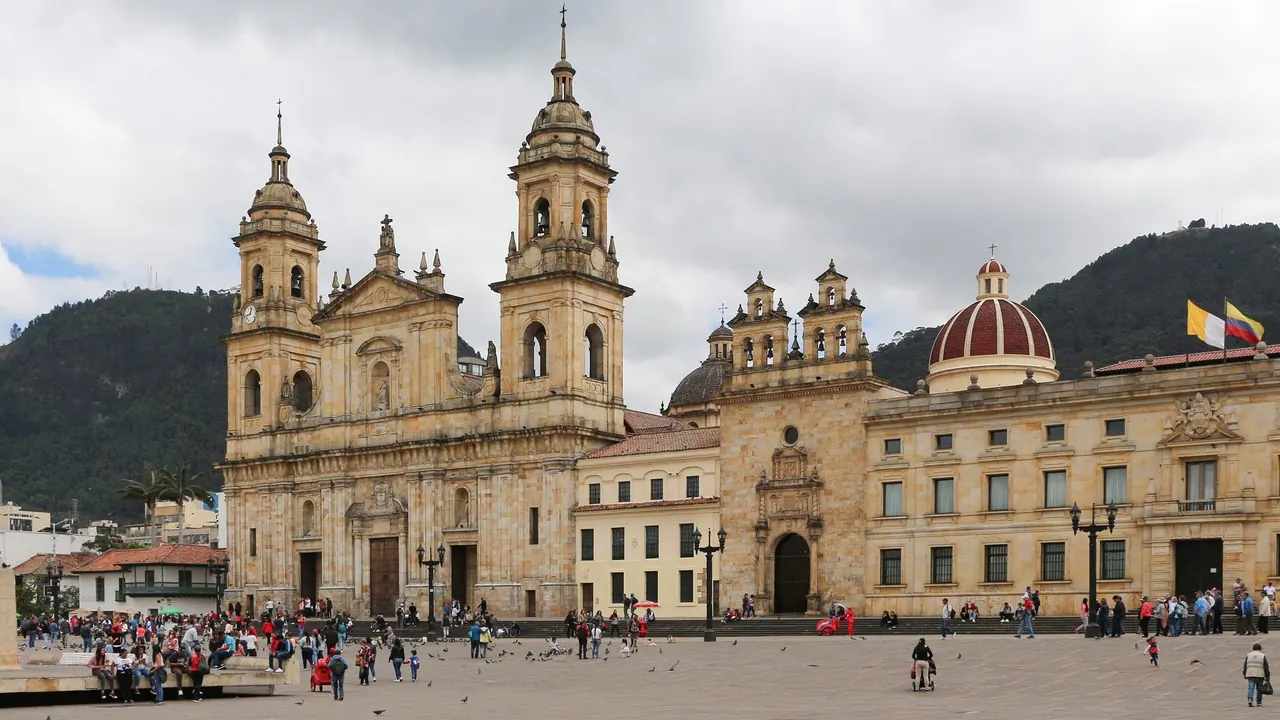
Bogota is the choice when the trip is about the city itself: the gold collection and colonial lanes of La Candelaria, an evening of opera or ballet at the Teatro Colón, dinner in Zona G and salsa until late. It suits travellers who want museums, restaurants and nights out, and who don't mind long taxi rides through heavy traffic between districts.
Choose Salento for
- nature and the outdoors
- wellness
- families
For those who came to Colombia for the landscape, Salento is the better pick. The wax palms of the Cocora Valley, the cloud-forest walks and nights on a coffee finca suit walkers, families who like the outdoors and anyone after a slower pace. In return you get a small town with simple food and quiet evenings.
Scoreboard
Twelve categories on one fixed scale from 0 to 100. The shaded stretch is the gap between the two.
Your match
Pick a travel style or drag the sliders, and both match scores follow your weighting.
Wins on nightlife and live music and the arts with your weighting.
Wins on nature and the outdoors and wellness with your weighting.
What matters to you?
Category by category
What the scores mean for a trip.
Beaches & swimming
Neither city is a beach destination, and from both the Caribbean is a separate leg of the trip. The difference is the nearest water. From Bogota it means hotel pools and water parks in the warm lowland towns down the western slope. Around Salento the rivers are cold and rocky, so the options are finca pools and the water attractions at the valley theme parks near Armenia.
Food & drink
Bogota is much the better place to eat. Beyond highland comfort food such as ajiaco and hot chocolate with cheese, chefs in Zona G, Chapinero and Usaquén cook with ingredients from across the country. Paloquemao market is the place to taste unfamiliar tropical fruit.
Salento's choice is far narrower: trout on a crisp patacón, filling set lunches and tourist menus that repeat themselves. Its strength is coffee drunk on the farm where it was grown. That is a fine experience, but not enough for a food trip.
Culture & sights
Bogota has much more culture to offer. The colonial streets of La Candelaria lead up to the Plaza de Bolívar. A few blocks away are the pre-Columbian gold of the Museo del Oro and the European masters at the Botero Museum, with the National Museum and the street art of Calle 26 beyond.
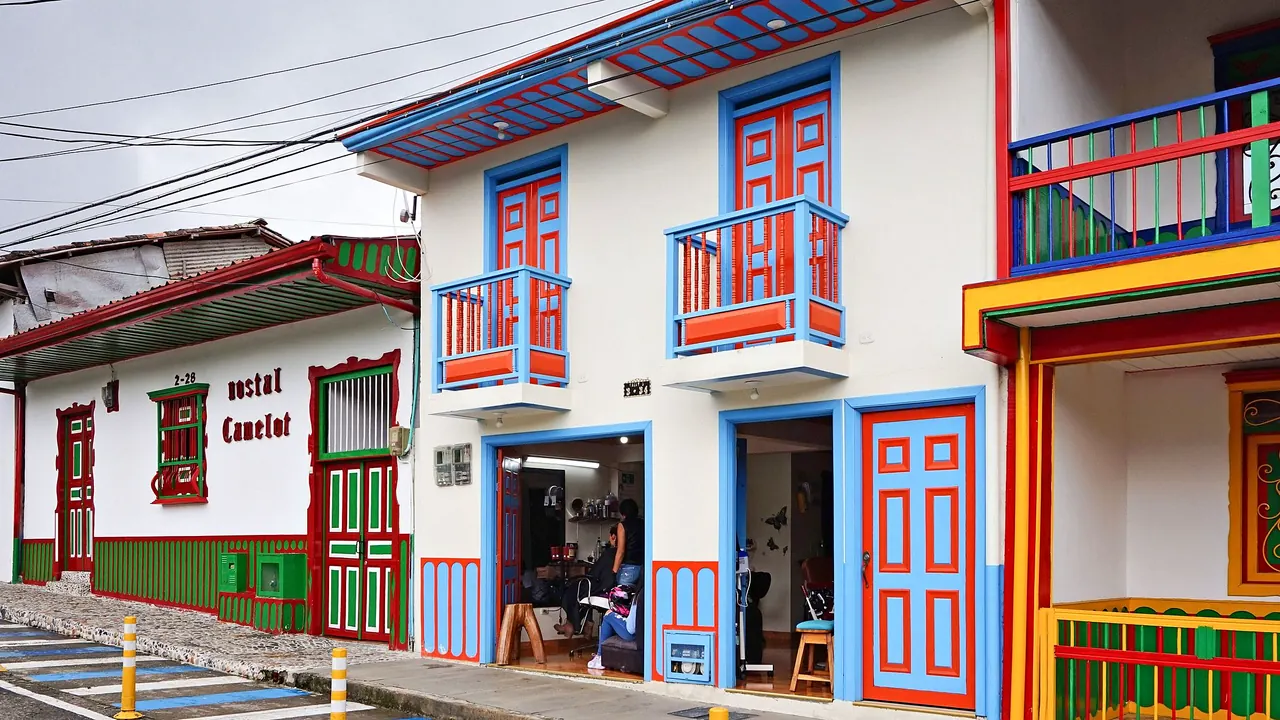
Salento's appeal is its painted bahareque houses along Calle Real, inside the UNESCO-listed coffee landscape, and the view from Alto de la Cruz. It is charming, but an hour or two covers it, and the working coffee farms make up most of the rest.
Nightlife
Bogota wins this easily. Its rumba runs from Thursday to Saturday, from polished clubs in Zona T and Zona Rosa to Chapinero's alternative and LGBTQ scene, with skilled salsa dancing and underground electronic nights.
In Salento, an evening out means a few bars around the plaza and a game of tejo, where players throw metal discs at gunpowder targets over beer. Most visitors are up early for hikes, so the town only gets lively on long weekends.
Nature & outdoors
Salento is the stronger base. The wax palms of the Cocora Valley, Colombia's national tree, are half an hour away by jeep. A loop climbs through cloud forest with plank bridges and hummingbirds, and treks of several days lead into Los Nevados towards glaciated volcanoes.
Bogota has more than many expect. You can climb the Eastern Hills to Monserrate, take a guided trip into the páramo at Chingaza or Sumapaz, rock-climb at Suesca or ride the Sunday Ciclovía. But you reach these landscapes from a large city, rather than walking out into them from your door.
Day trips
Bogota has the better day trips, though not by a wide margin. The salt cathedral at Zipaquirá, the quieter mine at Nemocón and the lake at Guatavita, linked to the El Dorado legend, are each worth seeing. Traffic out of the city makes every trip longer, and Villa de Leyva needs an overnight stay.
From Salento the drives are shorter and the trips gentler: Filandia's lookout tower, Buenavista on its ridge and the Quimbaya gold museum in Armenia. The towns look much alike, so one or two is usually enough.
Good for families
Salento is easier with children. The town is small, and jeep rides, horses, hummingbirds and coffee picking are treats without any effort. The Parque del Café and Panaca are about an hour away. Steep streets, rain and the long, muddy Cocora loop are the drawbacks.
Bogota has more attractions, including the Maloka science museum, amusement parks and the car-free Sunday Ciclovía. But long distances, heavy traffic, uneven pavements and tiredness from the altitude make every outing more work.
Getting around
Both take patience, in different ways. In Bogota the main visitor areas, La Candelaria and the northern districts, are far apart. Most people use cheap taxis and ride-hailing through heavy traffic, with the crowded TransMilenio and the bike lanes as alternatives.
Salento can be crossed on foot in minutes, and the effort comes when you leave it. The jeeps leave only when they are full, the buses to Armenia and Pereira wind slowly through the hills, and other coffee towns usually mean changing buses, so many visitors hire a driver.
Shopping & style
Emeralds are the signature buy in Bogota, sold by the dealers along Avenida Jiménez, though it pays to know your stones. The Sunday flea market in Usaquén brings together hammocks, woven bags and ceramics from around the country, and Zona G and Chapinero add Colombian designers and well-priced leather. Few people come here just to shop, but a free afternoon goes much further than it would in Salento.
In Salento, shopping is one street long. Calle Real has woven bags, ponchos and carved wood among the souvenirs, and a bag of beans from the nearby farms is the best thing to take home. For a mall or anything more, you have to go down to Armenia or Pereira.
Affordability
Both are equally easy on the wallet. The difference is where the money goes. Bogota offers comfortable hotels in the north, cheap set lunches and taxis, and major museums for very little, and costs only climb in the smart restaurants of Zona G and Zona T. Salento runs on hostels, guesthouses, cheap jeeps and set lunches, and boutique fincas and guided mountain treks are the main expenses.
Live music & performing arts
Bogota is in another league here. The gilded Teatro Colón stages opera and ballet, the Teatro Mayor hosts international orchestras and dance companies, and the Filarmónica de Bogotá plays across the city. The Ibero-American Theatre Festival and the free Rock al Parque add big seasonal events, and there is live salsa and jazz all year.
Salento has no theatre or concert life, only a guitar in a café, weekend bands in bars and its annual festivities.
Wellness & relaxation
Salento is the more restful stay, mostly because of its pace. On a coffee finca you get misty mornings and birdsong, and a few places offer yoga and massage. The edges of town stay quiet even when weekend visitors fill the centre, and the thermal pools under the waterfalls at Santa Rosa de Cabal are about two hours away.
Bogota is noisy and fast. It has hotel spas in the north, and thermal springs at Choachí and Tabio about an hour out. Its calmest moments are the side streets of Usaquén and Sunday mornings on the Ciclovía.
When should you go?
Pick your month. The climate figures are measured averages, not a forecast.
Bogota in July
Salento in July
Daytime high, °C
Rainfall in the month, mm
Where the figures come from
Salento has no weather station within reach, so its figures come from a gridded climate model rather than a measured record, and read a broad area rather than the city itself.
Temperature and rainfall are climate normals, averaged over the years shown. Bogota: 1991-2020 normals, Bogota / Eldorado (14.1 km from centre). Salento: 2001-2020 normals, NASA POWER reanalysis grid, no weather station within 90 km.
Neither place has a beach season. Both sit high in the Andes, with almost the same mild days all year: around 18°C in Bogota and a degree or two warmer in Salento. You can walk the streets comfortably in any month, but evenings are cool. Both have two wet seasons, roughly March to May and October to November, with drier spells around the turn of the year and in July and August.
The real difference is how much rain falls. Bogota is the drier of the two, and January is its driest and sunniest month, with about 32mm. Salento is much wetter, with around 190mm in each of April, October and November, and even its driest months, January and July, get about 87mm. For the Cocora trails, aim for January or July to August and expect mist in the afternoons.
Which traveller are you?
For a culture and arts trip, choose Bogota. The Museo del Oro, the Botero Museum and La Candelaria can fill several days, and the Teatro Colón and Teatro Mayor add opera, ballet and orchestras. Salento has a pretty main street and an hour's stroll.
On a food and nightlife trip, Bogota wins easily. It has modern Colombian cooking in Zona G and Chapinero, specialty coffee and salsa bars busy from Thursday to Saturday. Salento offers trout, set lunches and a few plaza bars that go quiet before midnight.
For an outdoors trip, Salento comes out ahead. The Cocora Valley loop through wax palms and cloud forest starts half an hour from town, and guided treks reach the high páramo of Los Nevados. From Bogota, the hills and páramo parks take more planning from a big city.
Before you go
| Measure | Bogota | Salento |
|---|---|---|
| Official language | Spanish | Spanish |
| Currency | Colombian Peso (COP) | Colombian Peso (COP) |
| Sockets | AB110 V, 60 Hz | AB110 V, 60 Hz |
| Driving side | Right | Right |
| Time zone | UTC-5 | UTC-5 |
| Emergency number | 123 | 123 |
| Elevation | 2,582 m | 1,895 m |
| Main airport | El Dorado International Airport (BOG)13 km from centre101 non-stop destinations | El Eden Airport (AXM)30 km from centre2 non-stop destinations |
| Public holidays this year | 19 days | 19 days |
By the numbers
| Measure | Bogota | Salento |
|---|---|---|
| City population | 8,034,649 | 7,578 |
| People per km² | 5,092 | 20 |
| Museums within 10 km | 30 | 0 |
| UNESCO World Heritage sites within 50 km | 0 | 1 |
Where else could you go?
Every comparison below shares a destination with this one, so you can follow Bogota or Salento somewhere new.