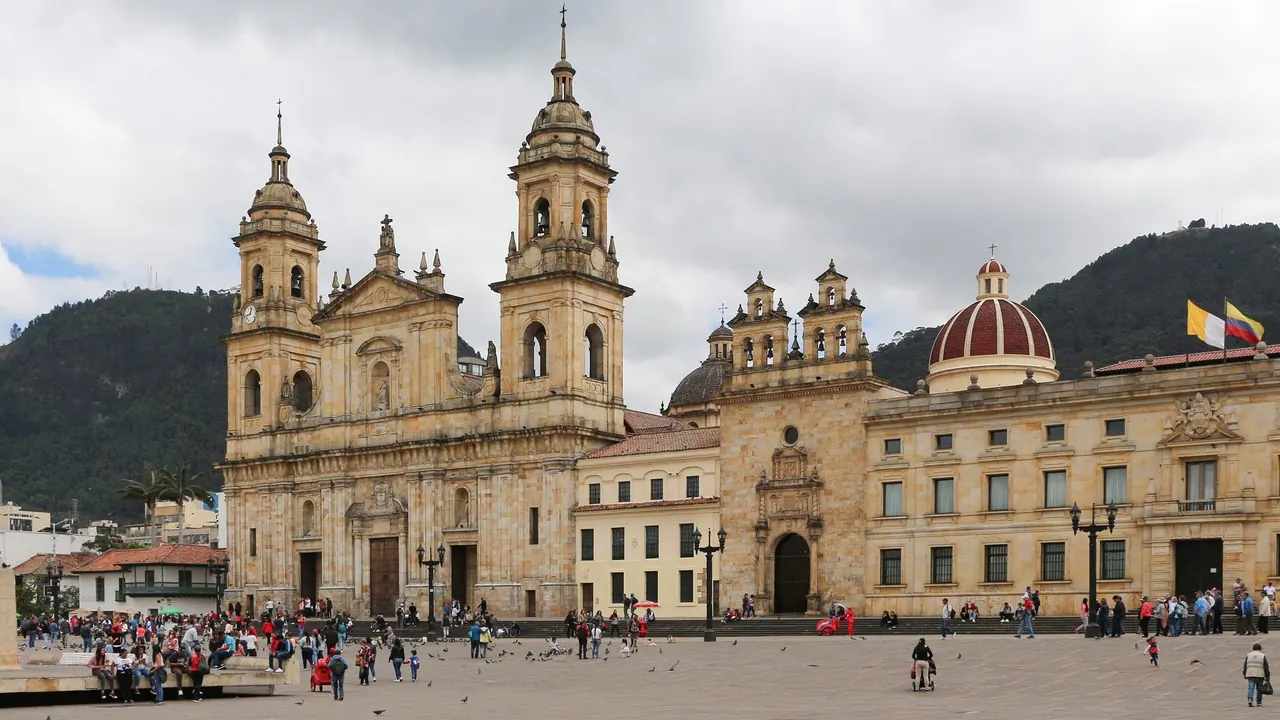
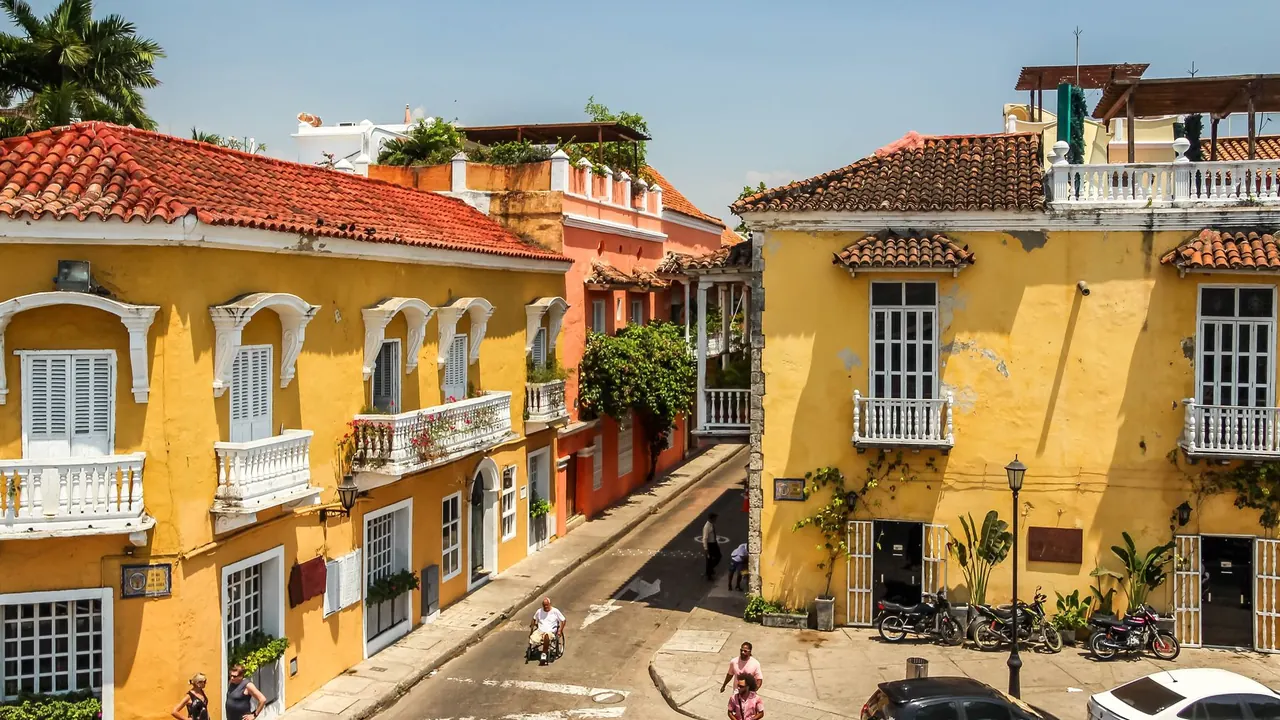
Photos: Bogota by Bernard Gagnon, CC BY-SA 4.0, cropped; Cartagena by Dr. Thomas Liptak, CC BY-SA 4.0, cropped.
Bogota or Cartagena?
Our verdict in twelve categories, each scored against the same fixed benchmark cities, and the climate month by month, so you can choose for your trip.
Choose Bogota for
- live music and the arts
- day trips
- nature and the outdoors
Bogota suits travellers who want a big capital with real depth. The Museo del Oro and the Botero Museum give it collections Cartagena cannot match, and the Teatro Colón and a busy theatre calendar make the evenings as much about stages as bars. The páramo, the Eastern Hills and salt-mine towns such as Zipaquirá are within easy reach, and the money goes further throughout. Choose it for culture, mountain air and a stay that costs little, and accept cool weather, long taxi rides and no beach at all.
Choose Cartagena for
- beaches
- getting around
- wellness
Cartagena is the trip for warmth, colour and the Caribbean. The walled city is compact enough to explore on foot, the evenings run from rooftop cocktails to drumming in the Getsemaní plazas, and turquoise water around the Rosario Islands is less than an hour away by boat. It costs more and the heat is constant, but for a vacation of old streets by day and sea by afternoon, it is the obvious choice.
Scoreboard
Twelve categories on one fixed scale from 0 to 100. The shaded stretch is the gap between the two.
Your match
Pick a travel style or drag the sliders, and both match scores follow your weighting.
Too close to call, 1 point apart
Wins on live music and the arts and day trips with your weighting.
Wins on beaches and getting around with your weighting.
What matters to you?
Category by category
What the scores mean for a trip.
Beaches & swimming
This is Cartagena's ground entirely. Its own city beaches at Bocagrande are only good for a quick dip, but the Rosario Islands and Playa Blanca on Baru have pale sand and clear, warm water within an hour by boat, and a night on an island is easy to arrange.
Bogota has nothing comparable. Its high plateau keeps the air cool, swimming means hotel pools and water parks after a long drive down the mountains, and the Caribbean is a flight away. Travellers combining the two should leave all the beach time for Cartagena.
Food & drink
The two eat well in quite different ways. Bogota's cooking is highland and warming: ajiaco soup, tamales, hot chocolate with cheese, and bakery breads. Its more ambitious tables are spread across Chapinero, Zona G and Usaquén, and Paloquemao market and the specialty coffee add to it.
Cartagena eats like a Caribbean port, with fried fish, coconut rice, ceviche from carts and coconut sweets at the Portal de los Dulces. Its street food is better than Bogota's snack corners, though the walled city has its share of tourist menus.
Culture & sights
Both reward a cultural visit equally, but in different ways. Bogota is for museums: the Museo del Oro's pre-Columbian gold, the Botero collection, the National Museum and La Candelaria's churches around the Plaza de Bolívar, though much of the city beyond is plain modern brick.
Cartagena works the other way round. The UNESCO-listed walled city and the Castillo San Felipe are the attraction in themselves, best enjoyed by walking the ramparts and streets, while its museums are modest and two or three days covers them.
Nightlife
Both cities go out late and with energy, so the difference is scale and setting. Bogota's nightlife is spread across districts: polished clubs in Zona T and Zona Rosa, a large alternative and LGBTQ scene in Chapinero, skilled salsa dancing and an underground electronic scene, with taxis needed between them.
Cartagena's circuit is compact and outdoors. Crowds gather in the Plaza de la Trinidad in Getsemaní, the old town has rooftop bars, champeta plays at local parties, and party boats and chivas with a band on board are a characteristic part of a night here. It is also more tourist-heavy, with touts to brush off.
Nature & outdoors
Bogota has much more for those who like the outdoors. The Eastern Hills rise straight from the city, and the frailejón-covered páramo at Chingaza and Sumapaz is a landscape few countries have. Add Chicaque's cloud forest, climbing at Suesca and serious road cycling.
Cartagena's nature is mostly in the water: reefs in the Corales del Rosario park, mangrove canoe trips at La Boquilla and kitesurfing in the dry months. Inland the land is flat and farmed, and the Totumo mud volcano is the main outing.
Day trips
Bogota has the better range of day trips. The salt cathedral at Zipaquirá, the quieter mine at Nemocón and the El Dorado lake at Guatavita all make full days out, and the Sabana towns suit an easy lunch. Its weak point is the traffic leaving the city.
From Cartagena the choice is thinner. San Basilio de Palenque gives a meaningful half day and the islands have fishing villages, but Mompox and Santa Marta are too far for a return trip in a day.
Good for families
Neither city is easy with small children, but the reasons differ. Bogota has proper attractions for them, including the Maloka science museum, amusement parks, Parque Jaime Duque and the car-free Ciclovía, though the long distances and the altitude are tiring.
Cartagena has little built for children beyond the National Aviary, and the island beaches with calm water are the real draw. The steady heat makes a hotel pool and a slow pace essential.
Getting around
Cartagena is clearly easier. The walled city, San Diego and Getsemaní are a few minutes' walk apart, Bocagrande is a short taxi ride away and you can walk to the Castillo San Felipe. The heat at midday is the main thing slowing you down.
Bogota stretches a long way along the mountains, and getting from La Candelaria to the northern districts takes half an hour or more in heavy traffic. TransMilenio is crowded and confusing to visitors, so most rely on taxis and ride-hailing.
Shopping & style
Both offer about the same, and both sell emeralds, so buy carefully in either. Bogota adds the Sunday flea market in Usaquén, Colombian designers in Zona G and Chapinero, good leather goods and large northern malls.
Cartagena is more about craft and resort style: Wayuu bags and woven hats in the vaults of Las Bóvedas, and linen and swimwear in walled-city boutiques, with plenty of souvenir hawkers around them.
Affordability
Bogota is the cheaper city by a clear margin. Comfortable northern hotels, office-worker set lunches, taxis across town and the major museums all cost little. Only the smarter restaurants of Zona G and Zona T approach international prices.
Cartagena is Colombia's most expensive city. Boutique mansions inside the walls charge close to European rates, especially at Christmas, New Year and Easter. Getsemaní hostels, street food and island trips keep it affordable, but you need to agree prices with hawkers and boatmen in advance.
Live music & performing arts
The stage is where Bogota pulls clearly ahead. The gilded Teatro Colón puts on opera and ballet, the Teatro Mayor brings in international orchestras, and the Ibero-American Theatre Festival and the free Rock al Parque add big seasonal events. Year round there is salsa, jazz in Chapinero and independent theatre.
Cartagena's formal programme amounts to the Teatro Adolfo Mejía and a January classical festival. Most of its music happens in the street, with cumbia dancers in the plazas and salsa and champeta in Getsemaní.
Wellness & relaxation
Cartagena is the better place to unwind, though mainly outside the city itself. Colonial-house hotels have plunge pools and quiet courtyards, massages are cheap, and a few nights in a hammock on the islands slow the pace properly.
Bogota offers little rest within the city, beyond hotel spas and quiet Usaquén streets. The thermal springs at Choachí and Tabio are about an hour away, which makes a soak a full outing.
When should you go?
Pick your month. The climate figures are measured averages, not a forecast.
Bogota in July
Cartagena in July
Daytime high, °C
Rainfall in the month, mm
Temperature and rainfall are climate normals, averaged over the years shown. Bogota: 1991-2020 normals, Bogota / Eldorado (14.1 km from centre). Cartagena: 1991-2020 normals, Cartagena / Rafael Nunez (3.1 km from centre).
Bogota's temperature barely moves through the year: days of about 18°C, cool evenings and comfortable walking weather in every month. What changes is the rain, which comes in two wet spells, April and May and again October and November, with each of those months bringing over 100mm. January is the driest and sunniest month, February and the July to August stretch come next, and March already turns noticeably wetter.
Cartagena is hot all year, with highs around 30°C, so long walks are best kept for early morning and evening, and the sea is warm enough for swimming in every month. January to March is almost rainless and the sunniest part of the year, ideal for the ramparts and the islands. December is a little damper, with about 47mm as the wet season tails off, and from May the rain builds to a heavy October with fewer hours of sun. For a trip combining both, January and February are the safest choice: dry in Cartagena and at or near their driest in Bogota.
Which traveller are you?
For a beach and sun trip, Cartagena is the only real choice. The sea is warm all year and boats reach the clear water of the Rosario Islands and Playa Blanca quickly, while Bogota sits high in the Andes with no beach within any sensible distance.
On an outdoors trip, Bogota offers far more. Walkers climb to Monserrate and visit the misty páramo at Chingaza and Sumapaz, climbers go to Suesca and cyclists tackle long mountain roads. Cartagena's outdoors is mostly snorkelling and mangrove canoeing on flat, hot land.
On a tight budget, Bogota stretches money further. Comfortable hotels, set lunches, taxis and the great museums all cost little, while Cartagena's walled city charges near-European rates and only Getsemaní's guesthouses and street food keep costs down.
Before you go
| Measure | Bogota | Cartagena |
|---|---|---|
| Official language | Spanish | Spanish |
| Currency | Colombian Peso (COP) | Colombian Peso (COP) |
| Sockets | AB110 V, 60 Hz | AB110 V, 60 Hz |
| Driving side | Right | Right |
| Time zone | UTC-5 | UTC-5 |
| Emergency number | 123 | 123 |
| Elevation | 2,582 m | 2 m |
| Main airport | El Dorado International Airport (BOG)13 km from centre101 non-stop destinations | Rafael Nuñez International Airport (CTG)2 km from centre27 non-stop destinations |
| Public holidays this year | 19 days | 19 days |
By the numbers
| Measure | Bogota | Cartagena |
|---|---|---|
| City population | 8,034,649 | 914,552 |
| People per km² | 5,092 | 1,599 |
| Museums within 10 km | 30 | 2 |
| UNESCO World Heritage sites within 50 km | 0 | 1 |
| Swim season, months above 21 °C | - | 12 months |
Where else could you go?
Every comparison below shares a destination with this one, so you can follow Bogota or Cartagena somewhere new.
- Salentovs Bogota
- Santa Martavs Cartagena
- Medellinvs Bogota
- Calivs Bogota
- Medellinvs Cartagena
- Panama Cityvs Cartagena