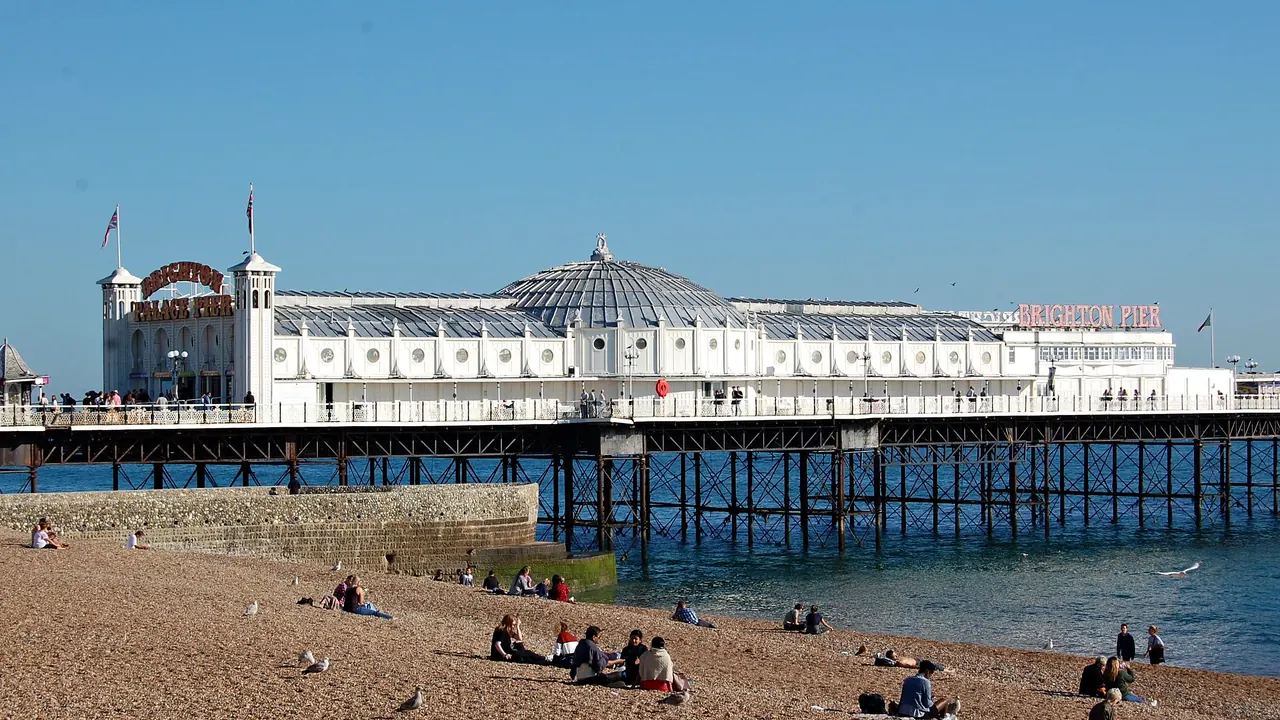
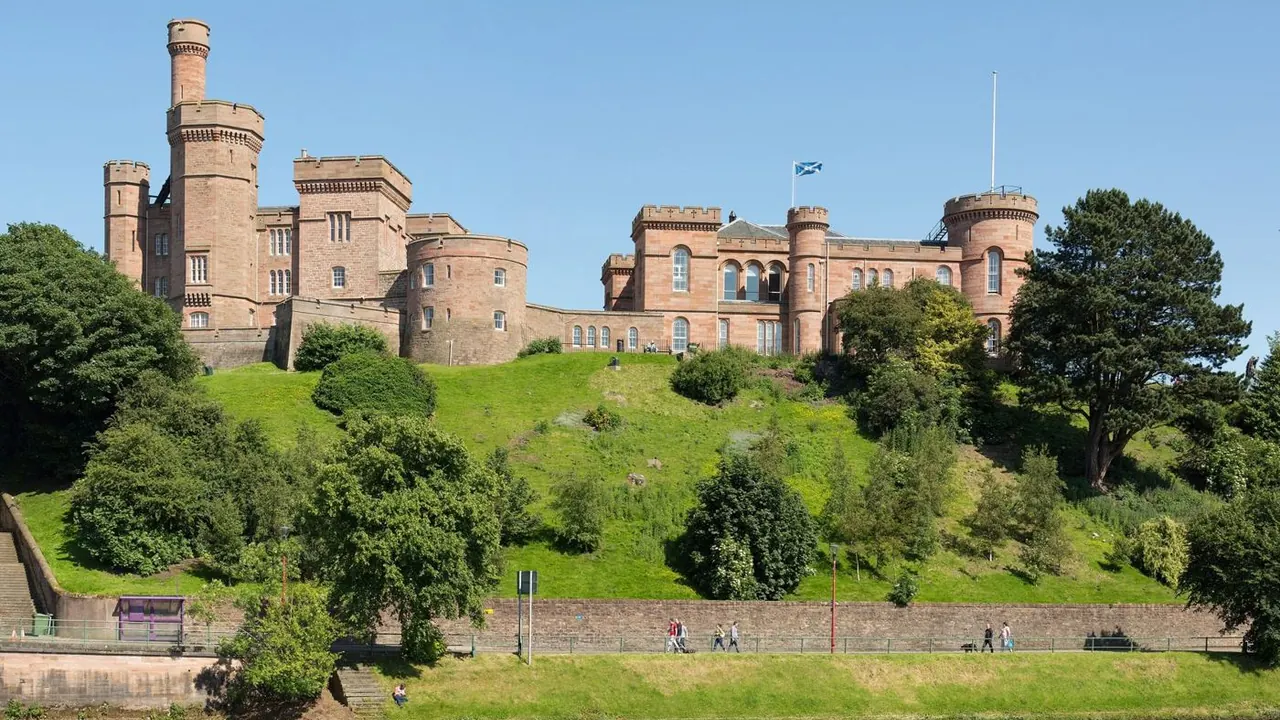
Photos: Brighton by Hassocks5489, CC0; Inverness by Diliff, CC BY-SA 3.0, cropped.
Brighton or Inverness?
Our verdict in twelve categories, each scored against the same fixed benchmark cities, and the climate month by month, so you can choose for your trip.
Choose Brighton for
- nightlife
- live music and the arts
- getting around
Brighton suits a trip where the town itself is the point. That means a few days of independent cafés, vintage browsing in the North Laine, the Royal Pavilion, late bars in Kemptown and perhaps a fringe show, with London and the Sussex castles an easy train ride away. Everything is walkable and you don't need a car, so it is the stronger choice for a lively city break or a seaside weekend.
Choose Inverness for
- nature and the outdoors
- prices
Pick Inverness when the landscape matters more than the evenings. It is a quiet, compact base for Loch Ness, Glen Affric, the Cairngorms and the dolphins at Chanonry Point, with Culloden close by and whisky country an hour away. Expect early nights and pub sessions with fiddle music, and plan on a hire car or tours to reach the best of the Highlands.
Scoreboard
Twelve categories on one fixed scale from 0 to 100. The shaded stretch is the gap between the two.
Your match
Pick a travel style or drag the sliders, and both match scores follow your weighting.
Wins on nightlife and live music and the arts with your weighting.
Wins on nature and the outdoors and prices with your weighting.
What matters to you?
Category by category
What the scores mean for a trip.
Beaches & swimming
Neither is a beach destination, but Brighton at least puts the sea at the centre of town. Its shingle runs the whole length of the seafront, with lifeguards in season and water you can swim in on calm late-summer days. On a sunny afternoon the beach is where everyone goes.
Inverness has the softer beaches, with long sands at Nairn and the spit at Chanonry Point. But they are a drive away and the firth is colder, so they are for breezy walks and dolphin watching rather than swimming.
Food & drink
Brighton has far more choice. Small independent kitchens are packed into the North Laine, the Lanes and Kemptown, the vegetarian and vegan cooking has a long reputation, and there are roasteries all over the North Laine. You also get oysters and fish and chips under the seafront arches, and Sussex sparkling wine on most lists.
Inverness has a narrower range but is rooted in its larder: langoustines, venison, smoked salmon and Cullen skink. Its real strength is whisky, poured from long lists of Speyside and Highland malts. You will eat well there for a few nights, while Brighton keeps you interested for a week.
Culture & sights
Brighton has one true showpiece, the Royal Pavilion with its domes and chinoiserie interiors. Around it are the Regency crescents of Kemptown and Hove, the alleys of the Lanes and two piers, so the town rewards a couple of days of wandering.
Inverness has less to see in town: the red sandstone castle, the cathedral across the river and a compact museum of Highland and Pictish history. Its most important site, the moor at Culloden, is a short drive out, and most of the region's history lies further afield.
Nightlife
Here the two are far apart. Brighton goes out every night of the week. There are craft-beer rooms in the North Laine, Kemptown's LGBTQ+ bars, and clubs in the seafront arches that stay open until the small hours, though West Street on a Saturday can get rowdy.
Inverness is a pub town, with wood-panelled bars around Church Street and slow drams by the river. On weeknights the streets are quiet well before midnight. It makes for a pleasant evening, not a big night out.
Nature & outdoors
Inverness is the clear winner outdoors. Loch Ness and the Great Glen start twenty minutes away. Glen Affric's Caledonian pine forest and the high Cairngorm plateau are about an hour off, and Torridon and the road to Skye are within a long day. Dolphins off Chanonry Point are closer still.
Brighton's outdoors is gentler: chalk downland on the edge of the city, the South Downs Way for walking and mountain biking, the Seven Sisters cliffs and water sports off the seafront. It is lovely walking country, but it is not wild.
Day trips
Brighton is the richer base for outings. London is about an hour away by fast train, and Sussex is full of towns worth a day: Lewes, Arundel, Chichester, Rye and Battle, plus vineyards and the gardens of the Weald.
Day trips from Inverness are mostly to single sites rather than towns: Urquhart Castle, Cawdor, Fort George, the Clava Cairns and the Speyside distilleries. Most are easier by car or on a tour. A week of outings there means castles and whisky, while from Brighton it can mean several different towns and a capital city.
Good for families
Both work with children, and Brighton is slightly ahead for a classic seaside outing. It has the Palace Pier rides, the Victorian aquarium, Volk's Electric Railway and paddling at Hove Lagoon, all in a centre you can walk round. The drawbacks are the shingle beach and rowdy weekend nights.
Inverness is calmer, with the Ness Islands, Bught Park and the Aquadome in town, Loch Ness boat trips and monster hunting nearby, and the Highland Wildlife Park under an hour away. The weather limits it more, so plan indoor fallbacks.
Getting around
Brighton is easier without a car. The station, the Lanes, the Pavilion and the sea are all within walking distance. Frequent buses cover Hove and the edge of the Downs, and trains go straight to London and the Sussex towns. The only catch is the climb back up from the seafront.
The flat centre of Inverness is just as easy on foot, and its rail lines to Kyle of Lochalsh and Thurso are scenic trips in their own right. But the glens, castles and distilleries lie down single-track roads with few buses, so most visitors hire a car or book tours.
Shopping & style
Brighton is much better for browsing. The North Laine has vintage clothes, records and retro furniture, the Lanes have jewellers and antique dealers, and the chains are on Western Road. Neither city has luxury shopping.
In Inverness an hour or two covers it. The draws are the Victorian Market and Highland goods such as tartan, tweed, knitwear, Celtic silver and malt whisky, plus a second-hand bookshop in a former church.
Affordability
Neither is a cheap base, and in both the room is the main cost, highest in summer. Brighton's prices jump at weekends, when Londoners and party groups arrive, so a midweek stay helps. Once you are there, the walkable centre, the beach and the Downs cost little, though train fares add up on day trips.
In Inverness the squeeze comes in July and August, when its limited rooms fill with people touring the Highlands. The extra costs there are car hire, tours and distillery visits rather than nights out.
Live music & performing arts
Brighton has much more on stage. Every May the Brighton Festival and England's largest fringe take over the city. The rest of the year there is the Dome, the Theatre Royal, plenty of small music rooms and strong comedy, with Glyndebourne's opera in the Downs nearby.
Inverness relies on Eden Court for touring theatre, dance and concerts. What sets it apart is traditional music: fiddle and accordion sessions in the pubs, and Gaelic song at festivals and the Highland Games in summer.
Wellness & relaxation
The two offer quite different kinds of calm. In both, the spa side is limited to a few hotel and day spas, with no thermal baths or bathing tradition. Brighton's own ritual is the year-round dawn swim in the Channel, followed by a seafront sauna. Its restful side only shows midweek out of season, on Hove's lawns among the beach huts, and summer weekends are anything but quiet.
Inverness is peaceful by nature. The country-house hotels around Loch Ness have the better spas, and the Aquadome in town has pools and a sauna. Long summer evenings are made for a slow walk round the Ness Islands and a dram by the fire.
When should you go?
Pick your month. The climate figures are measured averages, not a forecast.
Brighton in July
Inverness in July
Daytime high, °C
Rainfall in the month, mm
Where the figures come from
Brighton has no rain gauge within 25 km of the centre, so its rainfall comes from a gridded climate dataset read at the city rather than from a gauge further away.
Brighton's sunshine is measured 37 km from the centre, at London Gatwick Airport.
Inverness has no rain gauge within 25 km of the centre, so its rainfall comes from a gridded climate dataset read at the city rather than from a gauge further away.
Inverness's sunshine is measured 43 km from the centre, at Kinloss.
Temperature and rainfall are climate normals, averaged over the years shown. Brighton: 1999-2020 (sunshine 1981-2010, rainfall 1991-2020) normals, Shoreham Airport (10.3 km from centre). Inverness: 2005-2020 (sunshine 1991-2020, rainfall 1991-2020) normals, Inverness / Dalcross (11.9 km from centre).
Brighton has the longer, gentler summer. From June to September afternoons are around 20°C, and May to August is the sunniest stretch. The Channel is only warm enough for a comfortable swim in August and September, when it reaches about 17°C. Spring is fairly dry and good for walking the seafront and the Downs. From October the rain sets in properly, and winter is grey and damp, though rarely truly cold.
Inverness runs a step behind. July is its warmest month at about 19°C, but the firth stays near 14°C at best, so its beaches are for walking rather than swimming. Its sunniest month is May, earlier than Brighton's, and late spring is often the best time for the glens, with long evenings and less rain than August. Rain falls all through the year. From November to February the days are short and highs stay around 6°C, which suits skiing in the Cairngorms better than strolling round town.
Which traveller are you?
For a food and nightlife trip, Brighton wins clearly. Small independent kitchens, serious coffee and a long vegan tradition lead on to pubs, cocktail bars, seafront clubs and one of Britain's oldest LGBTQ+ scenes. Inverness offers good seafood, whisky bars and early nights.
On an outdoors trip, Inverness is the better base. Loch Ness, the pine forests of Glen Affric and the Cairngorm plateau are all within an hour, with dolphins off Chanonry Point. Brighton's South Downs and the Seven Sisters cliffs are lovely but gentler and smaller in scale.
On a culture and arts trip, Brighton gives you more to fill the days. The Royal Pavilion, the Regency squares, the May festival and fringe, the Theatre Royal and nearby Glyndebourne outweigh Inverness's castle, Culloden and Eden Court, and London's museums are an hour away by train.
Before you go
| Measure | Brighton | Inverness |
|---|---|---|
| Official language | English | English |
| Currency | Pound Sterling (GBP) | Pound Sterling (GBP) |
| Sockets | G230 V, 50 Hz | G230 V, 50 Hz |
| Driving side | Left | Left |
| Time zone | UTC, UTC+1 in summer | UTC, UTC+1 in summer |
| Emergency number | 112 or 999 | 112 or 999 |
| Elevation | 22 m | 7 m |
| Main airport | London Gatwick Airport (LGW)37 km from centre224 non-stop destinations | Inverness Airport (INV)12 km from centre15 non-stop destinations |
| Public holidays this year | 8 days | 10 days |
By the numbers
| Measure | Brighton | Inverness |
|---|---|---|
| City population | 134,293 | 47,380 |
| People per km² | 1,624 | 2,289 |
| Museums within 10 km | 11 | 3 |
| UNESCO World Heritage sites within 50 km | 0 | 0 |
| Swim season, months above 21 °C | None | None |
Where else could you go?
Every comparison below shares a destination with this one, so you can follow Brighton or Inverness somewhere new.
- Londonvs Brighton
- Oxfordvs Brighton
- Aberdeenvs Inverness
- St Andrewsvs Inverness
- Cambridgevs Brighton
- Bathvs Brighton