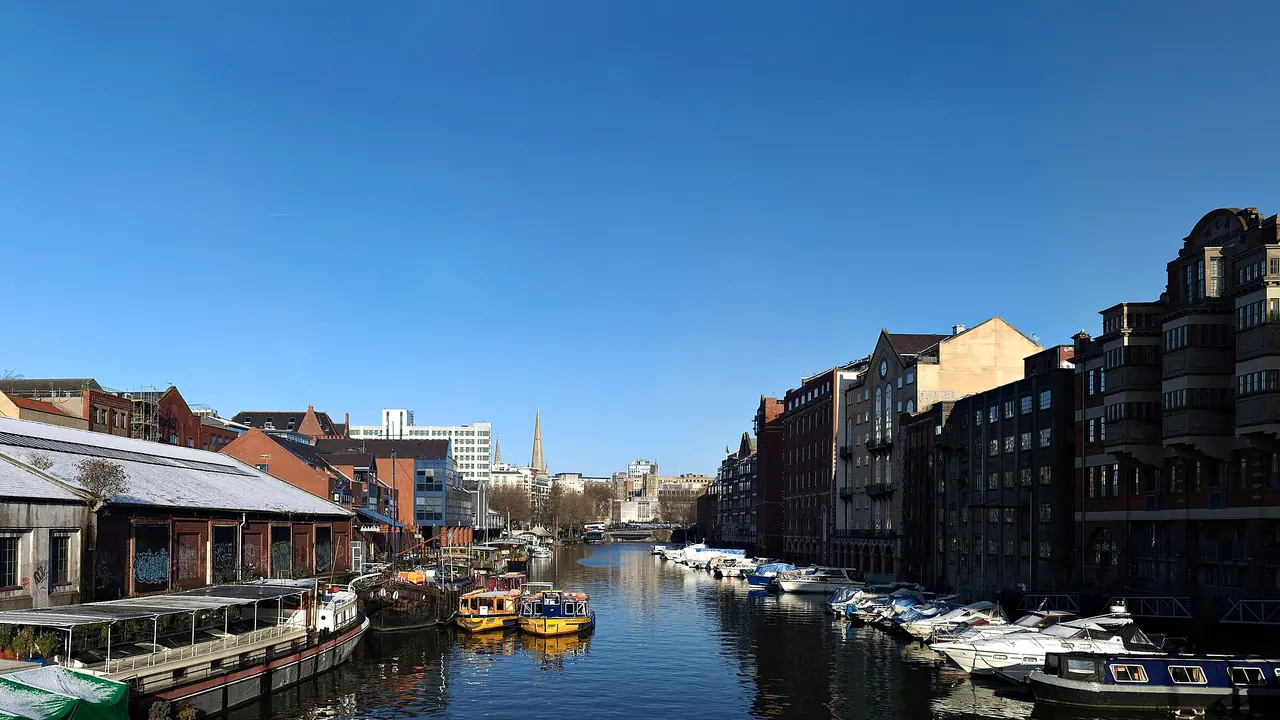
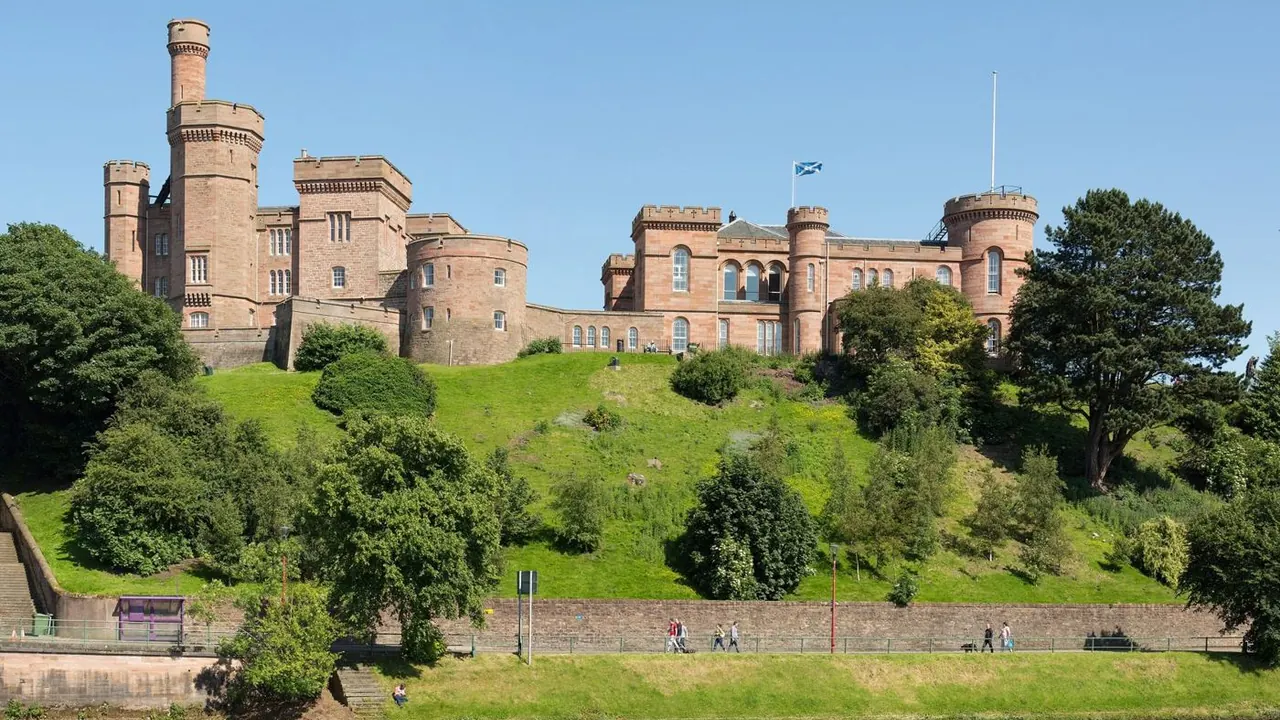
Photos: Bristol by NotFromUtrecht, CC BY-SA 3.0, cropped; Inverness by Diliff, CC BY-SA 3.0, cropped.
Bristol or Inverness?
Our verdict in twelve categories, each scored against the same fixed benchmark cities, and the climate month by month, so you can choose for your trip.
Choose Bristol for
- nightlife
- culture and sights
- live music and the arts
Bristol is the pick for a city trip in the full sense. It has Brunel's ship and bridge, Georgian Clifton, a club and live music scene with a sound of its own, and a food culture built on markets, independent kitchens and West Country cider. It also makes an unusually good base for outings, with Bath, Wells, Cardiff and the Cotswolds all close by. Choose it if your evenings matter as much as your days and you like a different town on the itinerary every other morning.
Choose Inverness for
- nature and the outdoors
- beaches
Inverness suits travellers who come for the land rather than the town. Loch Ness, Glen Affric and the Cairngorms are all within about an hour, and dolphins swim off Chanonry Point. The town itself is small and quiet, with pubs, whisky and fiddle sessions rather than clubs and galleries, and early nights to match early starts in the glens. Go there with walking boots, waterproofs and ideally a car, and treat it as the gateway to the Highlands.
Scoreboard
Twelve categories on one fixed scale from 0 to 100. The shaded stretch is the gap between the two.
Your match
Pick a travel style or drag the sliders, and both match scores follow your weighting.
Wins on nightlife and culture and sights with your weighting.
Wins on nature and the outdoors and beaches with your weighting.
What matters to you?
Category by category
What the scores mean for a trip.
Beaches & swimming
Neither city is a beach destination, but the shore is a nicer place to spend time near Inverness. Nairn and Rosemarkie have clean sand and breezy walks, and you might watch dolphins from Chanonry Point.
Bristol's estuary is silty mud at low tide, and the sands at Weston-super-Mare sit behind a huge retreating tide. The real draw there is a cold plunge in Clevedon's Victorian marine lake. The sea is a few degrees warmer off Bristol, though that will only matter to the hardiest swimmers.
Food & drink
Bristol gives you far more to explore at the table. Market stalls, harbourside container kitchens and the bakeries and neighbourhood restaurants of Gloucester Road, Stokes Croft and Bedminster could keep a curious eater busy for a week, and cider and craft beer give the drinking a local flavour.
Inverness is narrower but has a clearer identity. Langoustines, venison, smoked salmon and Cullen skink are done well in a handful of good restaurants, and whisky bars carry long lists of malts. A few nights will cover the best of it, and in summer you should book ahead.
Culture & sights
Bristol has much more to see within the city. Brunel's SS Great Britain and the Clifton Suspension Bridge, the Gothic splendour of St Mary Redcliffe, the M Shed's frank account of the port's slave-trading past and the street art of Stokes Croft fill two or three good days.
In Inverness the sights in town are a castle seen from outside, a cathedral and a compact museum of Highland history and Pictish stones. Culloden battlefield is the one site of real weight, and most other heritage means driving out into the region.
Nightlife
This is one of the widest gaps between the two. Bristol's sound-system heritage, from trip hop to drum and bass, lives on in warehouse clubs near Temple Meads and on a boat moored in the harbour, and a big student population keeps weekend nights going late.
Inverness offers wood-panelled pubs and whisky bars around Church Street and the river, which are friendly and slow-paced, plus a club or two for locals. It suits a dram after a day in the hills, not a night out that ends at dawn.
Nature & outdoors
Inverness is the stronger base for the outdoors by some distance. Loch Ness starts twenty minutes away, and Glen Affric and the Cairngorms around Aviemore offer forest trails, high plateau hiking and winter skiing. Torridon and the road to Skye are within a long day.
Bristol's green spaces are good for a city: climbing on the Avon Gorge cliffs, mountain biking at Ashton Court and the traffic-free railway path to Bath. Its wider landscape of the Mendips, Cheddar Gorge and the Wye Valley is soft and rolling, though, and real uplands are a two-hour drive away.
Day trips
Bristol is the better base for outings, mainly because so many different towns lie close by. Bath is a quarter of an hour by train, Cardiff is under an hour, and Wells, Glastonbury, the Cotswold villages, Stonehenge and Avebury each make an easy day.
From Inverness you head out to single sites instead: Urquhart Castle, Cawdor, Fort George, the Clava Cairns and the Speyside distilleries. These are rewarding, but no other city is within reach, and most of them are much easier by car or on a tour.
Good for families
Both work well with children, but the days look different. Bristol keeps things in town, with the SS Great Britain, the hands-on science centre, the aquarium and harbour ferry rides close together, which helps on wet days. Its steep hills are hard work with a pushchair.
Inverness is flatter, calmer and quieter, with the Ness Islands, play parks and the Aquadome pool in town. Its big moments are outdoors: a Loch Ness boat trip, spotting dolphins, or the snow leopards at the Highland Wildlife Park, which is a drive away.
Getting around
Bristol is a little easier for a car-free visitor. The centre and harbourside are walkable, yellow ferries cross the water, and Temple Meads puts trains to Bath and Cardiff within easy reach. On the other hand, the hills are tiring, and buses beyond the centre crawl in traffic.
The centre of Inverness is flat and takes twenty minutes to walk across. Its railway lines to Kyle of Lochalsh and Thurso are scenic trips in their own right. The glens and distilleries lie down single-track roads with sparse buses, though, so a hire car or a tour is close to essential.
Shopping & style
The difference shows in what you carry home. From Bristol it might be a record or vintage jacket from Gloucester Road, something from the boutiques on Park Street or the galleries in Clifton's Georgian arcades, with the chain stores of Cabot Circus for anything practical. Of the two, it is the city with an afternoon's real browsing.
From Inverness it is more likely to be something Highland: tartan, tweed, knitwear, Celtic silver or a bottle of malt from a specialist shop, plus a find from the second-hand bookshop in a former church. The Victorian Market and the high street are small, and an hour or two covers them.
Affordability
Neither is a bargain, and the costs come from different places. In Bristol, hotel rates climb at weekends, but free museums and a walkable centre keep daily spending down.
In Inverness, rooms become scarce and expensive in July and August, and car hire, tours and distillery visits add up. The hills and lochs themselves cost nothing, and a visit outside high summer brings room prices down a long way.
Live music & performing arts
Bristol has the deeper stage and music scene. The Old Vic, in its Georgian auditorium, is the oldest continuously working theatre in the English-speaking world, and the city also has fringe Shakespeare at the Tobacco Factory, chamber music at St George's and small venues with bands, jazz and electronic acts most nights.
Inverness relies on Eden Court for touring theatre, dance and concerts. Its own voice is traditional music: fiddle and accordion sessions in pubs, Gaelic song, and the Highland Games in summer, which nowhere near Bristol can match.
Wellness & relaxation
Bath's hot springs, the only natural ones in Britain, give Bristol the edge here. The rooftop thermal pool above the abbey is a quarter of an hour away by train, and in the city itself the heated Victorian lido behind Clifton's terraces makes a restful half day.
Inverness has no spa culture beyond country-house hotels and the Aquadome sauna. Its strength is calm instead: a slow walk round the Ness Islands, long summer evenings by the river and a dram by the fire are how most visitors unwind.
When should you go?
Pick your month. The climate figures are measured averages, not a forecast.
Bristol in July
Inverness in July
Daytime high, °C
Rainfall in the month, mm
Where the figures come from
Bristol's station stands 178 m above the city centre, so the centre is likely a little warmer than the figures say.
Bristol has no rain gauge within 25 km of the centre, so its rainfall comes from a gridded climate dataset read at the city rather than from a gauge further away.
Bristol's sunshine is measured 43 km from the centre, at Lyneham.
Inverness has no rain gauge within 25 km of the centre, so its rainfall comes from a gridded climate dataset read at the city rather than from a gauge further away.
Inverness's sunshine is measured 43 km from the centre, at Kinloss.
Temperature and rainfall are climate normals, averaged over the years shown. Bristol: 1991-2020 normals, Lulsgate Bottom (11.8 km from centre). Inverness: 2005-2020 (sunshine 1991-2020, rainfall 1991-2020) normals, Inverness / Dalcross (11.9 km from centre).
Both cities are mild and changeable, and neither ever gets warm enough for a beach vacation. Bristol runs a degree or so warmer through the year, peaking at about 20°C in July, and from May to August it gets noticeably more sunshine. The sea off Bristol reaches about 18°C in late summer, against 14°C in the Moray Firth, so a swim in either is a brisk dip rather than a lazy one.
From June to September both are comfortable for walking all day. Bristol's drier stretch runs from February to July, while Inverness is driest in April and May, which makes late spring a good time for the glens. Rain builds in both from October, with close to 100mm a month through to December. Bristol eases off again from February, but Inverness stays wetter into the new year. Winter is also greyer and darker in Inverness, while Bristol's cool, damp months still suit museums and pubs.
Which traveller are you?
On an outdoors trip, Inverness is the clear choice. Loch Ness, Glen Affric's pine forest and the Cairngorm plateau are each within about an hour. Bristol's gorge, woods and the Mendips make for pleasant walking, but it is gentle country by comparison.
For a food and nightlife trip, Bristol wins easily. You can graze at St Nicholas Market and the harbourside kitchens, drink cider and craft beer in warehouse taprooms, then go clubbing under railway arches. In Inverness the evening ends with a quiet dram in a pub.
On a culture and arts trip, choose Bristol. It has the SS Great Britain, St Mary Redcliffe, Banksy's street art and the Georgian Old Vic, and Bath's Roman baths are a short train ride away. Inverness has Culloden and the castle view, but little else in town.
Before you go
| Measure | Bristol | Inverness |
|---|---|---|
| Official language | English | English |
| Currency | Pound Sterling (GBP) | Pound Sterling (GBP) |
| Sockets | G230 V, 50 Hz | G230 V, 50 Hz |
| Driving side | Left | Left |
| Time zone | UTC, UTC+1 in summer | UTC, UTC+1 in summer |
| Emergency number | 112 or 999 | 112 or 999 |
| Elevation | 11 m | 7 m |
| Main airport | Bristol Airport (BRS)11 km from centre117 non-stop destinations | Inverness Airport (INV)12 km from centre15 non-stop destinations |
| Public holidays this year | 8 days | 10 days |
By the numbers
| Measure | Bristol | Inverness |
|---|---|---|
| City population | 472,465 | 47,380 |
| People per km² | 4,311 | 2,289 |
| Museums within 10 km | 23 | 3 |
| UNESCO World Heritage sites within 50 km | 3 | 0 |
| Swim season, months above 21 °C | None | None |
Where else could you go?
Every comparison below shares a destination with this one, so you can follow Bristol or Inverness somewhere new.
- Bathvs Bristol
- Cardiffvs Bristol
- Oxfordvs Bristol
- Aberdeenvs Inverness
- St Andrewsvs Inverness
- Londonvs Bristol