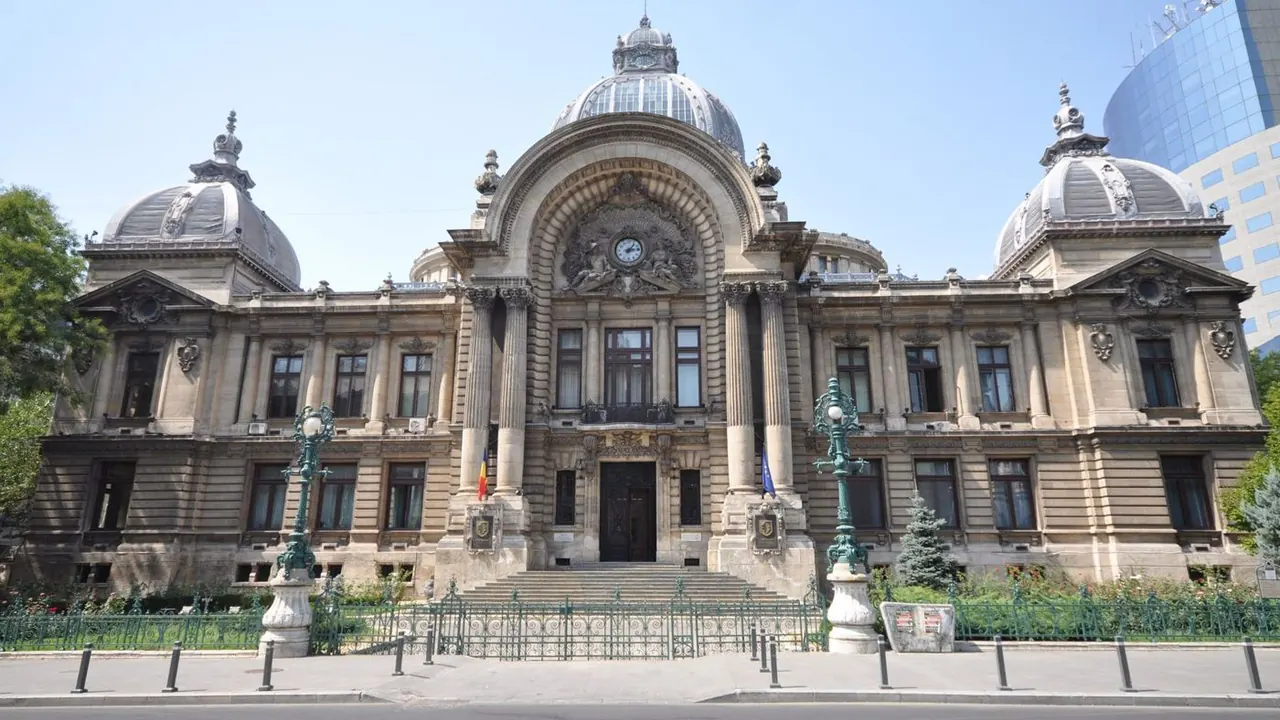
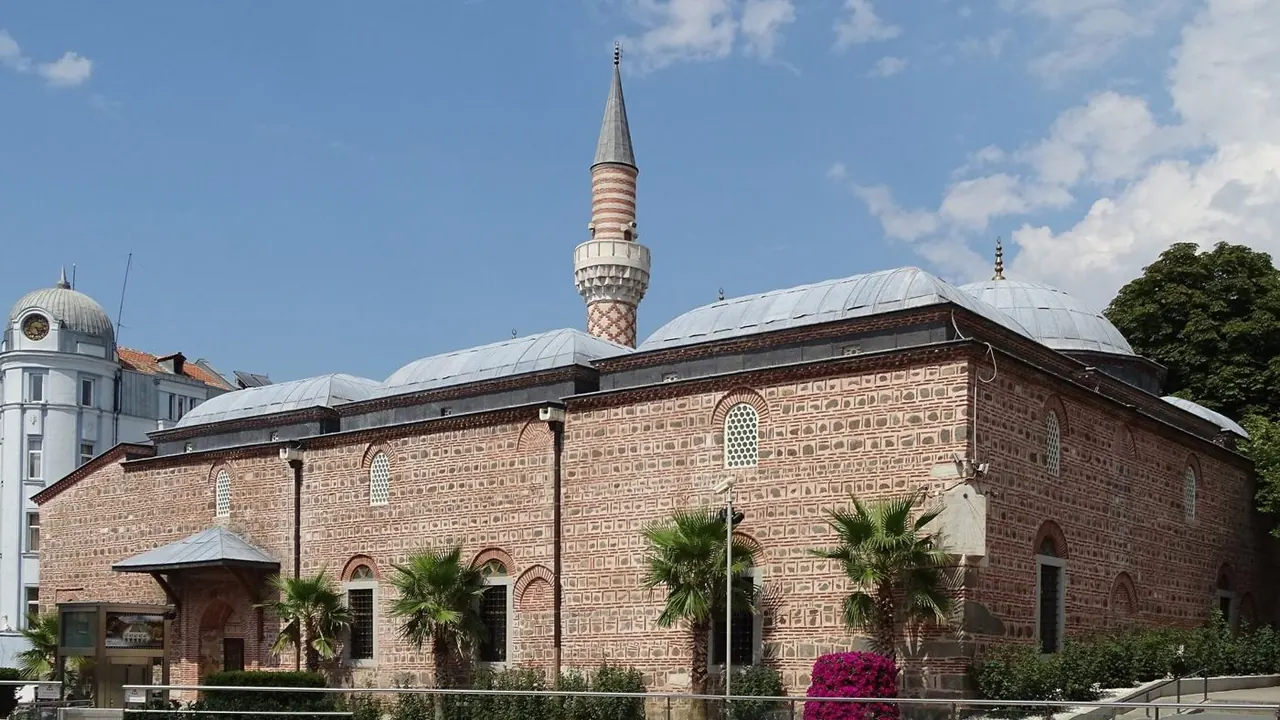
Photos: Bucharest by Jorge Láscar, CC BY 2.0, cropped; Plovdiv by Ad Meskens, CC BY-SA 4.0, cropped.
Bucharest or Plovdiv?
Our verdict in twelve categories, each scored against the same fixed benchmark cities, and the climate month by month, so you can choose for your trip.
Choose Bucharest for
- nightlife
- live music and the arts
- families
Bucharest suits travellers who want a capital with late nights and a proper concert calendar. Its Old Town lanes, courtyard garden bars and techno clubs keep going long after Plovdiv has gone quiet. The Athenaeum and the National Opera give it real evenings of classical music, and children get more to do, from the natural history museum to the thermal pools on the city's edge.
Choose Plovdiv for
- nature and the outdoors
- day trips
- getting around
Plovdiv is the better pick for a slower trip on foot, built around history and countryside. Roman ruins lie open along a car-free main street, the painted Revival houses of the Old Town sit a short climb above, and the Rhodopes, Bachkovo Monastery and the Thracian sites are all within easy reach for anyone with a car. Your money also goes further here.
Scoreboard
Twelve categories on one fixed scale from 0 to 100. The shaded stretch is the gap between the two.
Your match
Pick a travel style or drag the sliders, and both match scores follow your weighting.
Too close to call, 1 point apart
Wins on nightlife and live music and the arts with your weighting.
Wins on nature and the outdoors and day trips with your weighting.
What matters to you?
Category by category
What the scores mean for a trip.
Beaches & swimming
Neither city is a beach destination. In Bucharest, summer swimming means Lake Snagov north of town or the big pool complexes on the outskirts. Plovdiv locals use outdoor pools, the rowing canal and the reservoirs up in the Rhodopes. From either city the Black Sea is a separate trip of several hours and is worth a few days of its own.
Food & drink
Both kitchens are hearty and rural at heart, Romanian ciorba and sarmale on one side, Bulgarian kavarma, kebapche and banitsa on the other, and neither city pulls far ahead. Bucharest has more beyond the taverns, with bistros, specialty coffee and wine bars around Dorobanti and Piata Romana, and the Obor market shows how the city really shops.
Plovdiv's edge is in the glass. Thracian Valley reds such as Mavrud are poured everywhere and the wineries lie just outside town, though the cooking stays Bulgarian and Balkan, and Kapana's bistros are about as smart as it gets.
Culture & sights
Plovdiv gives a sightseer more, and of a rarer kind. It has a Roman theatre still set into its hillside, a stadium lying beneath the shopping street, early Christian mosaics in its basilicas and an Old Town of painted National Revival merchant houses, all layered over thousands of years of continuous settlement.
Bucharest appeals through contrast rather than beauty. The Belle Epoque mansions and the Athenaeum along Calea Victoriei, little Stavropoleos church and the vast Palace of the Parliament tell the story of a city rebuilt again and again. The National Museum of Art and the open-air Village Museum add strong painting and folk collections, and each city needs two or three days.
Nightlife
Nightlife is where Bucharest wins most clearly. The Old Town fills every night with crowded terraces and clubs. Around Piata Romana, in the courtyard garden bars and on a respected techno and minimal scene, nights carry on until after sunrise, and in summer the rooftops keep them going longer still.
Evenings in Plovdiv are smaller and gentler. They centre on the craft beer and wine bars of Kapana, with a few clubs and some bars by the river. The city suits a long glass of Mavrud on the pavement better than a night of dancing.
Nature & outdoors
Plovdiv has mountains on its doorstep. Its own rocky hills give short climbs inside the town, and the forested Rhodopes begin about 20km away with gorges and trails. Pamporovo offers skiing, and the Central Balkan range is an hour's drive north.
Bucharest is flat, and its outdoors means lakes and parks: Herastrau for rowing and cycling, and the reed wetland at Vacaresti for birdwatching. The Bucegi mountains and the Prahova valley are a couple of hours away by train and work better with a night there.
Day trips
Plovdiv is the stronger base. Bachkovo Monastery and the Asenovgrad fortress are half an hour away. Hisarya's Roman walls, the Thracian tomb at Kazanlak, the Valley of Roses and the Revival village of Koprivshtitsa all make comfortable days out, ideally with a hire car.
From Bucharest the standout is Peles Castle at Sinaia, an easy train ride away, with Mogosoaia palace and Snagov's island monastery closer to town. Brasov and Bran really need an overnight stay, and beyond those the choice narrows.
Good for families
Bucharest gives children more to do. The Grigore Antipa museum, the farmhouses and windmills of the Village Museum, boat hire on the park lakes and a huge thermal complex with slides can fill several days. The heavy traffic, broken pavements and wide boulevards do wear parents down.
Plovdiv is calmer, and its car-free main street is easy with a pushchair. Beyond the singing fountains in the Tsar Simeon Garden, Lauta park and the rowing canal, though, there is little aimed at children, and the steep cobbles of the Old Town are hard going.
Getting around
Plovdiv is far easier on foot. One long pedestrian street links the station side of town, the Roman ruins, Kapana and the Old Town, so most visitors barely need a bus. Taxis cover the rest cheaply, and only the polished cobbles on the hills need care.
Bucharest is bigger and slower to cross. The core around Calea Victoriei is walkable and the metro is reliable, but the metro misses parts of the city and rush-hour traffic is heavy, so most visitors rely on ride-hailing apps.
Shopping & style
Bucharest has more to shop for, if not much to excite. There are big malls in the north, a few luxury labels near Piata Victoriei and Romanian designers in the old villa districts. For something local, the Village Museum shop and the craft fairs in the parks sell embroidered blouses and ceramics.
Plovdiv has no luxury shopping, and its main street is mostly chains. Kapana's small studios and galleries and the antique stalls on the way up to the Old Town are pleasant places to find rose oil, pottery and a bottle of Thracian wine.
Affordability
Both are among the cheaper places to visit in the European Union, but Plovdiv makes a budget go further. Guesthouses near the Old Town, mehana meals with local wine and taxis all cost little, and many of its pleasures, from the ruins on the main street to evenings in Kapana, are free.
Bucharest is cheap for a capital, especially the metro, ride-hailing and tavern lunches. Its smarter restaurants and cocktail bars in the north, though, charge close to Western European prices.
Live music & performing arts
Bucharest has the fuller calendar. The George Enescu Philharmonic plays under the frescoed dome of the Athenaeum and the National Opera runs a full season of opera and ballet. Every other year, in late summer and early autumn, the Enescu Festival brings leading orchestras to the city, and jazz clubs fill the other nights.
Plovdiv's scene is modest and mostly local, but it has a setting Bucharest cannot match: opera and concerts on summer evenings in the Roman theatre. In both cities theatre is performed almost entirely in the local language.
Wellness & relaxation
Neither city is a spa town, and they offer different kinds of rest. Bucharest has one huge thermal-water complex half an hour north, with warm pools under a glass dome and saunas, enough for a full day, and quiet mornings by the lake in Herastrau make up for the traffic.
Plovdiv relaxes you through its pace: the local habit of aylyak, taking things slowly, and long coffees under the plane trees. For real mineral bathing you head out to Hisarya or Velingrad, each an outing of its own rather than a short hop out of town.
When should you go?
Pick your month. The climate figures are measured averages, not a forecast.
Bucharest in July
Plovdiv in July
Daytime high, °C
Rainfall in the month, mm
Where the figures come from
Plovdiv has no rain gauge within 25 km of the centre, so its rainfall comes from a gridded climate dataset read at the city rather than from a gauge further away.
Plovdiv's sunshine is measured 75 km from the centre, at Kurdjali.
Temperature and rainfall are climate normals, averaged over the years shown. Bucharest: 1991-2020 normals, Bucuresti / Imh (10 km from centre). Plovdiv: 1997-2020 (sunshine 1991-2020, rainfall 1991-2020) normals, Plovdiv (1.2 km from centre).
Both cities have hot summers and cold winters, and neither has a beach, so the question is when walking the streets is comfortable. Spring and early autumn suit both best. May and September bring highs in the mid-twenties. July and August reach around 31°C on both plains, sunny but heavy going in the afternoons.
The differences come at the edges of the year and in the rain. Bucharest has the harder winter, with January highs of only 3°C against Plovdiv's milder days. Its wettest spell comes in early summer and peaks at 49mm in June. Plovdiv runs the other way: late summer is its driest time, with August down to 26mm, and the rain builds through autumn and winter, with December the wettest month.
Which traveller are you?
For a food and nightlife trip, Bucharest is the stronger choice. It is a capital that eats late, goes out later and has a different kind of night in each district, from loud terraces to serious clubbing. Plovdiv suits a long dinner with local wine, then bed.
On an outdoors trip, Bucharest offers park walks and lake days, but real hiking means a night away. Plovdiv is the better base, with mountain walking and winter snow a short drive from your guesthouse. A hire car makes this much easier.
On a family trip with children, Bucharest keeps them interested for longer. It has enough indoor and outdoor outings for several days in any weather, though the traffic wears parents down. Plovdiv suits a gentler weekend of strolling and parks, but after that children run short of things to do.
Before you go
| Measure | Bucharest | Plovdiv |
|---|---|---|
| Official language | Romanian | Bulgarian |
| Currency | Romanian Leu (RON) | Euro (EUR) |
| Sockets | CF230 V, 50 Hz | CF230 V, 50 Hz |
| Driving side | Right | Right |
| Time zone | UTC+2, UTC+3 in summer | UTC+2, UTC+3 in summer |
| Emergency number | 112 | 112 |
| Elevation | 70 m | 172 m |
| Main airport | Bucharest Henri Coandă International Airport (OTP)18 km from centre121 non-stop destinations | Plovdiv International Airport (PDV)12 km from centre8 non-stop destinations |
| Public holidays this year | 17 days | 15 days |
By the numbers
| Measure | Bucharest | Plovdiv |
|---|---|---|
| City population | 1,716,961 | 333,994 |
| People per km² | 7,597 | 3,274 |
| Museums within 10 km | 41 | 18 |
| UNESCO World Heritage sites within 50 km | 0 | 0 |
Where else could you go?
Every comparison below shares a destination with this one, so you can follow Bucharest or Plovdiv somewhere new.