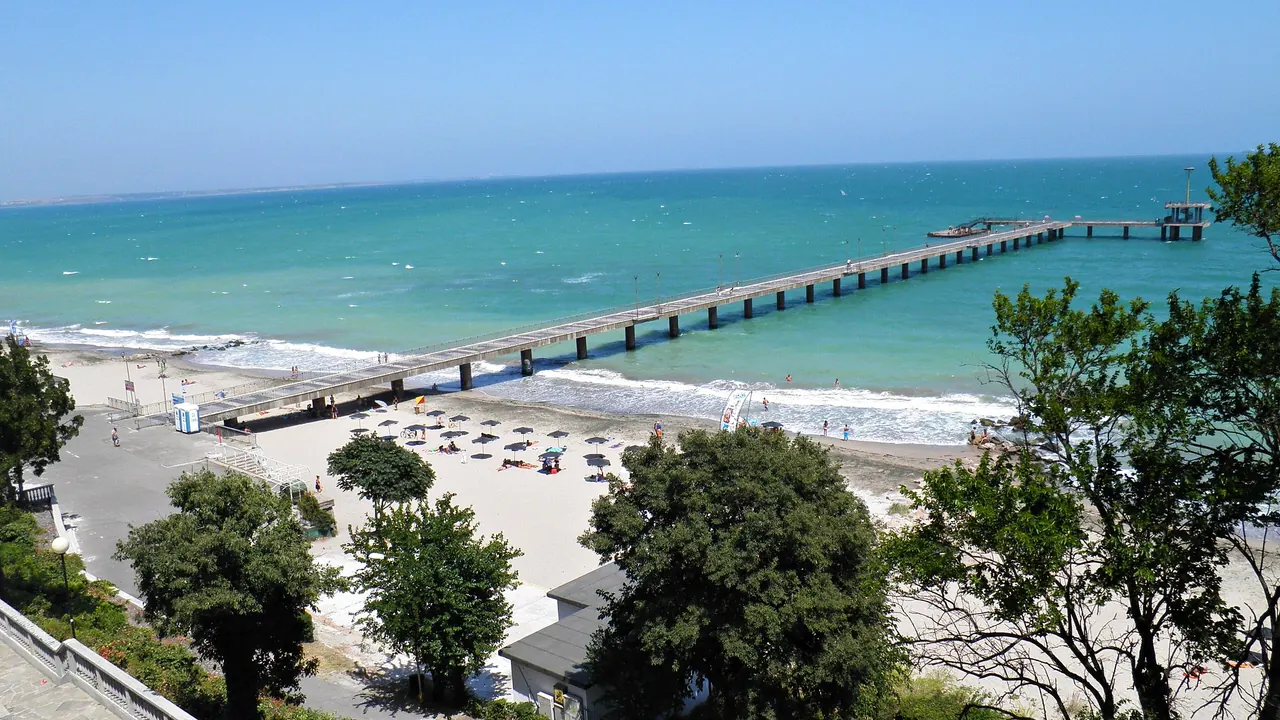
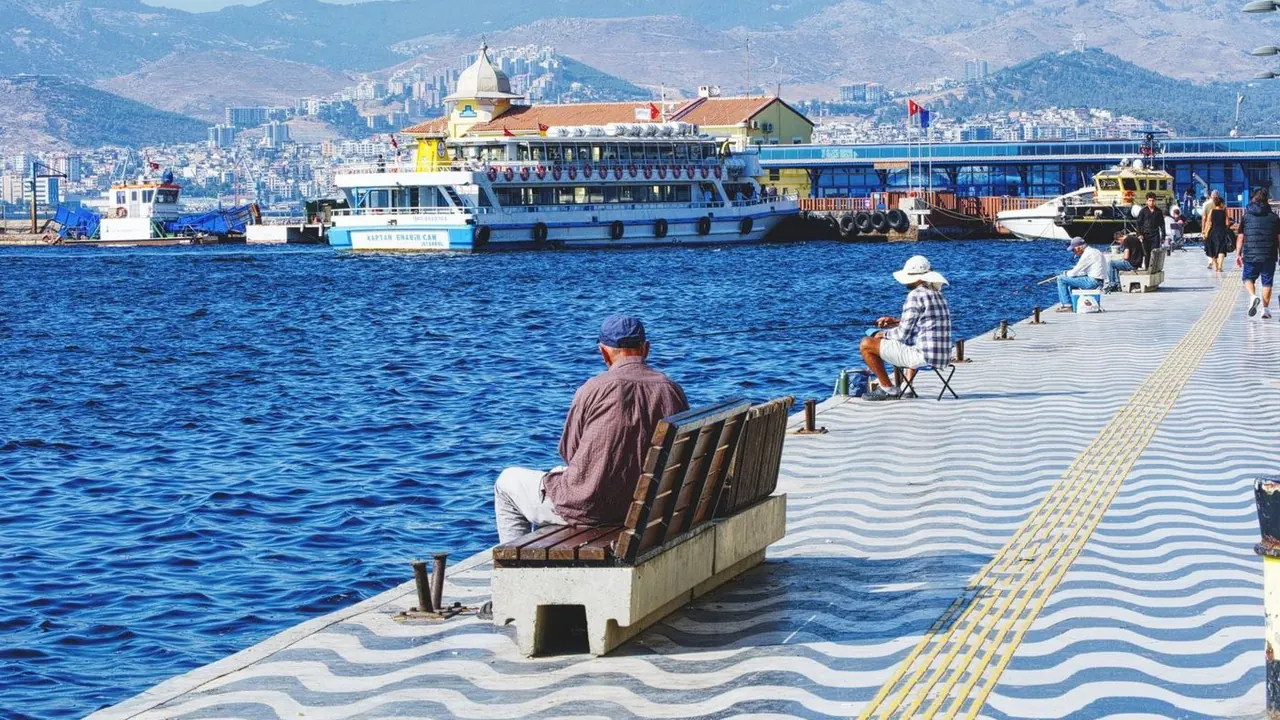
Photos: Burgas by Mister No, CC BY 3.0, cropped; Izmir by Toygar Par, Pexels License.
Burgas or Izmir?
Our verdict in twelve categories, each scored against the same fixed benchmark cities, and the climate month by month, so you can choose for your trip.
Choose Burgas for
- prices
- beaches
Burgas suits a summer beach vacation where the sea is the point and the budget matters. Soft sand lies a few minutes from a small, walkable centre, the old towns of Nessebar and Sozopol make easy outings, and the lakes bring great bird migrations in late summer and autumn. Come between late June and mid-September, and expect simple food and quiet evenings.
Choose Izmir for
- food and drink
- day trips
- shopping
Travellers who want more from the city itself are better off in Izmir. It eats far better, has livelier evenings and a real working bazaar, and is an outstanding base for Ephesus, Pergamon and the rest of the ancient Aegean. Beaches here are a day out rather than on the doorstep, so it suits a trip where sightseeing and meals come first and swimming second.
Scoreboard
Twelve categories on one fixed scale from 0 to 100. The shaded stretch is the gap between the two.
Your match
Pick a travel style or drag the sliders, and both match scores follow your weighting.
Wins on prices and beaches with your weighting.
Wins on food and drink and day trips with your weighting.
What matters to you?
Category by category
What the scores mean for a trip.
Beaches & swimming
Burgas has the beach on its doorstep. Central Beach, below the Sea Garden, is a short walk from the centre, with soft dark sand and gently shelving water, and Sozopol's bays, Sunny Beach and the quieter sands towards Primorsko are all within an hour. The drawbacks are the nearby port and a short season.
In Izmir the city waterfront is not for swimming, so every beach day means travelling about an hour to the Cesme peninsula, with Ilica's sandy shallows and the wilder coves around Altinkum, or south to Gumuldur. The water is about as warm, but the northerly winds can make it feel cooler, and the beach is an outing rather than part of daily life.
Food & drink
Izmir is much the better place to eat. Its Aegean cooking is built on olive oil, herbs and wild greens. Meyhane tables of meze and raki by the water and street breakfasts of boyoz and gevrek give the city its own food identity, and Kemeraltı's market lanes add fish, olives and old-fashioned dessert shops.
Burgas eats well but plainly: fried sprats, grilled bluefish and mussels at harbourside places, shopska salad and good, cheap Pomorie wine. Beyond that the choice narrows quickly, and the promenade menus lean towards standard summer fare.
Culture & sights
Neither is a great monument city, but Izmir has more to show. Ancient Smyrna lies beneath the modern streets, and its Roman Agora is the main sight. Above it stand the walls of Kadifekale, with the Clock Tower on Konak Square, Ottoman caravanserais in Kemeraltı and solid archaeology and ethnography museums below. The fire of 1922 left the centre mostly modern, though.
Burgas is younger still: a port city of handsome early twentieth-century buildings, a cathedral and small regional museums. Its best sights are at the edges, with the boat to St Anastasia Island and the Roman and Ottoman baths of Aquae Calidae, and two days covers it all.
Nightlife
Izmir has the livelier evenings all year round. People start with sunset drinks on the Kordon, then move to the packed small bars and rock bars in Alsancak's back streets, where the crowd spills into the lanes until late. Clubbing in the city itself is modest, and the big summer nights happen in Alaçatı and Çeşme.
Burgas is only really busy in summer, when the Sea Garden beach bars and the bars around Aleksandrovska and Bogoridi stay open late. Out of season, evenings end in a mehana, and anyone after an all-night party heads up the coast to Sunny Beach.
Nature & outdoors
Both have wetlands full of flamingos, the Gediz Delta outside Izmir and the four lakes around Burgas, but Izmir has the bigger landscapes. The Karaburun and Cesme peninsulas have cliffs and olive groves, Spil Mountain has pine forest, and Bozdağ rises above 2,000m with skiing in winter. Alaçatı's steady winds draw windsurfers and kitesurfers.
Burgas has no mountains within reach, but its lakes lie on the Via Pontica migration route. In late summer and autumn, huge flocks of storks and pelicans pass overhead and can be watched from the hides at Poda. Strandzha's low oak and beech hills and flat cycling around the lakes complete a gentler picture.
Day trips
This is where Izmir pulls furthest ahead. Ephesus is about an hour away by train, Pergamon and Sardis around two hours, and Priene, Miletus and Didyma make a full day to the south. A week here can be built around some of the finest ancient sites in the Mediterranean, with Şirince, Alaçatı and Old Foça for lighter days.
The outings from Burgas follow the coast and are smaller in scale, but good. There are the UNESCO-listed churches and timber houses of Nessebar, Sozopol's wooden old quarter, Pomorie's Thracian tomb and salt museum, and Varna just under two hours north. Plovdiv and the great inland sites are too far for a day.
Good for families
Both are easy places to bring children, for different reasons. In Burgas the draw is the beach itself, a short walk from the flat centre, with warm, gently shelving water and the shady playgrounds of the Sea Garden. Little else is built for children, though, and the water parks are up the coast.
Izmir has more to do in the city: the Sasalı Wildlife Park, Kültürpark's small fun fair and cheap ferry rides across the bay. However, the shallow sands of Ilica are an hour away, and the midsummer heat pushes sightseeing into the mornings.
Getting around
Both centres are flat and walkable, but the scale is very different. Burgas is small enough to cover on foot between the station, the pedestrian streets and the Sea Garden, and the airport is close by. Regional buses run along the coast and fill up in high summer, and a car is best for the lakes and Strandzha.
Izmir stretches round its gulf and needs real transport: a metro, the İZBAN suburban line, trams, buses and the bay ferries, all on one card. Trains reach Selçuk for Ephesus, but Pergamon, Cesme and the southern ruins are easier with a hire car or a tour.
Shopping & style
Izmir is clearly the better place to shop, and Burgas doesn't really compete. Its pedestrian Aleksandrovska and Bogoridi streets have the usual chain stores, with a couple of malls and the central produce markets nearby. The best things to buy are things to eat, drink or use: Bulgarian rose oil and rose cosmetics, honey, salt from the Pomorie pans and a few bottles of local wine.
In Izmir, shopping is worth a morning of its own. Kemeraltı is a real bazaar, where people from the city buy fabrics, copperware, leather and spices in lanes and Ottoman hans, and the courtyard of Kızlarağası Han is the place to stop for a while. Because it serves locals rather than tour groups, it feels far less staged than a resort market. Alsancak's boutiques and Turkish chains cover clothes, and olive oil soaps, Aegean herbs and Urla wine make the natural things to take home.
Affordability
Both are inexpensive by Western European standards, but Burgas makes a budget go further. Meals of grilled fish, local wine, coastal buses and museum entry all cost little, and rooms in the city are cheaper than in the resorts. Only July and August push prices up.
Izmir is cheap for street food, lokanta meals and transport. Alcohol is heavily taxed, though, so meyhane and seafood dinners cost more, the Cesme peninsula charges resort rates in summer, and entry to Ephesus and the other ancient sites adds up over a week.
Live music & performing arts
Izmir has the fuller stage life. It has state opera and ballet at the historic Elhamra theatre and a state symphony, and above all the International Izmir Festival, which brings summer concerts to the ancient theatre at Ephesus. Alsancak bars add live rock, jazz and Turkish music.
Burgas has its own State Opera, a philharmonic and open-air summer festivals in the Sea Garden, but on a regional scale. Its most distinctive tradition, Strandzha's nestinari fire-dancing, lives on in the villages rather than on a stage.
Wellness & relaxation
Mud is the Burgas cure. The black, salty mud of the Atanasovsko and Pomorie lakes goes into therapeutic wraps at sanatoria, and plenty of visitors simply smear it on at the lake shore and let the sun bake it dry. For polished spa hotels you have to go out to Pomorie rather than stay in the city.
Izmir gives a wellness-minded visitor a little more range, built on hot water and steam. The Balçova springs, known in antiquity as the Baths of Agamemnon, feed thermal hotel pools, Ilıca has warm springs rising near the shore, and a few old neighbourhood hammams in Kemeraltı still offer a traditional scrub. Neither city has a spa worth the journey on its own, though.
When should you go?
Pick your month. The climate figures are measured averages, not a forecast.
Burgas in July
Izmir in July
Daytime high, °C
Rainfall in the month, mm
Where the figures come from
Burgas's sunshine is measured 86 km from the centre, at Varna.
Temperature and rainfall are climate normals, averaged over the years shown. Burgas: 1991-2020 (rainfall 1981-2010) normals, Burgas (2.4 km from centre). Izmir: 1991-2020 normals, Izmir (3.4 km from centre).
Burgas has a shorter, milder summer. The sea is only properly warm from late June to mid-September, peaking at around 25°C in August, while daytime highs stay in the high twenties, still comfortable for walking. Rain is spread fairly evenly through the year and is heaviest in autumn. Winters are cold and grey, with January highs of about 7°C, so the city is really a summer destination.
Izmir runs hotter, drier and noticeably sunnier. July and August reach about 34°C with almost no rain. That is fine for the beach, where the sea is about as warm as at Burgas, but too hot for sightseeing in the middle of the day. The best walking months are May and from late September into October, when it is warm and sunny. Winters are mild but wet, with December bringing around 127mm.
Which traveller are you?
On a beach and sun trip, Burgas is the easier choice. Soft sand and warm, shallow water are a short walk from the centre, and several quite different beaches lie within an hour. From Izmir, every swim means a trip out of the city.
For a culture and arts trip, Izmir wins clearly. Ephesus, Pergamon and Sardis are all within reach for a day, Smyrna's agora and the Kemeraltı bazaar fill the days in the city, and the summer festival puts concerts in ancient theatres.
On a food and nightlife trip, Izmir is the place. Meze and raki tables by the water, boyoz for breakfast and the street-bar crowds of Alsancak are there all year round. Burgas eats simply and only really comes alive in summer.
Before you go
| Measure | Burgas | Izmir |
|---|---|---|
| Official language | Bulgarian | Turkish |
| Currency | Euro (EUR) | Turkish Lira (TRY) |
| Sockets | CF230 V, 50 Hz | CF230 V, 50 Hz |
| Driving side | Right | Right |
| Time zone | UTC+2, UTC+3 in summer | UTC+3 |
| Emergency number | 112 | 112 |
| Elevation | 30 m | 2 m |
| Main airport | Burgas Airport (BOJ)8 km from centre69 non-stop destinations | Adnan Menderes International Airport (ADB)13 km from centre120 non-stop destinations |
| Public holidays this year | 15 days | 14 days |
By the numbers
| Measure | Burgas | Izmir |
|---|---|---|
| City population | 189,086 | 4,493,242 |
| People per km² | 746 | 4,760 |
| Museums within 10 km | 7 | 29 |
| UNESCO World Heritage sites within 50 km | 1 | 0 |
| Swim season, months above 21 °C | 4 months | 5 months |
Where else could you go?
Every comparison below shares a destination with this one, so you can follow Burgas or Izmir somewhere new.