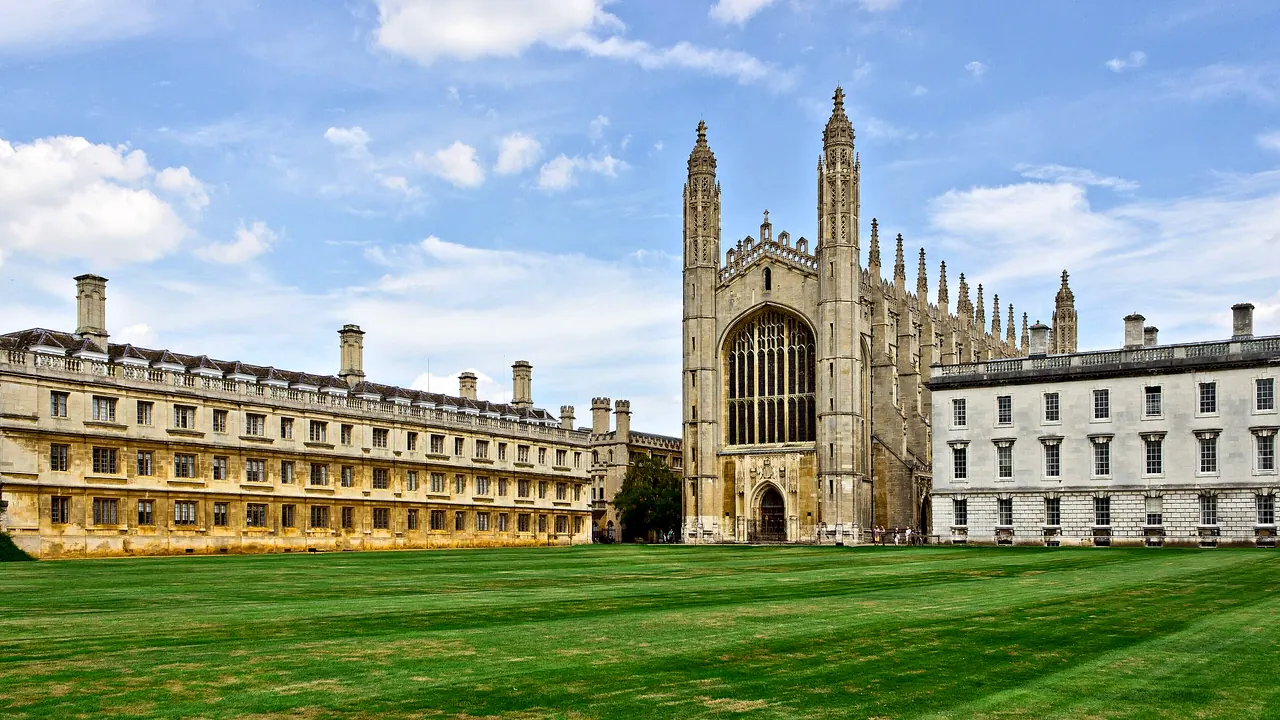
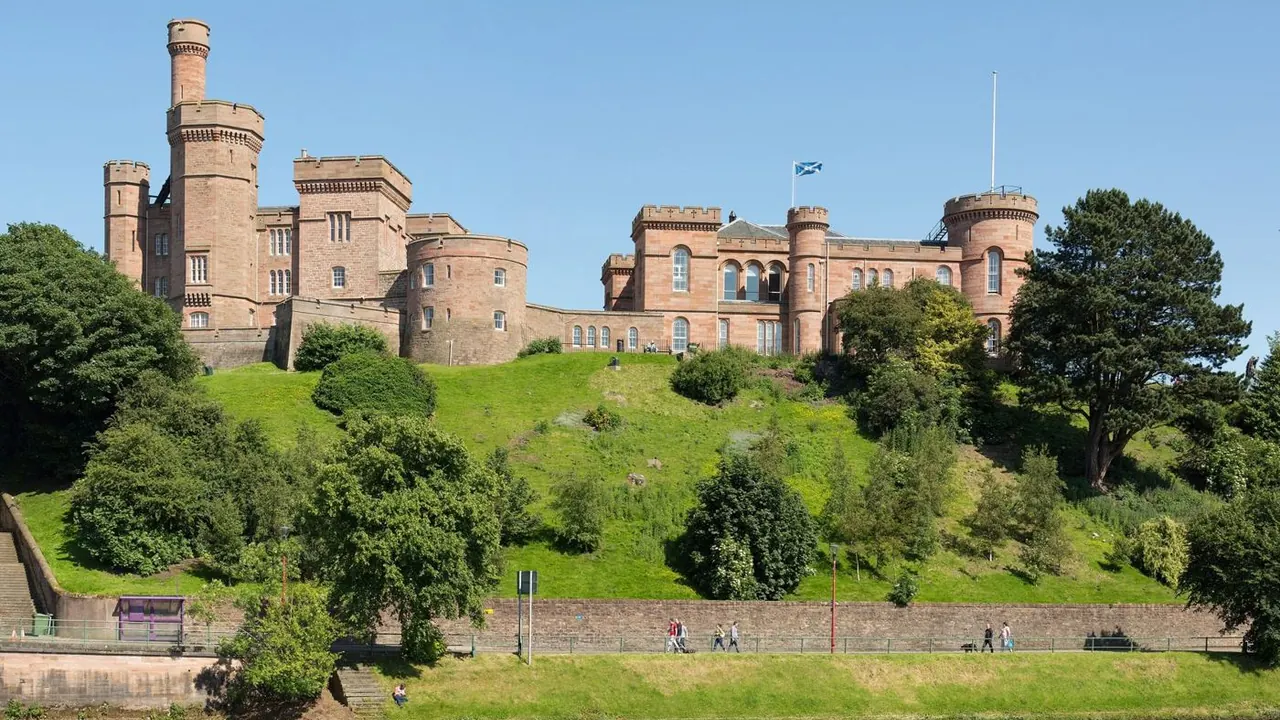
Photos: Cambridge by Dmitry Tonkonog, CC BY-SA 3.0, cropped; Inverness by Diliff, CC BY-SA 3.0, cropped.
Cambridge or Inverness?
Our verdict in twelve categories, each scored against the same fixed benchmark cities, and the climate month by month, so you can choose for your trip.
Choose Cambridge for
- culture and sights
- getting around
- day trips
Cambridge is for travellers who want history and fine buildings within walking distance. The colleges, King's College Chapel, the Fitzwilliam and choral evensong fill two or three unhurried days without needing a car, and fast trains to London, Ely and Norwich make it a strong base for a longer stay. It suits a culture-led trip, a weekend away or anyone who would rather walk and cycle than drive.
Choose Inverness for
- nature and the outdoors
- beaches
- prices
Choose Inverness if the landscape matters more than the town. It is the gateway to Loch Ness, Glen Affric, the Cairngorms and the dolphins at Chanonry Point, and most days are spent out in the glens rather than in its streets. Walkers, cyclists, wildlife watchers and road-trippers with a hire car will get far more from it than visitors looking for museums or evenings out.
Scoreboard
Twelve categories on one fixed scale from 0 to 100. The shaded stretch is the gap between the two.
Your match
Pick a travel style or drag the sliders, and both match scores follow your weighting.
Wins on culture and sights and getting around with your weighting.
Wins on nature and the outdoors and beaches with your weighting.
What matters to you?
Category by category
What the scores mean for a trip.
Beaches & swimming
Inverness has the better shore, though neither city is somewhere to plan a beach vacation. Nairn's long, clean sands are about twenty-five minutes away, and Rosemarkie and Chanonry Point on the Black Isle are prettier still. With the firth staying cold even in August, those beaches are for walking and dolphin watching rather than swimming.
Cambridge is inland, and the Suffolk and Norfolk coast is about an hour and a half's drive away. Swimming there means fresh water, at the 1920s Jesus Green Lido or in the river at Grantchester Meadows.
Food & drink
The two eat about equally well, in different ways. Cambridge has no local cuisine but more variety: old riverside pubs serving Sunday roasts, street food on Market Hill, tea rooms, and Asian and Mediterranean cooking along Mill Road.
Inverness has a real regional larder, with west coast langoustines, Moray Firth seafood, venison and smoked salmon, and whisky bars with long lists of malts. The choice is narrow, though, and in summer the best tables need booking.
Culture & sights
Cambridge is far stronger here. Eight centuries of colleges line the Backs, with King's College Chapel, Trinity's Great Court and the Wren Library at their heart, and university museums led by the Fitzwilliam add art and antiquities on a scale unusual for a small city.
Inverness has a handsome sandstone castle above the Ness, a cathedral across the river and a compact museum of Highland and Pictish history. Its most important site, the Culloden battlefield, is out of town on the moor.
Nightlife
Neither is a party town, but Cambridge has a little more going on. Bars around Regent Street and Mill Road and the student clubs keep things busy during term, summer evenings spill onto the riverside greens, and London is under an hour away for a bigger night.
Evenings in Inverness centre on wood-panelled pubs and whisky bars around Church Street, where a slow dram is the point. On weeknights the town is quiet well before midnight.
Nature & outdoors
This is where Inverness clearly leads. Loch Ness and the Great Glen start twenty minutes away, Glen Affric's pine forest and the Cairngorm plateau are about an hour out, and Torridon and the road to Skye are within reach for a long day. Bottlenose dolphins can be watched from the shore at Chanonry Point.
Cambridge's outdoors is gentle and flat: punting through the Backs, water meadows on the way to Grantchester, and birds and wild ponies at Wicken Fen. It is lovely for an afternoon, but there are no hills.
Day trips
Cambridge is the better base for outings, mostly by train. London is under an hour away, Ely Cathedral about fifteen minutes and Norwich a little over an hour. The Suffolk wool towns, Bury St Edmunds and Audley End are an easy drive.
From Inverness, the trips are to single sites rather than towns: Urquhart Castle, Cawdor, Fort George, the Clava Cairns and the Speyside distilleries. Most are much easier by car or on a tour, and there is no other city within reach.
Good for families
Both are small, safe and easy with children, but the days look different. Cambridge leans on indoor exhibits: the whale skeleton at the free Museum of Zoology, the Sedgwick's dinosaurs and the historic aircraft at Duxford, with punting as the outdoor treat.
Inverness is more about being outside, with monster-hunting boat trips on Loch Ness, dolphins at Chanonry Point and polar bears at the Highland Wildlife Park. The Aquadome pool is there for the frequent wet days.
Getting around
Cambridge is the easier place to be without a car. Colleges, museums, market and river are packed into a flat, largely pedestrian centre, and a hired bike covers the rest. The one awkward walk is from the station on the edge of town.
Inverness's centre is just as walkable and its station is central, with scenic lines to Kyle of Lochalsh and Thurso. The glens and castles, though, lie down single-track roads with sparse buses, so most visitors hire a car or book tours.
Shopping & style
Cambridge offers more browsing. Academic and second-hand bookshops are the speciality, with independent shops on Green Street and Trinity Street and vintage shops along Mill Road, all on a modest scale.
Inverness is quicker to cover but more distinctive in what it sells: tartan, tweed, knitwear, Celtic silver and malt whisky, mostly in and around the 1870s Victorian Market.
Affordability
Rooms take the biggest bite in Cambridge, where hotels are few and demand from university visitors and conferences stays steady all year, and eating out costs what it does in the wealthy south-east. Free university museums, free evensong and a centre you can cover on foot help to balance that.
Inverness works out cheaper, mainly because its rooms come down a long way outside July and August. Walking in the glens costs nothing, though car hire, tours and distillery visits soon add up.
Live music & performing arts
Cambridge has the richer programme, and its signature is choral evensong. The choirs of King's, St John's and Trinity sing in candlelit chapels during term, and the Arts Theatre, the student ADC Theatre and the long-running Folk Festival add drama, comedy and music.
Inverness relies on Eden Court for touring theatre and concerts. Its own strength is traditional music: fiddle and accordion sessions in the pubs and Highland music at the summer Games.
Wellness & relaxation
For a slow, restful few days Cambridge has the edge, even with no spas of its own to speak of. An afternoon drifting in a punt, a bench in a college garden or the Botanic Garden, and tea in an orchard at Grantchester all make for quiet hours, as long as you avoid King's Parade on summer afternoons.
In Inverness the calm comes from the pace of the town: walks round the Ness Islands, long light evenings and a dram by the fire. For pampering there are spas at the country-house hotels around Loch Ness and a sauna at the Aquadome.
When should you go?
Pick your month. The climate figures are measured averages, not a forecast.
Cambridge in July
Inverness in July
Daytime high, °C
Rainfall in the month, mm
Where the figures come from
Cambridge's temperatures are measured 59 km from the centre, at Wattisham.
Cambridge has no rain gauge within 25 km of the centre, so its rainfall comes from a gridded climate dataset read at the city rather than from a gauge further away.
Inverness has no rain gauge within 25 km of the centre, so its rainfall comes from a gridded climate dataset read at the city rather than from a gauge further away.
Inverness's sunshine is measured 43 km from the centre, at Kinloss.
Temperature and rainfall are climate normals, averaged over the years shown. Cambridge: 1991-2020 normals, Wattisham (58.5 km from centre). Inverness: 2005-2020 (sunshine 1991-2020, rainfall 1991-2020) normals, Inverness / Dalcross (11.9 km from centre).
Neither city gets warm enough for a beach day. Cambridge is at its best from May to September, when highs reach about 22°C in July and August and sunshine is most reliable from April through August. Rain is spread fairly evenly through its year, a little heavier in autumn but never heavy, so walking the colleges and punting on the river work for a long stretch. In winter the days are short and grey, though rarely very wet.
Inverness is close to Cambridge's temperature in winter, a degree cooler at most, but the gap opens in summer, when it peaks at about 19°C. The bigger winter difference is rain. Inverness gets around 102mm in January against about 44mm in Cambridge, and it is wet and dark from October to January. April to June is its driest and brightest spell, May the sunniest month, and the long light evenings carry on through July and August. The firth only reaches about 14°C at its warmest, so it is for walking the shore, not swimming. Through the winter Cambridge is the easier city visit, while the Highlands suit walkers who come well prepared.
Which traveller are you?
On an outdoors trip, Inverness wins easily. Loch Ness, Glen Affric and the Cairngorms are all within about an hour, with hiking, cycling and dolphin watching. Around Cambridge you get flat fen, towpaths and a punt on the Cam.
For a culture and arts trip, choose Cambridge. Its colleges, King's College Chapel and the Fitzwilliam are a historic centre of real weight, and evensong by world-famous choirs comes free. Inverness offers a castle view, a compact museum and Culloden.
For a short city break, Cambridge is the better fit. Everything sits in a flat, walkable centre, the station links directly to London, and two days covers the highlights. The main sights around Inverness are spread out and much easier to reach with a car.
Before you go
| Measure | Cambridge | Inverness |
|---|---|---|
| Official language | English | English |
| Currency | Pound Sterling (GBP) | Pound Sterling (GBP) |
| Sockets | G230 V, 50 Hz | G230 V, 50 Hz |
| Driving side | Left | Left |
| Time zone | UTC, UTC+1 in summer | UTC, UTC+1 in summer |
| Emergency number | 112 or 999 | 112 or 999 |
| Elevation | 6 m | 7 m |
| Main airport | London Stansted Airport (STN)37 km from centre197 non-stop destinations | Inverness Airport (INV)12 km from centre15 non-stop destinations |
| Public holidays this year | 8 days | 10 days |
By the numbers
| Measure | Cambridge | Inverness |
|---|---|---|
| City population | 123,867 | 47,380 |
| People per km² | 3,043 | 2,289 |
| Museums within 10 km | 17 | 3 |
| UNESCO World Heritage sites within 50 km | 0 | 0 |
| Swim season, months above 21 °C | - | None |
Where else could you go?
Every comparison below shares a destination with this one, so you can follow Cambridge or Inverness somewhere new.
- Londonvs Cambridge
- Oxfordvs Cambridge
- Aberdeenvs Inverness
- St Andrewsvs Inverness
- Brightonvs Cambridge
- Glasgowvs Inverness