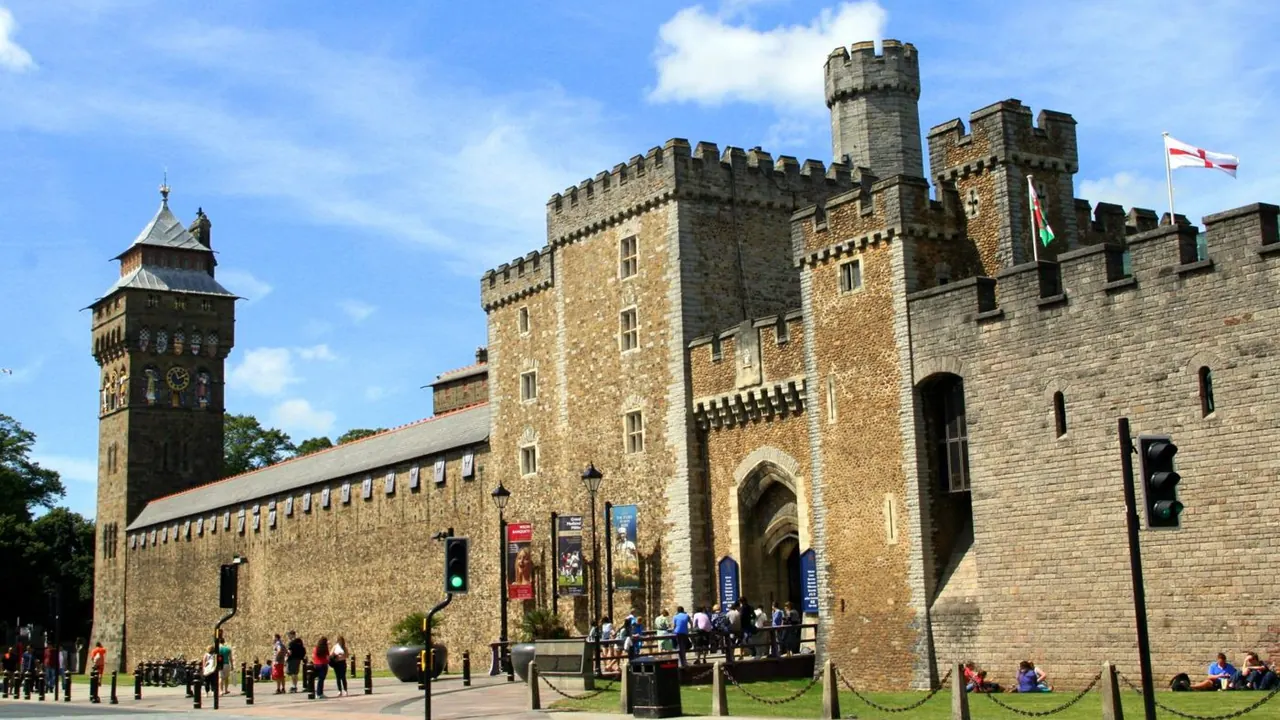
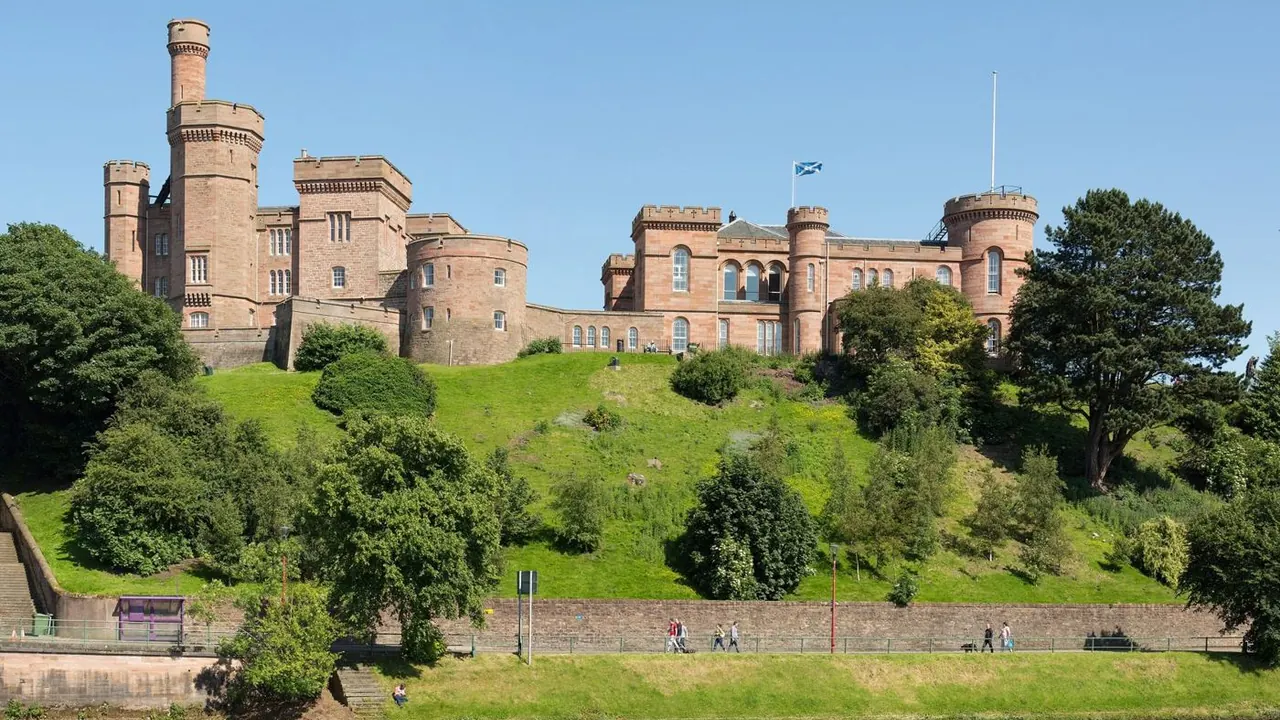
Photos: Cardiff by Tevfik Teker, CC BY 3.0, cropped; Inverness by Diliff, CC BY-SA 3.0, cropped.
Cardiff or Inverness?
Our verdict in twelve categories, each scored against the same fixed benchmark cities, and the climate month by month, so you can choose for your trip.
Choose Cardiff for
- culture and sights
- live music and the arts
- nightlife
Cardiff suits a city trip with real content. There's a castle in the middle of town, free national museums, opera and orchestral music at the Bay, and a loud Saturday night on St Mary Street, all inside a flat, walkable centre. On the days in between, short train rides take you to Caerphilly, Bath or Bristol. You can do the whole trip without a car.
Choose Inverness for
- nature and the outdoors
- wellness
Inverness is better treated as a base than as a destination in its own right. Pick it when the trip is about the landscape: Loch Ness down the Great Glen, the pinewoods of Glen Affric, the Cairngorm plateau and dolphins off Chanonry Point. It works best if you hire a car or book tours, eat Highland seafood and venison, and end the day with a malt in a quiet pub rather than a night out.
Scoreboard
Twelve categories on one fixed scale from 0 to 100. The shaded stretch is the gap between the two.
Your match
Pick a travel style or drag the sliders, and both match scores follow your weighting.
Wins on culture and sights and live music and the arts with your weighting.
Wins on nature and the outdoors and wellness with your weighting.
What matters to you?
Category by category
What the scores mean for a trip.
Beaches & swimming
Neither city is a beach destination, but Cardiff makes a summer seaside afternoon easier. Barry Island's sandy bay and funfair are half an hour away by train, and Penarth's pebble shore and pier are just along the coast. The Bristol Channel is also a few degrees less cold.
Inverness has prettier sand than you might expect: the long beach at Nairn, and Rosemarkie and Chanonry Point on the Black Isle. But the Moray Firth is colder still, so a visit there means a walk along the shore looking for dolphins, not a swim.
Food & drink
Cardiff has the wider range. You can start at the Victorian market with Welsh cakes and laverbread, then move on to the neighbourhood bistros of Pontcanna and Canton and the long run of Middle Eastern and South Asian kitchens on City Road. The local ales in the pubs are good too.
Inverness eats narrower but very well within its range: langoustines, Moray Firth seafood, venison and Cullen skink, with a few serious riverside restaurants. Whisky is the drink that matters here. Choice thins out quickly, and in summer the better tables need booking.
Culture & sights
There's a real gap here. Cardiff Castle stands in the city centre with its lavish coal-money interiors, and across the road the white stone civic centre holds the National Museum and its strong French Impressionists. St Fagans' open-air museum and Llandaff Cathedral fill two or three full days.
Inverness has the red sandstone castle on its bluff as a view rather than a visit, plus the cathedral and a compact museum of Highland and Pictish history. Its most important site, Culloden battlefield, is out on the moor east of town. Most of its history means driving out rather than walking around.
Nightlife
Cardiff is a proper night out, especially at weekends. St Mary Street fills with groups, rugby international days turn the centre red, and Womanby Street has small alternative bars and late venues. The two universities keep it going during term.
Inverness is an evening in the pub. Church Street and the riverside have old wood-panelled bars and whisky bars where a slow dram is the whole point, and the town is quiet before midnight on weeknights.
Nature & outdoors
Inverness has the stronger hand here. Loch Ness, Glen Affric's Caledonian pinewoods and the Cairngorms around Aviemore are each within about an hour, with Torridon and the road to Skye beyond them. Shore-based dolphin watching at Chanonry Point is something Cardiff simply doesn't have.
Cardiff's outdoors is gentler and closer to home: Bute Park and the Taff Trail running north from the castle, the barrage loop, and the coast path past Penarth's cliffs. For a mountain day, Pen y Fan in the Brecon Beacons is an hour's drive away.
Day trips
Cardiff's surroundings are richer and easier to reach. Caerphilly's huge fortress is twenty minutes away by train and Castell Coch sits in the woods just north of the city. Chepstow and Tintern Abbey make a pair, and Bath and Bristol are each about an hour by rail. You can mix castles, Roman Caerleon and the industrial heritage of Big Pit with whole other cities.
Inverness offers single sites rather than towns: Urquhart Castle above Loch Ness, Cawdor, Fort George, the Clava Cairns and the Speyside distilleries. Most of them are much easier by car or on a tour.
Good for families
The two are about even for children, but the days look different. Cardiff keeps everything within walking or train distance: Techniquest at the Bay, the farm animals and old shops at St Fagans, rowing boats on Roath Park lake and Barry Island's funfair in summer.
Inverness has more wildlife and adventure but needs the car. The Highland Wildlife Park has polar bears and snow leopards, there's a forest adventure park at Carrbridge, and you can take a monster-hunting boat trip on Loch Ness. On wet days the Aquadome pool in town is the fallback.
Getting around
Cardiff is easier to manage without a car. The castle, museum, arcades and market are all a few minutes' walk from Central station. A shuttle train or a water taxi along the Taff reaches the Bay, and local lines run out to Penarth, Barry and Caerphilly.
Inverness is just as walkable in its small centre, and its railway lines to Kyle of Lochalsh and Thurso are scenic trips in their own right. The glens and distilleries, though, lie down single-track roads with sparse buses, so most visitors either hire a car or plan around tours.
Shopping & style
Cardiff gives you the better afternoon of browsing, mostly thanks to its glass-roofed Royal, Morgan and Castle arcades with their record, book and vintage shops. Queen Street and the central mall cover the national chains.
Inverness has one Victorian arcade of its own, and shopping there is about taking the Highlands home: tartan, tweed, knitwear, Celtic silver and malts from the specialist whisky shops. An hour or two is enough.
Affordability
Cardiff is somewhat easier on the budget. The national museums, St Fagans included, are free, the centre needs no transport, and the train trips to castles and the coast are short and cheap. The catch is hotel rates on rugby and stadium concert dates.
Inverness costs more in practice, because the landscape you came for usually means car hire or tours, and distilleries charge for visits. Its small stock of rooms fills up and climbs steeply in July and August, so the shoulder seasons are the better buy.
Live music & performing arts
Cardiff is a capital for the stage. The Wales Millennium Centre houses Welsh National Opera, the BBC National Orchestra of Wales is based in the city, and the Royal Welsh College adds a steady run of student shows. The small venues on Womanby Street book bands most nights.
In Inverness, Eden Court carries the touring theatre, dance and concerts for the whole Highlands, and classical music only arrives on tour. Its real draw is traditional: fiddle and accordion sessions in the pubs, and Gaelic song at the Highland Games.
Wellness & relaxation
Neither city has a bathing culture, and in both, relaxing mostly means a hotel spa. In Cardiff that is a city break kind of calm: leisure pools at the Bay hotels, slow mornings in the Pontcanna cafés, a walk through Bute Park.
Inverness leans rural. There are country-house hotel spas around Loch Ness, the Aquadome's sauna, long light summer evenings on the Ness Islands and a dram by the fire.
When should you go?
Pick your month. The climate figures are measured averages, not a forecast.
Cardiff in July
Inverness in July
Daytime high, °C
Rainfall in the month, mm
Where the figures come from
Cardiff has no rain gauge within 25 km of the centre, so its rainfall comes from a gridded climate dataset read at the city rather than from a gauge further away.
Cardiff's sunshine is measured 83 km from the centre, at Lyneham.
Inverness has no rain gauge within 25 km of the centre, so its rainfall comes from a gridded climate dataset read at the city rather than from a gauge further away.
Inverness's sunshine is measured 43 km from the centre, at Kinloss.
Temperature and rainfall are climate normals, averaged over the years shown. Cardiff: 1991-2020 normals, Cardiff-Wales Airport (14.9 km from centre). Inverness: 2005-2020 (sunshine 1991-2020, rainfall 1991-2020) normals, Inverness / Dalcross (11.9 km from centre).
The two climates are close, and both are at their best from May to September. Cardiff runs a degree or so warmer all year, with summer highs around 20°C. It also gets clearly more sunshine from May to August, while Inverness has its brightest weather in May and its long light evenings in June and July. Neither city has beach weather in the Mediterranean sense. The Bristol Channel reaches about 18°C in August, but the Moray Firth only manages around 14°C, so swimming in the north is mostly for people in wetsuits.
The rain falls at different times. Cardiff's wettest stretch is October to January, peaking at around 132mm in November, while Inverness is drier through spring and gets its heaviest rain over much the same months. From November to February both cities are cold and grey for walking around, and the Highland days are noticeably shorter.
Which traveller are you?
On a culture and arts trip, Cardiff is the clear choice. It has the castle's Victorian Gothic rooms, Impressionist paintings at the National Museum, St Fagans, Welsh National Opera at the Millennium Centre and a resident orchestra. Inverness has Culloden and a compact museum.
For an outdoors trip, Inverness wins. Loch Ness starts twenty minutes away, and Glen Affric, the Cairngorms and Torridon are all within driving distance. You can watch dolphins from the shore at Chanonry Point. Cardiff has Pen y Fan and the Taff Trail, but much less wild country on the doorstep.
On a food and nightlife trip, Cardiff gives you more. It has bistros in Pontcanna and Canton, Middle Eastern and South Asian cooking on City Road, alternative bars on Womanby Street and big weekend crowds. Inverness has excellent seafood and whisky bars, but a short menu of evenings.
Before you go
| Measure | Cardiff | Inverness |
|---|---|---|
| Official language | English | English |
| Currency | Pound Sterling (GBP) | Pound Sterling (GBP) |
| Sockets | G230 V, 50 Hz | G230 V, 50 Hz |
| Driving side | Left | Left |
| Time zone | UTC, UTC+1 in summer | UTC, UTC+1 in summer |
| Emergency number | 112 or 999 | 112 or 999 |
| Elevation | 41 m | 7 m |
| Main airport | Cardiff International Airport (CWL)15 km from centre30 non-stop destinations | Inverness Airport (INV)12 km from centre15 non-stop destinations |
| Public holidays this year | 8 days | 10 days |
By the numbers
| Measure | Cardiff | Inverness |
|---|---|---|
| City population | 383,536 | 47,380 |
| People per km² | 2,734 | 2,289 |
| Museums within 10 km | 9 | 3 |
| UNESCO World Heritage sites within 50 km | 1 | 0 |
| Swim season, months above 21 °C | None | None |
Where else could you go?
Every comparison below shares a destination with this one, so you can follow Cardiff or Inverness somewhere new.