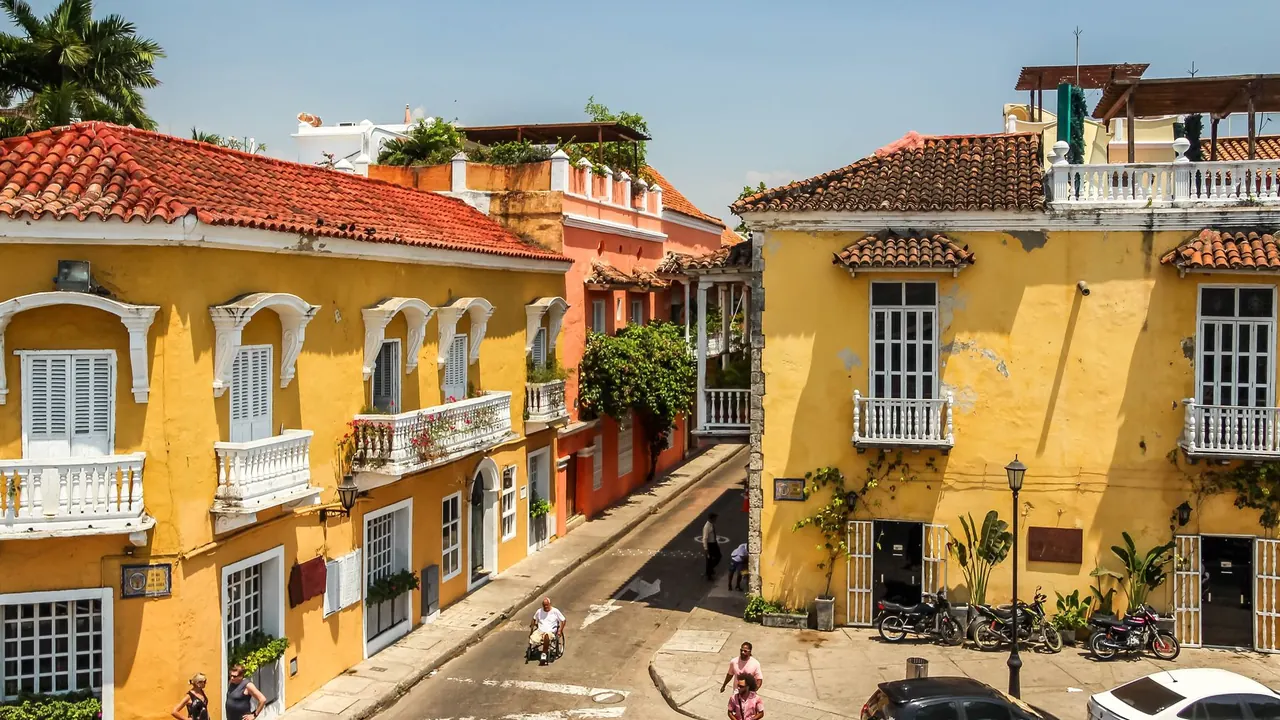
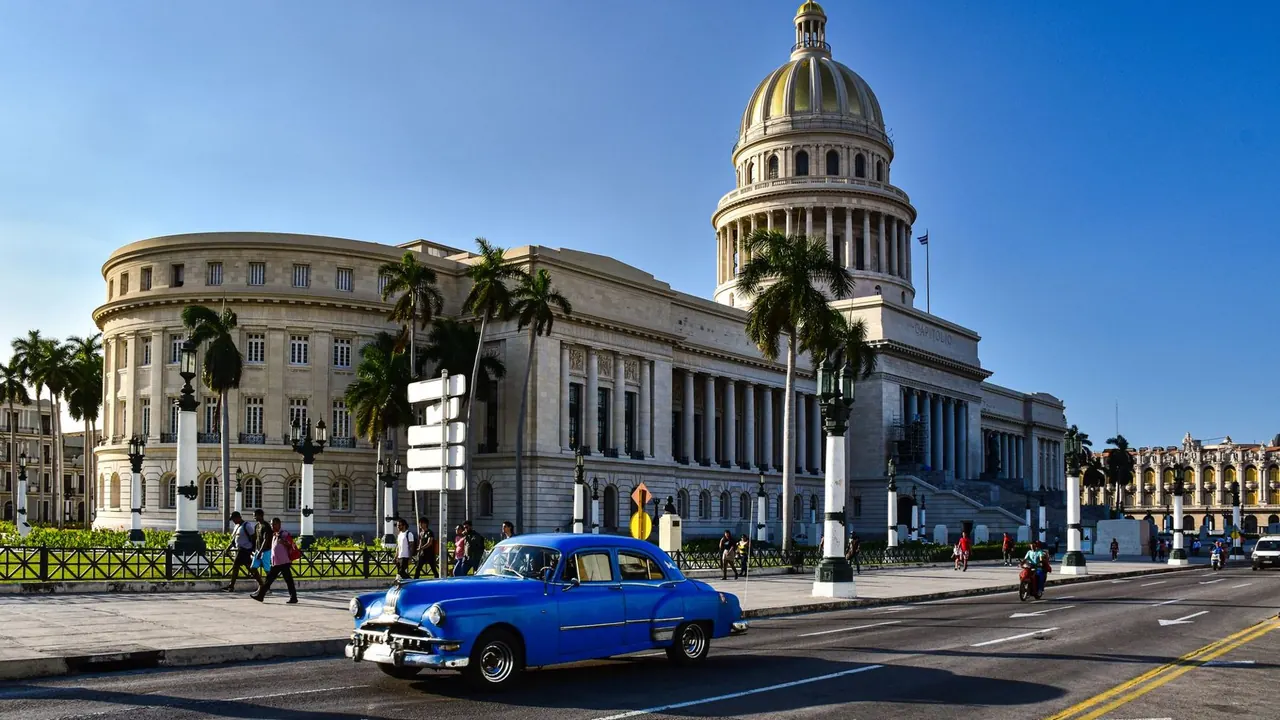
Photos: Cartagena by Dr. Thomas Liptak, CC BY-SA 4.0, cropped; Havana by AXP Photography, Pexels License.
Cartagena or Havana?
Our verdict in twelve categories, each scored against the same fixed benchmark cities, and the climate month by month, so you can choose for your trip.
Choose Cartagena for
- food and drink
- shopping
- wellness
Cartagena suits a traveller who wants the Caribbean on the plate and in the water as much as in the streets. The walled city is small enough to stroll between plazas, Getsemaní and the ramparts without a taxi. The food runs from street-cart ceviche to polished kitchens in colonial houses, and the Rosario Islands add real beach days and a quiet night or two in a hammock. It is the easier, more comfortable choice for couples and first-timers in the region.
Choose Havana for
- live music and the arts
- culture and sights
- day trips
Havana is the pick for someone who travels for music and for a city with a story to tell. Live son, rumba and jazz are part of every day, the Ballet Nacional dances at the Gran Teatro, and the old town leads on to Centro and Vedado, with their art deco blocks and serious museums. Expect simpler food, sparse shops and more effort getting about, and accept that as part of the trip.
Scoreboard
Twelve categories on one fixed scale from 0 to 100. The shaded stretch is the gap between the two.
Your match
Pick a travel style or drag the sliders, and both match scores follow your weighting.
Wins on food and drink and shopping with your weighting.
Wins on live music and the arts and culture and sights with your weighting.
What matters to you?
Category by category
What the scores mean for a trip.
Beaches & swimming
You can't really swim from the centre of either city. Cartagena's own beaches at Bocagrande are murky and full of vendors, and Havana's Malecón is all sea wall, so in both cities you head out of town for a swim.
Cartagena wins on what lies beyond. Boats reach the Rosario Islands and Playa Blanca on Baru in about an hour, with clear turquoise water and the option of sleeping on an island. Havana's Playas del Este, half an hour away by taxi, have white sand and clear water but simple facilities. They work best as a day off from the city and are livelier with Cuban families at weekends.
Food & drink
Cartagena is the more rewarding place to eat. Its port cooking spills onto the street, with arepas de huevo, ceviche carts and the sweet stalls of the Portal de los Dulces, and the walled city adds modern Colombian cooking in restored houses.
Havana's food is narrower: ropa vieja, beans and roast pork, with the best meals in private paladares and many state-run places dull. It holds its own at the bar, with daiquiris, mojitos and aged rum in the old bars that made them famous.
Culture & sights
Both cities are built around UNESCO-listed colonial cores guarded by Spanish fortresses, so the difference is scale. Cartagena's walled city is the more intact and easier to take in, with its rampart walk and the Castillo San Felipe, but the museums are modest and two or three days covers it.
Havana has more to fill a longer stay. Beyond the four great squares of Habana Vieja lie the art deco and mid-century streets of Centro and Vedado, the Morro and La Cabaña across the harbour, and the Museo Nacional de Bellas Artes with its strong Cuban collection. The mix of restored and crumbling buildings adds a layer that Cartagena's polished streets lack.
Nightlife
Cartagena's nights are easier to enjoy because everything is close. The Plaza de la Trinidad, the salsa bars of Getsemaní, the rooftop cocktail bars over the domes and the clubs by the Clock Tower are a short walk apart, and champeta parties and chiva buses add a local touch. The downside is a tourist-heavy circuit with touts.
Havana's evenings are more about dancing alongside locals in the salsa clubs of Vedado and Miramar and drinking on the Malecón. The scene is spread out, though, with taxis needed between neighbourhoods and few real clubs.
Nature & outdoors
Neither city has much wild country on its doorstep, but Cartagena's outdoors is easier to reach because most of it is in the water. The Corales del Rosario reefs offer snorkelling and diving, mangrove canoe trips leave from La Boquilla, and the dry-season winds bring kitesurfers.
Close to Havana, the outdoors means a walk or cycle along the Malecón and the shade of the Almendares park. Forest trails and river pools begin at Las Terrazas, about an hour west, and Viñales is three hours away.
Day trips
Both cities are weak bases for day outings, and the best places nearby need overnight stays: Mompox and Santa Marta from Cartagena, Viñales and Trinidad from Havana. What lies within a day differs. From Cartagena it is mostly the islands and Baru, plus San Basilio de Palenque, an Afro-Colombian village an hour inland with its own language and music.
Havana's short list leans on history and towns: Hemingway's Finca Vigía and Cojímar on the outskirts, the port of Matanzas with its rumba tradition, and the Varadero resort strip. Public transport is poor, so each trip usually means a driver or a tour.
Good for families
Both cities welcome children warmly and have few attractions built for them. Cartagena edges ahead thanks to the calm, warm water off the islands, the National Aviary on Baru and an old town of shaded plazas and carriage rides, though the heat and long boat trips tire small children.
Havana has the National Aquarium, classic-car rides and the cannon-lined fortresses. Broken pavements, heavy summer heat and patchy supplies of baby goods and medicines make it better for older children than for toddlers.
Getting around
Cartagena is far simpler to manage. The walled city, San Diego and Getsemaní sit within minutes of each other on quiet streets, Bocagrande and the Castillo are close by, and cheap taxis cover the rest. Heat and narrow pavements are the main obstacles.
In Havana the old town is good on foot, but Vedado and Miramar lie further out and the buses are hard for visitors to use. Most people rely on classic cars, shared almendrones and coco-taxis, with fares agreed in advance, and poorly lit streets make walking after dark harder.
Shopping & style
Cartagena gives a shopper more to do. Las Bóvedas, in the city walls, is lined with stalls of Wayuu bags, sombreros vueltiaos and hammocks. Emerald jewellers trade around the Plaza de Bolívar, boutiques sell Colombian resortwear, and Bocagrande's malls cover anything else.
Havana sells what Cuba makes and little more: cigars, rum and coffee, plus art from the studios of Habana Vieja and Vedado, which is the most rewarding buy. There is also the craft market by the harbour, but fashion and department stores are essentially missing.
Affordability
Costs work much the same way in both cities. They are cheap if you live as locals do and close to European prices if you want top-tier comfort. In Cartagena the split runs between boutique mansion hotels inside the walls, which peak at Christmas and Easter, and Getsemaní guesthouses, street food and set lunches.
In Havana the bargain is a room in a casa particular with breakfast, along with cheap live music and shared taxis, while state hotels and imported goods are expensive. Havana also demands plenty of cash because cards are unreliable. In Cartagena the thing to watch is agreeing prices with hawkers and boatmen.
Live music & performing arts
This is where Havana leaves Cartagena well behind. Son, rumba and bolero play live from midday in bars and courtyards, and the standard is high. Vedado has proper jazz clubs, and the Ballet Nacional de Cuba performs at the Gran Teatro, with the National Symphony, the Callejón de Hamel rumba and the Tropicana cabaret adding range.
Cartagena's music lives in the streets and clubs, with salsa bands in Getsemaní and cumbia dancers in the plazas. Its seated programme rests on the Teatro Adolfo Mejía and a January classical festival.
Wellness & relaxation
Neither city has a spa or bathing tradition to plan a trip around, and both are hot and noisy by day, so rest means getting away from the streets. Cartagena makes that much easier. Massages are cheap and easy to find, both on the sand at Bocagrande and in day spas around the old town. The islands are close enough that a stay can end with a few unhurried days by the water. The Totumo mud bath is a cheerful outing rather than a treatment.
Havana has less on offer, and its rest is quieter and closer to home. Pampering is limited to a few of the big hotels, so how calm your stay feels depends on where you sleep. A family-run casa in the leafy streets of Vedado or Miramar is well away from the fumes of the old town, and the Playas del Este are the nearest escape for a day.
When should you go?
Pick your month. The climate figures are measured averages, not a forecast.
Cartagena in July
Havana in July
Daytime high, °C
Rainfall in the month, mm
Where the figures come from
Havana has no rain gauge within 25 km of the centre, so its rainfall comes from a gridded climate dataset read at the city rather than from a gauge further away.
Temperature and rainfall are climate normals, averaged over the years shown. Cartagena: 1991-2020 normals, Cartagena / Rafael Nunez (3.1 km from centre). Havana: 1991-2020 normals, Casa Blanca, La Habana (3.5 km from centre).
Cartagena stays at about 30°C every month, so rain is what decides when to go. December to April is the dry season, with almost no rain from January to March and the sunniest days of the year, and the sea is warm enough for swimming in any month. Showers return in May and build into a wet, humid autumn that peaks in October at around 240mm.
By Caribbean standards Havana has a real winter. From December to March, days of around 27°C are pleasant for walking the old town, though the sea cools to about 26°C, which is fine for a swim but not bath-warm. Summer brings heavier heat and the wettest spells in June and September. April and November are good compromises between beach weather and comfortable streets.
Which traveller are you?
For a food and nightlife trip, Cartagena is the better bet. Street carts, fruit sellers and colonial-house restaurants keep the days interesting, and evenings move easily from the Plaza de la Trinidad to salsa bars and rooftop terraces, all within walking distance.
On a culture and arts trip, Havana pulls ahead. Its old town and Vedado cover more ground and more eras, the Bellas Artes holds a real collection, and the live music, from street-corner son to the national ballet, goes far beyond anything in Cartagena.
For a relaxing and wellness trip, Cartagena is the gentler choice. Courtyard hotels with plunge pools and small spas give shade inside the walls, and a few nights on the Rosario Islands slow everything down. Havana offers little beyond a balcony and the sea wall.
Before you go
| Measure | Cartagena | Havana |
|---|---|---|
| Official language | Spanish | Spanish |
| Currency | Colombian Peso (COP) | Cuban Peso (CUP) |
| Sockets | AB110 V, 60 Hz | AB110 V, 60 Hz |
| Driving side | Right | Right |
| Time zone | UTC-5 | UTC-5, UTC-4 in summer |
| Emergency number | 123 | Police 106, ambulance 104, fire 105 |
| Elevation | 2 m | 59 m |
| Main airport | Rafael Nuñez International Airport (CTG)2 km from centre26 non-stop destinations | José Martí International Airport (HAV)17 km from centre21 non-stop destinations |
| Public holidays this year | 19 days | 9 days |
By the numbers
| Measure | Cartagena | Havana |
|---|---|---|
| City population | 914,552 | 2,492,618 |
| People per km² | 1,599 | 3,423 |
| Museums within 10 km | 2 | 12 |
| UNESCO World Heritage sites within 50 km | 1 | 1 |
| Swim season, months above 21 °C | 12 months | 12 months |
Where else could you go?
Every comparison below shares a destination with this one, so you can follow Cartagena or Havana somewhere new.