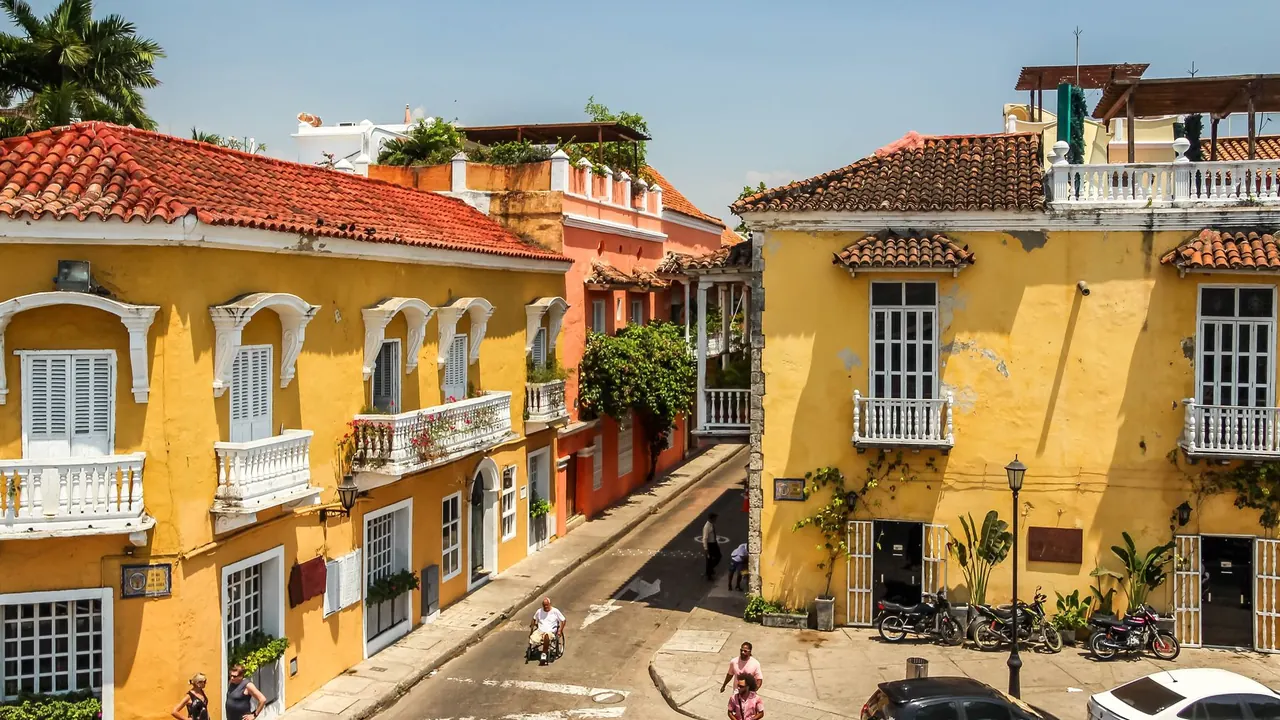
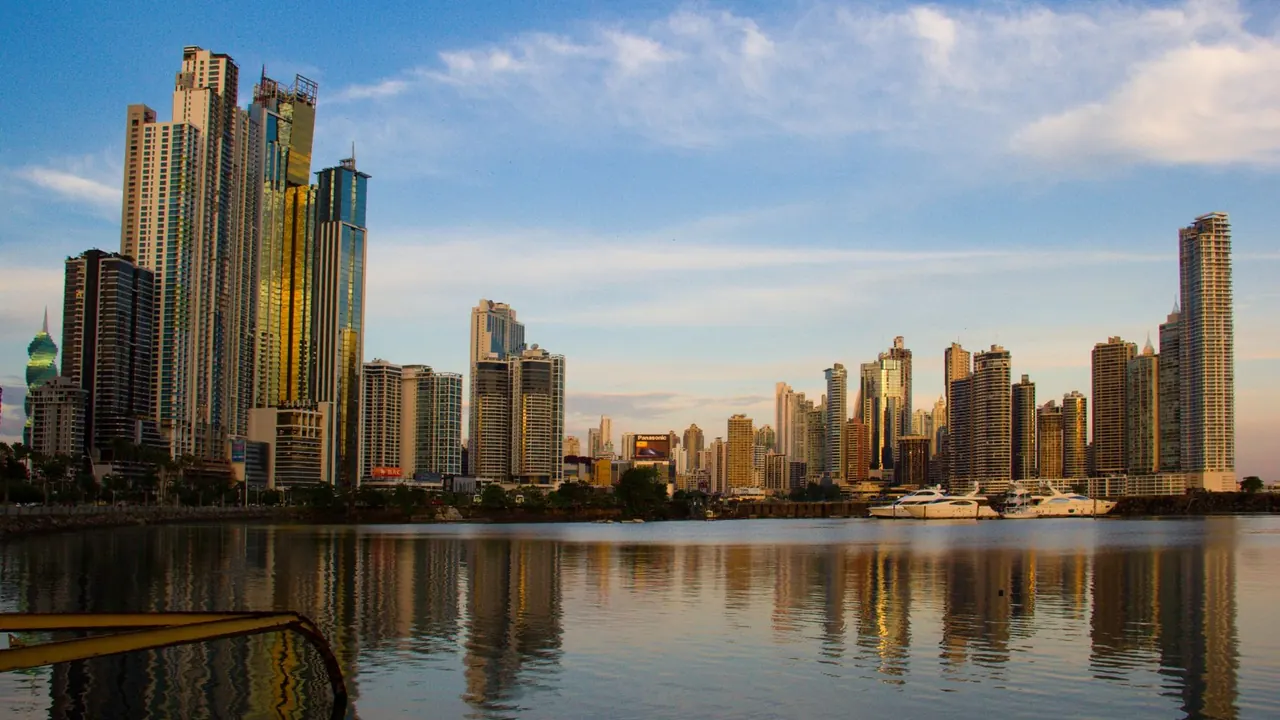
Photos: Cartagena by Dr. Thomas Liptak, CC BY-SA 4.0, cropped; Panama City by Ayaita, CC BY-SA 3.0, cropped.
Cartagena or Panama City?
Our verdict in twelve categories, each scored against the same fixed benchmark cities, and the climate month by month, so you can choose for your trip.
Choose Cartagena for
- beaches
- wellness
- getting around
Cartagena suits travellers who want a walled colonial town to wander, Caribbean water within a short boat ride and late nights of salsa and champeta. The old town, San Diego and Getsemaní sit together on foot, the Rosario Islands are close, and a few nights in a hammock on an island make the slow, restful end of the trip. It is the easier and more rounded choice for a first trip to the region.
Choose Panama City for
- nature and the outdoors
- day trips
- families
Panama City is the pick if rainforest and wildlife matter more than sand. Sloths and toucans live within the city limits, Pipeline Road and the Chagres River are an easy drive away, and the Canal locks and the Caribbean forts at Portobelo give you more to do on days out. You give up an easy beach and a walkable centre, and you will spend more time in taxis.
Scoreboard
Twelve categories on one fixed scale from 0 to 100. The shaded stretch is the gap between the two.
Your match
Pick a travel style or drag the sliders, and both match scores follow your weighting.
Wins on beaches and wellness with your weighting.
Wins on nature and the outdoors and day trips with your weighting.
What matters to you?
Category by category
What the scores mean for a trip.
Beaches & swimming
Cartagena is clearly the better choice for the beach, though not because of its city beaches. Bocagrande's sand is dark and its water cloudy. The reward is the Rosario Islands and Baru, where pale sand and clear water are about an hour or less away by boat, an easy day out or an overnight stay.
Panama City's bay is not for swimming at all, so the nearest dip is the small beach on Isla Taboga. Coronado's grey Pacific sand and the clearer Caribbean water near Portobelo both take a long drive, so beach time there usually means an overnight trip away from the city.
Food & drink
The two eat in a similar way, with ceviche, fried whole fish and patacones at the centre, so the difference is in the setting. Cartagena's best eating is on the street: arepas de huevo, fruit sold by Palenquera women and coconut sweets at the Portal de los Dulces, alongside polished restaurants in colonial houses.
Panama City has more range. There are the stalls of the fish market, plain home cooking in neighbourhood fondas, international restaurants in Obarrio and El Cangrejo, and excellent highland Geisha coffee in its speciality cafés.
Culture & sights
Cartagena has the edge, because its walled city is one whole colonial townscape, with ramparts to walk at sunset and the hilltop Castillo San Felipe overlooking it. You take it in by wandering the streets rather than by visiting museums.
Panama City's history is in two separate places, the restored peninsula of Casco Viejo and the ruins of Panamá Viejo. Its draw is the Canal, where at Miraflores huge ships are raised and lowered close by. Neither city has strong museum collections, and two or three days covers the main sights in each.
Nightlife
Cartagena's nights are livelier and easier, with everything in one compact circuit. You can go from the drummers and street food on Plaza de la Trinidad to Getsemaní's salsa bars and on to the clubs by the clock tower without taking a taxi. Party boats and chiva buses add a local touch, though touts come with the crowds.
Panama City's evenings start on Casco Viejo's rooftops and move to the clubs of Calle Uruguay and Marbella. The crowd is more dressed-up, with many expats and business visitors, and the districts are far enough apart that you need taxis between them.
Nature & outdoors
Panama City is far ahead for nature, and the gap is on land. Cartagena's outdoors is mostly in the water: snorkelling over the Rosario reefs, paddling the La Boquilla mangroves or kitesurfing in the dry-season wind. Behind the city there is only flat farmland, and the forests of the Sierra Nevada and Tayrona are too far along the coast for an easy outing.
Panama City has rainforest within its limits. From the trails of Parque Natural Metropolitano you look across the canopy to the towers, and the forests of Soberanía and the river landings at Gamboa are about forty minutes away. The Amador Causeway gives a flat run or bike ride beside the waiting ships, and the cooler crater valley of El Valle de Antón adds waterfalls and easy hikes further out.
Day trips
Panama City has more good day trips. Portobelo's Spanish forts and the San Lorenzo fortress make a full day on the Caribbean coast, and you can also take a partial Canal transit, visit an Emberá village by dugout canoe or catch the ferry to Taboga.
From Cartagena, apart from the islands, the main outing is San Basilio de Palenque, with its own language and music. Mompox and Santa Marta are too far for a day trip, so they work better as stops on a longer route.
Good for families
Neither city is easy with small children, because both are hot and humid with uneven pavements, but the appeal for children is different. Panama City has more to point at: ships in the Miraflores locks, hands-on displays at the Biomuseo, bike hire on the Amador Causeway and rescued animals at Summit.
Cartagena relies on calm, warm water at the island beaches, horse carriages in the old town and the aviary on the way to Playa Blanca. Families there do best with a hotel pool and a slow pace.
Getting around
Cartagena is much easier on foot. The walled city, San Diego and Getsemaní are a few minutes apart on quiet streets, and short taxi rides cover the rest. The midday heat is the main thing that slows you down.
In Panama City only Casco Viejo is walkable. Beyond it the city is a strip of highways with broken pavements and heavy traffic, and although the metro is clean, it misses most of the places visitors want to see. Expect taxis, ride-hailing apps or a hired driver for the Canal and the coast.
Shopping & style
The two are about level for shopping but offer different things. Cartagena is the place for crafts and resortwear: Wayuu bags and hammocks in the vaulted Las Bóvedas, emeralds around Plaza de Bolívar and linen from Colombian designers inside the walls.
Panama City is about its enormous air-conditioned malls full of international brands. The souvenirs to look for are Guna molas, Emberá baskets and highland coffee, but there are no streets made for strolling between shops.
Affordability
Costs are similar in the two cities. Both are cheap for street food, set lunches and taxis, and expensive in their restored old towns. Cartagena's boutique hotels inside the walls come close to European rates, especially over Christmas and Easter, but Getsemaní guesthouses and island day trips stay good value.
In Panama City, rooms in Casco Viejo and the banking district cost about the same as in a mid-range Western city, and guided rainforest and island trips add up. Eating in fondas keeps a stay cheaper.
Live music & performing arts
Cartagena offers a little more, mostly because music is all around you in the evenings. Cumbia dancers and drummers perform in the plazas of the walled city, and Getsemaní has salsa bands. The Teatro Adolfo Mejía and a week-long classical festival each January are the formal side.
Panama City's ornate Teatro Nacional has only a short season, and its January jazz festival is the highlight of the year. Outside that, live salsa and típico music are hard to find unless you happen upon them.
Wellness & relaxation
Cartagena is clearly the more restful of the two, although its old town itself is noisy. Courtyard hotels with plunge pools, cheap massages and nights on the islands with hammocks and the tide offer real rest, and the Totumo mud volcano is a fun extra.
Panama City offers little more than hotel spas in Punta Pacífica and quiet early mornings in Casco Viejo. To really unwind, visitors leave for the cooler highland valleys.
When should you go?
Pick your month. The climate figures are measured averages, not a forecast.
Cartagena in July
Panama City in July
Daytime high, °C
Rainfall in the month, mm
Where the figures come from
Panama City has no rain gauge within 25 km of the centre, so its rainfall comes from a gridded climate dataset read at the city rather than from a gauge further away.
Temperature and rainfall are climate normals, averaged over the years shown. Cartagena: 1991-2020 normals, Cartagena / Rafael Nunez (3.1 km from centre). Panama City: 1991-2020 normals, Tocumen (20.4 km from centre).
Both cities are hot all year, with daytime highs that hardly change, so the weather you need to plan around is the rain. Cartagena has a long, very dry season from December to April, with almost no rain and the most sun of the year in January. Rain builds from May and peaks in October at about 241mm. The sea stays around 28°C to 30°C all year, so the island beaches are always warm enough to swim.
Panama City has a shorter dry window, from January to April, and March is the driest month. Those months are also its hottest, around 33°C, which makes midday walking tiring. The wet season starts in May and gets heavier towards the end of the year, with November bringing about 438mm, far more than Cartagena ever gets. From January to April both cities are dry. From October to December, Cartagena is the much safer choice.
Which traveller are you?
On a beach and sun trip, Cartagena is the clear choice. Boats reach the clear turquoise water of the Rosario Islands and Playa Blanca in about an hour. From Panama City, a proper beach means a long drive to Coronado or the Caribbean coast.
For an outdoors trip, Panama City wins easily. It has rainforest trails inside the city, birdwatching on Pipeline Road and monkey-spotting boat trips on Gatún Lake. Cartagena's outdoors is mostly snorkelling on the reefs, with flat farmland inland.
On a relaxing and wellness trip, Cartagena is gentler. Colonial-house hotels have shaded courtyards and plunge pools, massages are cheap and island nights slow everything down. Panama City offers little calm beyond hotel spas, and real rest means leaving for the highlands.
Before you go
| Measure | Cartagena | Panama City |
|---|---|---|
| Official language | Spanish | Spanish |
| Currency | Colombian Peso (COP) | Balboa (PAB) |
| Sockets | AB110 V, 60 Hz | AB110 V, 60 Hz |
| Driving side | Right | Right |
| Time zone | UTC-5 | UTC-5 |
| Emergency number | 123 | 911 |
| Elevation | 2 m | 20 m |
| Main airport | Rafael Nuñez International Airport (CTG)2 km from centre26 non-stop destinations | Tocumen International Airport (PTY)20 km from centre92 non-stop destinations |
| Public holidays this year | 19 days | 14 days |
By the numbers
| Measure | Cartagena | Panama City |
|---|---|---|
| City population | 914,552 | 1,540,000 |
| People per km² | 1,599 | 5,600 |
| Museums within 10 km | 2 | 10 |
| UNESCO World Heritage sites within 50 km | 1 | 2 |
| Swim season, months above 21 °C | 12 months | 12 months |
Where else could you go?
Every comparison below shares a destination with this one, so you can follow Cartagena or Panama City somewhere new.